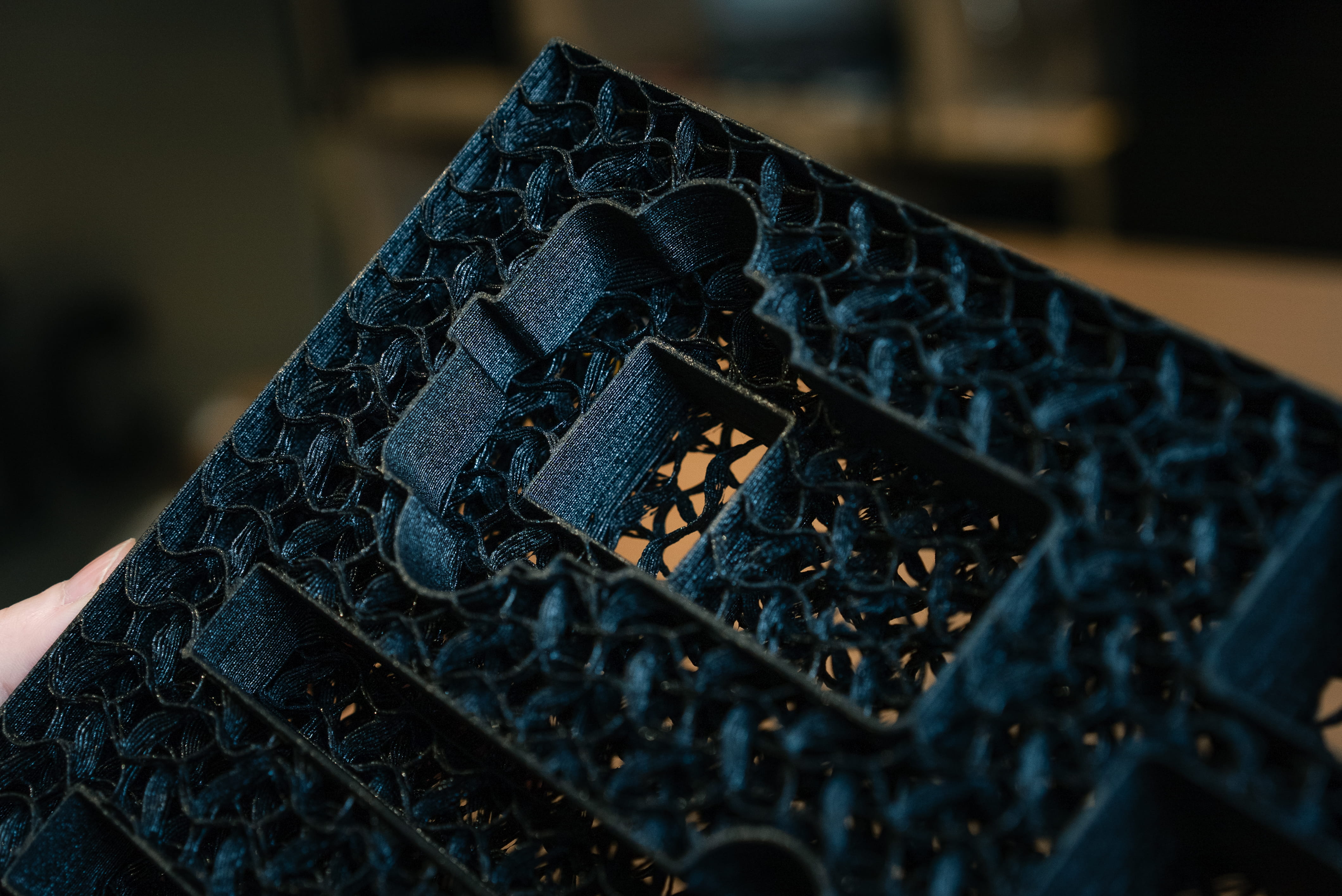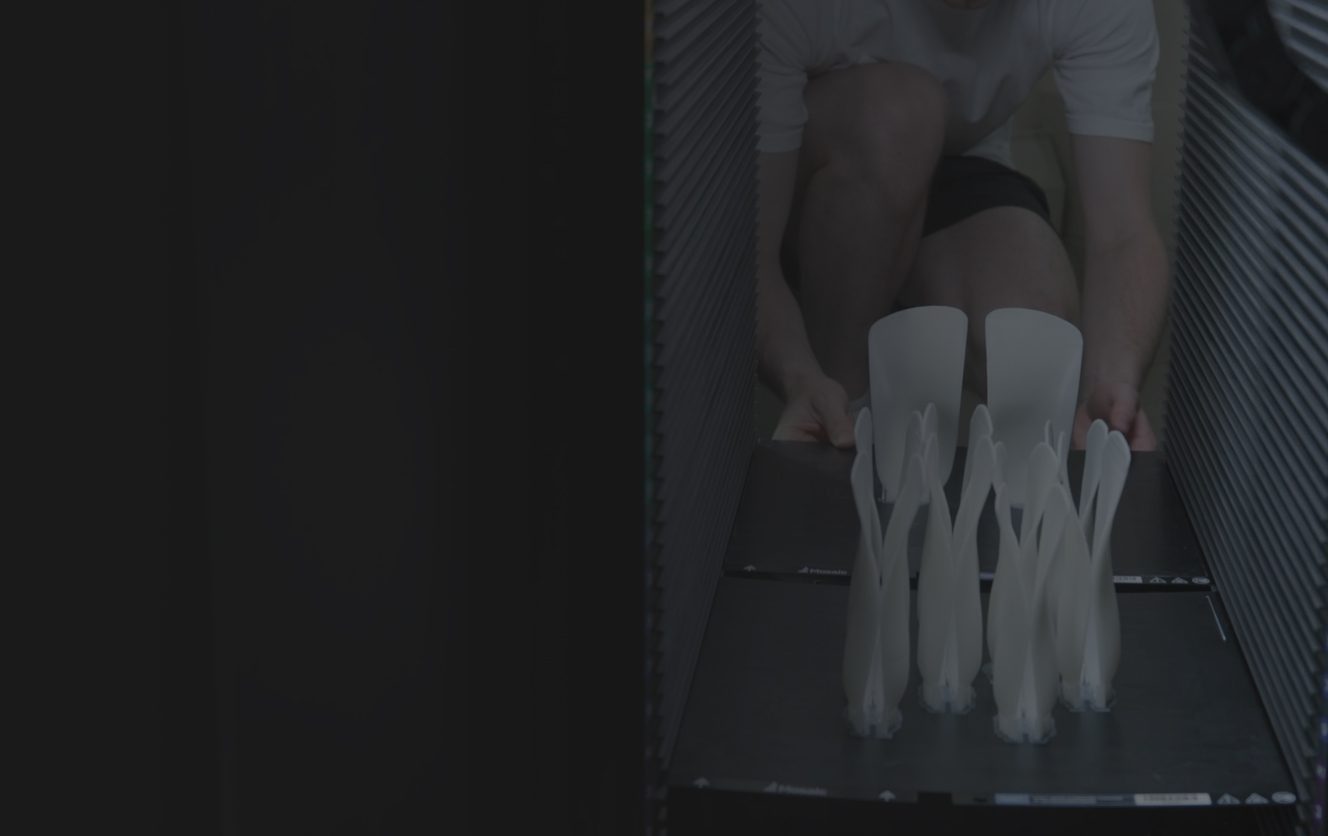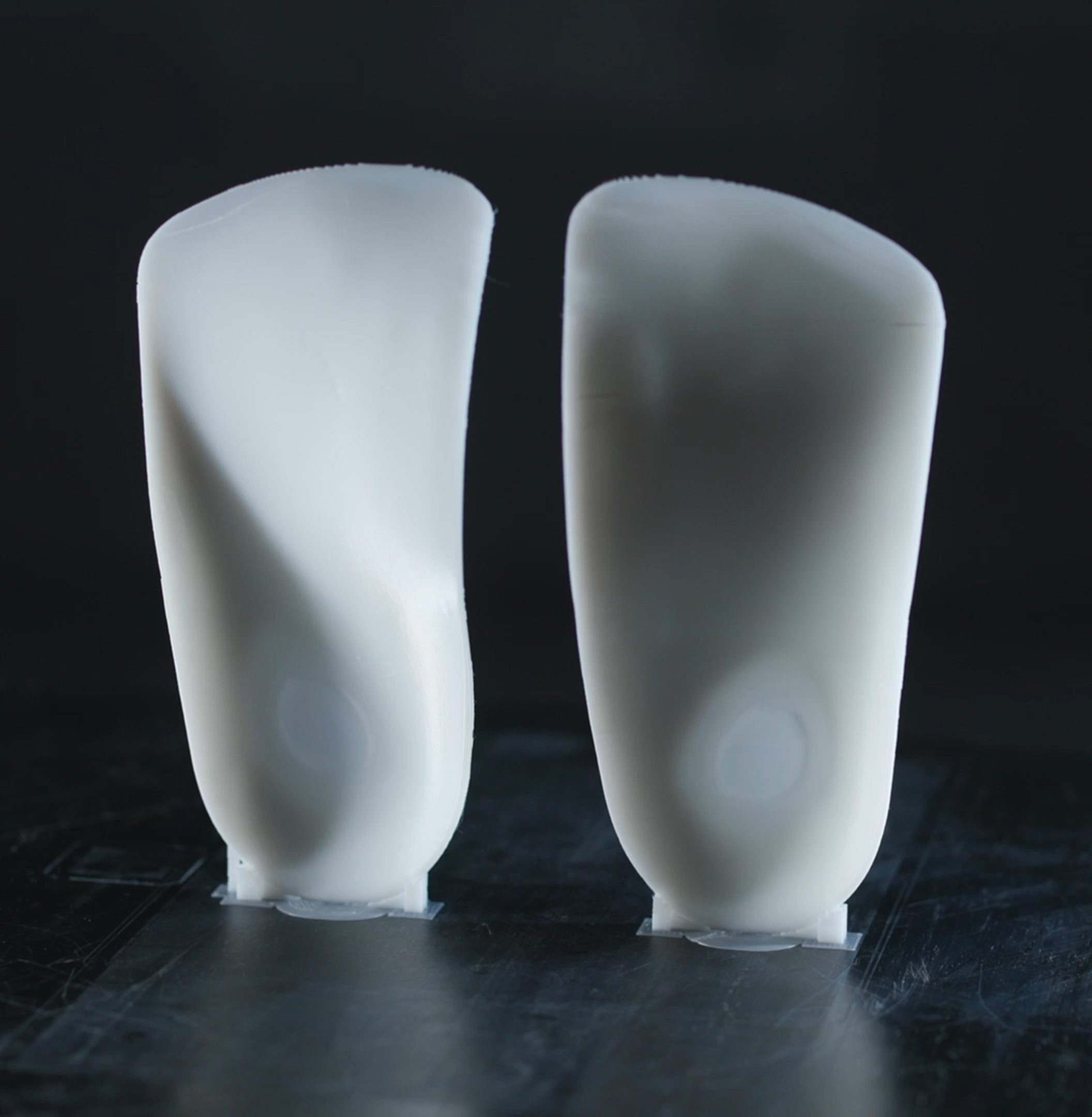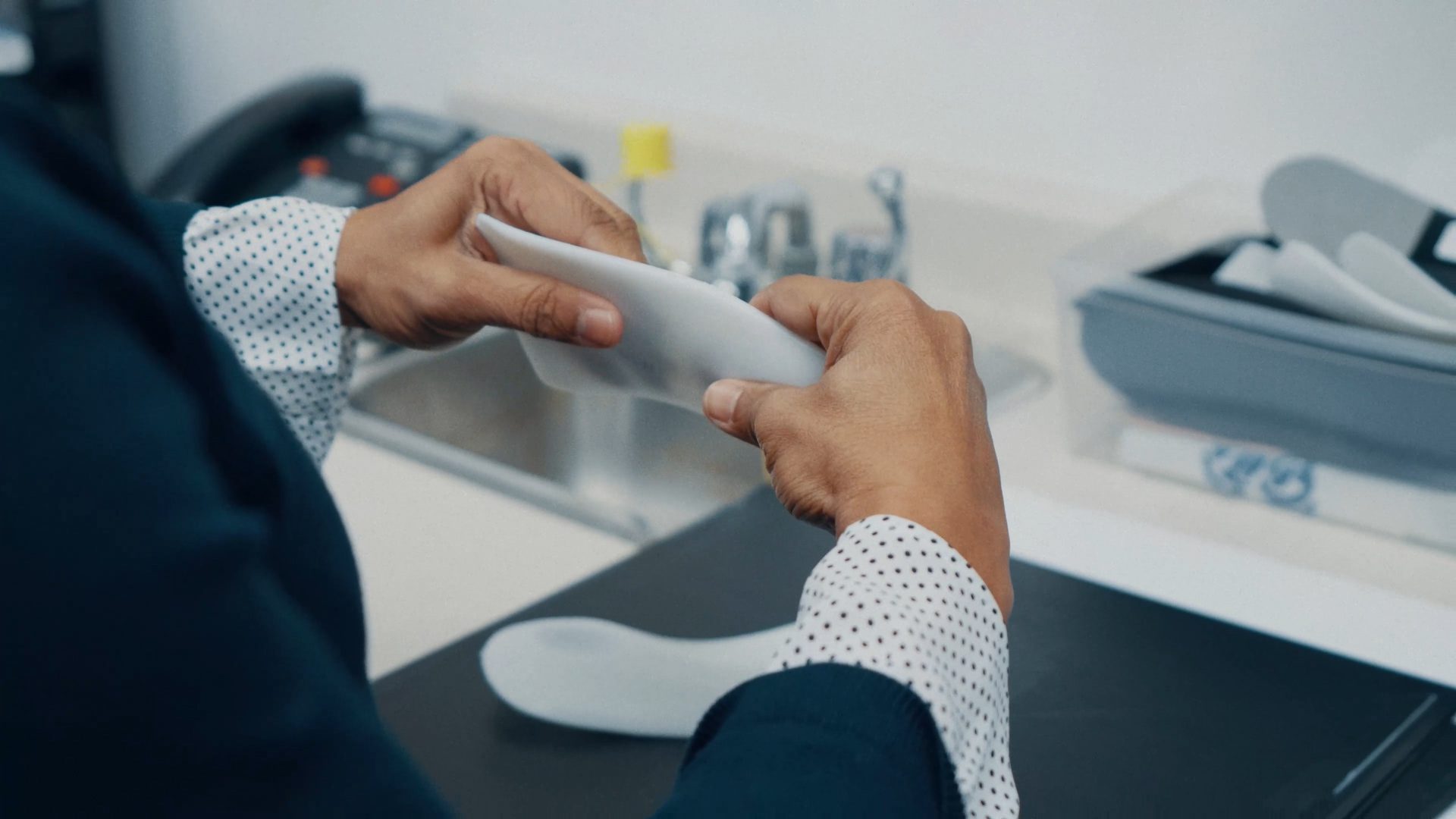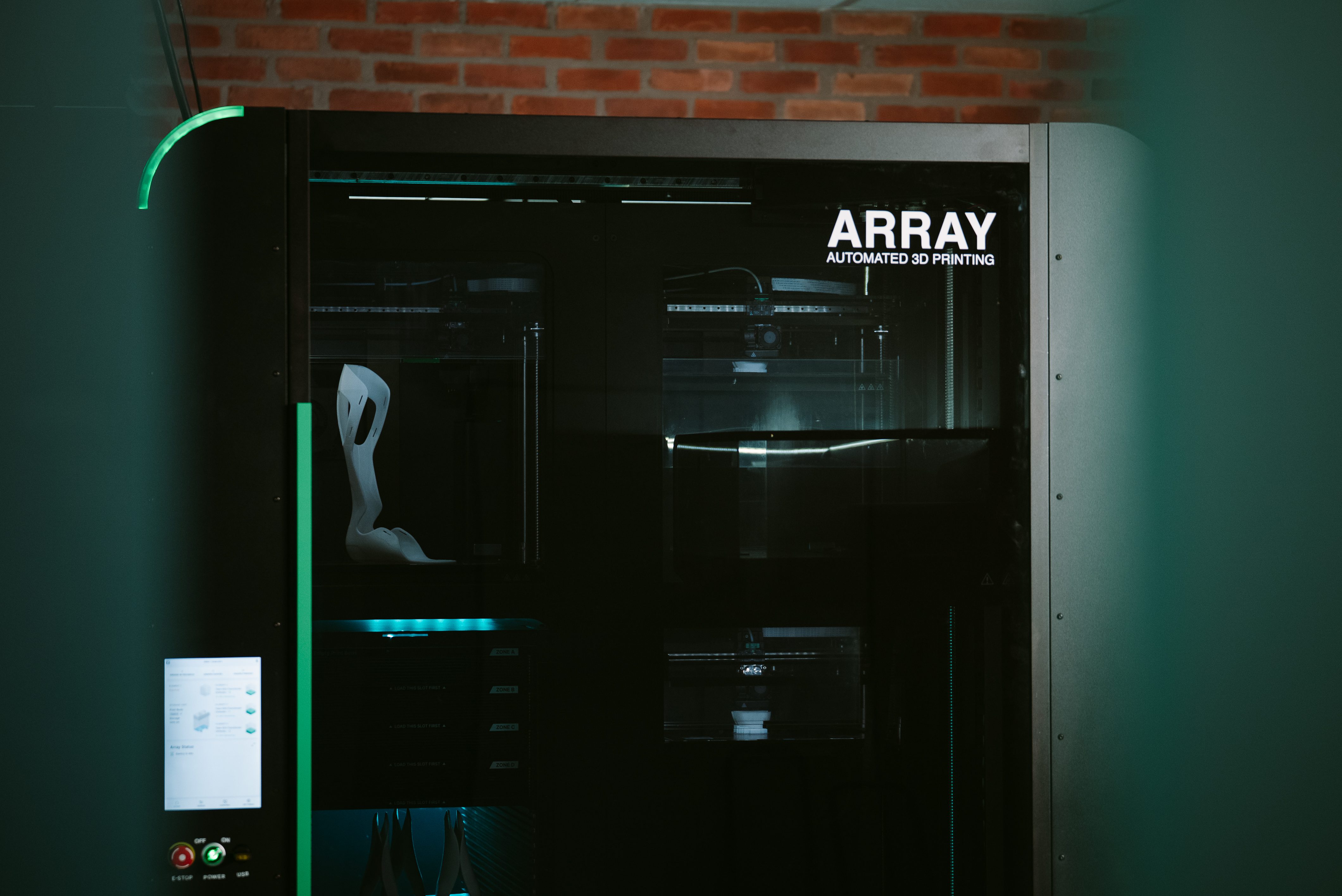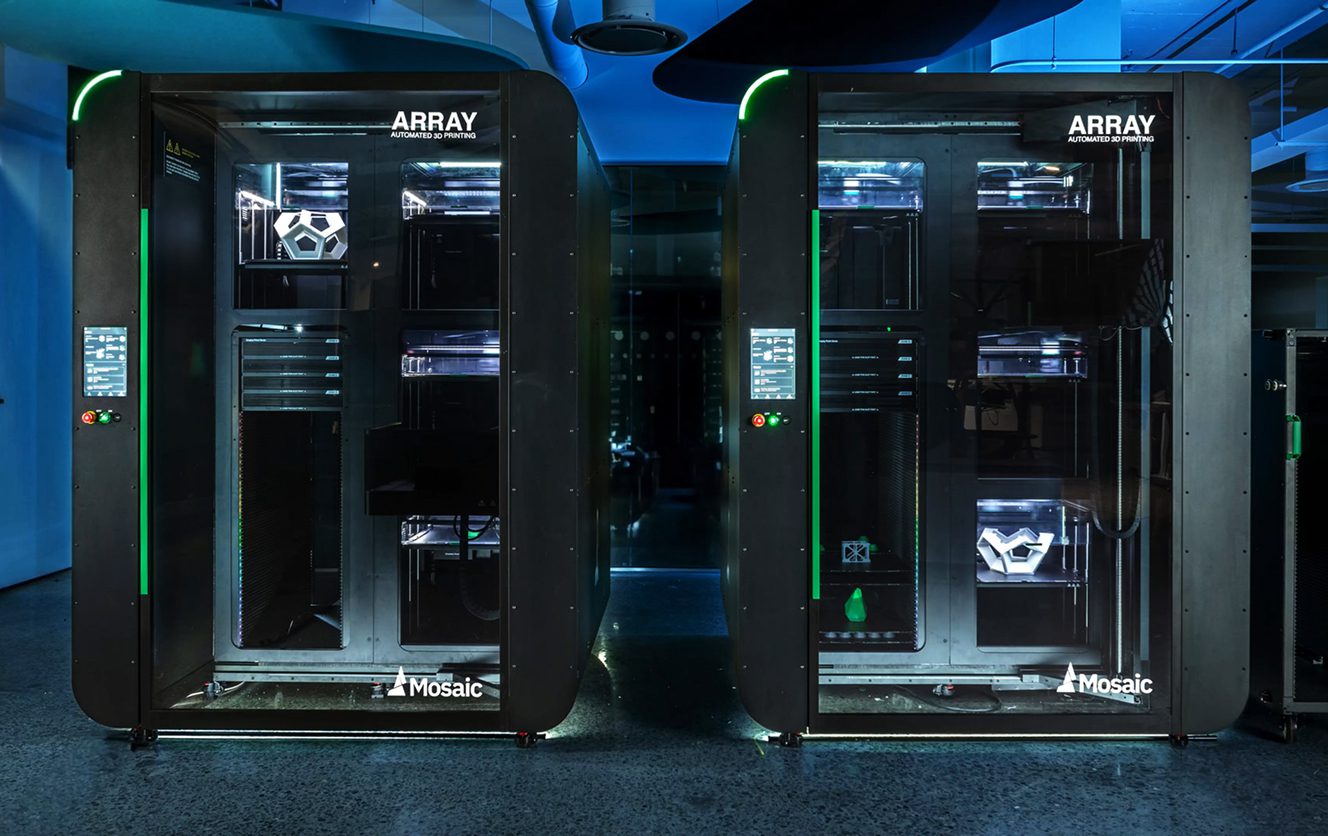
For orthotics laboratories, the shift to 3D printed orthotics is not about adopting a new technology, it is about gaining tighter control over manufacturing variables that directly affect clinical outcomes.
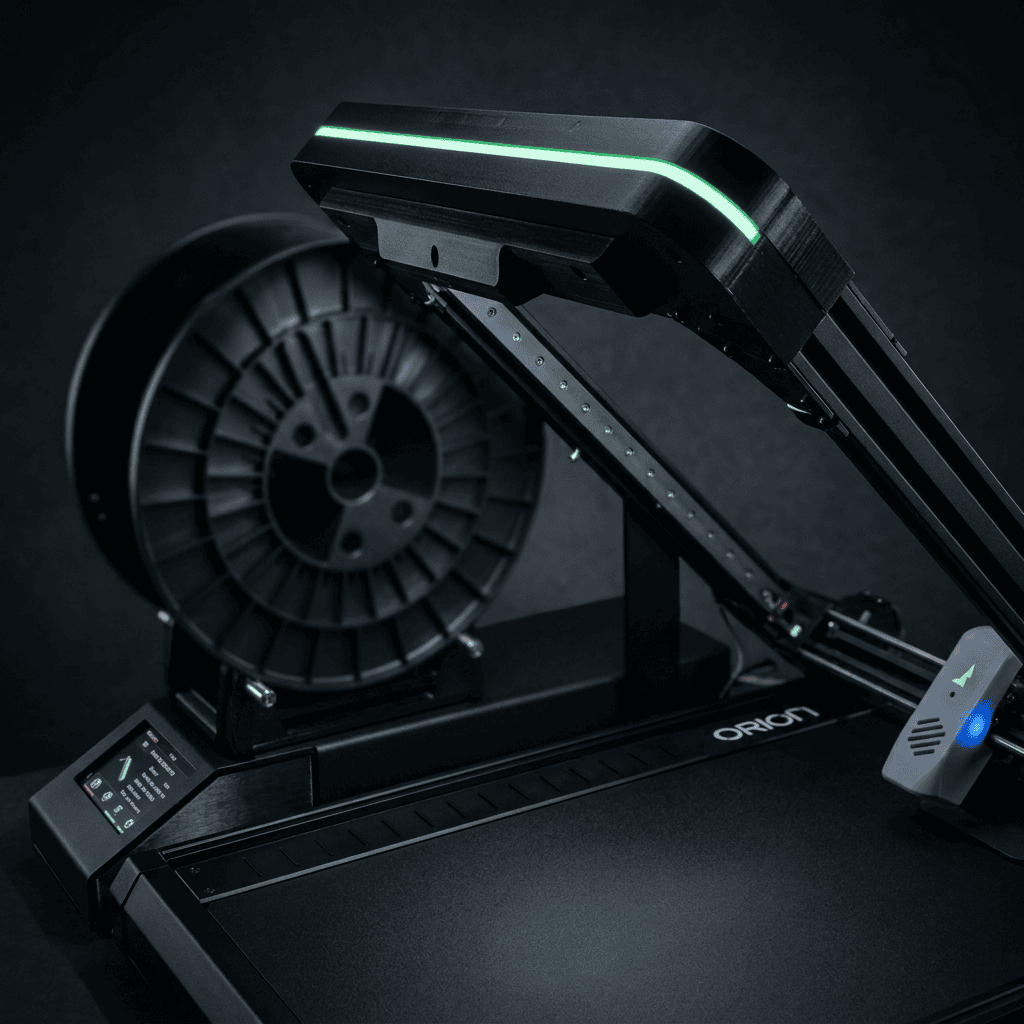
FDM (Fused Deposition Modelling has emerged as a strong fit for custom orthotics manufacturing because it enables digital control over geometry, material behaviour, and structural performance in ways that are difficult to standardize with manual fabrication. Modern orthotics manufacturing platforms such as Orion leverage these capabilities to automate production, reduce technician dependency, and deliver repeatable device quality at scale.
When paired with validated materials and controlled production parameters, FDM allows orthotics laboratories to scale orthotic insoles manufacturing while maintaining repeatable fit, stiffness response under load, and long-term durability across builds. The focus shifts from correcting variability after production to engineering consistency directly into the manufacturing process.
This article explains how FDM 3D printing is used in modern orthotics laboratories to produce custom orthotic insoles with repeatable mechanical performance at scale. It covers the full digital workflow – from scan data and file preparation to materials, process control, and automated production – highlighting the manufacturing variables that most directly influence clinical reliability.
How Scan Data Becomes a Printable Orthotic Insole
In modern 3D printing orthotics workflows, the transition from scan to production is fully digital.
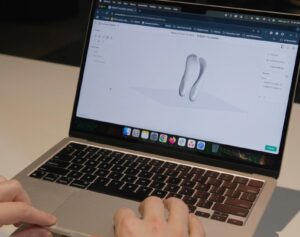
Foot scans and clinical prescriptions are translated into structured orthotic geometry using specialized design software. Within the Stryde ecosystem, patient anatomy captured through Stryde Scan flows into Stryde Design, where clinical intent is transformed into manufacturable orthotic geometry before being prepared for production on Orion.
This preparation step is critical. Inconsistent geometry handling, such as manual file edits or printer-side adjustments, is a common source of dimensional drift and performance variability in orthotic insoles. A controlled digital preparation environment ensures that:
- Shell thickness remains within defined geometric tolerances
- Functional zones (support, flexibility, relief areas) are preserved
- Design files are version-controlled and traceable
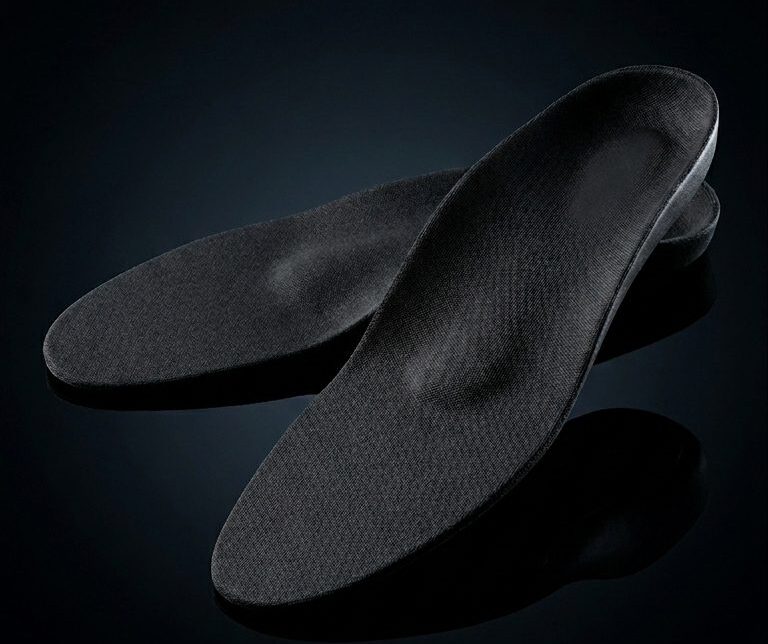
The result is a print-ready orthotic insole whose performance characteristics are engineered before manufacturing begins, rather than corrected afterward.
What Repeatability Means in Orthotics Manufacturing
In orthotics manufacturing, “repeatability” refers to the ability to produce orthotic insoles with consistent geometry, stiffness response, and durability across builds, batches, and time without reliance on technician reinterpretation or manual correction.
In FDM-based workflows, repeatability is governed by digital design control, validated material behaviour, and standardized production parameters. Consistency is achieved at the system level rather than through individual fabrication technique. This shift from technician-driven fabrication to system-level manufacturing control is a core principle behind Orion. By standardizing production parameters and reducing manual intervention, repeatability becomes a function of the manufacturing process itself rather than individual operator expertise.
How Repeatability Is Achieved in FDM Orthotics Production
Repeatable performance in custom orthotics manufacturing depends on controlling thermal behaviour, geometry, and material performance throughout production.
In Mosaic’s FDM-based orthotics workflow, the variables that most influence orthotic performance are standardized at the system level. These include:
- Validated material-profile pairings that ensure consistent adhesion, stiffness response, and flex behaviour
- Digitally controlled layer height and thermal parameters that maintain shell thickness and structural geometry
- Geometry-preserving file preparation that protects clinical design intent from operator-side modification
- Consistent part placement strategies that support dimensional accuracy and thermal stability
- Stored design and production records that allow orthotic insoles to be reproduced later under identical conditions
- Automated production workflows that preserve manufacturing conditions across technicians, shifts, and production volumes
Orion was designed specifically to maintain these production controls at scale, creating a repeatable manufacturing environment for both accommodative and corrective orthotics.
By shifting consistency from technician technique to manufacturing system stability, FDM becomes viable for higher-volume orthotics laboratory environments.
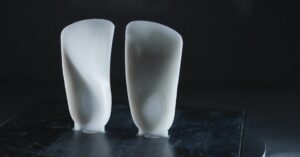
Where Orion Replaces Manual Steps
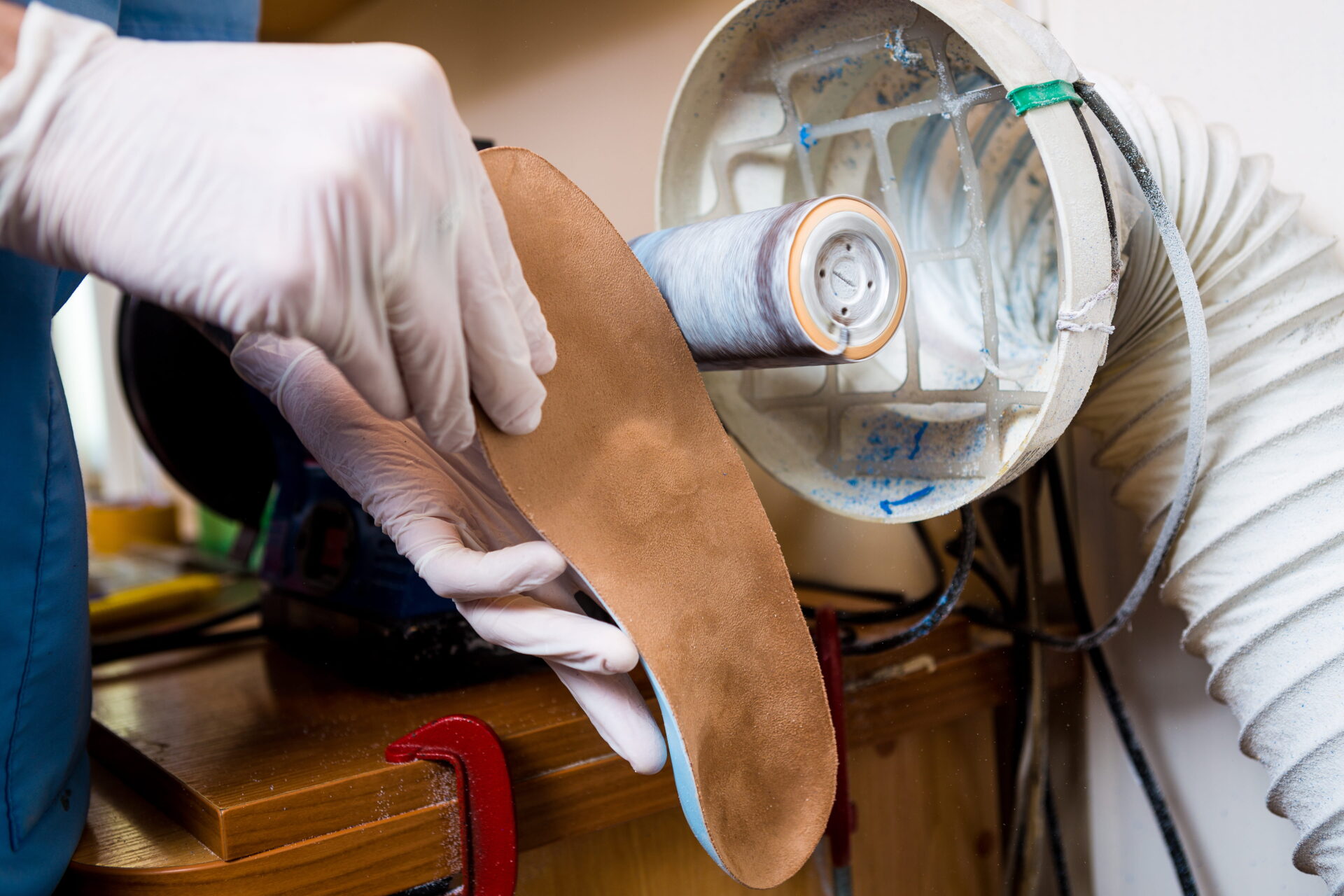
Traditional orthotics fabrication often relies on skilled technicians to interpret prescriptions, adjust forming processes, and correct variability during finishing. While effective, this approach can make consistency dependent on individual expertise.
Orion automates many of these manufacturing steps by:
- Standardizing production parameters
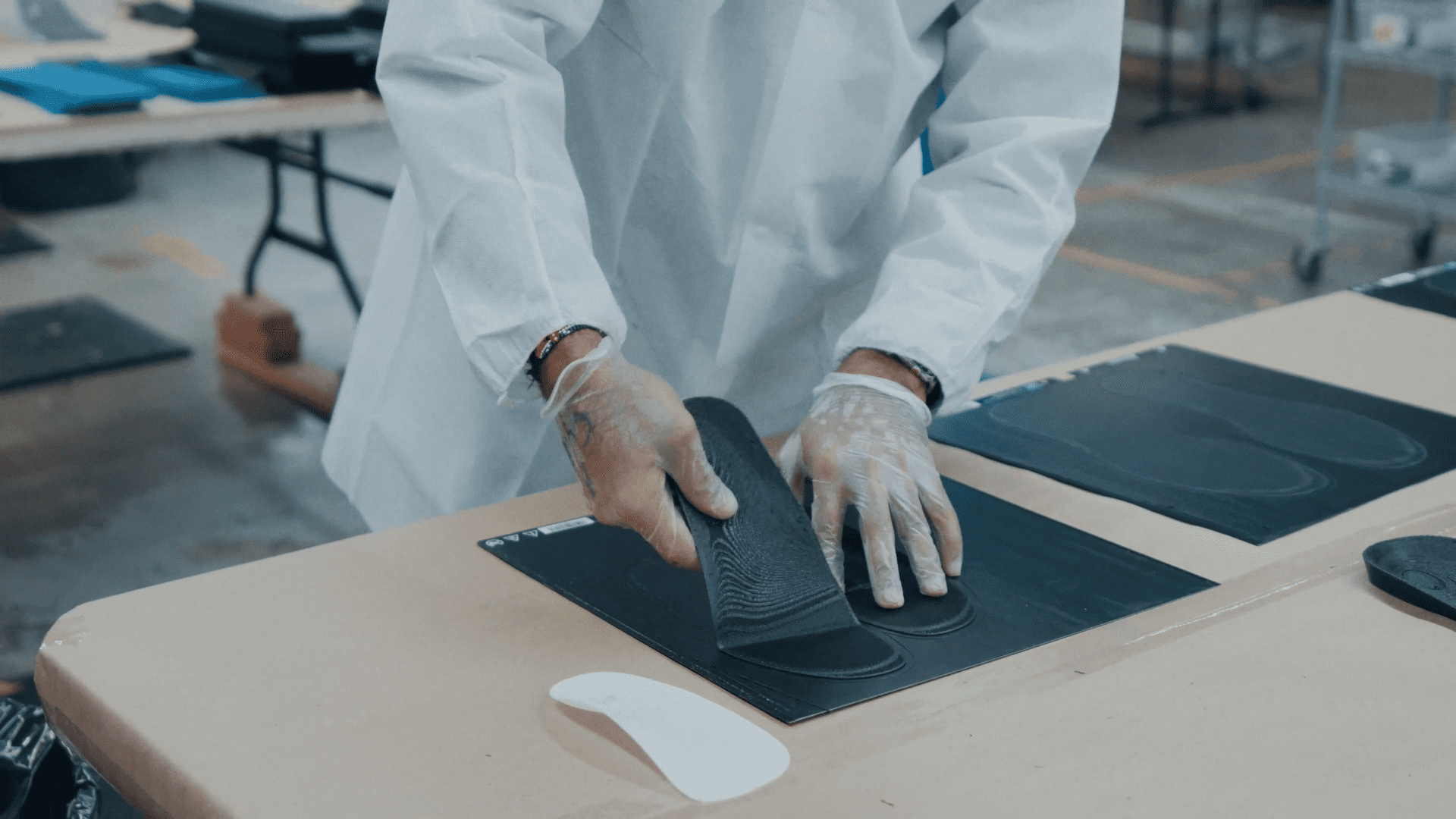
- Reducing manual intervention throughout manufacturing
- Supporting continuous queued production without batching requirements
- Producing finished orthotics with minimal post-processing
The result is a more predictable production environment where throughput and device quality are less dependent on technician availability.
How Materials Influence Manufacturing Stability
In custom orthotics manufacturing, materials play a central role in determining whether digital repeatability translates into clinical reliability.
Mosaic’s Form and Aero materials were engineered specifically for orthotic insoles within FDM workflows, rather than adapted from general-purpose polymers.
- Form delivers polypropylene-class stiffness and rebound, supporting bio-mechanical alignment with consistent structural response.
- Aero provides EVA-style cushioning with controlled flexibility, enabling patient-specific comfort while maintaining predictable mechanical behaviour.
Because these materials are validated within defined production profiles, mechanical performance remains stable across builds, batches, and production environments.
What Stabilizes Digital Orthotics Production
Manufacturing platforms play a critical role in maintaining this stability. Orion integrates material profiles, production controls, and workflow automation into a single orthotics-specific manufacturing environment, reducing variability introduced by disconnected systems or manual process adjustments.
- Process stability comes from standardized production parameters that reduce operator-driven variation
- Mechanical consistency depends on polymers engineered to deliver repeatable stiffness, flex behavior, and fatigue resistance
- Production traceability ensures that design files and manufacturing conditions are linked, allowing the same device to be reproduced months or years later
When these elements operate together, 3D printing orthotics becomes a controlled manufacturing system rather than a technician-dependent process.
Why FDM Is Well Suited for Orthotic Insoles
From a manufacturing perspective, FDM offers several advantages for custom orthotics production:
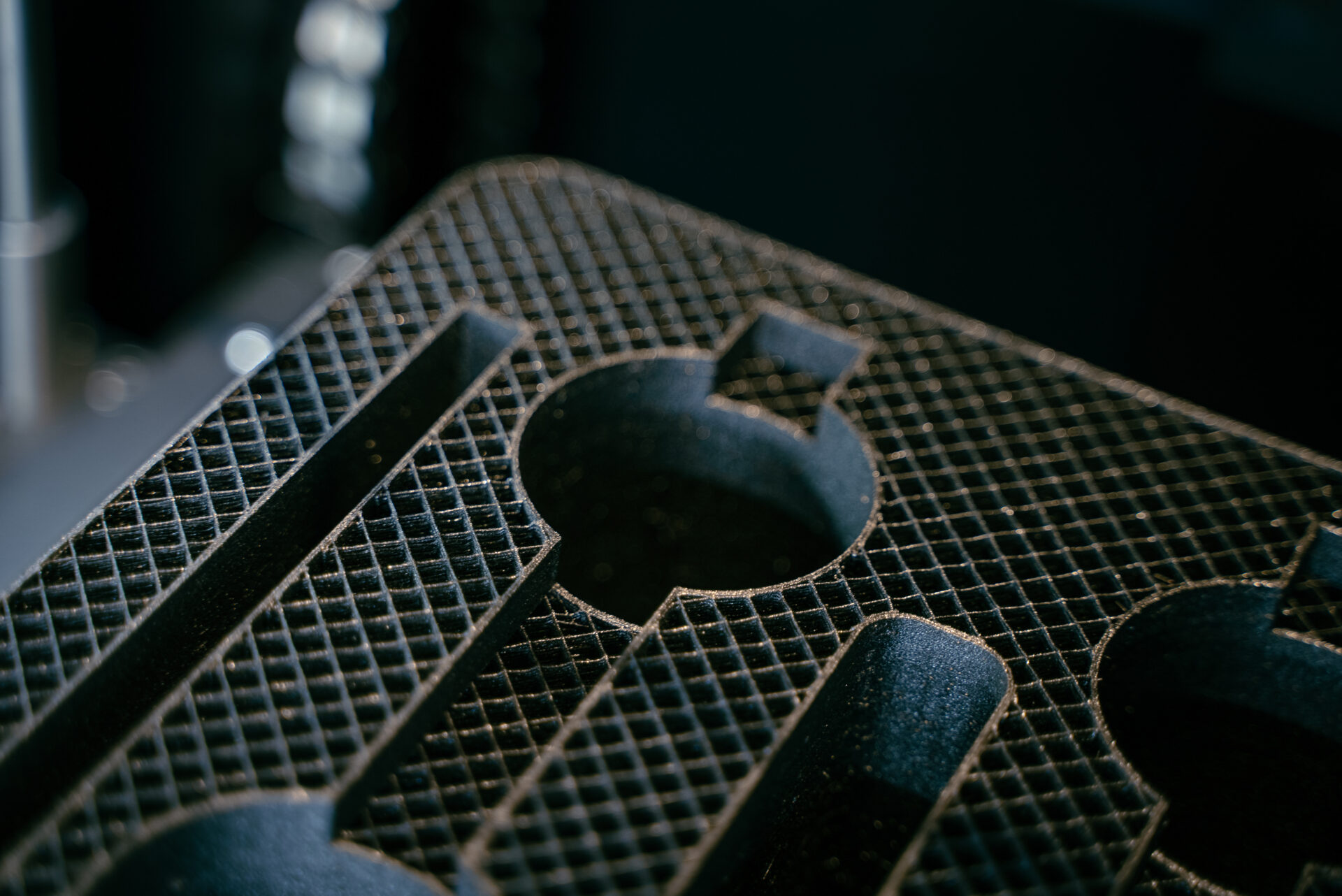
- Structural control: Layered deposition enables engineered stiffness zones and controlled flex regions
- Material efficiency: Geometry is produced directly, reducing subtractive waste
- Repeatable mechanical response: Digitally controlled deposition supports consistent stiffness curves across builds
- Scalable throughput: Multiple orthotic insoles can be produced within a single standardized workflow
- Automated manufacturing: Platforms such as Orion combine FDM process control with production automation, enabling consistent orthotics manufacturing with reduced labor dependency
Unlike thermoforming or subtractive workflows, FDM allows stiffness, flex, and reinforcement to be engineered directly into the digital model and reproduced without manual interpretation.
Manufacturing Control Supports Clinical Confidence
For modern orthotics laboratories, the advantage of 3D printed orthotics lies in stabilizing production, not changing clinical workflows. When material performance, digital design, and controlled FDM manufacturing are aligned, laboratories can scale custom orthotics production while maintaining repeatable device behaviour.
Mosaic’s approach focuses on reducing variability at the manufacturing layer so orthotic insoles are produced consistently, build after build. Through the combination of Stryde software and Orion’s automated manufacturing platform, orthotics laboratories can move beyond technician-dependent production toward a repeatable, scalable manufacturing system.
Key Takeaways: FDM Orthotics Manufacturing
- FDM enables digital control over orthotic geometry, stiffness, and material behaviour
- Repeatability depends on validated materials, standardized production parameters, and controlled file preparation
- Automation shifts orthotics production from technician-dependent processes to system-level manufacturing stability
- When properly implemented, FDM supports scalable orthotics manufacturing without compromising clinical intent
If your team is evaluating ways to improve production repeatability, throughput, or digital workflow integration, connect with sales@mosaicmanufacturing.com to discuss your application and production goals.