Overview
Functional orthotics have long relied on rigid polypropylene (PP) shells for corrective support, durability, and low-profile performance.While polypropylene remains the industry standard for many prescriptions, modern 3D printing processes enhance the production of traditional PP-style shells through advanced material formulations. These improvements deliver greater consistency, durability, and repeatability, while significantly improving lab efficiency and ease of production.
This article explores how custom PP-class orthotics are evolving, what material formulations labs trust today, and how Mosaic’s digital ecosystem is accelerating the transition to high-performance printed devices.
Why Custom Polypropylene Orthotics are Difficult to Replicate Digitally
Rigid Material Requirements for Foot Pain Relief
Traditional polypropylene offers reliable performance for managing conditions such as heel pain relief, back pain orthotics, and arch support for flat feet because of its:
- long-term durability
- good grindability
- low profile
- easy heat and grinding adjustment
The Need for Stiffness Consistency in Custom Orthotics
Clinicians depend on accurate polypropylene equivalencies when treating plantar fasciitis, knee pain from flat feet, and other biomechanical issues. They expect:
- 3mm PP equivalents
- 3.5mm PP stiffness levels
- predictable heel cup flex
The Production Shift: How 3D Printing Is Transforming Custom Functional & Dynamic Orthotics
Enhanced Designed Freedom
3D printing enables:
- Variable thickness mapping
- Tuned stiffness zones
- Reinforced arch structures
- Slimmer low-profile designs
Consistent, Repeatable Results
Digital files ensure that a functional orthotic produced today will match one made next month, something traditional heat molding cannot guarantee.This consistency is crucial when treating patients who rely on predictable control for:
- heel pain
- knee tracking issues
- chronic lower-back pain
Mosaic's Rigid Orthotic Ecosystem
ProForm: Flexible yet Supportive
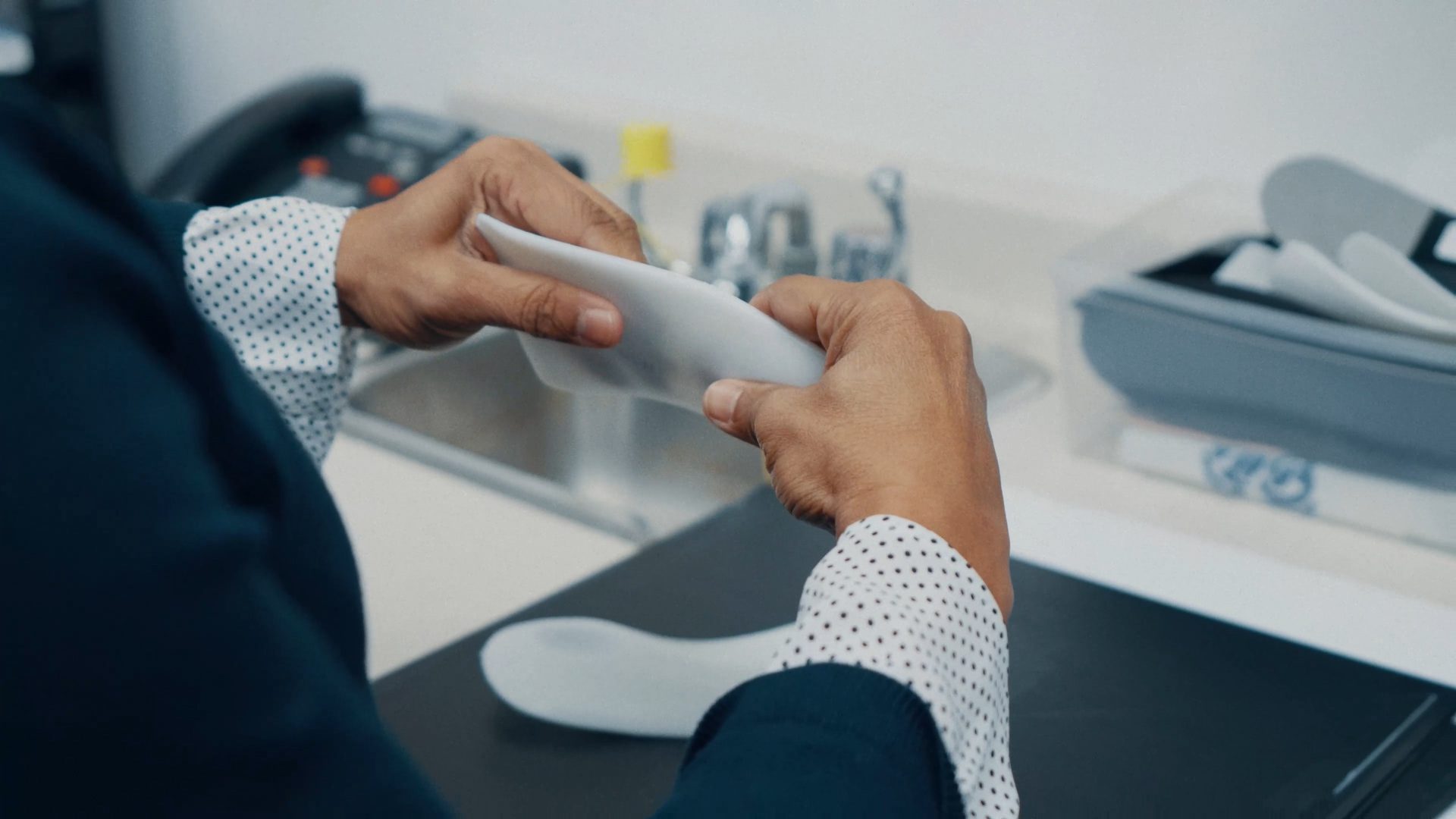
Offering an enhanced polypropylene-class shell, ProForm delivers predictable flex and a smoother, more comfortable feel underfoot. Its balance of flexibility and support makes it a strong choice for custom polypropylene orthotics, dynamic devices, and custom orthotic insoles.
Array for Scalable Rigid Shell Production
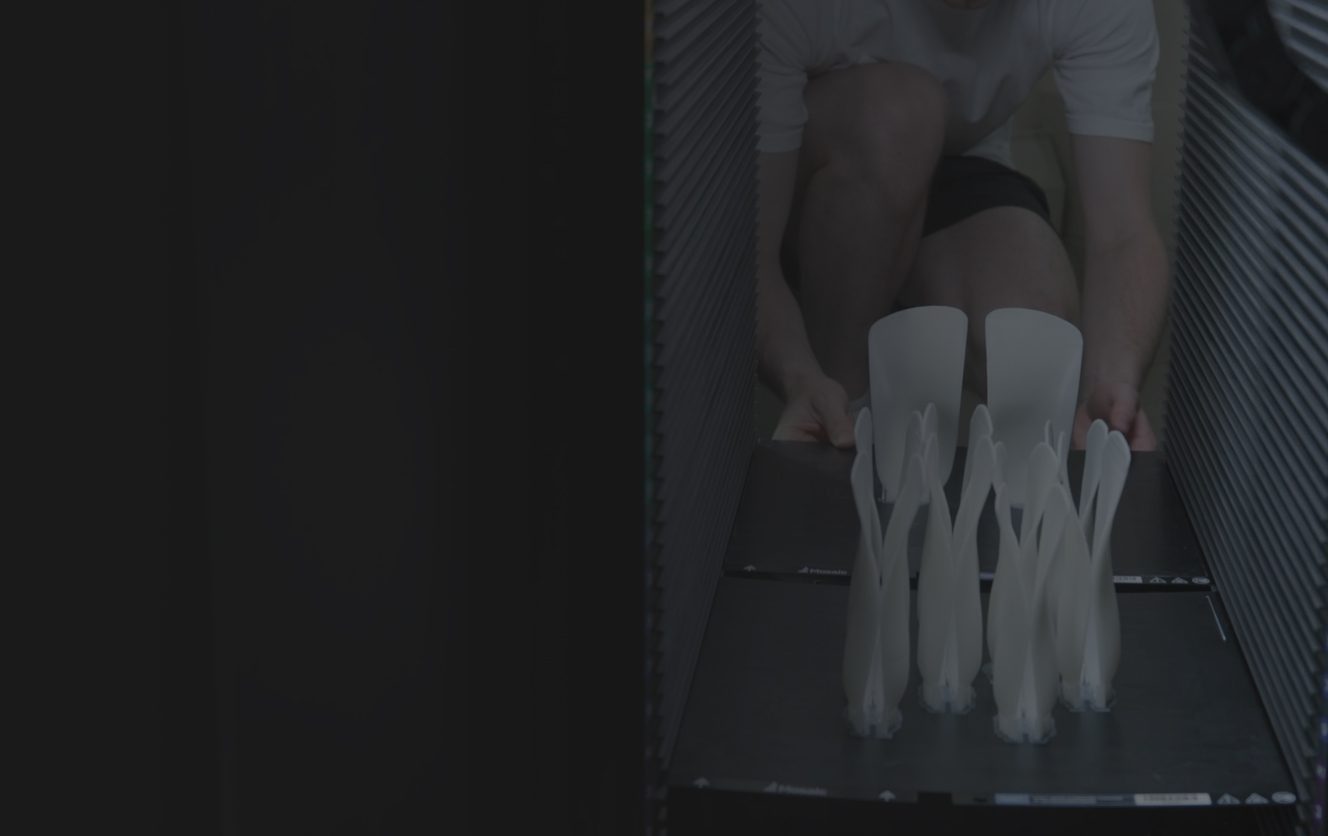
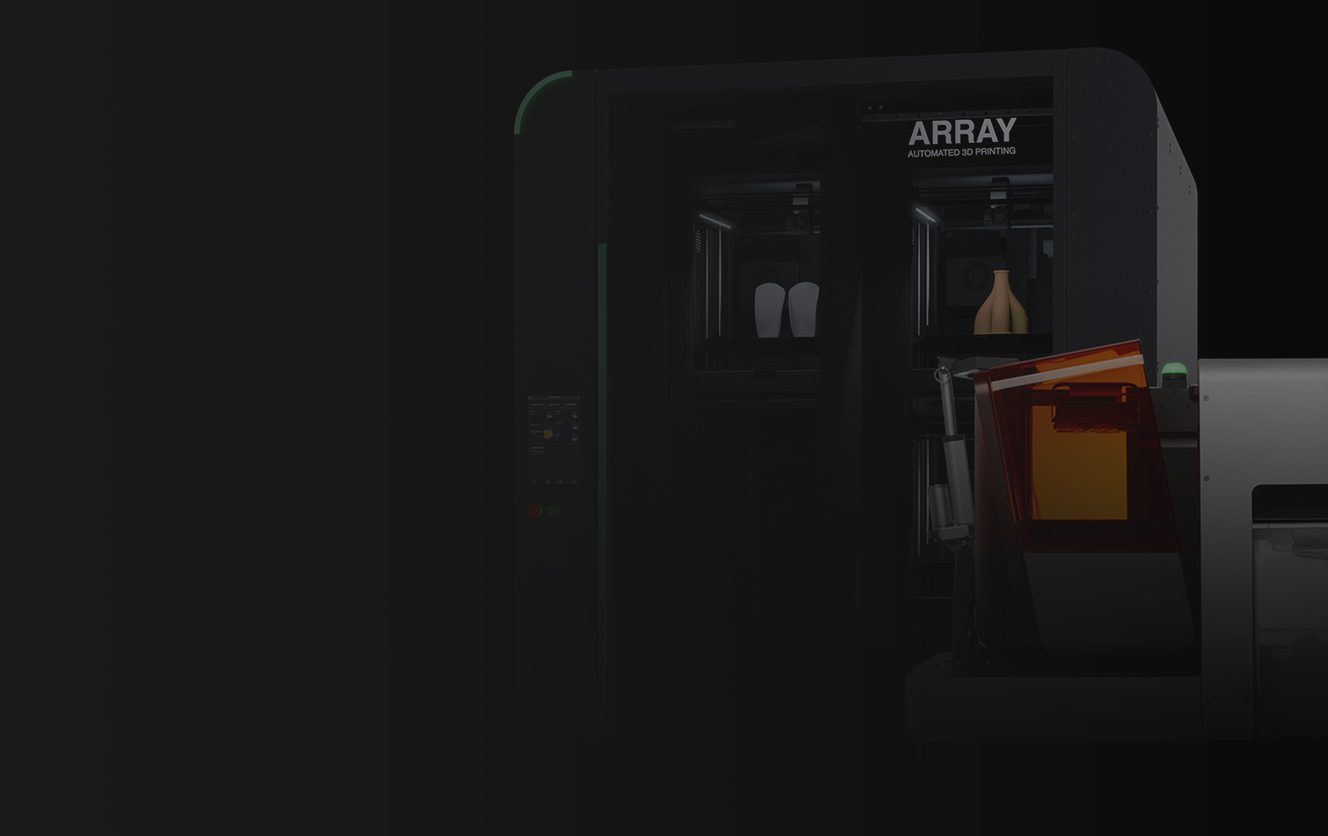
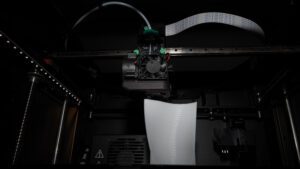
Array is Mosaic’s automated 3D printing platform designed for high-volume, additive manufacturing. For orthotic labs, it enables reliable production of rigid shells at scale, without the manual bottlenecks that slow down traditional workflows.
Array delivers high throughput, reduced labor, automated print management, and consistent quality, making it a powerful foundation for labs looking to modernize and expand rigid orthotic production.
Canvas for Accurate Modifications
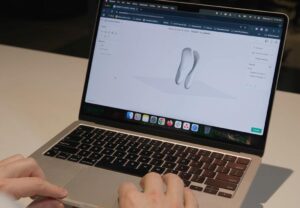
Canvas gives clinicians a streamlined, highly visual way to tailor devices to the patient’s biomechanics without the complexity of traditional CAD. Instead of navigating dense toolsets or relying on manual forming, clinicians can apply modifications digitally in a few guided steps; ensuring precision, repeatability, and full clinical intent.
With Canvas, clinicians and labs continue designing orthotics in the trusted design software they already know. Once designs are finalized, files are sent to Canvas to queue for production and manage the printer fleet from a single, centralized platform. By shifting production, monitoring, and quality control into an automated environment with AI-driven error detection and remote monitoring, Canvas reduces technician burden, standardizes outcomes, and strengthens repeatability across every orthotic produced.
 Custom Polypropylene Orthotics and Patient Outcomes
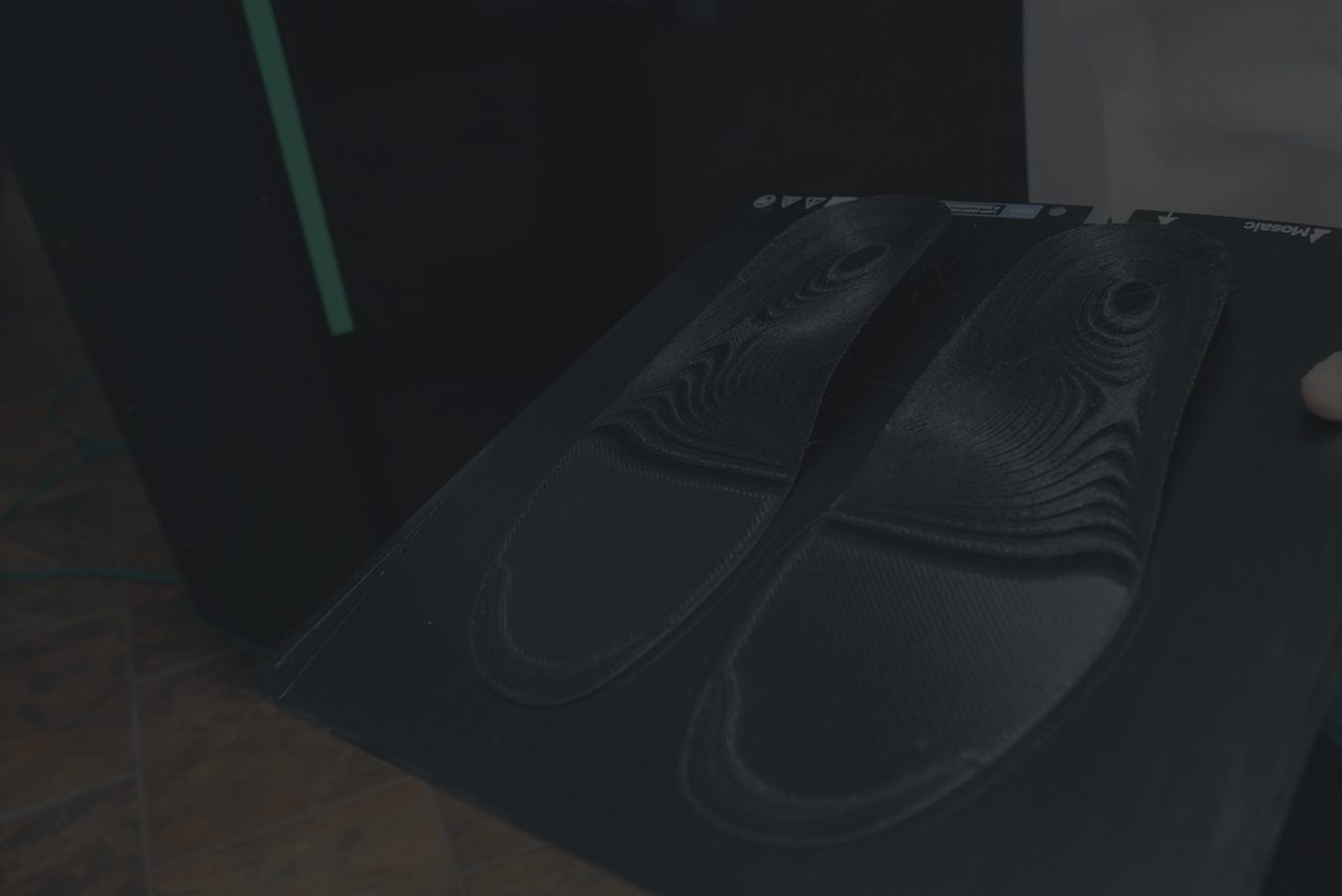
ProForm is engineered as a true custom polypropylene orthotic shell: designed to deliver controlled stability, corrective support, and long-term mechanical consistency. Its enhanced polypropylene-class construction provides the predictable flex and rebound clinicians rely on when managing pronation, alignment issues, or biomechanical inefficiencies.
As every ProForm device is digitally designed and produced through an integrated workflow, clinicians get a level of repeatability that’s difficult to achieve with traditional thermoforming. The shape, flex behavior, and corrective intent remain consistent from pair to pair, across clinicians and across locations.
For patients, this translates into better gait mechanics, improved stability, and reliable corrective performance throughout daily wear. And with faster digital turnaround times, patients receive high-quality functional devices sooner, without the variability or remakes often associated with manual manufacturing.
Cost and Workflow Benefits for Labs
Digital orthotics production removes many of the operational hurdles that limit throughput and profitability in traditional manufacturing. By eliminating blanks, moulds, milling dust, manual forming, and interactive setup, labs gain a cleaner, more efficient workflow that reduces labour while improving predictability.
Because devices are produced directly from digital designs, labs experience dramatically less material waste. Every shell is printed to its final geometry, with no trimming or shaping required. This not only lowers per-pair cost but also frees technicians to focus on higher-value finishing and patient care tasks instead of repetitive fabrication steps.
As demand grows, capacity scales seamlessly. Automated platforms like Array allow labs to increase production without hiring additional staff or expanding square footage. The result is a modernized orthotics manufacturing environment: higher margins, lower overhead, and a workflow engineered for growth rather than constrained by it.
Ready to Transform Your Custom Polypropylene Orthotics Workflow?
3D printing is redefining what’s possible in custom polypropylene orthotics and custom orthotic insoles. Mosaic empowers clinics and labs to make the transition seamlessly, offering workflow mapping, training, and ongoing optimization.
If you're ready to increase throughput, reduce costs, and deliver world-class pain relief orthotics, from plantar fasciitis orthotics to arch support for flat feet, Mosaic’s ProForm material and end-to-end digital workflow are built to help you get there. Contact our sales team to learn more sales@mosaicmanufacturing.com
Ready to scale your othotics lab?
See how Mosaic can help you produce 500+ custom insoles per month with Array