EVA-style orthotics and custom orthotics play a crucial role in treating complex or sensitive foot conditions; from diabetic ulcer management and plantar fibromas to Charcot deformities and severe pressure points.While traditional EVA and alloplast devices remain effective, new digital manufacturing methods are changing what clinics and labs can offer, especially when it comes to precision, consistency, and multi-density performance.
This article explores how modern 3D printing, as part of a full end-to-end digital workflow, enhances accommodative orthotics, what materials matter most, and how Mosaic’s digital ecosystem is enabling labs to scale high-quality soft-shell custom inserts with confidence.
Why Soft-Shell Orthotics are Clinically Challenging to Produce at Scale
Precision in Complex Accommodation
Clinicians often require highly specific accommodations in their orthotic designs, including FHL grooves, plantar fibroma depressions, under-grinding for targeted flexibility, metatarsal pad adjustments, Charcot foot accommodations, and custom undercuts for bone prominences. These precise, patient-specific features demand materials and workflows that can consistently reproduce complex geometry without collapsing, over-grinding, or losing structural integrity.
Long Turnaround Times for Soft Shell Devices
Traditional multi-density builds, especially those using traditional EVA orthotic insoles, require extensive manual work. Technicians must layer and bond multiple materials together, then perform repeated hand modifications to achieve the desired shape and function. This process is labor-intensive, inconsistent, and difficult to scale.
Post-Production Adjustability Issues
A major pain point is that met pads need to be removable. If the material exposes an infill or fails during grinding, it’s not clinically viable. The same applies to top layers, many workflows require adhesives and chemicals that are difficult and sometimes hazardous to use. When a material doesn’t bond cleanly or complicates finishing, it creates unnecessary risk and limits real-world usability.

How 3D Printing Improves Accommodative Orthotic Performance
Multi-Density Zoning (Soft Where Needed, Stable Where Essential)
One of the most clinically valuable advantages of 3D printing is multi-density control. With materials like Mosaic’s Aero, orthotics labs can produce:
- Soft zones under ulcers offloading
- Medium-density regions for forefoot control
- Firmer heel cups
- Rigid-supported midfoot area
This results in more effective diabetic foot orthotics and more precise pressure relief for vulnerable patients.
Consistent and Repeatability
Digital workflows eliminate technician variability. Every accommodative device maintains exact geometry and depth across:
- FHL grooves
- Offloading cavities
- Heel geometry
- Arch profiles
- Shell thickness
For custom orthotics, this consistency improves patient comfort and reduces the likelihood of follow-up adjustments.

Mosaic’s Ecosystem for Accommodative Orthotics
What sets Mosaic apart isn’t just software or materials, it’s the integration of automation, materials science, and end-to-end workflow control. Practitioners emphasized how critical this is compared to single-feature solutions in the market.
Aero– Mosaic’s “Advanced EVA-Style Orthotics”
Aero brings the familiarity of EVA orthotics into a modern, digital workflow, offering a cushioned, responsive feel while maintaining the durability needed for long-term daily wear. Aero features a premium elastomer formulation designed specifically for orthotic applications, not re-engineered from general-purpose materials.
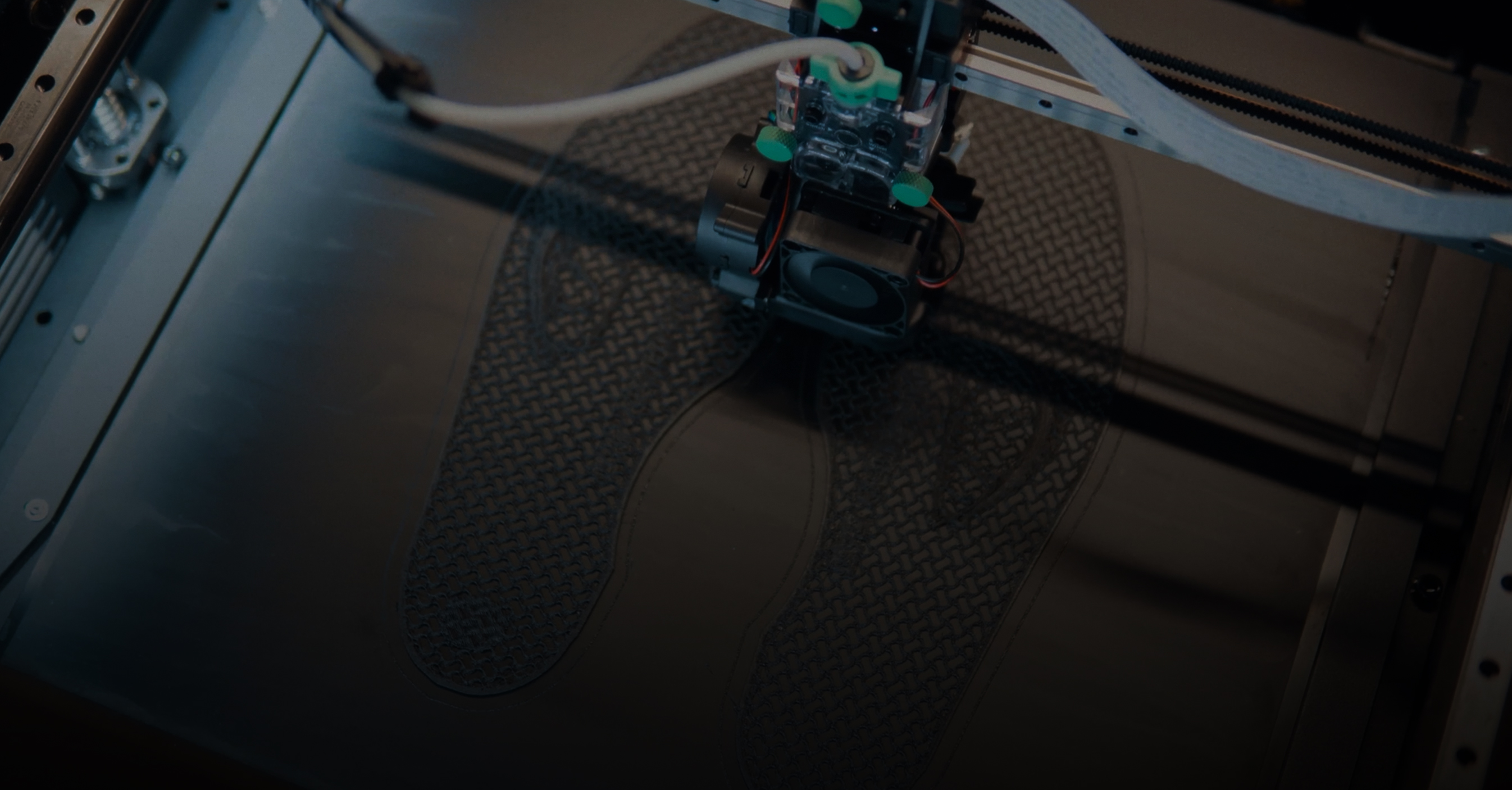
Under repetitive load, Aero orthotics maintain structure and cushioning characteristics, supporting patients who require both comfort and mechanical offloading. Its naturally soft, compressive response mimics the qualities clinicians trust in traditional EVA, but with enhanced repeatability and precision. Through temperature-controlled foaming, Aero can achieve zoned density, allowing deeper accommodations without collapse, making it a strong choice for diabetic and high-risk patient populations.
By pairing advanced material engineering with digital design automation,Aero produces accommodative devices that behave predictably and deliver a consistent patient experience across clinics and production runs.
Learn more about Aero
How 3D Printed Soft Shells Improve Patient Outcome
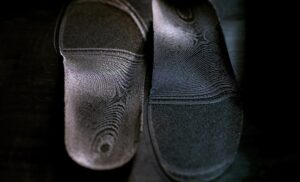
Aero elevates the clinical performance of accommodative orthotics by offering superior comfort and more precise offloading than traditional milled EVA. Because the material is printed to its final shape, rather than carved from a block, every contour, relief, and accommodation is produced exactly as designed. This leads to higher accuracy and in pressure redistribution, which is especially critical for diabetic patients and others requiring sensitive offloading zones.
Patients feel the difference immediately. Aero provides a smoother compression profile that adapts to the foot without bottoming out, helping reduce hot spots and improving overall comfort during daily activity. Faster digital turnaround times also mean patients receive relief sooner, without the need for the lengthy manual processes typical of traditional EVA fabrication.
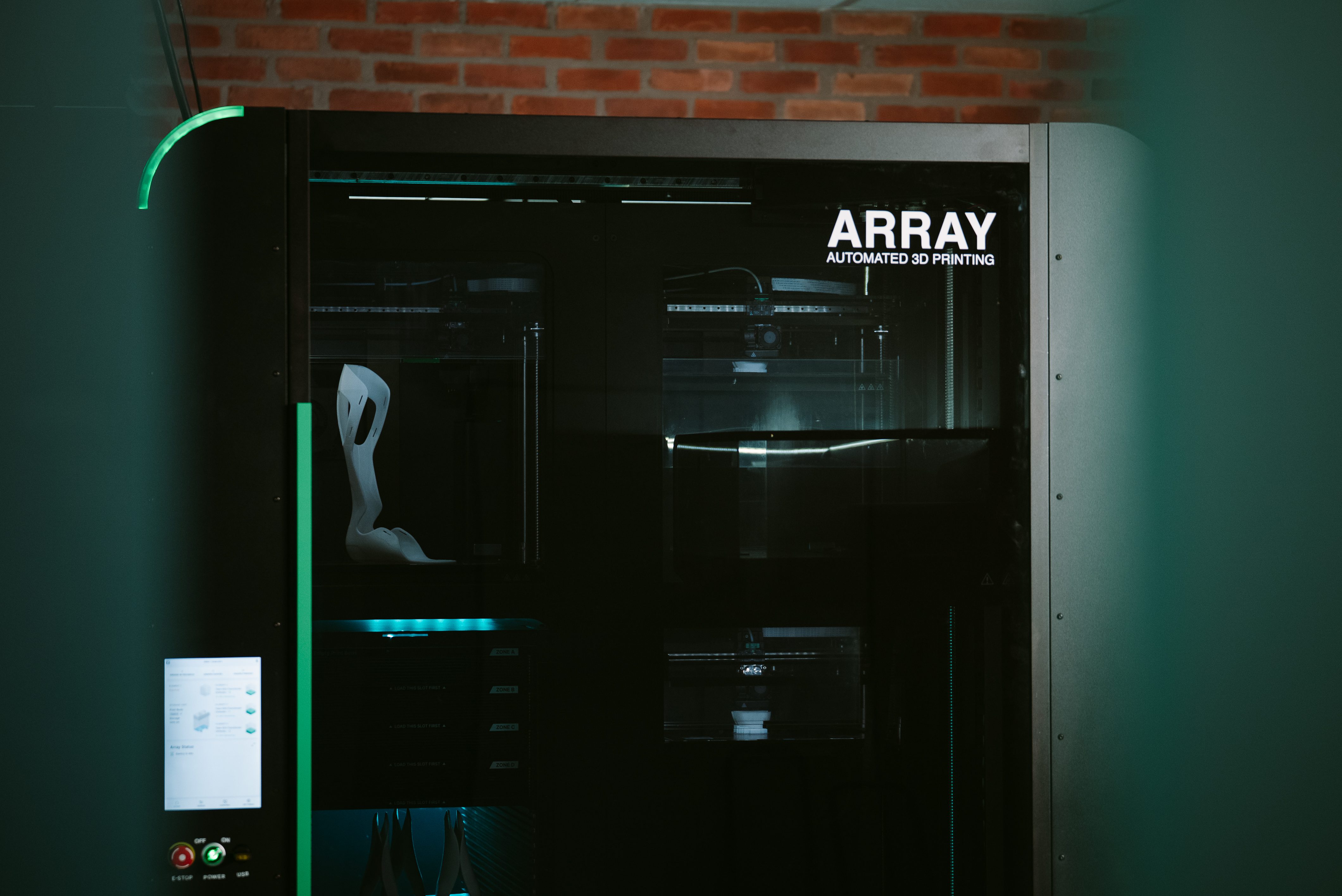
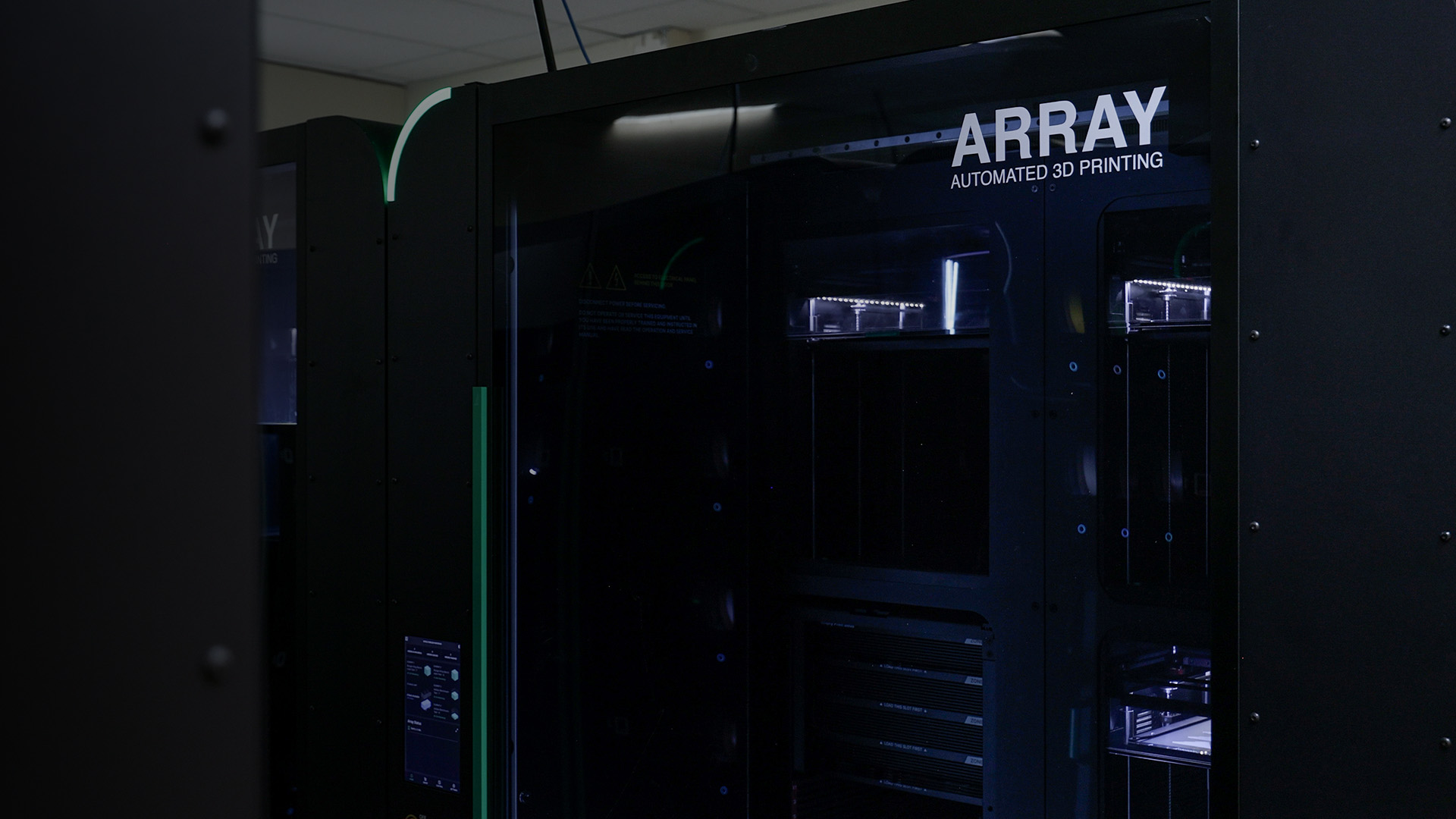
Explore the Array automated 3D printing platform
Compare 3D printed orthotics vs. traditional manufacturing in orthotics
Ready to Transform Your Accommodative Orthotics Workflow?
3D printing is reshaping what’s possible in EVA-style orthotics and custom soft orthotics. By adopting Aero and Mosaic’s automated ecosystem, labs can eliminate labour bottlenecks, reduce costs, and deliver premium-quality custom orthotics at scale.
Whether you’re exploring digital for the first time or looking to boost volume, Mosaic can help you map your workflow, identify bottlenecks, and implement a digital strategy that accelerates performance. Contact our sales team to learn more sales@mosaicmanufacturing.com