Overview
For small and mid-sized orthotics labs, 3D scanning for foot orthotics often starts as a clinical upgrade. Faster intake. Cleaner records. Digital archiving.
But very quickly, a bigger question emerges: If we scan digitally, why is production still fragile?
For labs producing 500 to 10,000 pairs per year, the real constraint is not data capture. It is capacity, labour dependency, and consistency under pressure. A 3D foot scanner improves inputs. It does not automatically stabilize output.
As documented in Mosaic’s clinical comparison of traditional and 3D printed orthotics workflows, repeatability in orthotics manufacturing is driven by standardized systems, not isolated technologies.
Why 3D Scanning Alone Does Not Increase Lab Capacity
Investing in 3D scanning for foot orthotics improves data capture, but it does not automatically increase throughput. A 3D foot scanner digitizes geometry. Platforms like Stryde Scan improve data capture by creating a consistent digital starting point for every patient, eliminating many of the limitations of foam boxes and manual casting.
However, digital scans alone do not solve production bottlenecks. Capacity increases only when scan data flows through a standardized design and manufacturing system.
What Causes Inconsistency in Custom Orthotics in Small Labs?
In small and mid-sized labs, inconsistency often comes from:
- Different technicians interpreting scans differently
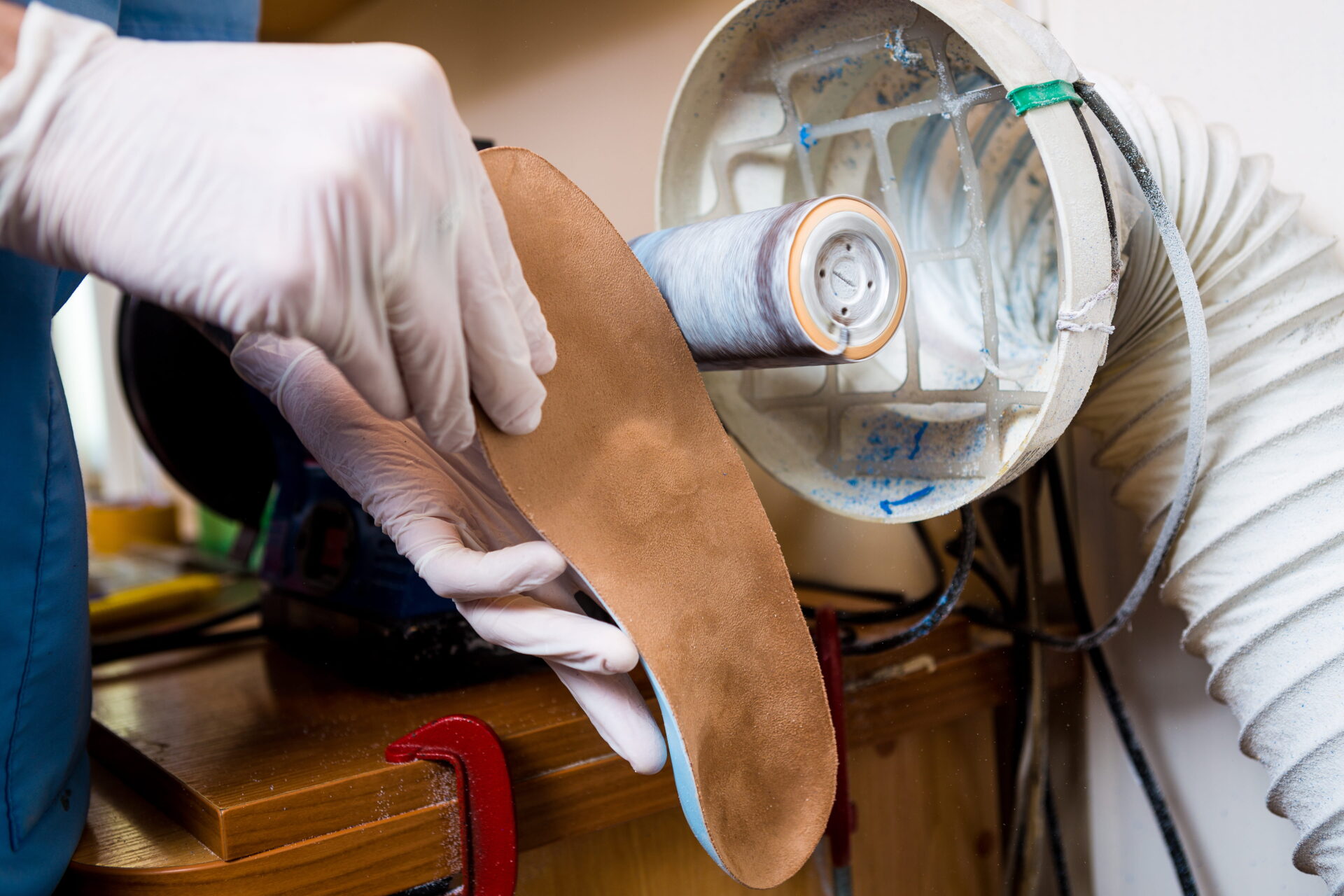
- Manual grinding varying by shift or fatigue level
- Variable wall thickness due to manual forming
- Batch pressure during peak season
When capacity is tight and technicians are rotating through physically demanding tasks, process stability erodes.
That instability shows up as:
- Minor comfort adjustments
- Increased remakes
- Delays during busy months
- Owner stepping back onto the production floor
How Do Digital Orthotics Improve Clinical Repeatability?
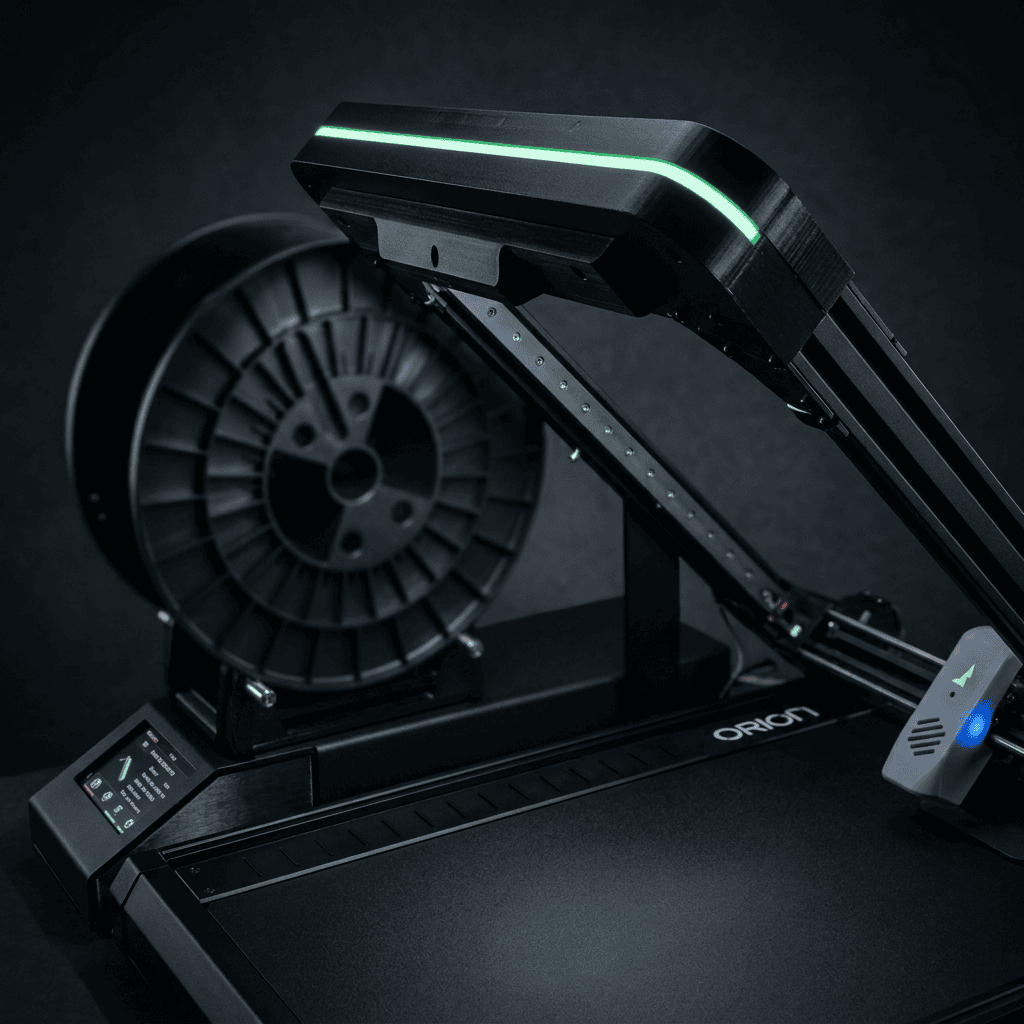
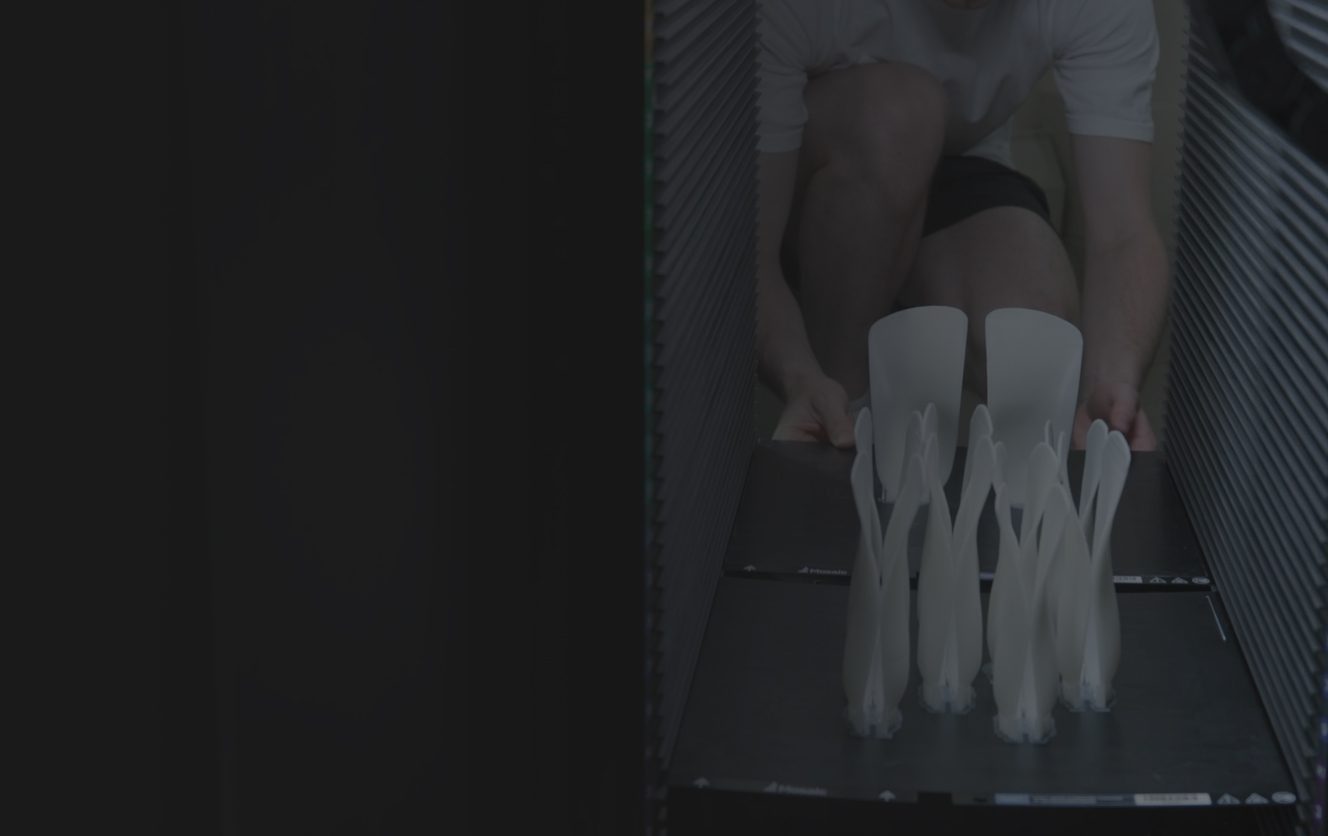
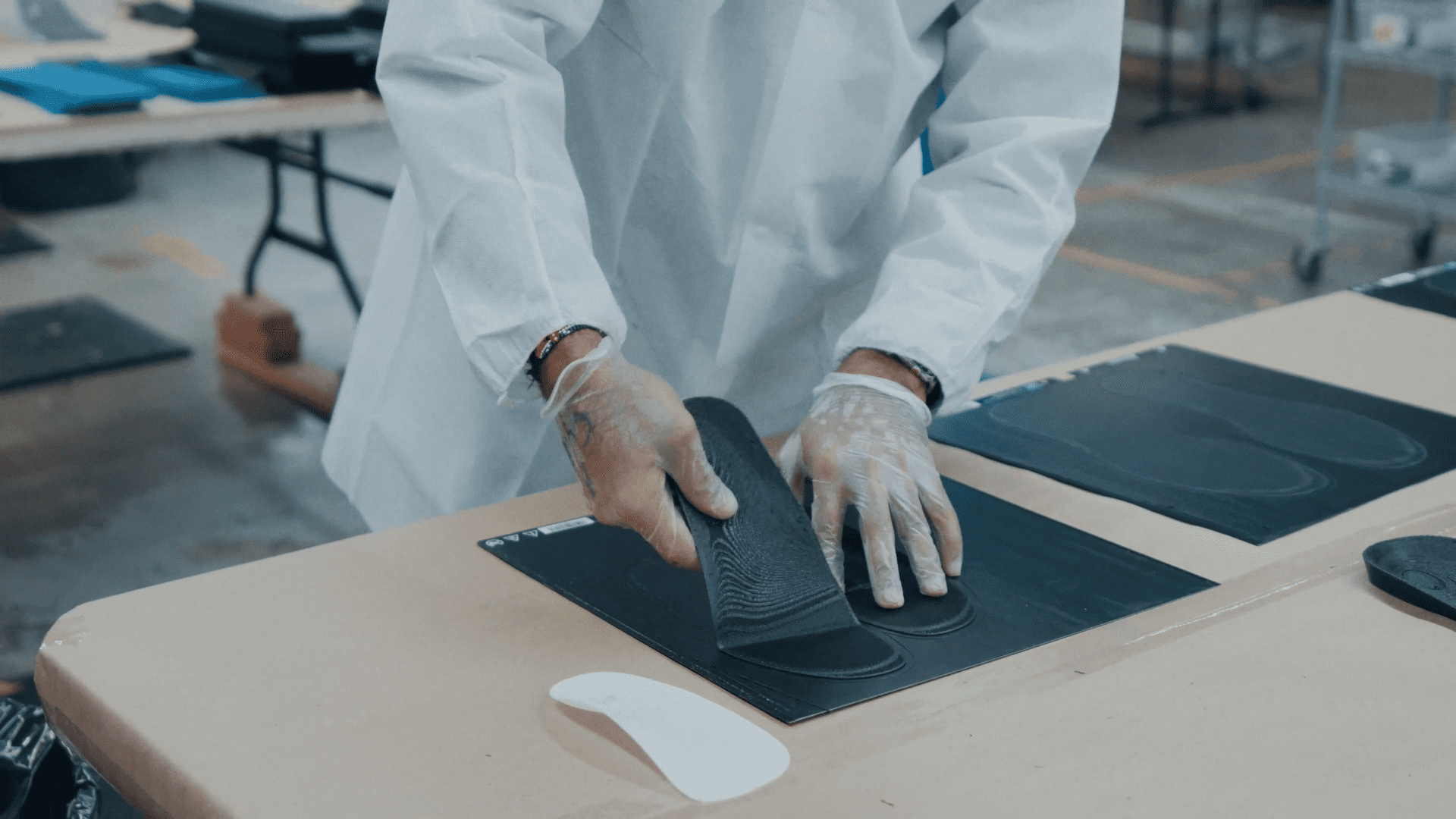
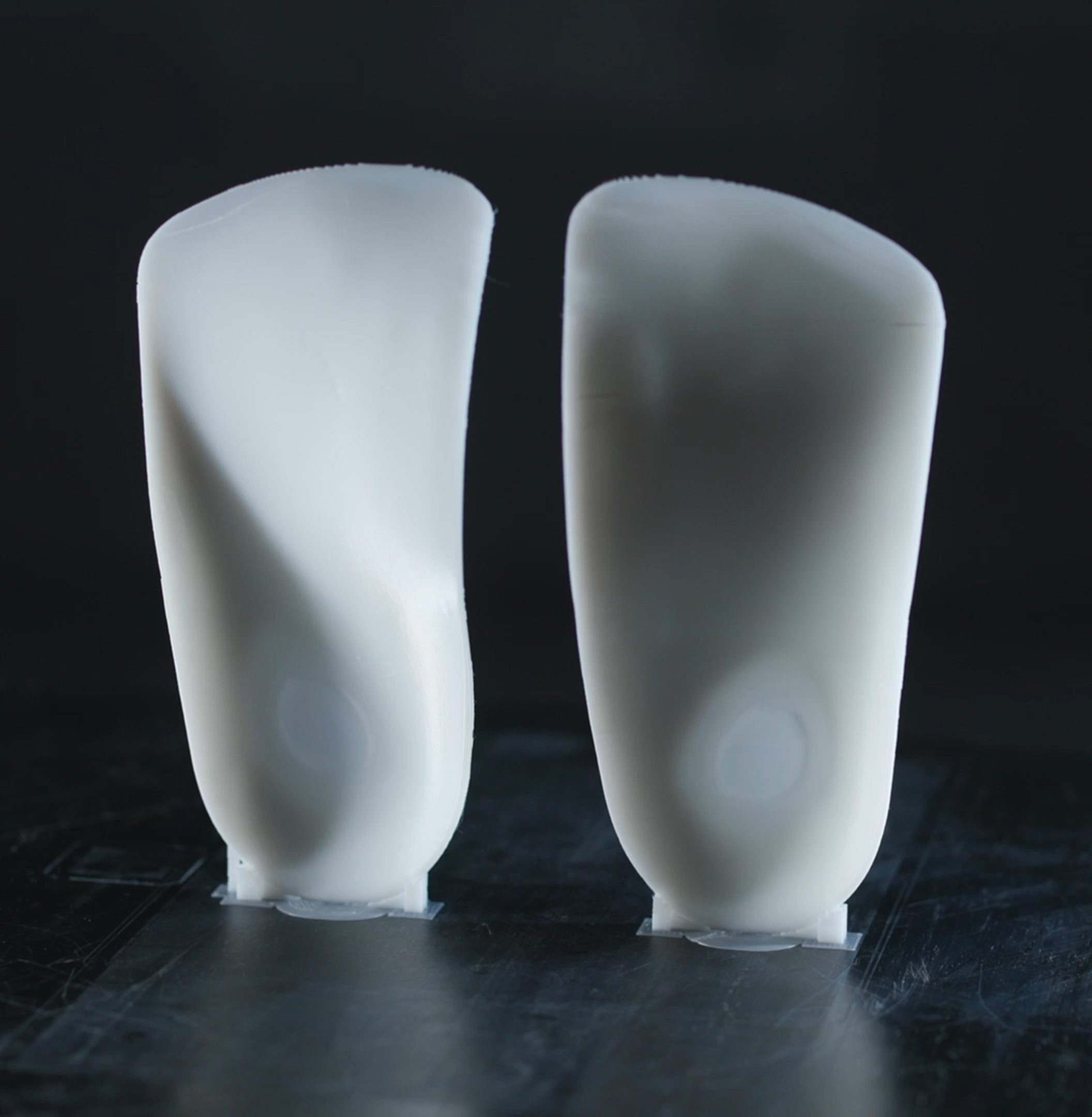
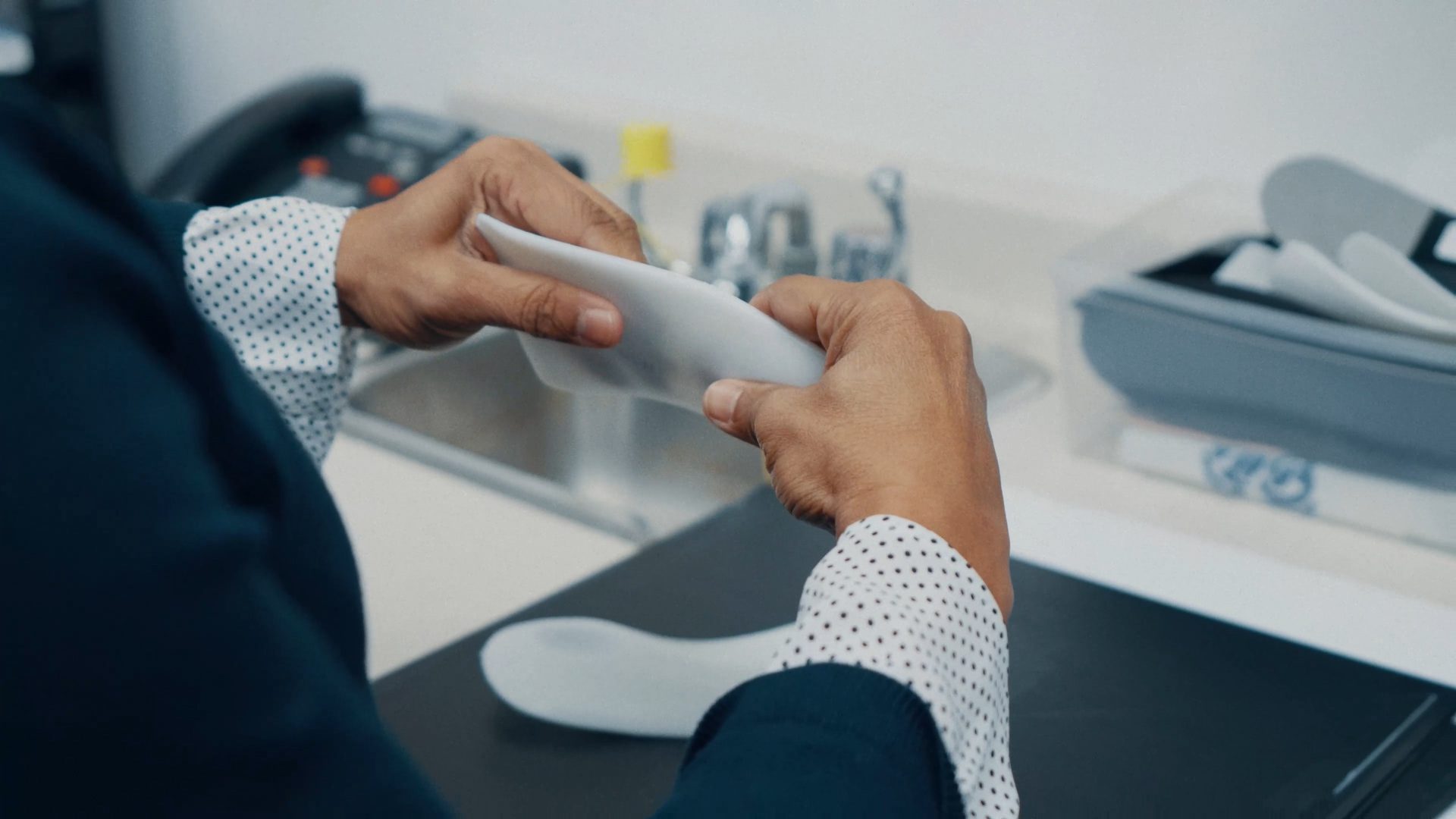
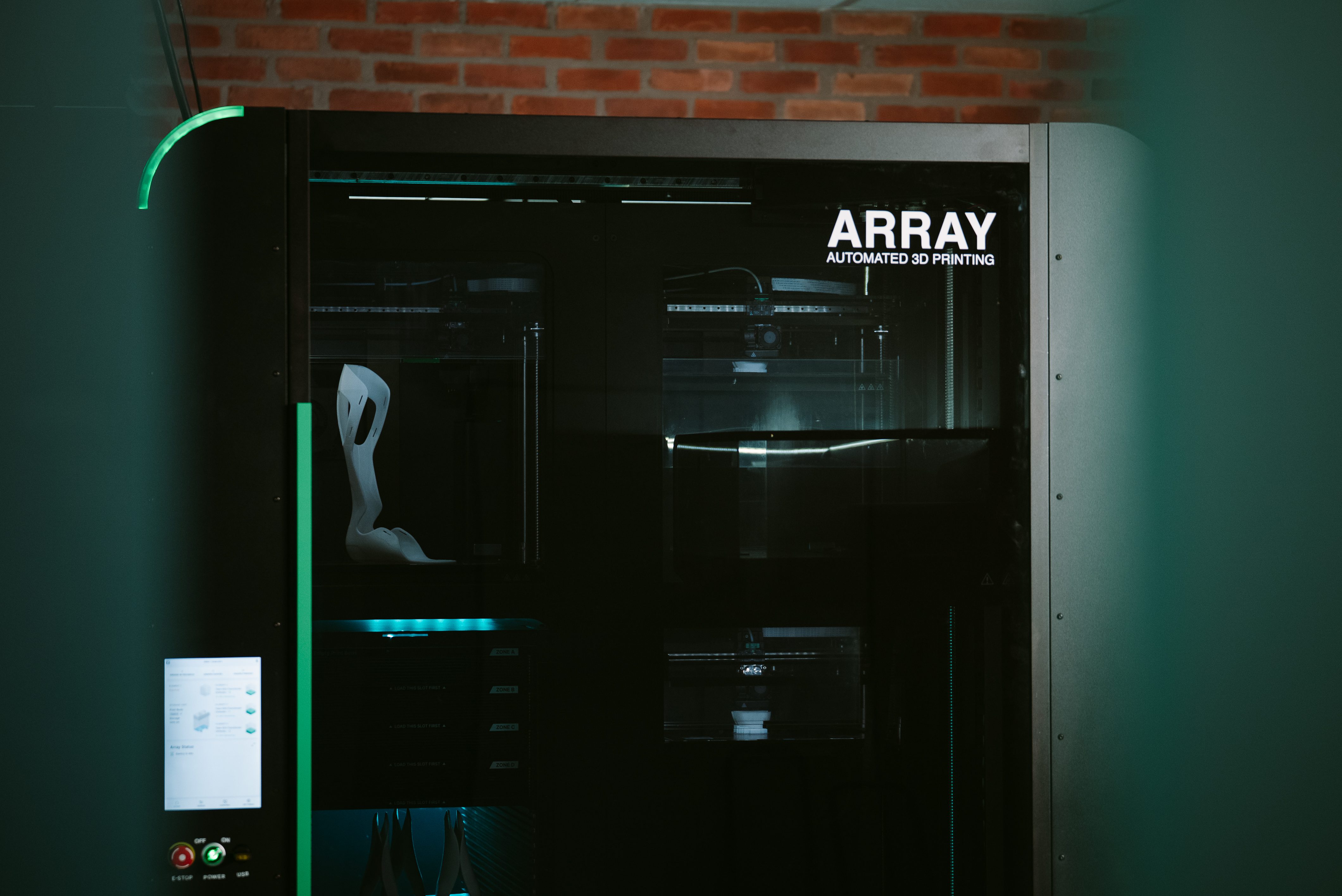
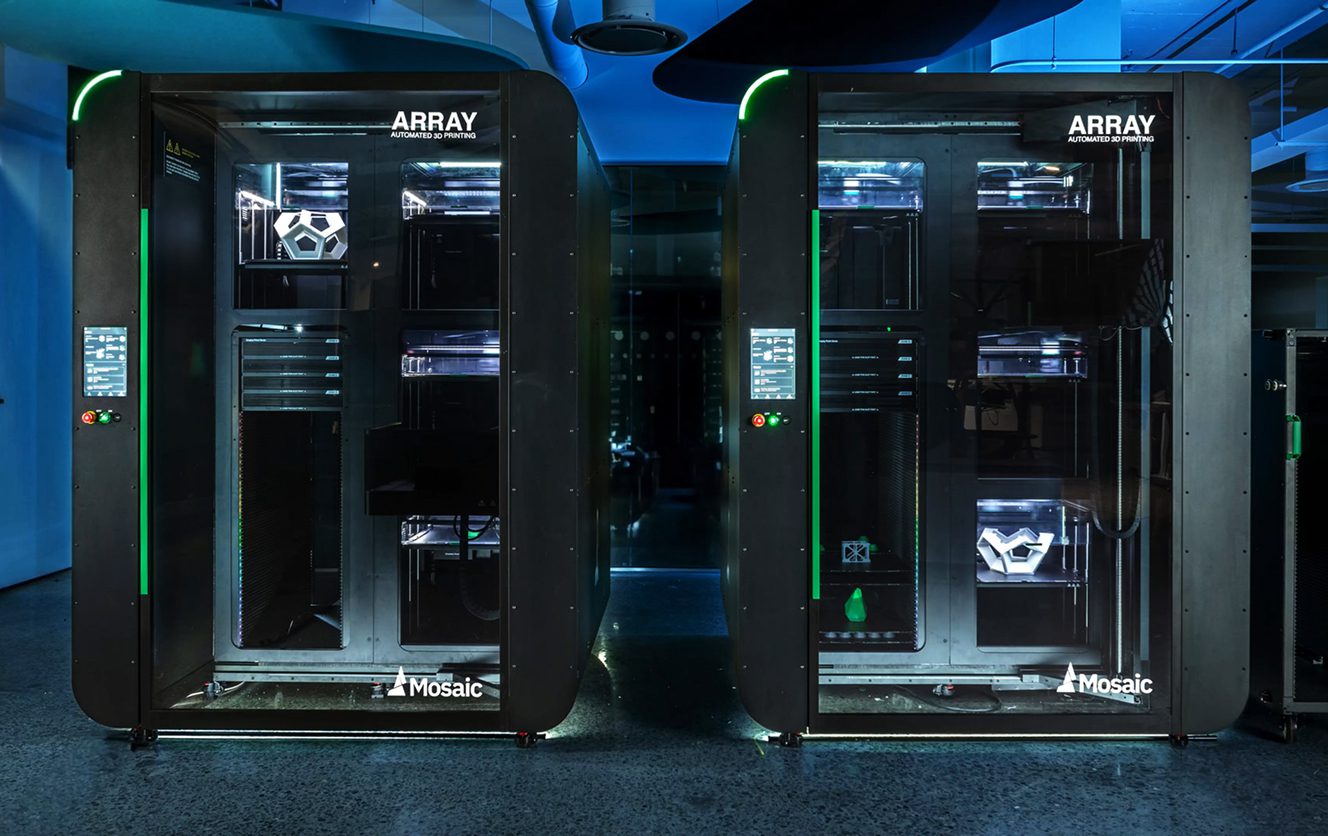
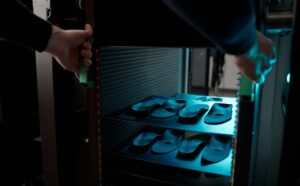
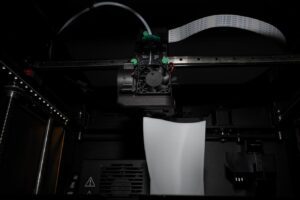
Digital orthotics improve clinical repeatability by replacing technician-dependent interpretation with standardized, digitally controlled production. Within the Stryde ecosystem, patient scans captured through Stryde Scan move into Stryde Design, where prescription intent is translated into patient-specific orthotic geometry. Production can then be managed through Stryde Manage before devices are manufactured on Orion, creating a fully connected scan-to-print workflow that minimizes manual interpretation and preserves consistency.
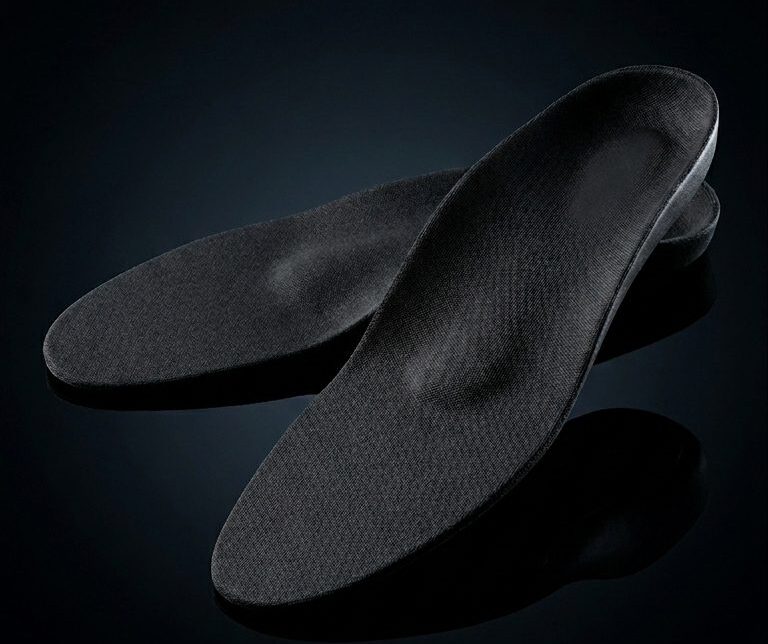
This system-level control preserves biomechanical intent, maintaining consistent arch geometry, heel containment, and stiffness under load across repeated builds. The result is predictable flex behavior, stable support zones, and consistent edge finish from pair to pair.
For small and mid-sized orthotics labs, the advantage is not simply adopting 3D printing. It is standardization. Standardized digital workflows reduce reliance on individual technicians, protect output during peak periods, and ensure that 3D scanning for foot orthotics translates into repeatable, production-ready results.
What Should Small Orthotics Labs Evaluate Before Scaling 3D Scanning for Foot Orthotics?
For small and mid-sized labs, scaling 3D foot scanning is not about choosing the most advanced 3D foot scanner. It is about ensuring that scan data translates into consistent, repeatable production outcomes.
Before investing in a new foot scanner for insoles, labs should evaluate the entire digital workflow rather than the scanner in isolation. The most valuable question is not whether a scanner captures accurate anatomy, but whether the broader system can consistently transform that anatomy into repeatable physical devices.
Solutions that combine scanning, design, production management, and manufacturing provide significantly greater operational value than standalone scanning technologies.
For labs constrained by labour, peak-season backlogs, and technician variability, the real question is not “Should we adopt 3D scanning?” It is, “Can our manufacturing system turn digital foot scans into reliable, repeatable physical devices at scale?”
Why Material Validation Matters in 3D Printed Orthotics
For small and mid-sized orthotics labs, one of the biggest concerns with 3D printing for orthotics is material behavior. Labs trust traditional materials like polypropylene and EVA because they deliver predictable cushioning, support, and flex.
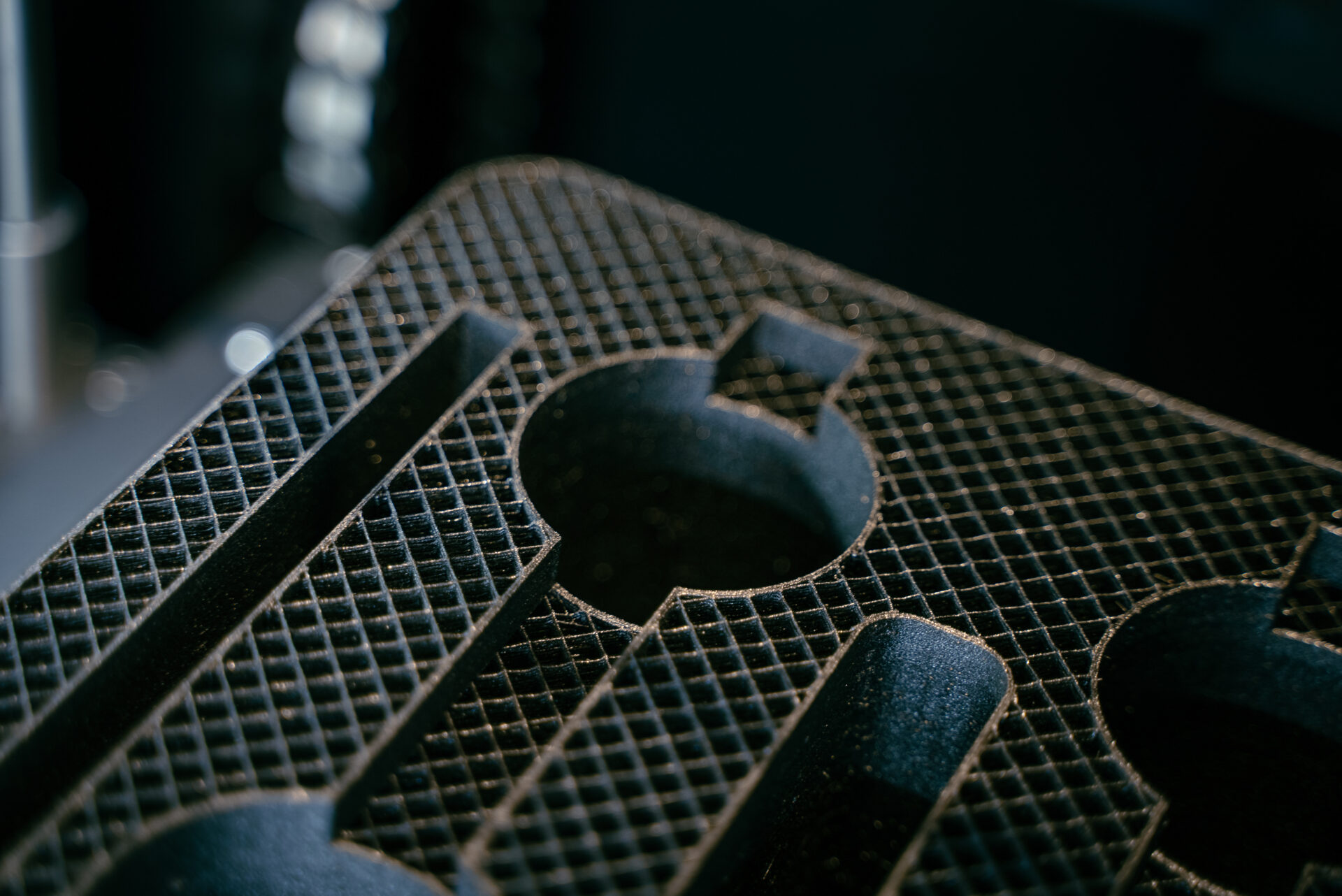
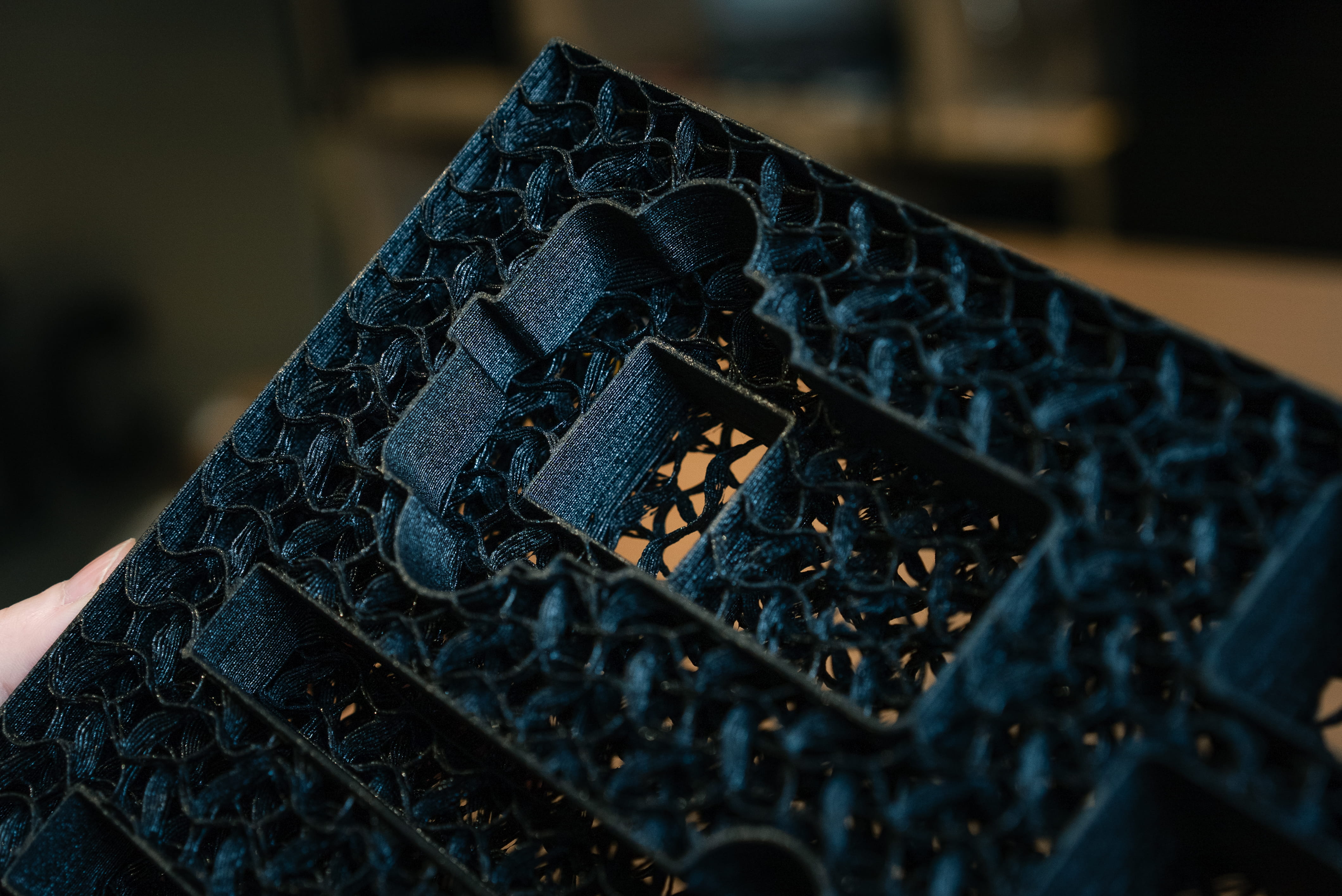
Digitally engineered materials from Mosaic Manufacturing, such as Aero, replicate the compression and comfort characteristics of EVA-style insoles while maintaining consistent performance when printed within defined wall thicknesses. Similarly, Form is designed to provide controlled stiffness under load, reflecting the reliability of polypropylene-class orthotics.
But material equivalency alone isn’t enough. Consistent, repeatable results require materials to operate within digitally controlled geometric rules, stable production parameters, and traceable scan-to-print workflows. When these elements work together, 3D foot scanners and digital orthotics platforms deliver reliable, production-ready insoles, not experimental prototypes.
Ready to Turn 3D Foot Scans Into Repeatable Orthotics Production?
If your lab is exploring 3D scanning for foot orthotics but still facing capacity, consistency, or labour constraints, it may be time to evaluate the entire scan-to-print workflow.
Mosaic’s Stryde ecosystem combines digital scanning, orthotic design, production management, validated materials, and Orion manufacturing automation into a single workflow designed for repeatable orthotics production at scale.
To discuss how Mosaic Manufacturing supports small and mid-sized orthotics labs in transitioning from labour-heavy workflows to standardized digital production, contact our team at sales@mosaicmanufacturing.com.