
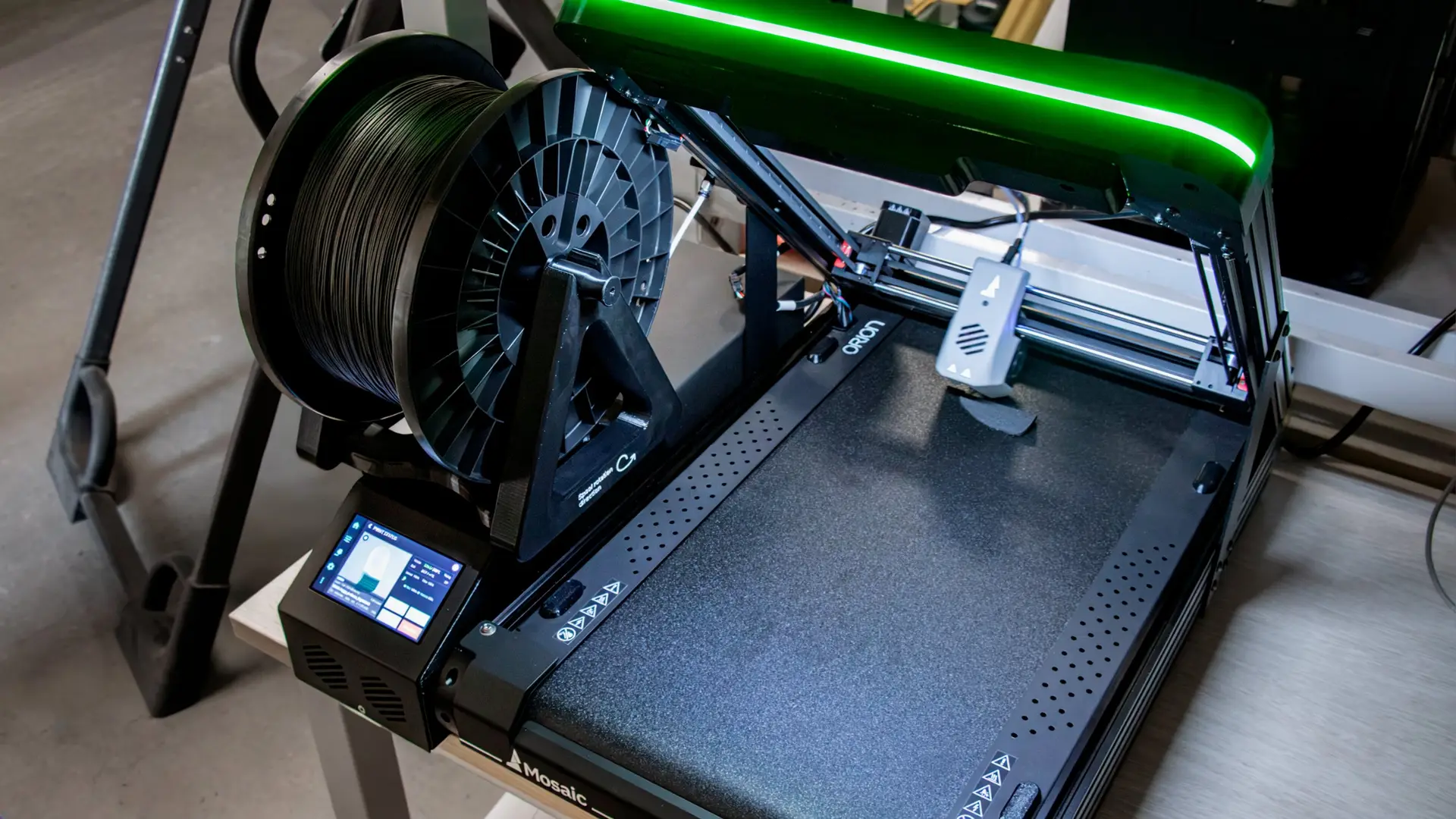
Why OrionBetter economics. Less complexity.
Make more margin on every pair
Lower upfront equipment costs and less material waste.
Grow output, not your team
Seamlessly add printers as demand grows, with effortless job queuing across your entire fleet.
Patient-ready from day one
Skip the trial and error. We provide validated print profiles, SOPs and hands-on onboarding, and test every device rigorously, so you can focus on patients.
*Production figures depend on material, utilization and operating assumptions.
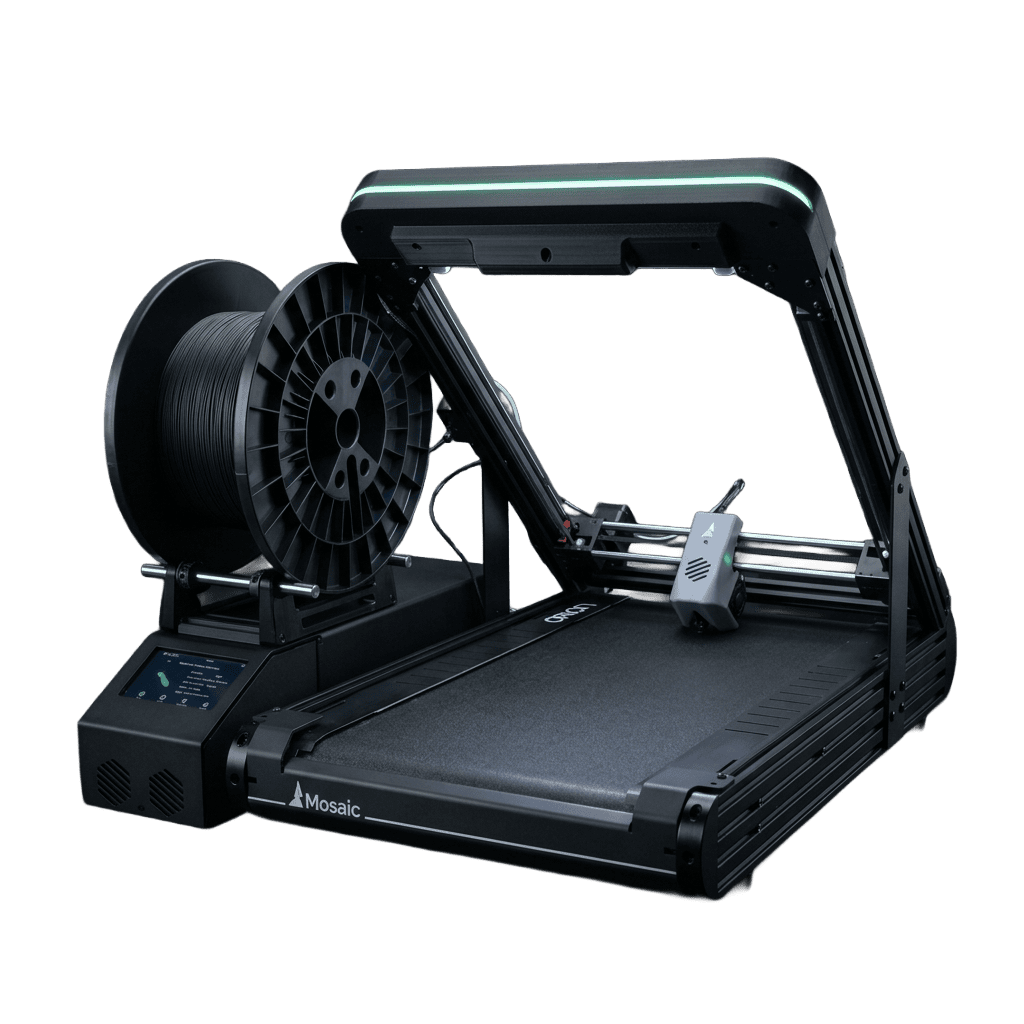
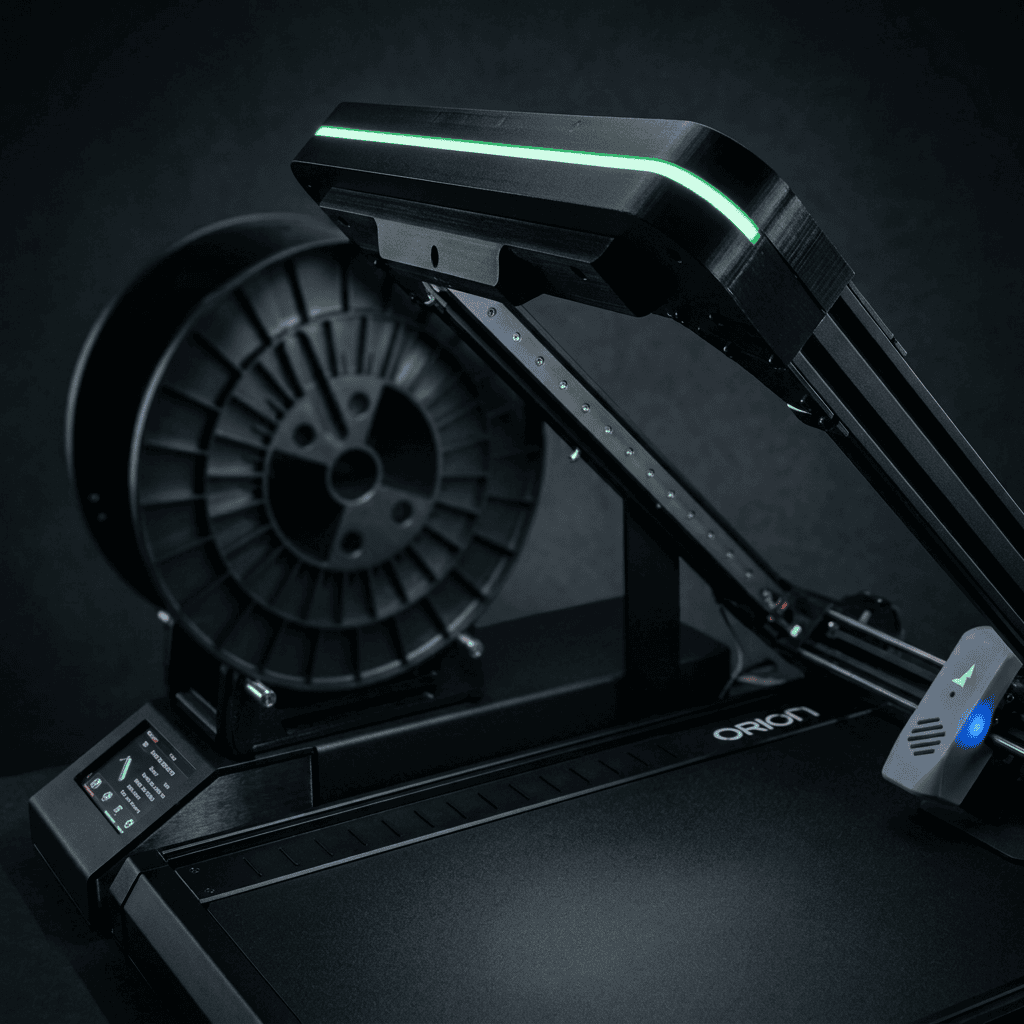
The heart of the solutionOrion: purpose-built 3D printer for orthotics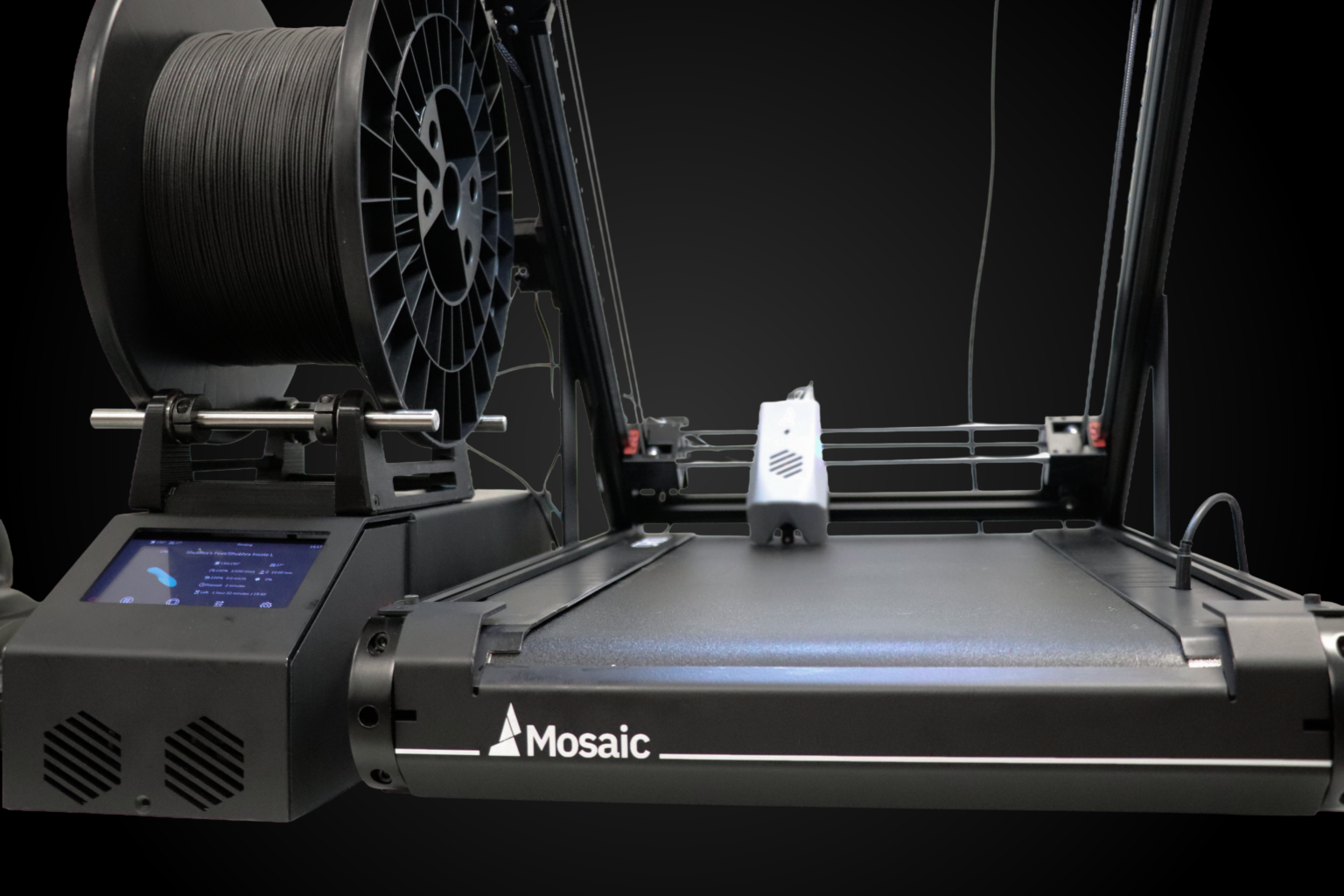 True overnight fabrication.
01 /Plug, print, zero disruption
No 3-phase power, extraction hoods or loud compressors. It operates cleanly and quietly right out of the box.
02 /Continuous automated ejection
Run your production over weekends and holidays without technician overtime.
03 /Repeatable by design
Zero manual variance. Digital production ensures your 100th pair matches the first, down to the millimetre.
Material flexibilityTwo materials. More clinical possibilities.
From soft accommodative to rigid functional devices, all produced on Orion.
01 / Soft-shell orthotics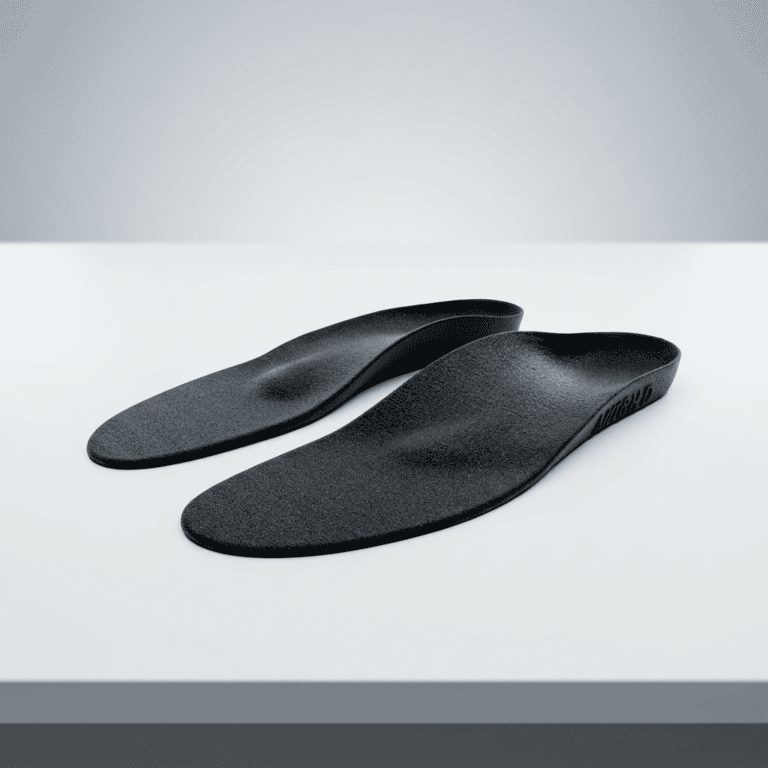
Aero (TPU)
Soft and multi-density
Best for
Diabetic accommodation, arthritis and high-impact sports.
02 / Rigid-shell orthotics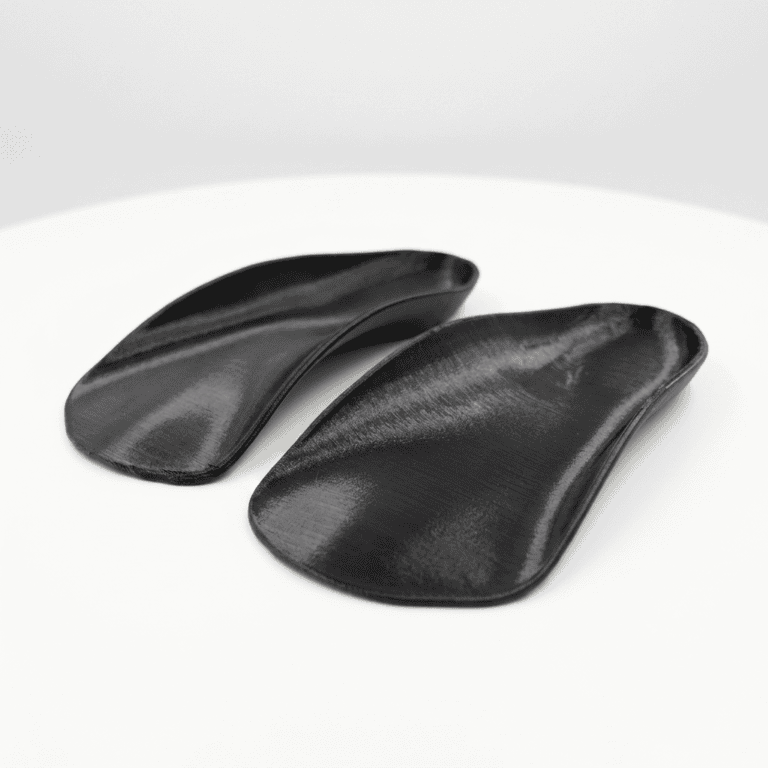
Align (Nylon)
Rigid and responsive
Best for
Strong correction and thin dress-shoe orthotics.

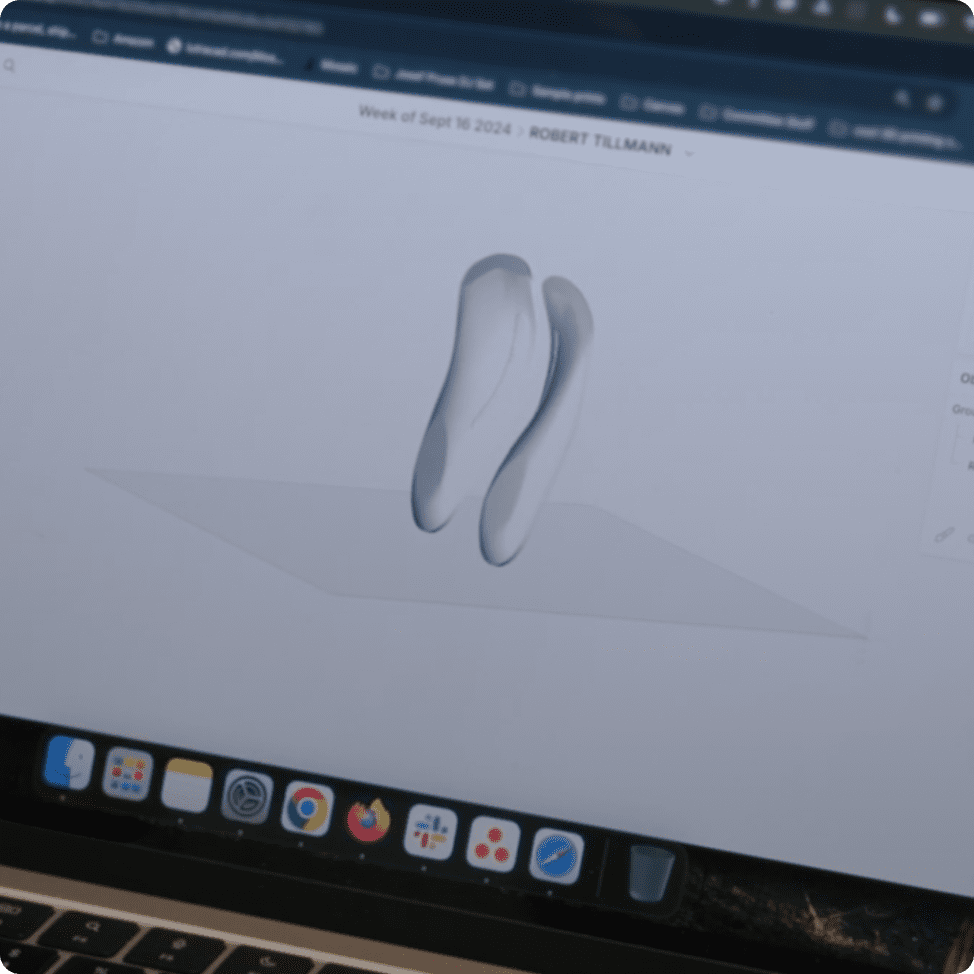
Stryde Software SuiteSimple at every step. Open where you need it.Scan, design and print with Stryde. One seamless, beginner-friendly workflow from foot scanning to finished orthotics.
Explore Stryde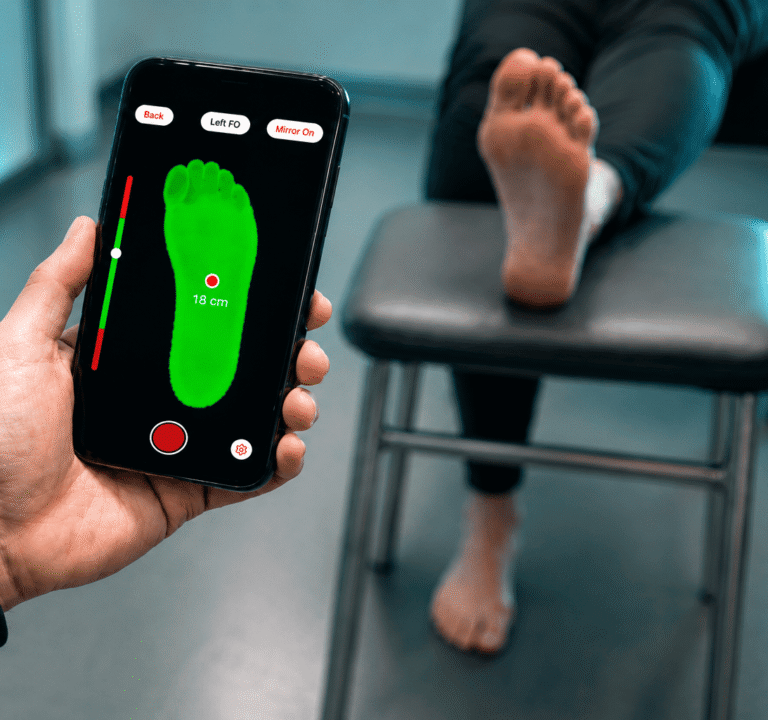
Capture accurate 3D foot scans with an easy-to-use Apple-based app.
Or bring your own scanner
Learn more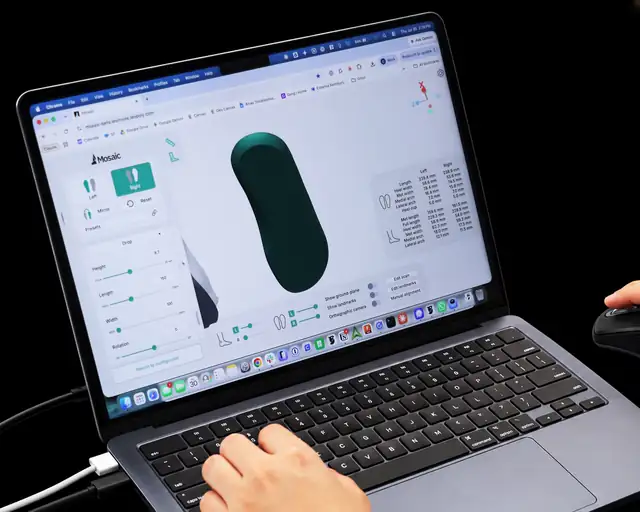
Professional orthotic design software with seamless integration into Stryde Print.
Or bring your own design software
Learn more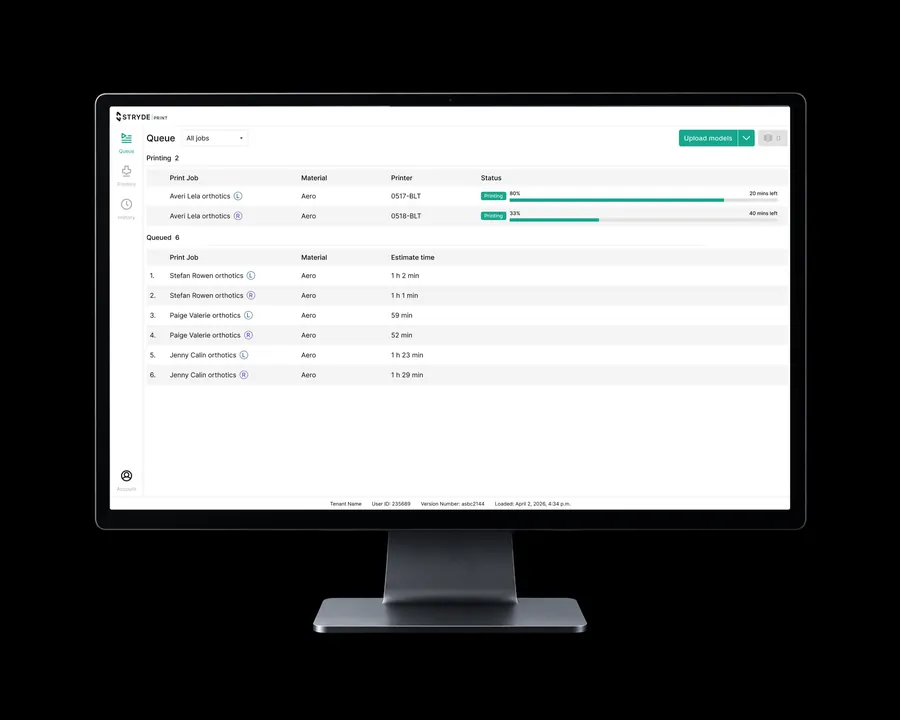
Produce orthotics around the clock with continuous printing and automatic ejection.
Works with your existing workflow
Learn more

“You set your printer up for that day’s work, leave on a Friday and off you go. You come back on a Monday and all that work’s done.”
“My throughput, my output, my capacity has increased tremendously, and the quality of the product is incredible.”
Get startedSee what Orion can do for your workflow
How Orion compares
A practical look at hardware investment, facilities and ongoing production.
| Orion | Traditional CNC milling | Industrial SLS / powder | |
|---|---|---|---|
| Upfront investment | A fraction of the alternatives | $45,000 to $90,000+ | $60,000+ |
| Facility requirements | Standard power, clean benchtop setup | Heavy dust collection, 3-phase power | Containment, ventilation, depowdering station |
| Material waste | Near-zero raw material waste | 70% to 85% scrap per foam block | Powder refresh ratios (20% to 50% waste) |
| Maintenance and wear | Low (modular nozzles and belt surfaces) | High (spindles, milling bits, dust seals) | High (lasers, optics, thermal heaters) |
| Payback period | Under 6 months** | 18 to 36 months | 12 to 36 months, depending on volume |
Ranges are typical for comparable systems and vary by vendor and configuration. **Payback assumes about 50 pairs per month.
Automated, clinical-grade production at a fraction of the cost of six-figure central fabrication systems.
What you get
Arrives pre-calibrated, with ready-to-use material profiles, onboarding and SOPs.
How it works
- Talk to our teamA short call about your workflow, volumes and devices, and pricing for your lab.
- See it on your patientsWe print sample pairs from your own patient files so you can check fit, finish and material performance.
- Deploy and scaleOrion arrives ready to produce. Add printers as your volume grows.
Talk to our team
Tell us about your workflow and we’ll be in touch to set up a call.
FAQQuestions labs ask
Orion costs a fraction of a CNC mill or an industrial printing system, and material cost per pair can be as low as $6 USD, depending on the device design, material and utilization. Book a 15-minute chat and we’ll walk you through pricing for your lab.
Around 300 pairs per month per printer, running unattended overnight and on weekends with automatic ejection. Labs add printers as volume grows, and Stryde Print queues jobs across the whole fleet.
Aero for soft, accommodative devices, and Align for rigid devices. Both are cytotoxicity tested to ISO 10993-5 for skin safety.
Yes. Any scanner that exports an STL or OBJ file works with Stryde Design, and any design software that exports STL or OBJ works with Stryde Print, which sends the job to Orion. Or use Stryde Scan and Stryde Design for one connected workflow from scan to print.
Yes. Aero grinds and glues like traditional EVA, so your technicians can make adjustments with the tools they already use.
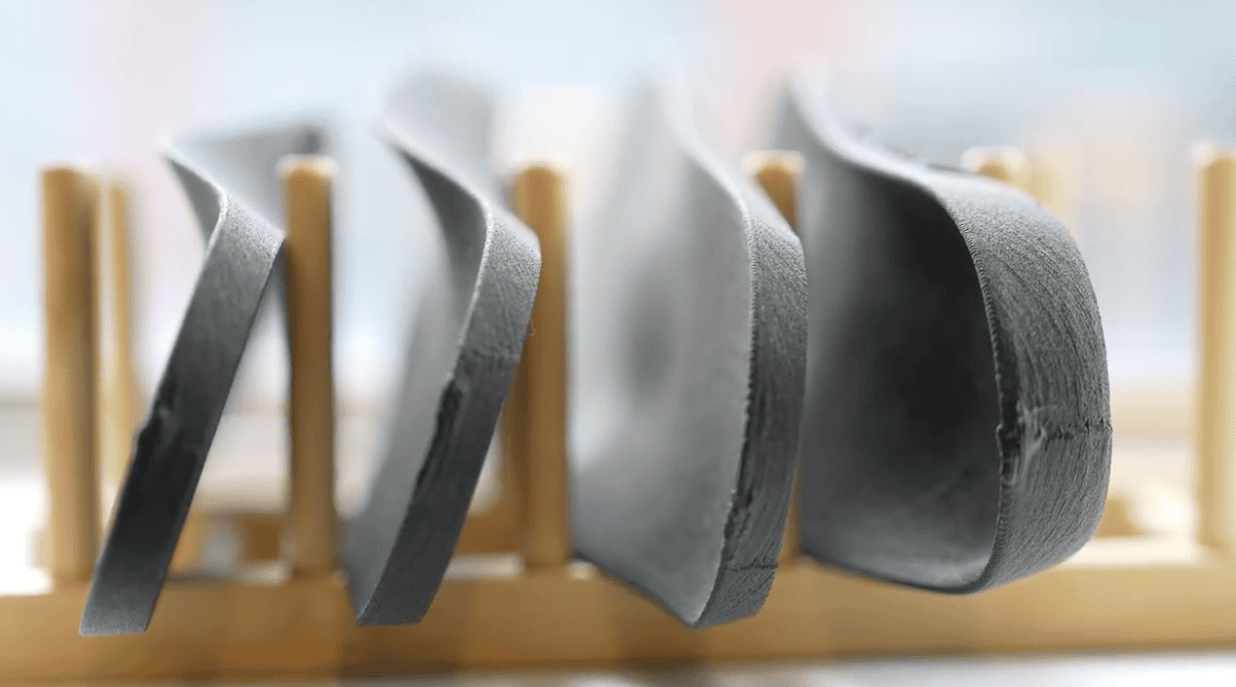
Align is a rigid, responsive material with high durability and rebound, designed for strong correction and thin dress-shoe orthotics. Rather than copying polypropylene, it uses 3D printing to give you design freedom that milled shells can’t.
Align devices are fatigue tested to over 3 million cycles.
Orion plugs into standard power. It needs no 3-phase power, extraction hoods or loud compressors, and runs cleanly and quietly.
You’re not on your own. We develop the print profiles, best known methods and standard operating procedures, validate every material and test devices rigorously before you print them. Our team onboards you hands-on and stays available after, so your technicians don’t have to experiment to get it right.
Usually under a week. Orion arrives pre-calibrated with ready-to-use material profiles, and our team provides hands-on guidance through your first devices.
Not sure if Orion is right for your lab?
Let’s find out in 15 minutes. Talk through your workflow, production needs and questions with our team.