
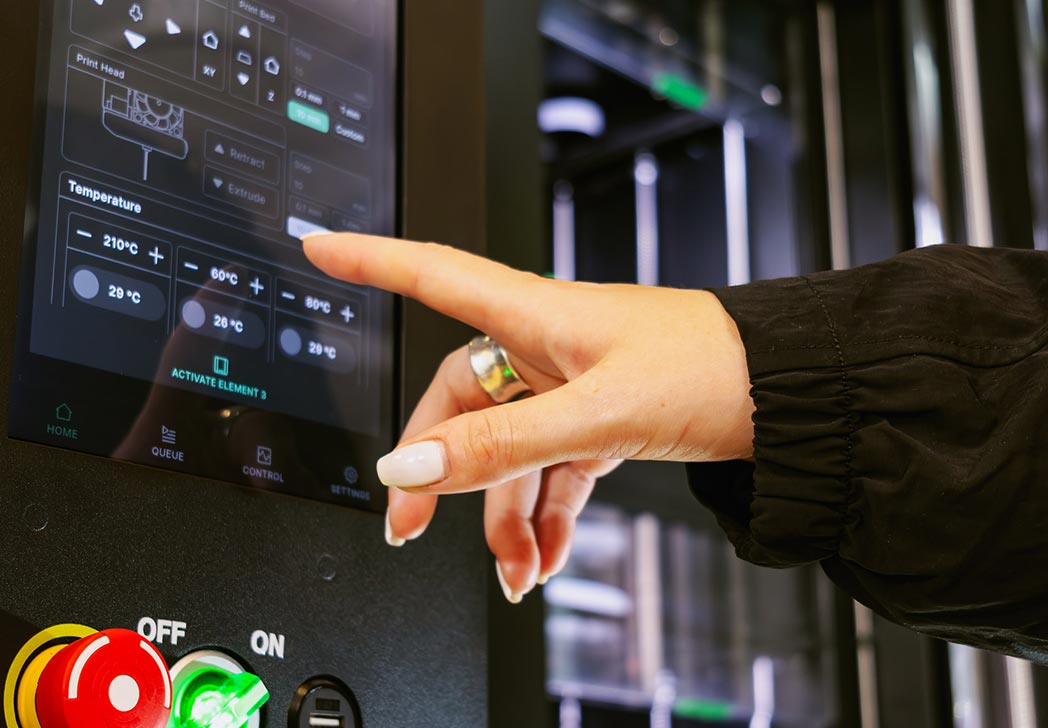
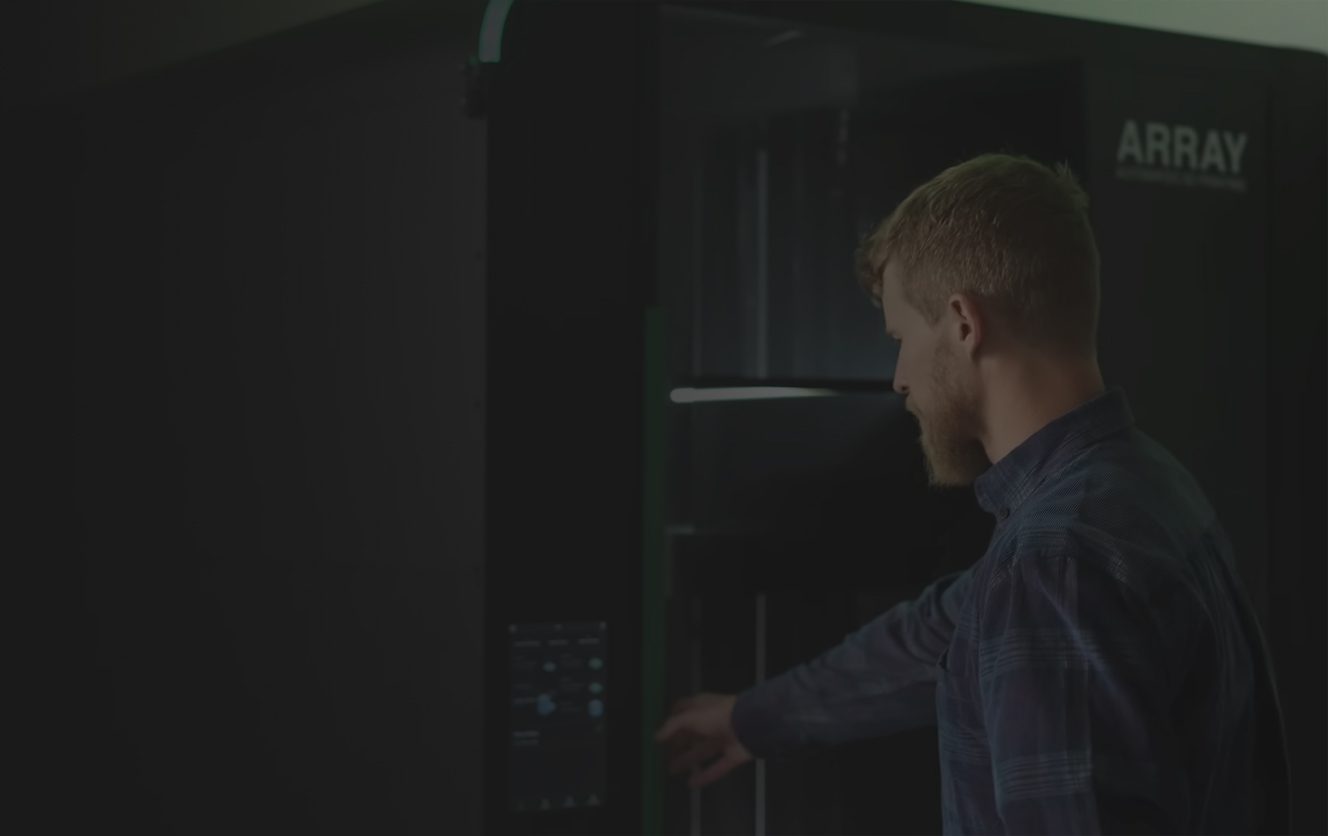
Array’s onboard computer precisely coordinates robotic movement across all axes, automating plate changes and removing manual handling to eliminate operator variability. Every print starts on a clean, correctly aligned build plate for consistent, repeatable results. Integrated error detection in Canvas further safeguards quality during multi-day production runs.
Rethink How Robotic Parts are Manufactured
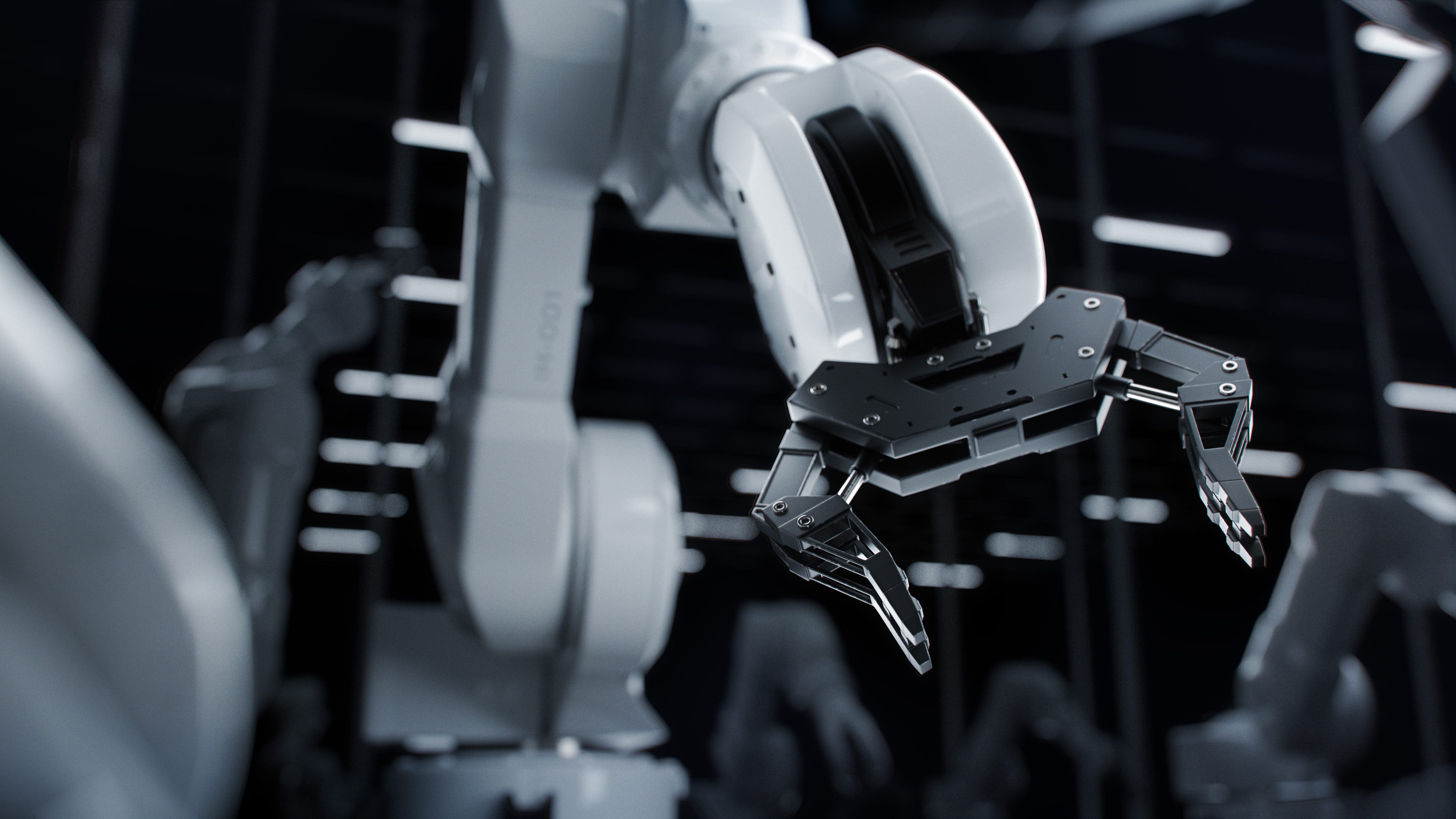
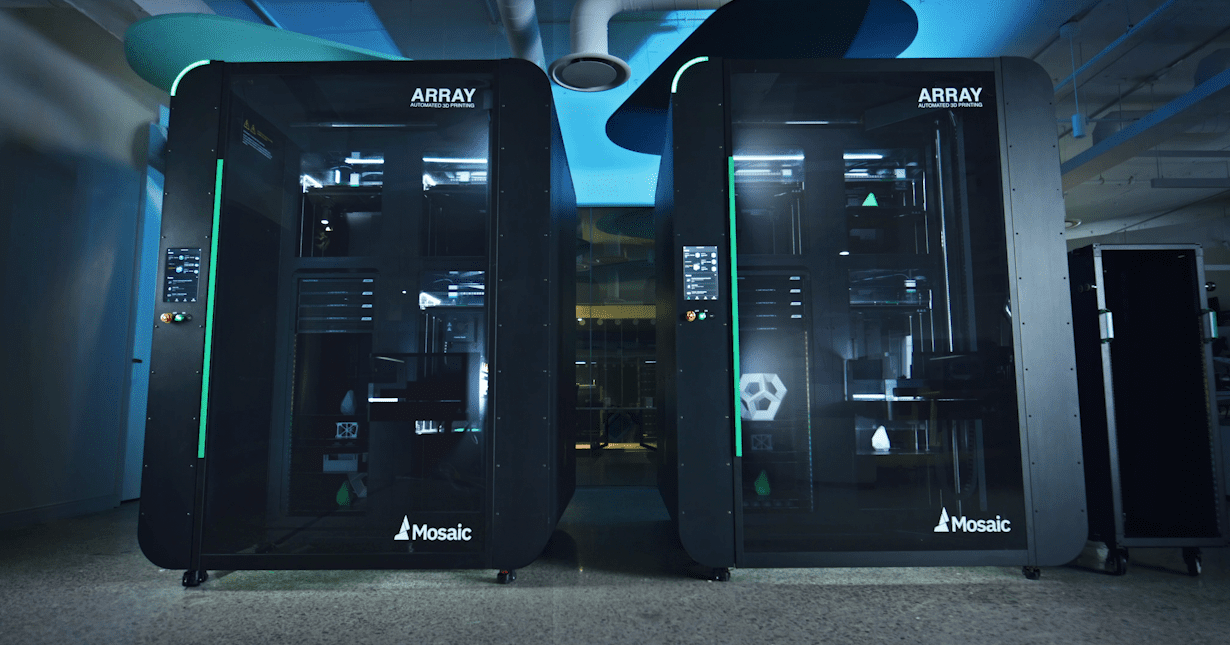
Mosaic’s automated 3D printing platform, Array, gives robotics manufacturers and contract manufacturers a faster, more flexible way to produce 3D printed robot parts, robotic components, and custom production tooling.
Move beyond prototyping and into reliable production of functional robot components, end-of-arm tooling, robotic grippers, custom fixtures, and replacement parts without long manufacturing lead times or excess inventory.
Print Production-Ready Robotics Parts at Scale

Mosaic’s additive manufacturing solutions help robotics teams move from design to production faster, reduce the cost of manufacturing complex components, and scale output without relying entirely on traditional machining, molding, or outsourced production
Download the Full Array Spec Sheet
Review technical specifications to assess fit for your production needs.


Production-Grade Additive Manufacturing for Robotics Applications
Automated Production at Scale
Run high-volume 3D printing jobs with minimal supervision to support continuous robotics production, rapid design iteration, and consistent output across production runs.
Array enables automated production workflows that allow manufacturers to move beyond one-off prototypes and produce functional robot parts and components at production volumes.
Flexible Materials Platform
Select engineering-grade polymers based on the strength, durability, weight, flexibility, and application-specific requirements of your robotics components.
Produce lightweight robot parts, housings, brackets, covers, structural components, gripper components, and other functional parts designed for real-world robotics applications.
End-to-End Additive Manufacturing for Robotics Workflows
Automated Additive Manufacturing
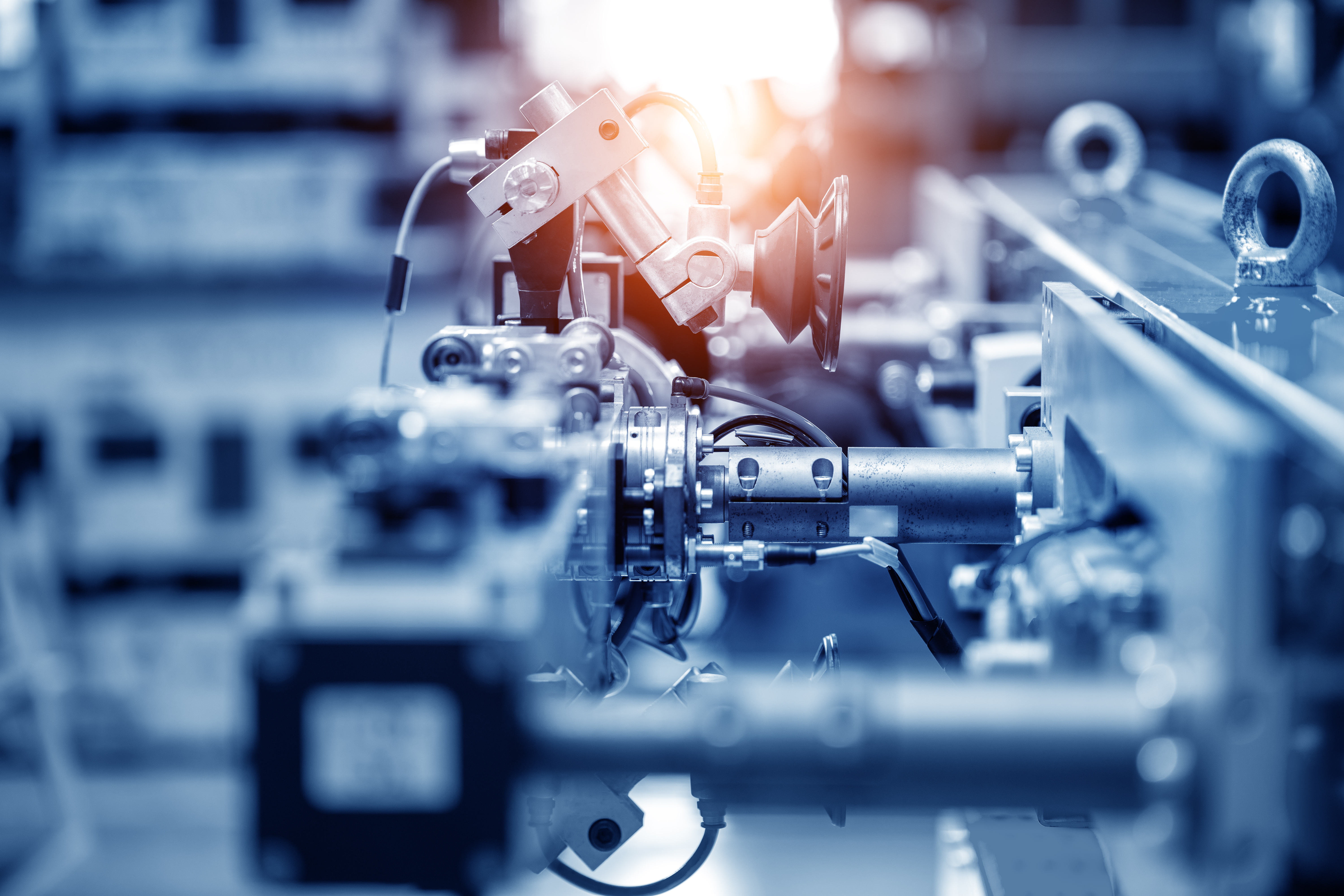
Mosaic’s Array automates the additive manufacturing workflow to support high-throughput production of robotics parts with minimal labor.
Automated production helps manufacturers increase throughput, reduce manual intervention, and maintain consistent output across repeated print jobs.
On-Demand, Localized Production
Manufacture robotics components where and when they are needed. Reduce dependence on external suppliers and long manufacturing lead times while avoiding unnecessary backstock of low-volume or frequently changing parts.
Produce custom robot parts, replacement components, and production tooling on demand to keep robotics programs moving.
Industrial Performance, Trusted Materials
Supply Chain Resilience
Produce critical robotics components closer to the point of use to reduce supply-chain dependency, shorten lead times, and improve manufacturing flexibility.
On-demand additive manufacturing gives robotics manufacturers another production option when components are difficult to source, require frequent design changes, or are needed in lower volumes.
Lower Costs, Less Waste
On-demand 3D printing reduces excess inventory, tooling requirements, and material waste for suitable robotics applications.
Produce only the parts required to support active robotics programs while improving cost-per-part efficiency and reducing the need for expensive traditional tooling.







Students at all levels of education should have access to an Array. It is essential if we’re encouraging STEM education, design engineering thinking, prototyping, iteration – students should have a reliable 3D printer to make parts in the volumes they need.

Cody Soska, Technical Specialist at IDeATe
The ability to develop and produce custom plastic parts at scale, on our factory floor, is great for our business and new client acquisition.

James McColl, Senior Program Manager Microart Services Inc.
Array really automates 3D printing by making it a hands off procedure, I can send a print from my computer at home and not have to come into the office at 9pm – the parts are just sitting there ready for me the next day.

Connor Reddington, Avid (a Lubrizol Company)
Mosaic’s Array system has been integral to our growth and innovation and Premier Orthotics Lab…My throughput, my output, my capacity has increased tremendously, and the quality of the product is incredible.

Fareen Samji, CEO and Founder, Premier Orthotics Labs
Thanks to Mosaic’s Array, we’re not just keeping up with demand – we’re redefining what’s possible in engineering education.

Gene Woten, UTDesign®’s Studio Manager
Your Spare Part Microfactory
Mosaic’s Array 3D printer is engineered for high-volume, continuous operation. From automated job scheduling and material loading to part ejection and remote monitoring, it delivers unmatched efficiency for spare parts production.
Learn More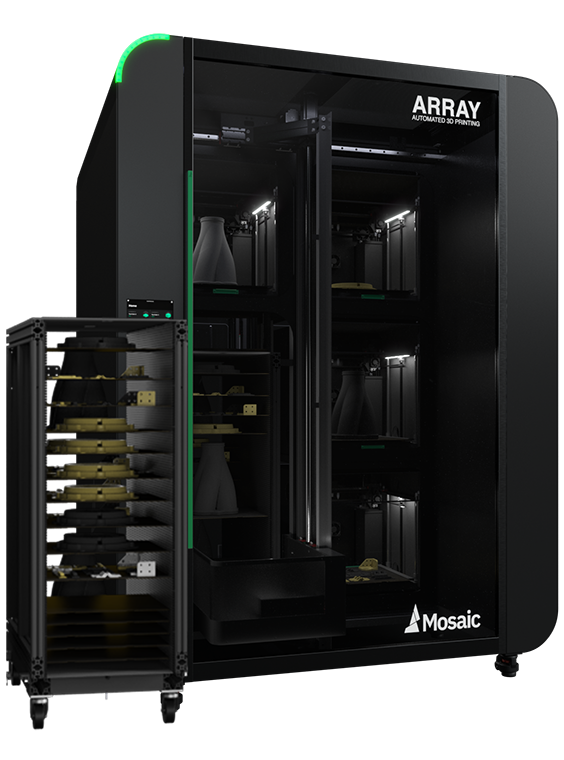
Answers to Common Questions
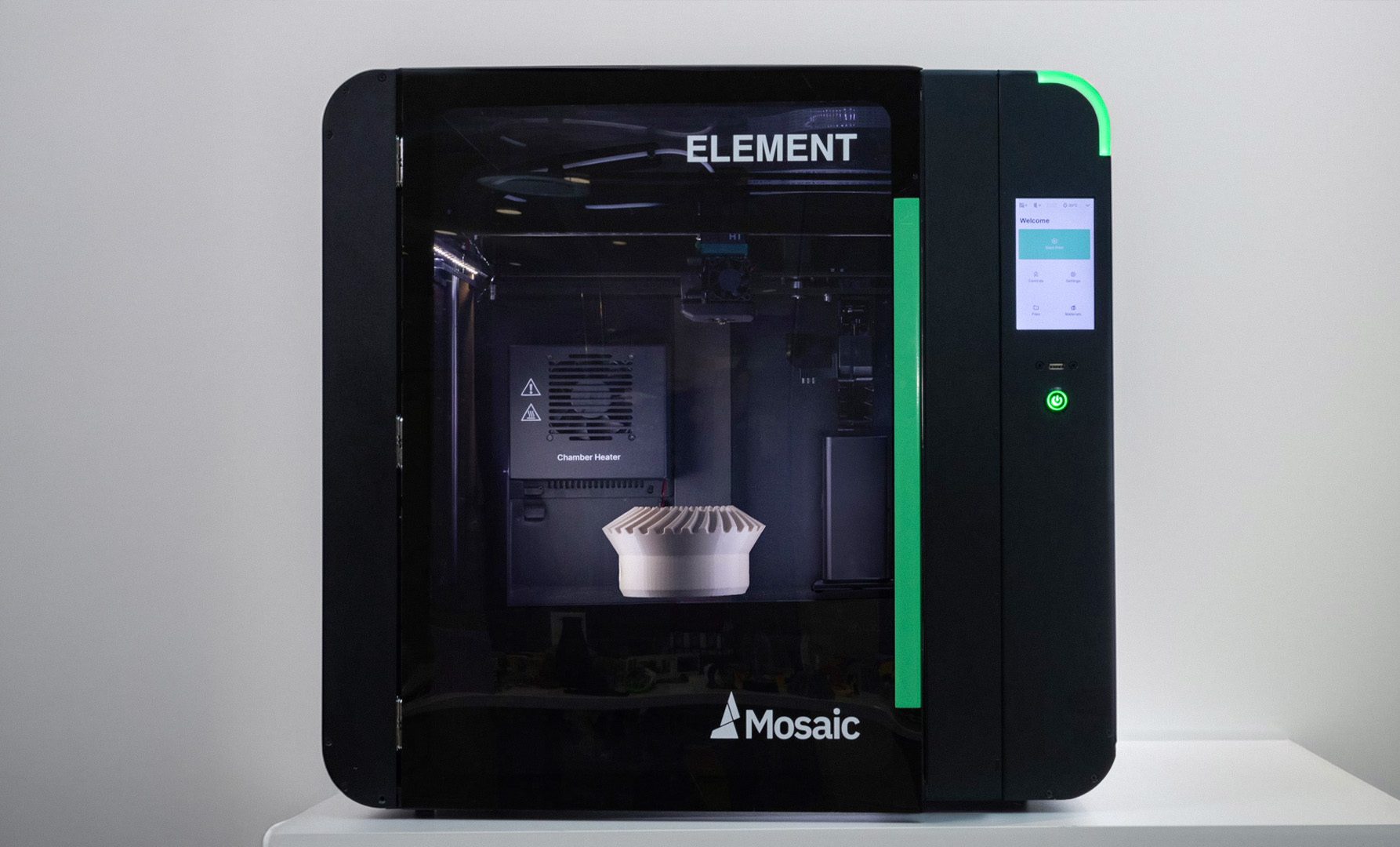
Array’s integrated robotics system automates the entire print workflow. A robotic arm swaps build plates, removes finished prints, and transfers parts to storage, moving across four Element printers on coordinated X, Y, and Z axes. New jobs start immediately without operator input, eliminating the manual steps that slow high-volume 3D printing.
Yes. Array is designed to manufacture functional, production-ready polymer components. Its automated workflow is particularly useful for robotics manufacturers that need repeatable production, lower operator involvement, and the ability to manufacture parts on demand.
Applications can include robotic components, EOAT, grippers, fixtures, replacement parts, and other custom automation components.
Array is designed for automated, high-volume additive manufacturing. Rather than treating each print as an individually managed job, its automation enables manufacturers to run queued production with reduced operator intervention.
This makes Array well suited to robotics programs that require repeatable production of multiple components, frequent design changes, or ongoing production demand.
End-of-arm tooling, or EOAT, is the equipment attached to the end of a robotic arm that allows it to interact with a part or perform a manufacturing task. Examples include robotic grippers, clamps, suction tools, welding tools, and custom workholding devices.
3D printing is particularly useful for EOAT because manufacturers can quickly create customized, lightweight tooling without the long lead times associated with traditional machining.
Mosaic Array can produce custom EOAT and robotic tooling on demand.
Yes. Array can produce custom jigs, fixtures, alignment tools, assembly aids, and other manufacturing tooling used to build and maintain robotic systems.
This allows a robotics manufacturer to use the same automated production infrastructure for both robot components and the tooling used to manufacture them.
Yes. Contract manufacturers can use industrial additive manufacturing to produce customized robotics components, production tooling, replacement parts, and other low- to medium-volume components for robotics OEMs.
Array’s automated production capabilities can help contract manufacturers increase throughput while reducing manual production requirements.
See the real cost savings behind every 3D printed part
Reach out to our team for your free custom Total Cost Per Part report
Book a DemoOur Latest Resources


Scale Smarter with Automated, On-Demand MRO Printing
Stop waiting on suppliers, scale in-house MRO production with automated printing.