Most operations teams do not think of foam as a major operational constraint. It is treated as a low-cost consumable managed through standard procurement workflows.
The real cost of traditional foam procurement rarely lives in the unit price. It lives in the lead times that delay line changes, the minimum orders that create excess inventory, the supplier dependencies that slow operational response, and the inconsistencies that emerge across facilities and production runs.
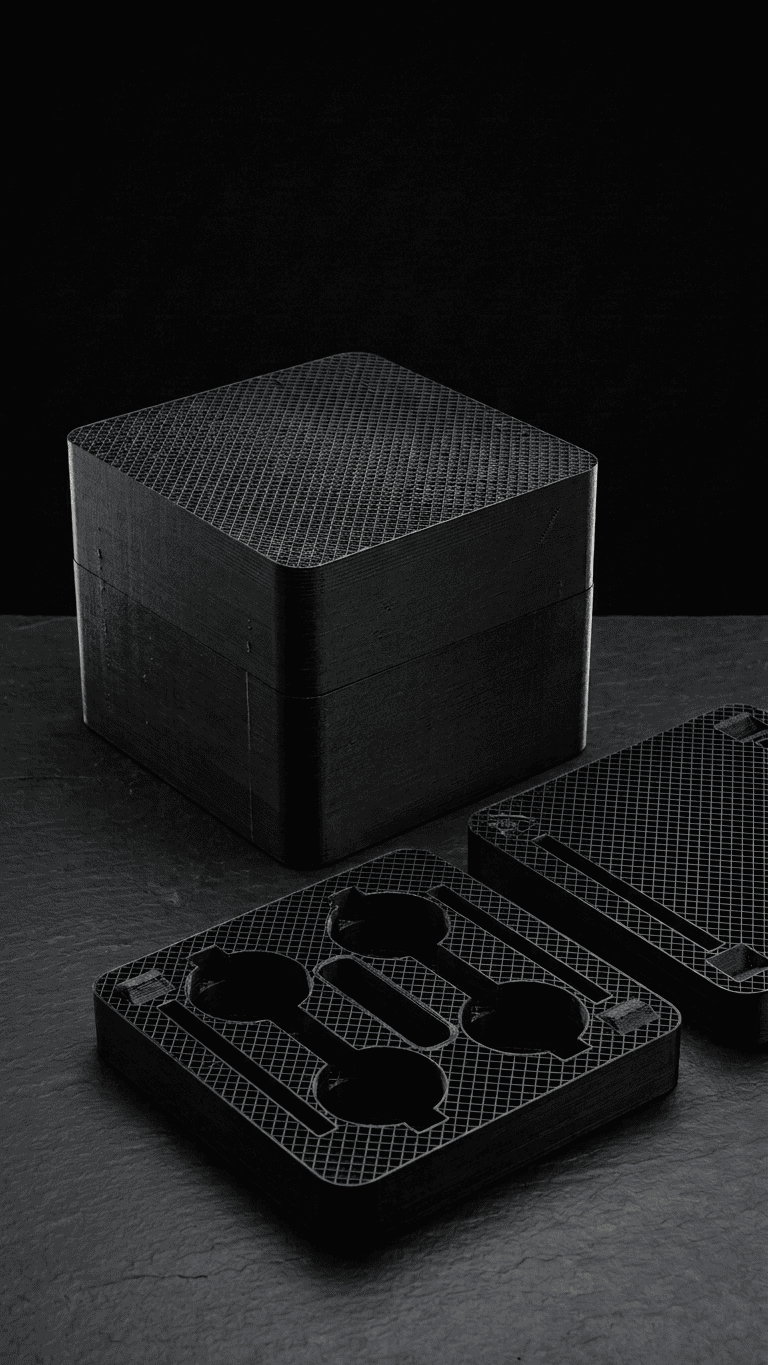
Mosaic Stitch; a foamed elastomeric filament engineered as a direct replacement for PE, XLPE, and EVA foam, makes a different model possible: onsite production from digital files, with no minimum orders, no supplier lead times, and consistent output across every facility from the same file. This post explores onsite foam production as a lean manufacturing strategy and examines the operational costs hidden within traditional foam procurement workflows.
What Traditional Foam Procurement actually Costs
Lead Time as a Production Constraint
Custom foam supplier lead times are typically measured in days or weeks, particularly for shadow boards, dunnage, and custom inserts. In stable production environments this may be manageable, but in lean operations with frequent engineering changes or line reconfigurations, those delays become operational constraints.
MOQs and Floor Inventory
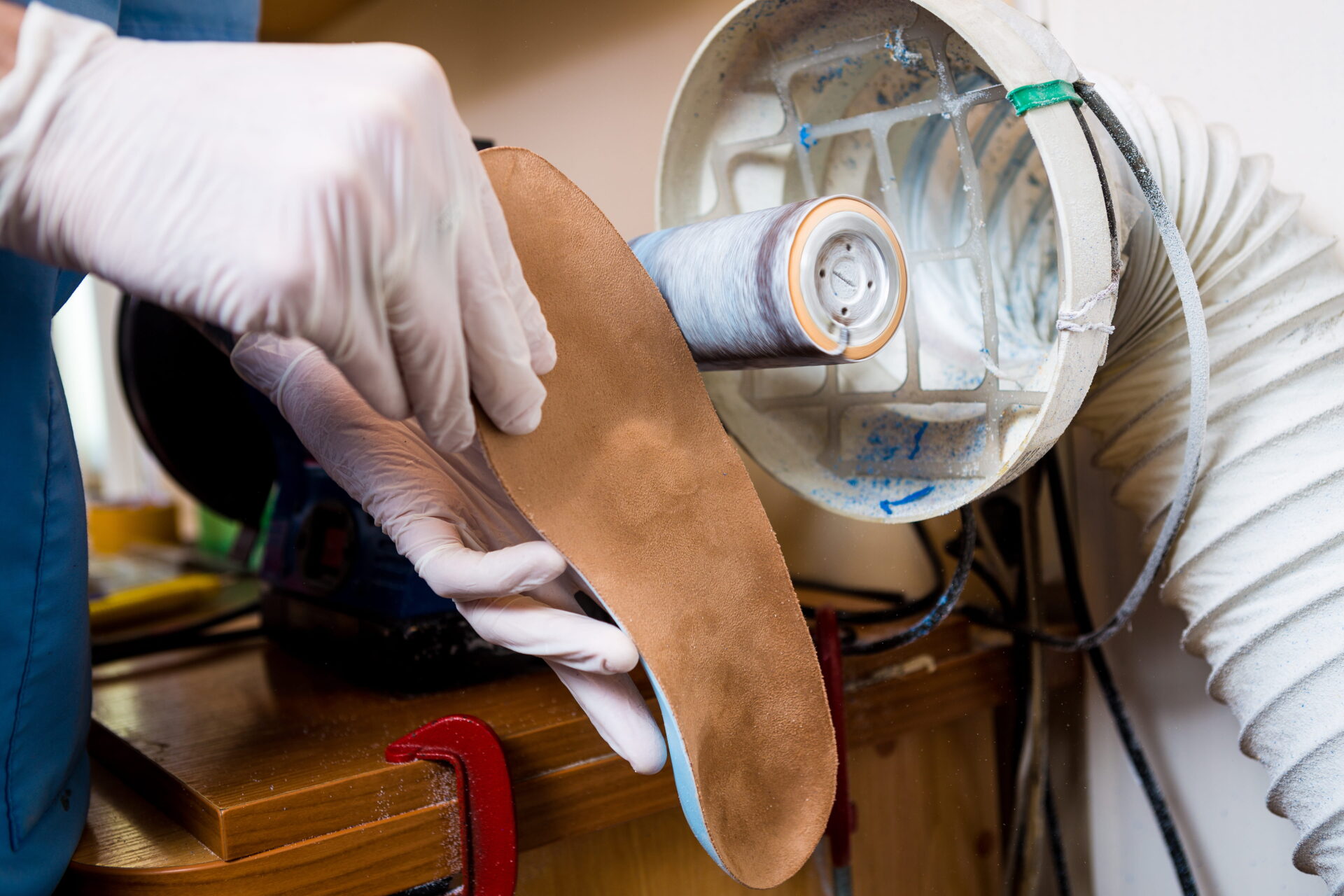
Traditional foam fabrication, die-cutting in particular, requires minimum order quantities to amortize setup and tooling costs. Those minimums are rarely aligned with actual operational demand. The result is foam stock on the floor: material ordered ahead of need, held in inventory, and often partially scrapped when designs change before the stock is used.
Inventory carrying cost is typically estimated at 20 to 30 percent of the inventory value annually, when storage space, handling labor, and obsolescence risk are included. For a plant holding several months of custom foam stock across multiple part numbers, the carrying cost is real, and invisible in the per-unit price comparison.
The Cost of Urgent Orders
When operational timelines do not align with supplier lead times, manufacturers are forced into expedites, rush fees, and costly freight decisions simply to maintain production schedules.
5S Audit Failures and Cross-side Inconsistency
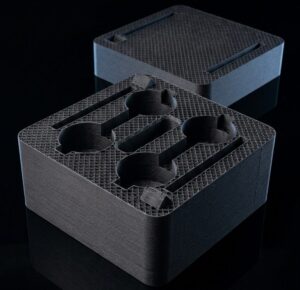
Shadow board foam is a direct input to 5S compliance. Boards evaluated in ISO 9001 audits and lean certification reviews need to be consistent, accurate, and maintained. When shadow boards are sourced from external suppliers, each site typically manages its own supplier relationship and cutting process. The result is variation: different foam densities, different cutout tolerances, different colors, different profiles for the same tool.
That variation is a compliance gap. When an audit surfaces, and they do, the corrective action requires new foam from a supplier, which puts you back on a 5 to 25 day lead time cycle
What Onsite Production with Mosaic Stitch Changes
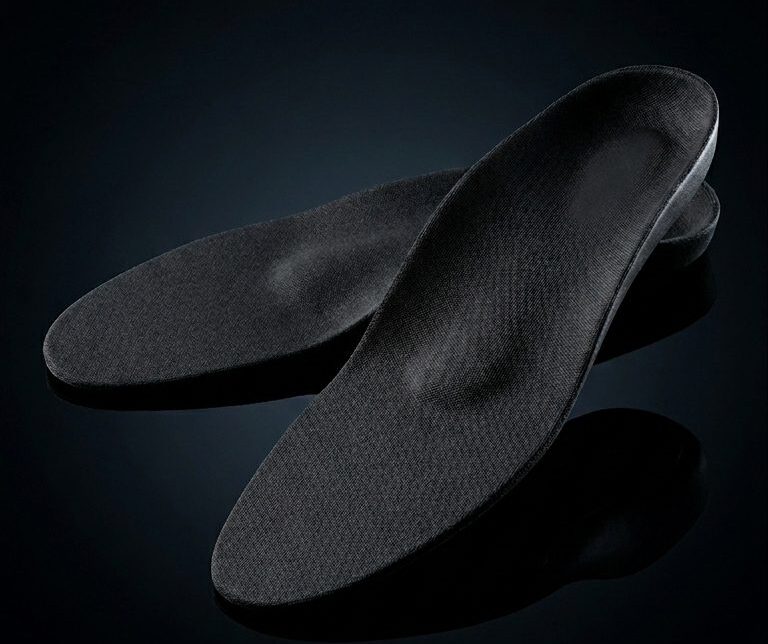
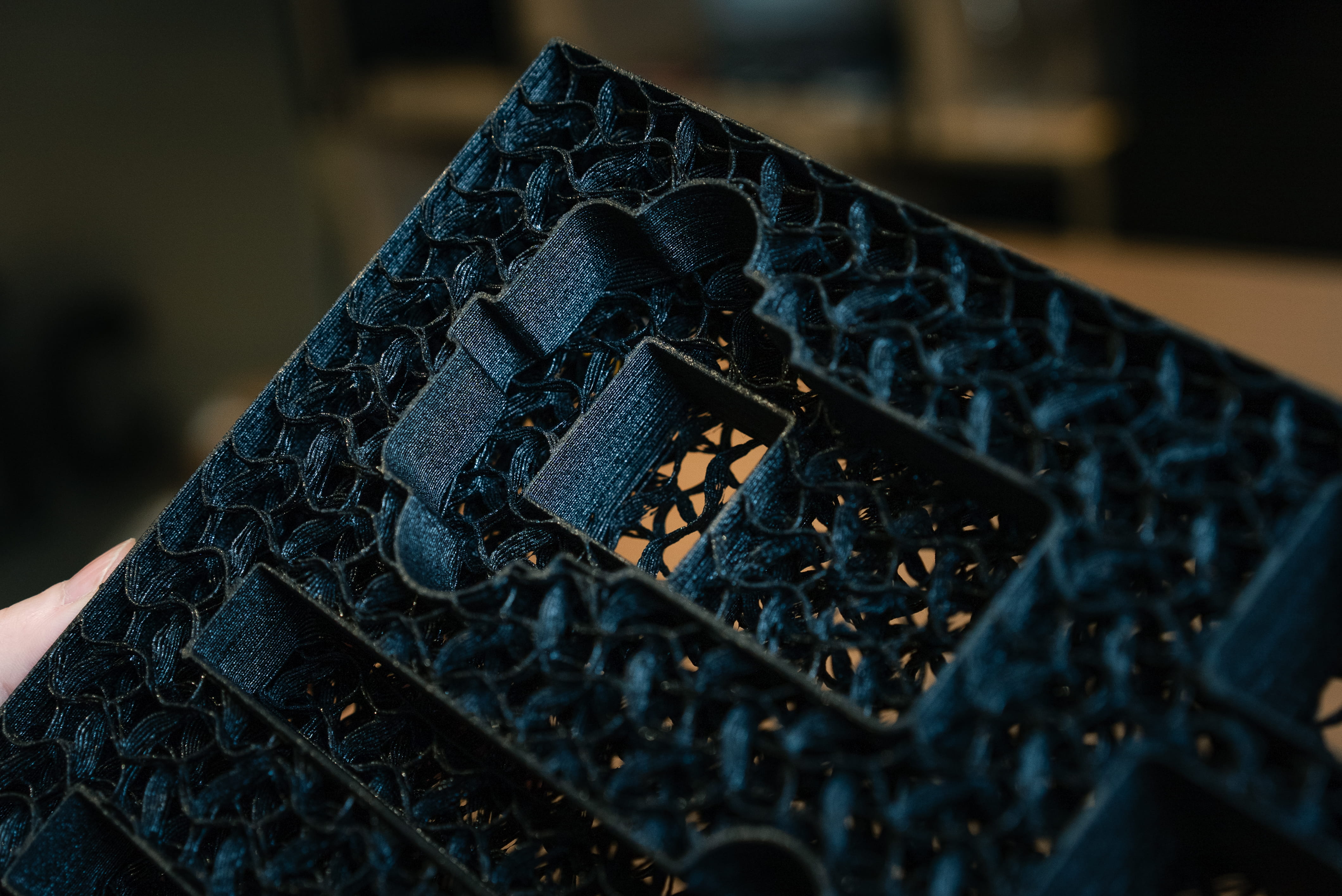
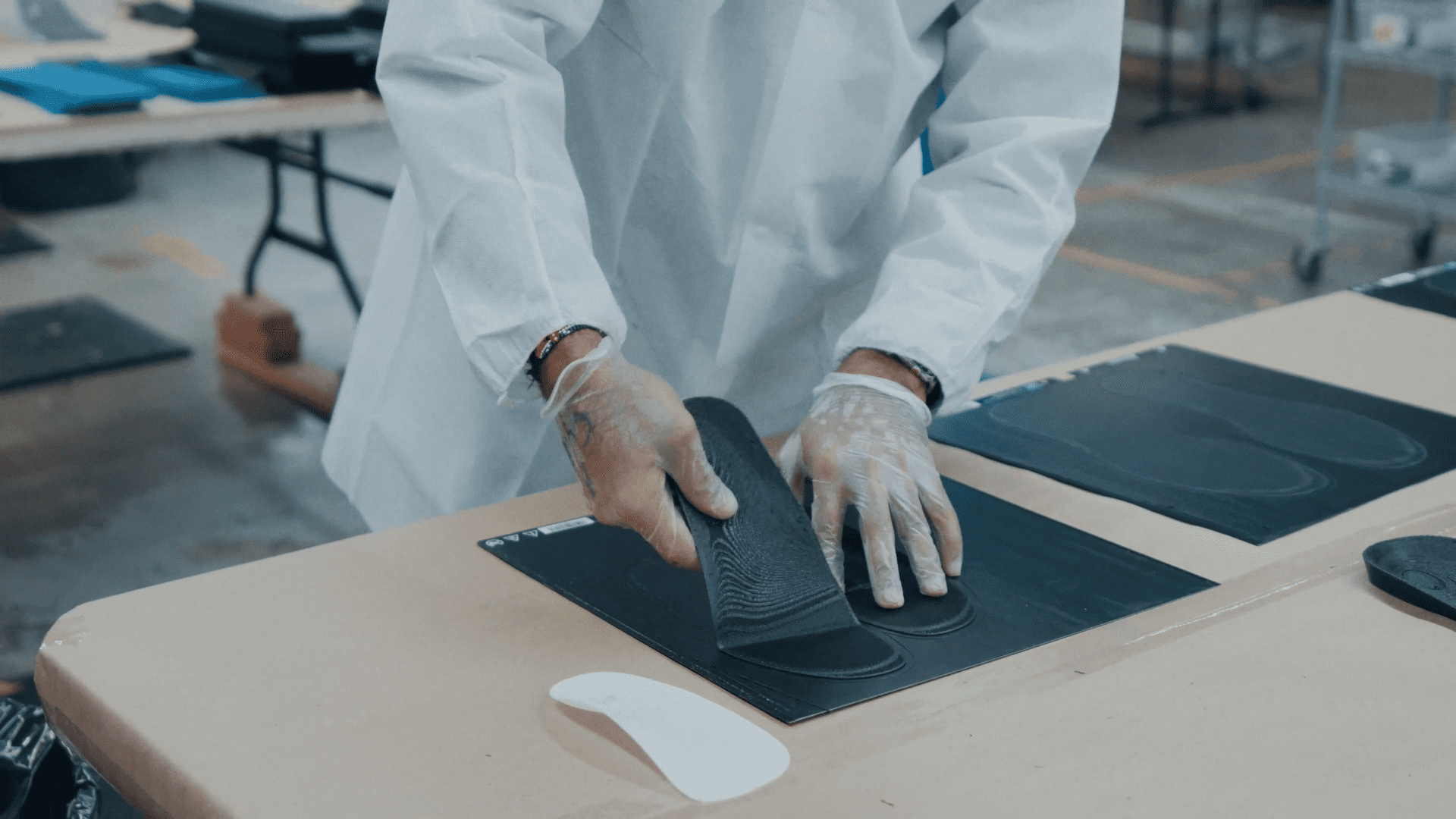
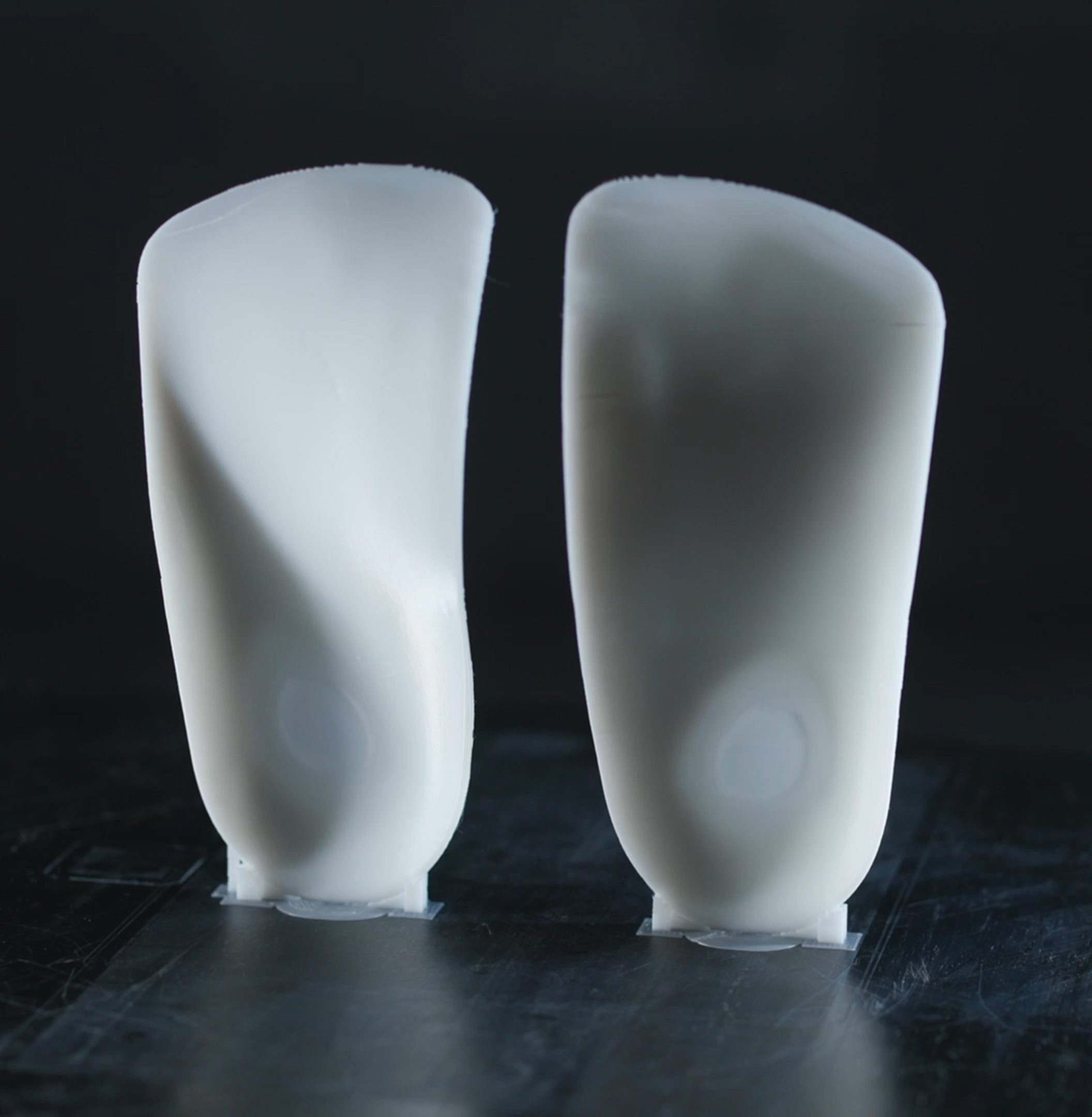
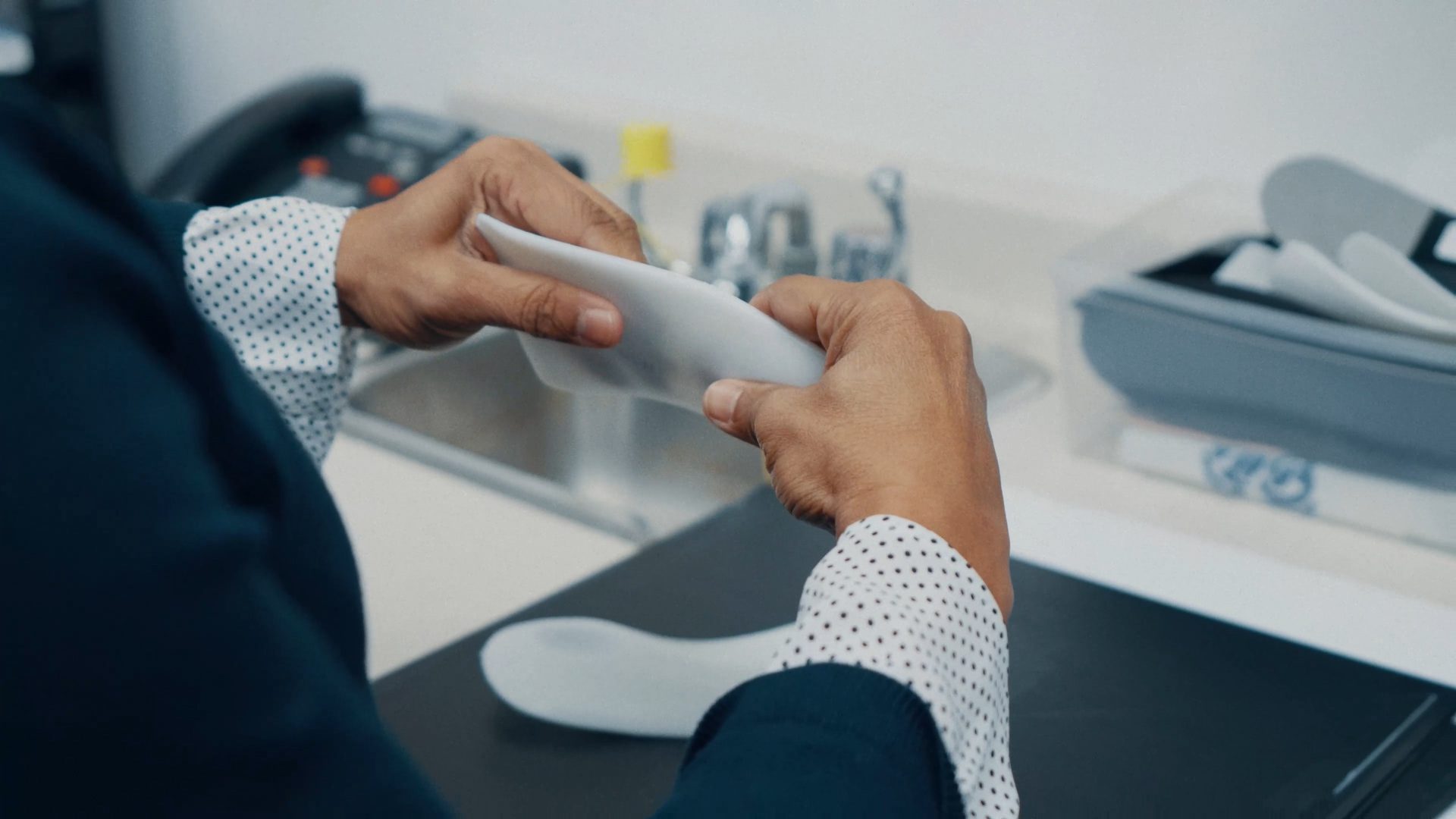
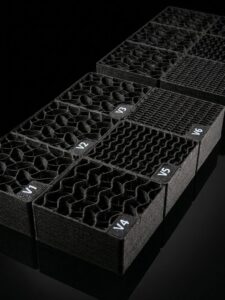
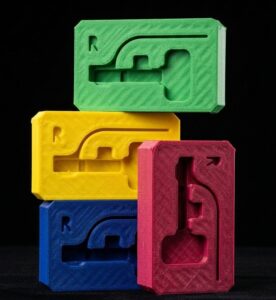
Mosaic Stitch runs on FFF 3D printers using existing slicer profiles, the same platform as PLA, PETG, and standard flexible materials, and produces foam parts with tunable density, abrasion and chemical resistance, and a smooth surface finish in 20+ colors. The workflow is simple: update the file, start the print, use the part. No supplier calls, no purchase orders, no waiting.
The operational implications are specific.
No Minimum Orders
Print exactly what you need for the current configuration. No buffer stock, no floor inventory, no obsolescence risk when designs change.
Lead Time is Measured in Hours, Not Weeks
A shadow board foam insert produced onsite takes hours. A WIP tray for a new part geometry is ready the same day the engineering change is approved. A custom packaging insert for an expedited customer shipment does not require a rush order from a supplier.
Consistent Output Across Every Site
The same digital file produces the same foam insert at every facility running the same equipment. 5S compliance becomes a file management problem, not a supplier management problem. When a tool changes, the file is updated and the new boards are printed before the shift ends.
No Supplier Dependency for a Production Input
Foam moves from a procurement item with lead time and minimum order constraints to an internal capability with none of those constraints. Supply chain disruptions, resin shortages, and supplier capacity issues stop being foam problems.
Learn more about what we do https://mosaicmfg.com/foam/
The TCO Framing
A complete total cost of ownership comparison between traditional foam procurement and onsite production with Mosaic Stitch should include:
- Base material cost: unit cost per part at target volumes
- Setup and tooling cost: die-cut tooling amortized across runs; CNC setup time per job
- Inventory carrying cost: 20–30% of inventory value annually for held foam stock
- Expedite premium: 20–50% above standard pricing for rush orders, plus freight
- Audit and compliance cost: rework, corrective actions, and re-sourcing triggered by 5S failures
- Lead time cost: the operational value of the lag between a line change decision and foam availability, measured in workarounds and delayed implementation
When all six are included, the per-part cost advantage of traditional fabrication at volume narrows significantly, and for the low-to-medium volume, high-changeover environments where the above costs are most acute, onsite production often becomes economically favorable for low-to-medium volume environments with frequent engineering changes and operational variability.
A Practical Starting Point
The most effective way to validate the economics for your operation is a single application pilot. The right first application is wherever the current pain is most visible:
- If 5S audit compliance is a recurring issue, start with shadow board foam for one production area
- If line changeover lead times are a documented constraint, start with dunnage or WIP trays for the highest-frequency changeover
- If custom packaging inserts are sourced externally with long lead times or high expedite costs, start with one SKU
Measure the lead time. Measure the per-part cost including setup and ordering overhead. Measure whether the output holds up to the same standard as your current supplier. In many cases, the operational impact becomes measurable quickly through reduced lead times, simplified change management, and improved production responsiveness.
About Mosaic Stitch
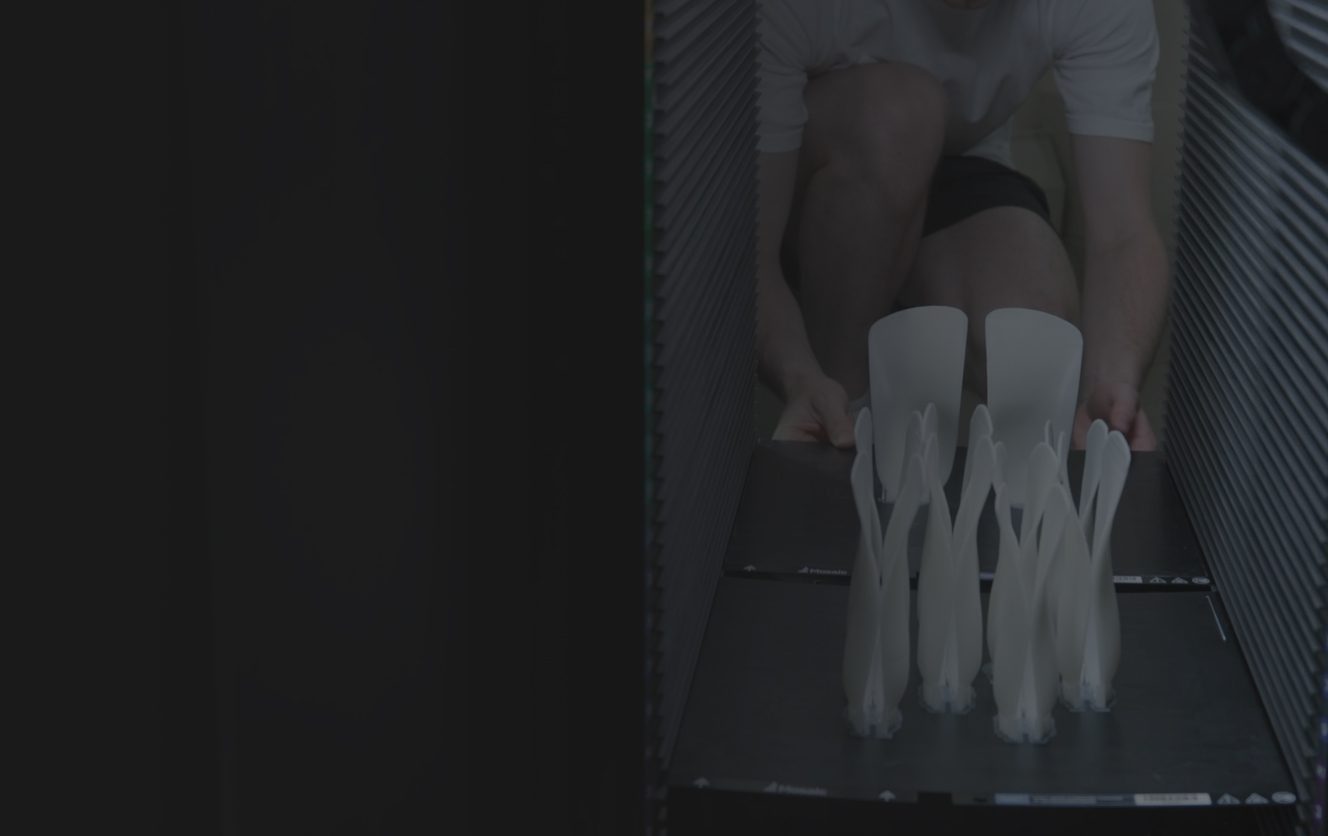
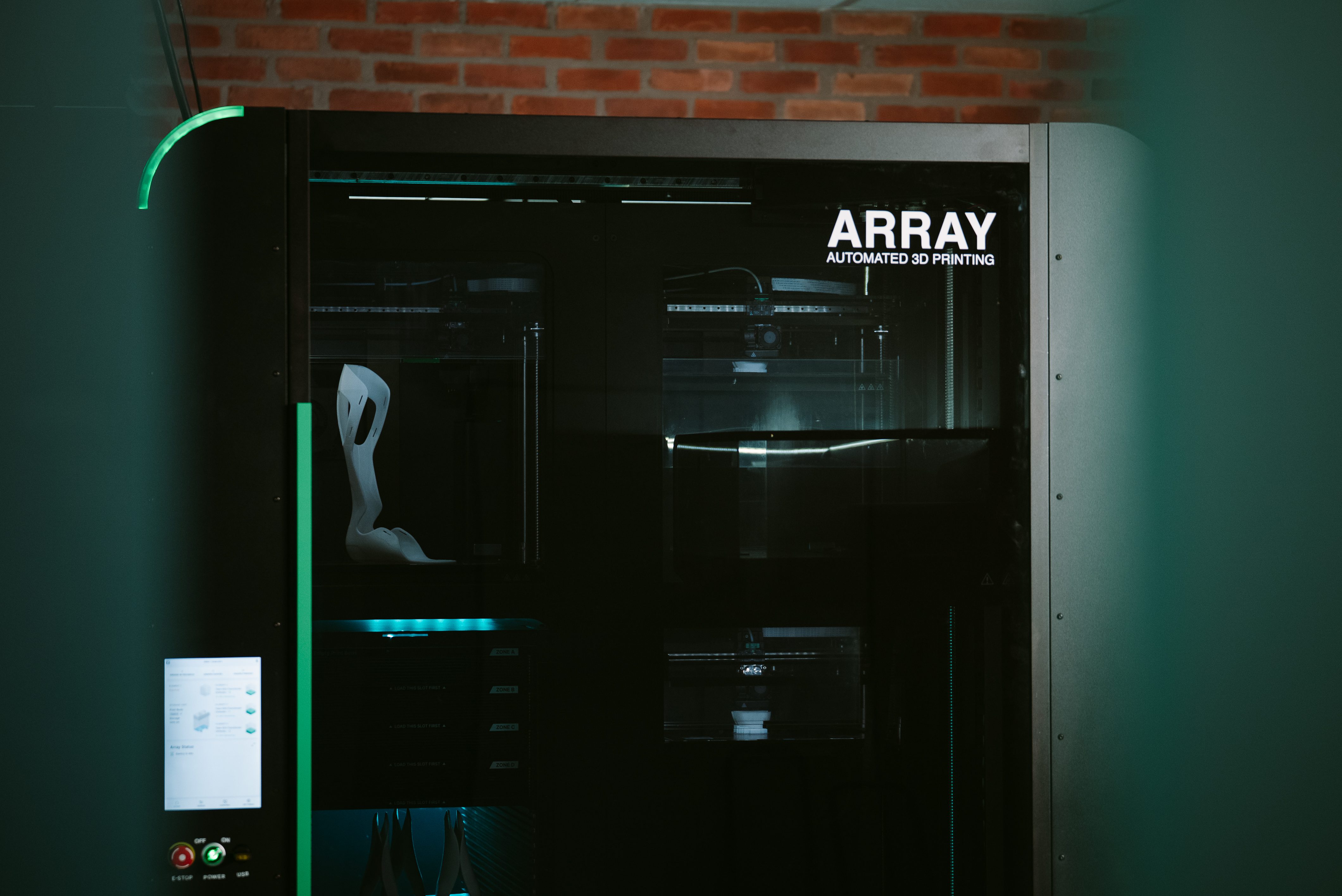
Mosaic Stitch is built for production environments, not just prototyping runs. On Mosaic’s Array and Element platforms, it operates hands-free with parallelized output, batch-to-batch consistency, and centralized control through Canvas. The result: foam shifts from a line item in procurement to a capability manufacturers run in-house, producing parts on demand without expanding headcount or adding process overhead.
Contact our team to discuss whether Stitch is the right fit for your foam manufacturing application.