For many orthotics labs, batching is simply how production has always worked. Cases are grouped together, a machine is loaded, the job runs, and the team resets for the next cycle. At one location, this may be manageable. As volume grows or production expands across multiple sites, the same workflow can create serious operational challenges.
Each facility may manage its own schedules, priorities, and capacity. A case that’s ready at one location may wait for unrelated cases to catch up, while another facility has available capacity but no view of demand elsewhere. Over time, this can lead to:
- Different turnaround times across locations
- Difficult capacity planning
- Backlogs during peak periods
- Greater dependence on experienced technicians
- Inconsistent output between teams and facilities
For large orthotics labs, central fabrication operations, and clinic networks, the goal is a production system that stays reliable as volume increases.
What is the batching bottleneck in custom orthotic production?
Most 3D printing and CNC-based orthotic production is batch-constrained by design. A fixed-bed printer or milling station can only run what fits on its bed or fixture at one time, so labs are pushed toward batching cases rather than producing them as they’re ready. That shows up in predictable ways:
- Idle capacity while a batch fills. A machine sitting empty while the lab waits for enough cases is capacity the lab paid for but isn’t using.
- Ready cases wait on unrelated ones. A case that’s scanned, designed, and approved still waits for other cases to catch up.
- Manual unloading resets the clock. Fixed-bed FFF printers and CNC systems stop between jobs and need an operator to clear the bed or reset the board and start the next run, so every batch requires labour intervention and attention.
- Mixed-priority cases get stuck together. An urgent case moves no faster than the slowest case in its batch
For multi-site operations, this compounds. Batch timing at one facility has no relationship to another, which makes it hard to standardize turnaround or forecast capacity across the network.
→ Related: The Hidden Cost of Manual Grinding and Finishing in Orthotics Labs
How queue-management and automation change the workflow
Queue management and automation let each orthotic move through production as an individual job. Once a case is ready, it enters the queue without waiting for unrelated cases, and jobs are prioritized and routed by consistent production rules.
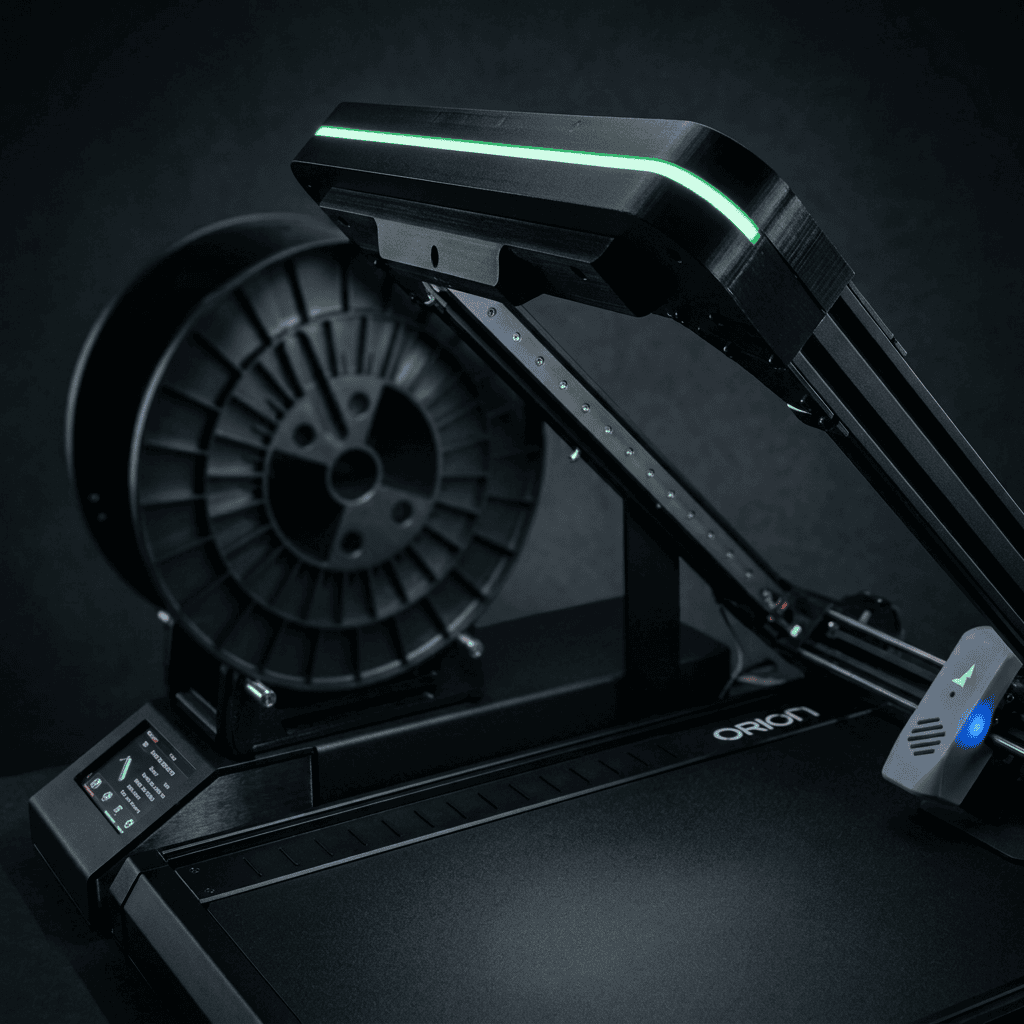
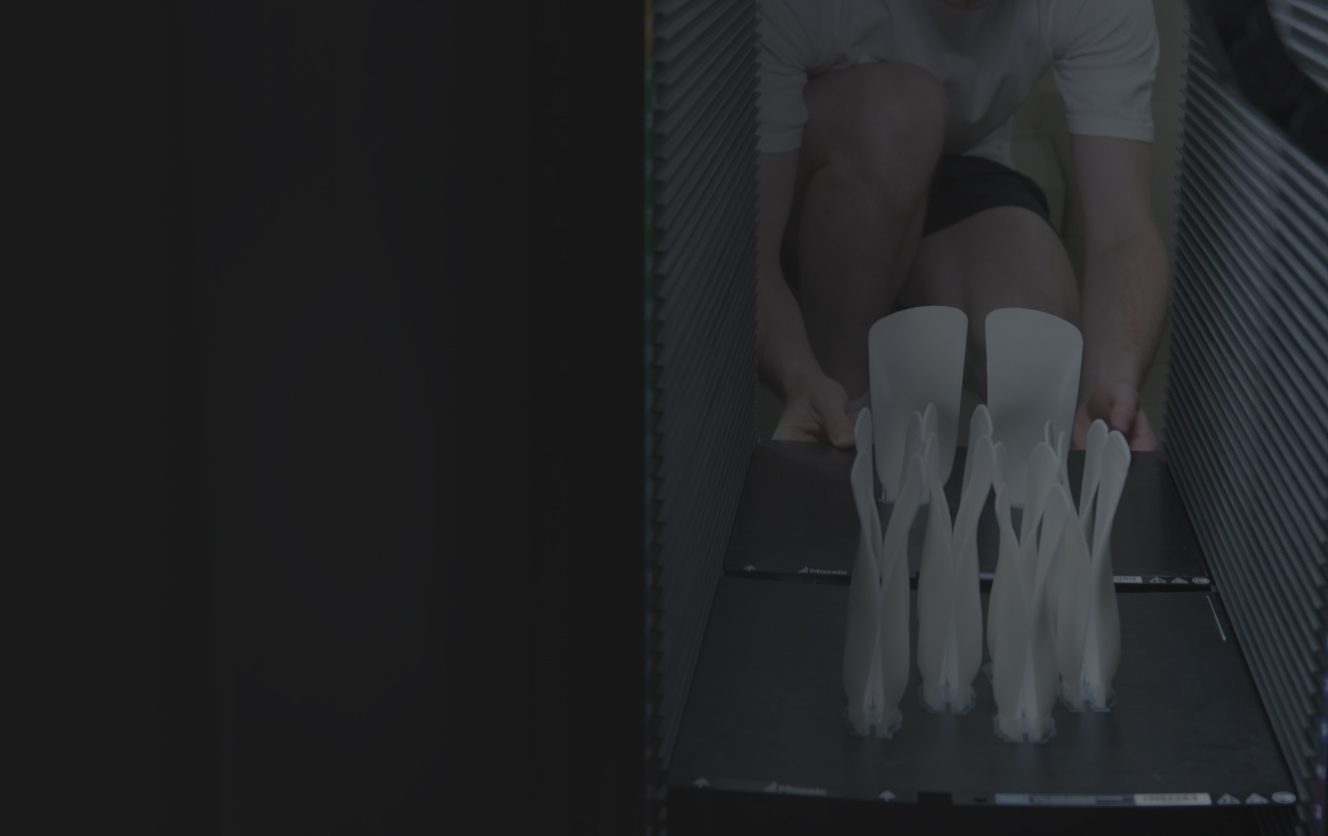
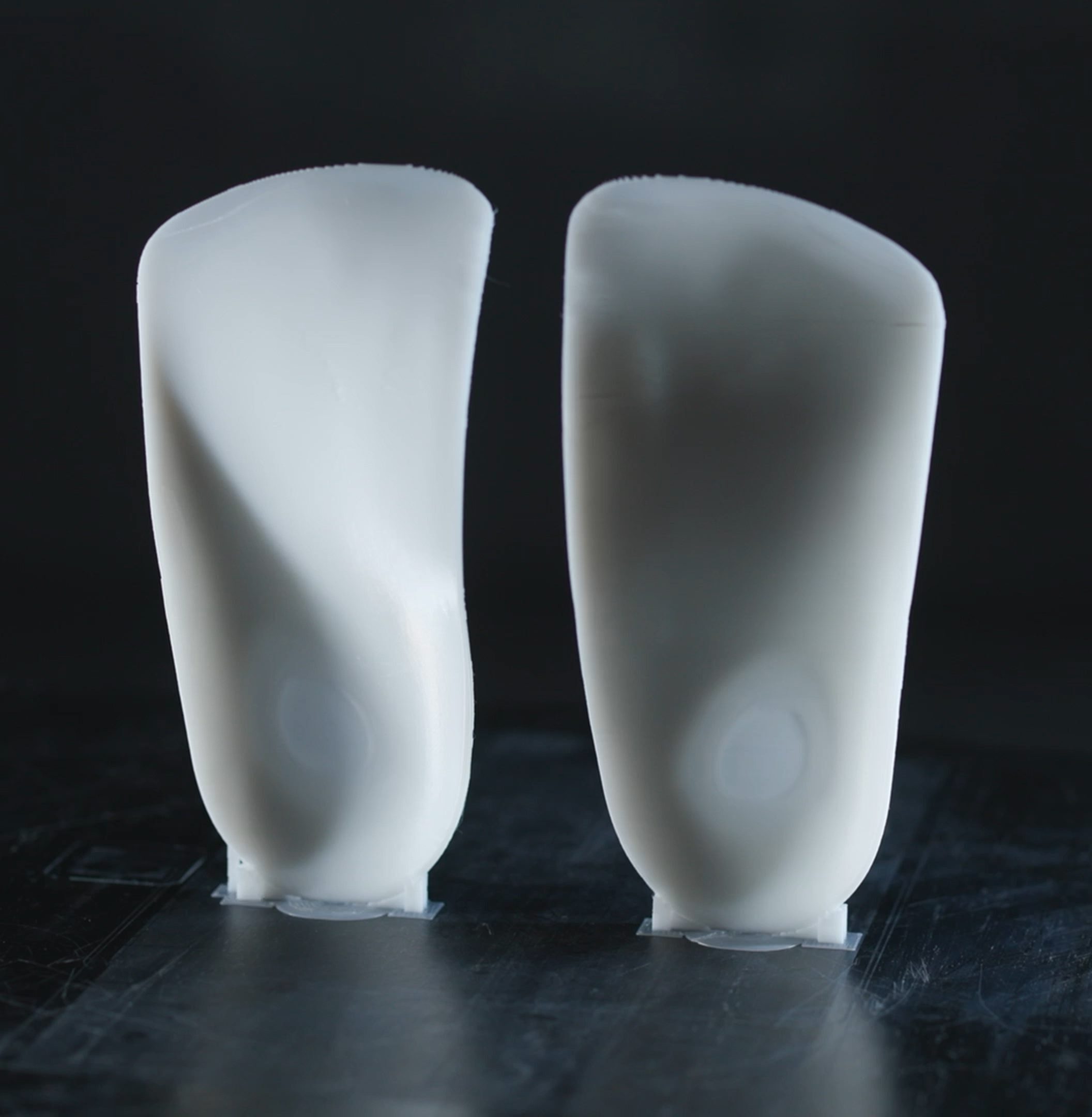
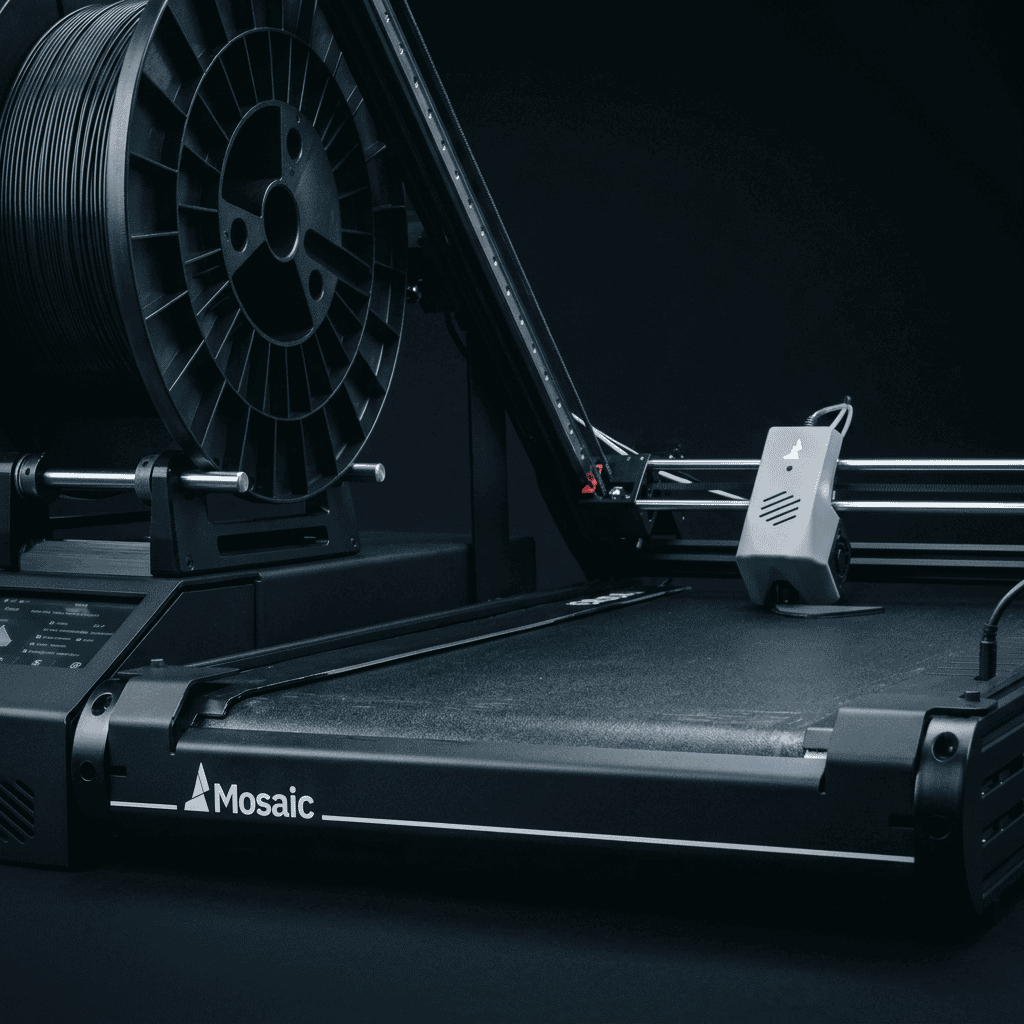
Mosaic’s Orion automated 3D printing platform paired with Stryde Print is designed for this type of production. Its belt-based system and powerful print management software support continuous, queued manufacturing. As one device is completed, the belt moves it away from the production surface so the next job can proceed.
For an orthotics operation, this can help:
- Move ready cases into production sooner
- Reduce manual intervention between jobs
- Continue production overnight and through weekends
- Improve visibility into available capacity
- Add production units as volume grows
→ Learn more about Orion
How Orion and Stryde connect the production process
A printer is only one part of the workflow. Labs also need a reliable way to capture patient foot geometry, modify it digitally, and send it to production. The Stryde Software Suite connects these steps from patient scan to finished device:
- Stryde Scan captures patient-specific foot geometry at the point of care. Scan data and prescription details move directly into design, with no manual exports or re-uploads.
- Stryde Design turns scan data and clinical inputs into customized orthotic designs, with a consistent design process.
- Stryde Print prepares and manages production:
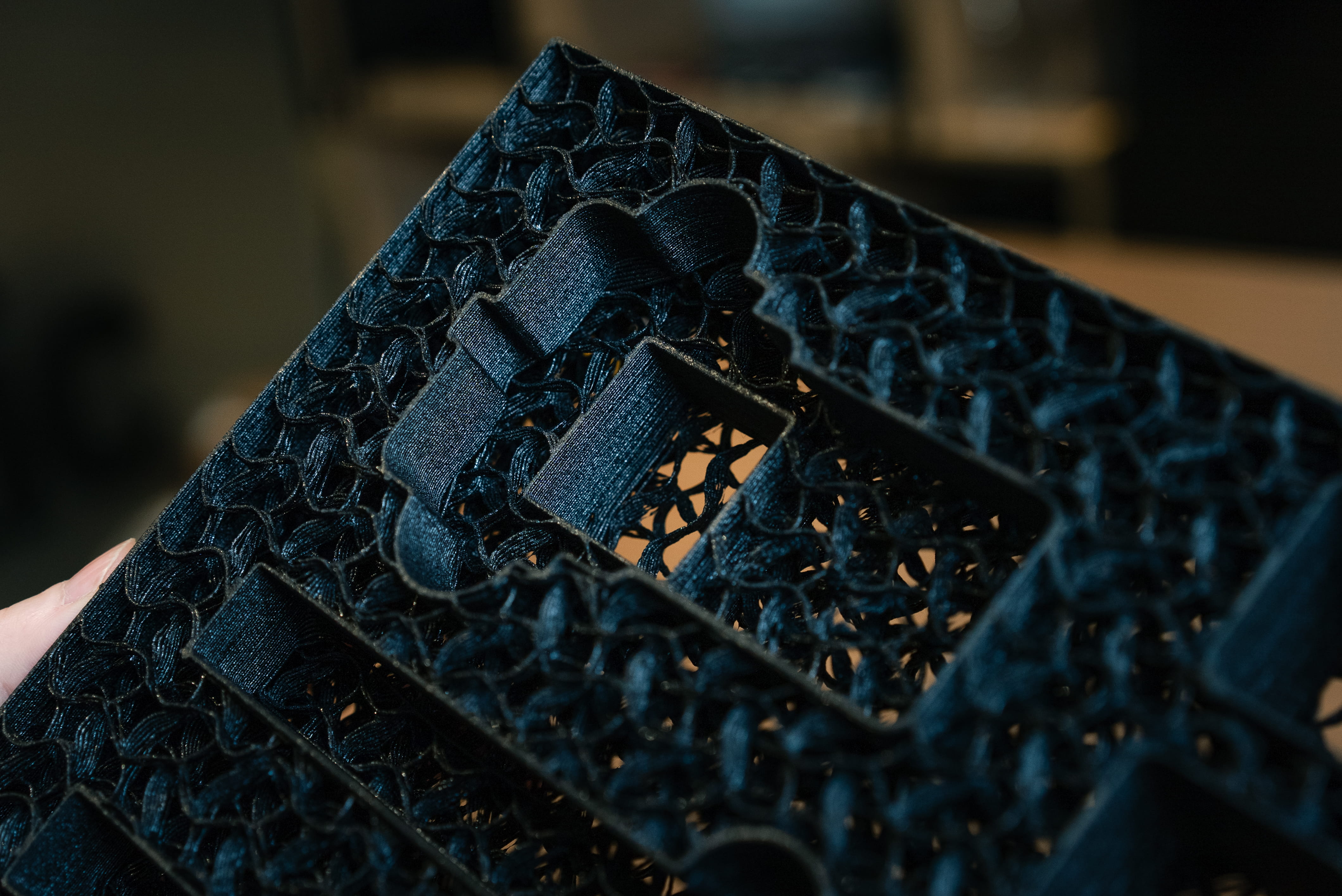
- Users can define density by zone or apply it across the whole device, without any slicing or manual configuration required.
- Jobs are routed to the next available Orion printer, with queue prioritization managed in the same workflow.
This helps organizations apply the same production logic across teams and locations.
How automation changes the role of staff
In a traditional workflow, technicians may spend much of the day:
- Monitoring machines
- Unloading and resetting equipment
- Preparing print settings
- Moving files between systems
- Coordinating production schedules
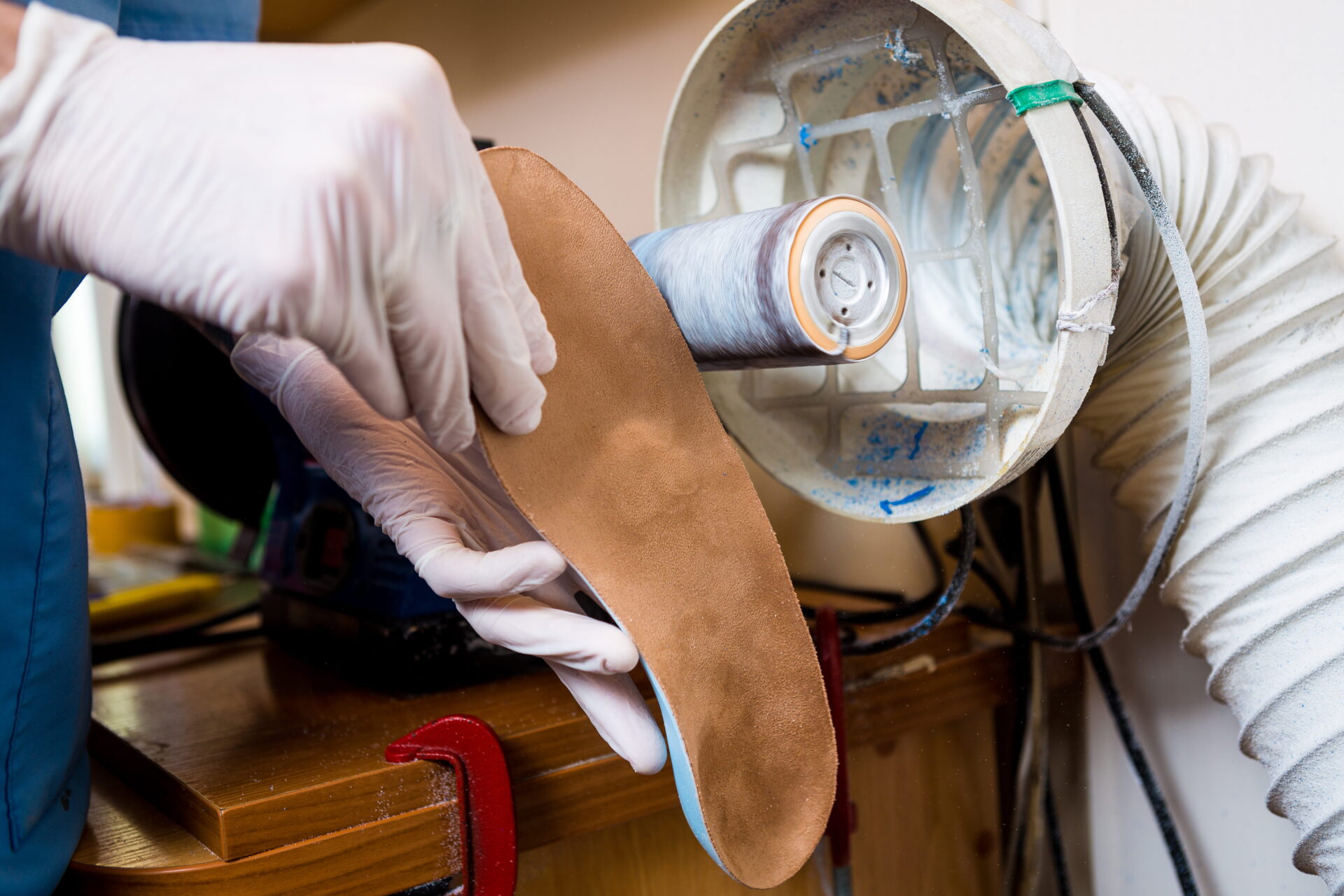
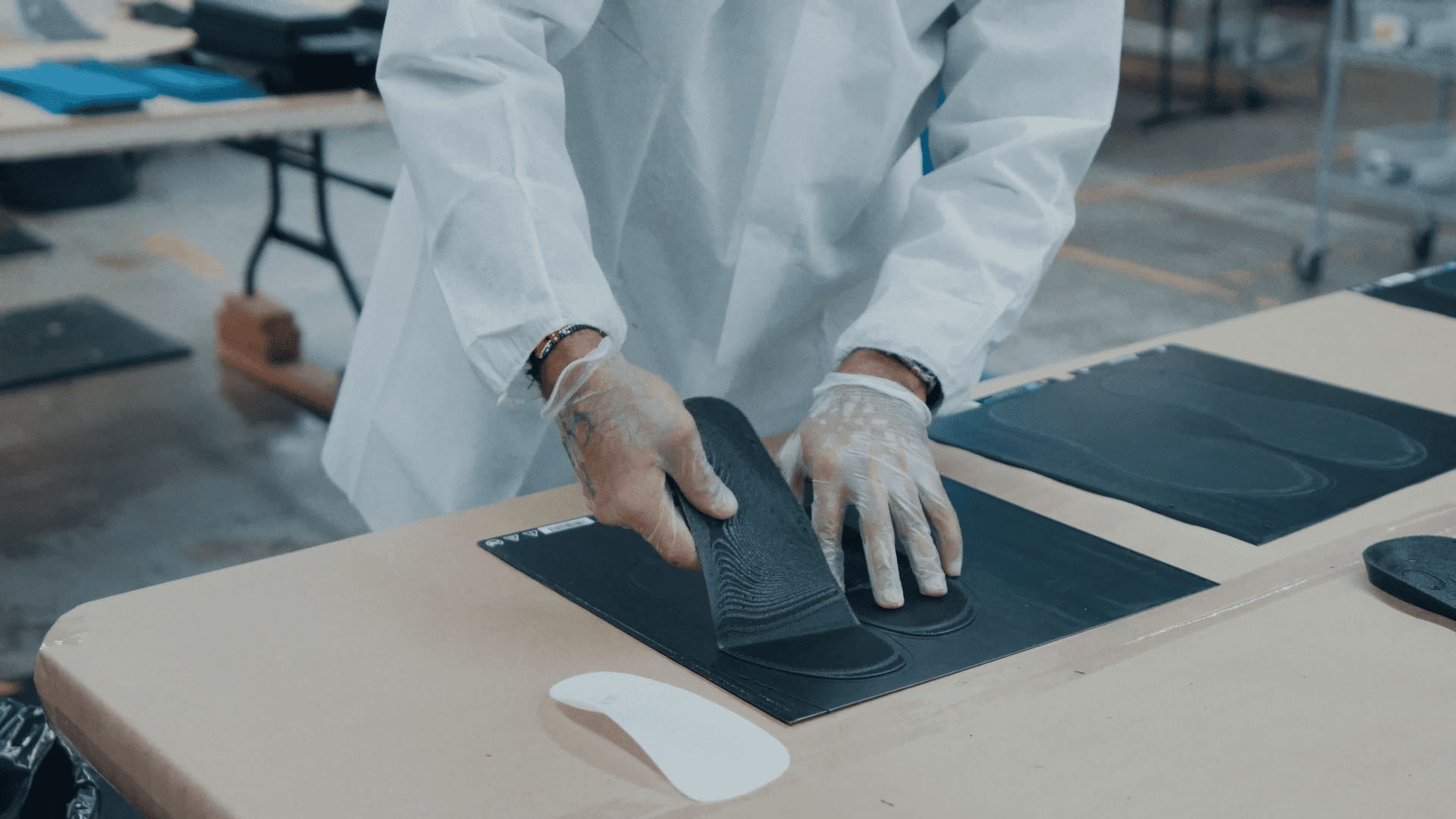
- Completing labour-intensive finishing work
A connected Orion and Stryde workflow frees up time for case review, quality assurance, exception handling, and clinical coordination.
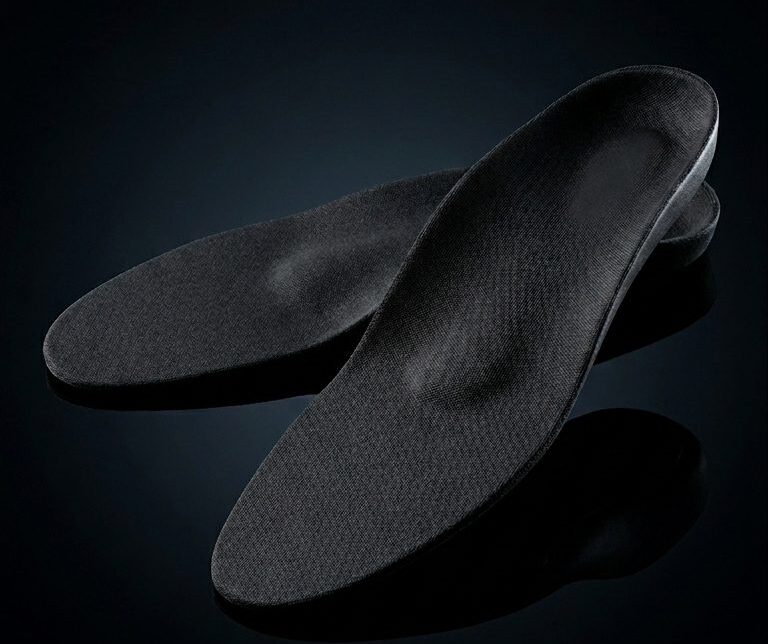
Orion is designed to produce approximately 300 pairs per month from a single printer, with a print time of approximately 2 hours per pair under the stated reference conditions. Cost can be as low as $6 USD per pair based on a women’s US size 7 and Shore 25A reference case. Actual output depends on device size, material, design, operating schedule, and production mix.
For operations leaders, the larger benefit is planning. A continuous queue gives a clearer view of utilization and shows when more capacity is needed.
→ Related: Platform vs. Point Solutions: Why Orion Is Built as an Ecosystem
A more predictable way to scale orthotics production
Batching can work well for smaller or localized operations. As organizations grow, it can create delays and make performance harder to standardize.
Queue-managed production gives each case a clearer path into manufacturing. Stryde connects scan data to design and production, while Orion provides the automated platform that keeps cases moving with less manual intervention. Together, they support higher volume, more consistent production, and clearer operational control.
See Orion in Your Lab
If your organization is managing batch-related delays, inconsistent site performance, labour constraints, or growing production complexity, request an Orion demo to discuss your production requirements. You can also book a Stryde demo to see the software workflow, or request a sample pair.