The purchase price of a 3D printer is easy to compare. Understanding what it will cost to keep an orthotics operation running takes a closer look.
How much operator attention does the system need? What routine maintenance is required? If production stops, how quickly can the team diagnose the problem, obtain parts, and resume printing?
For orthotics labs and clinics bringing production in-house, these questions affect labour costs, turnaround times, and the ability to deliver devices as scheduled. Evaluating reliability and support alongside purchase price gives a clearer picture of the investment.
What Printer Downtime Means for Orthotics Production
When a printer goes offline, the impact extends beyond lost machine time. Custom orthotics are produced for individual patients, so cases waiting in the queue may be delayed until the equipment is operational again. The lab may also need to reschedule production, add overtime, or shift work to another machine.
For labs serving multiple clinics or operating across several locations, one equipment failure can affect the wider production plan. A reliable system helps protect uptime, staff productivity, turnaround commitments, and clinic relationships.
Not Every 3D Printer Is Built for Orthotic Production
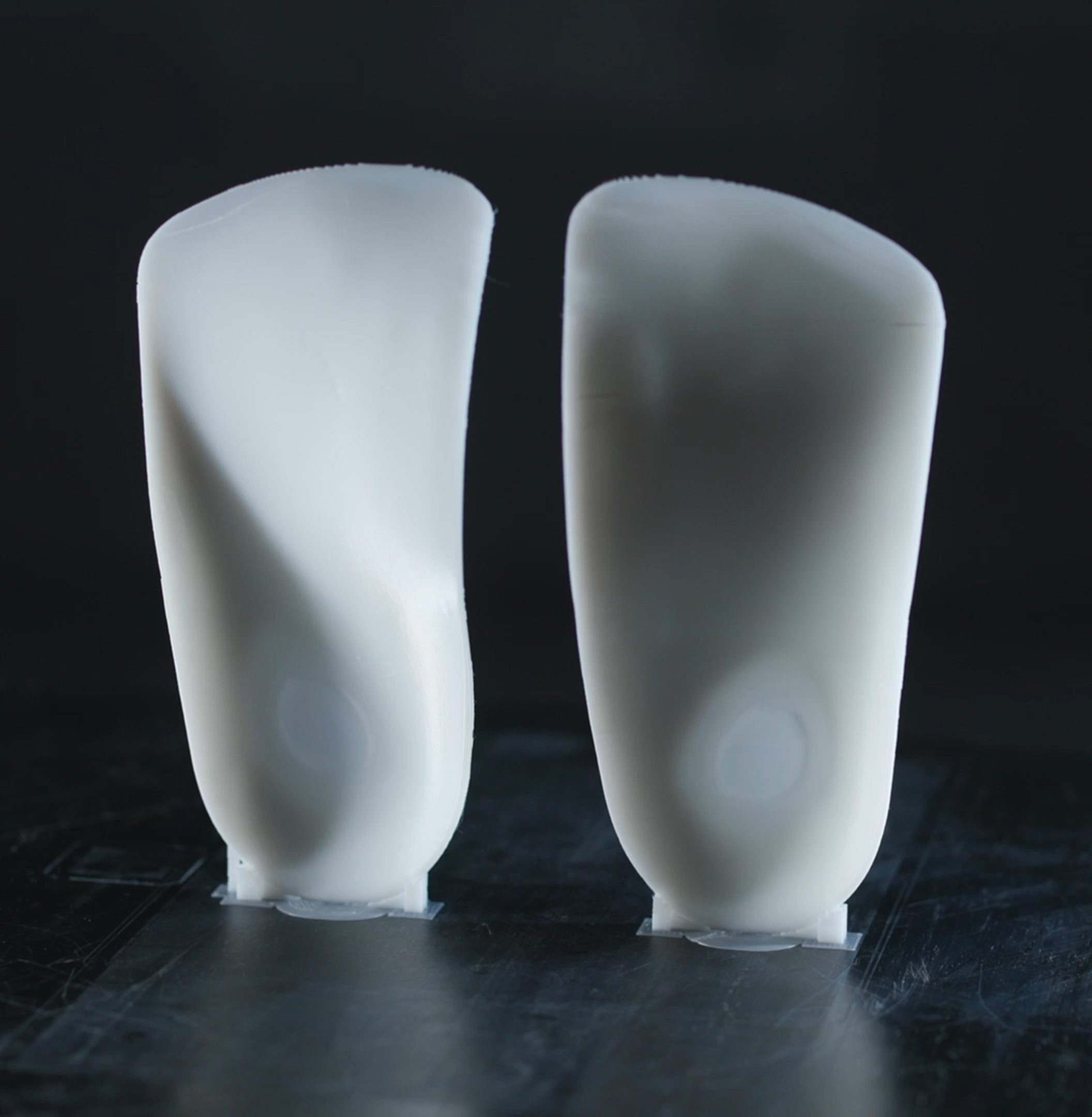
A general-purpose FFF printer may be able to produce the shape of an orthotic. That does not necessarily make it suitable for production.
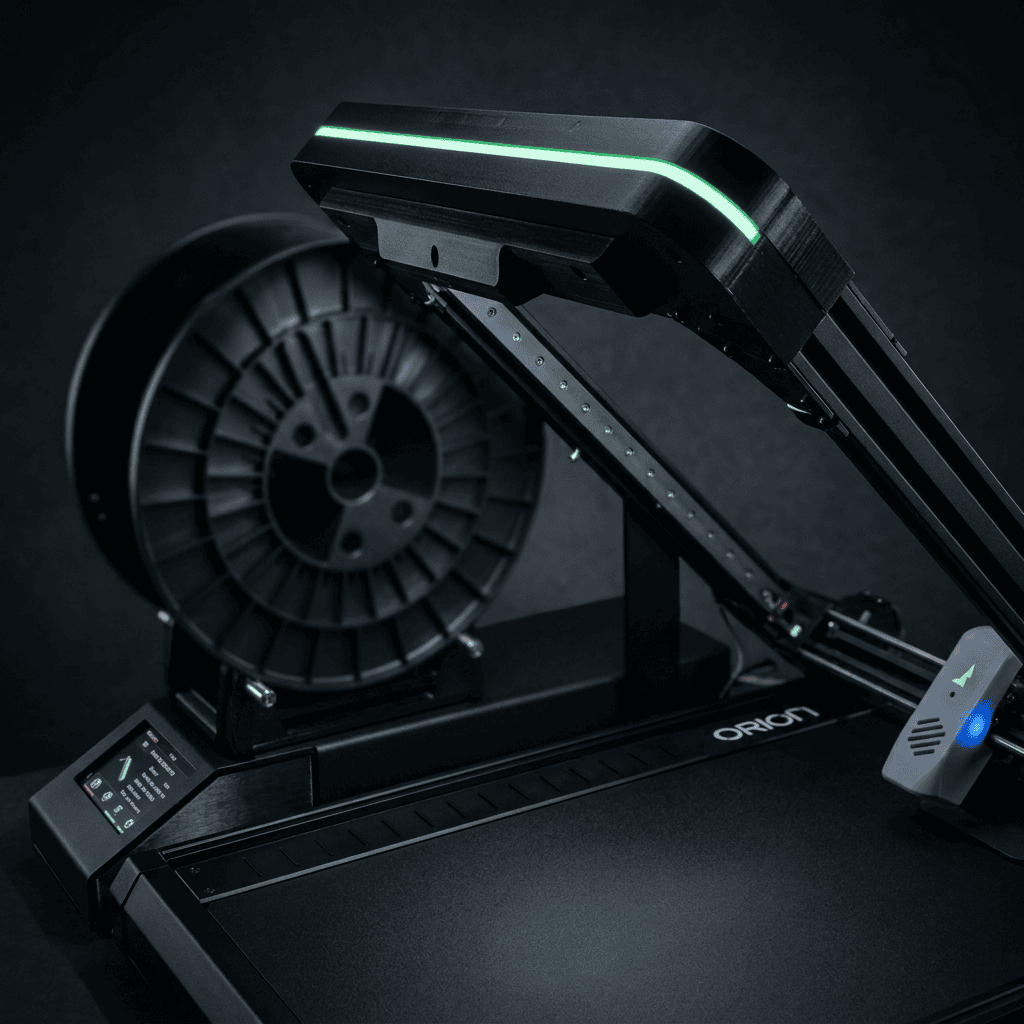
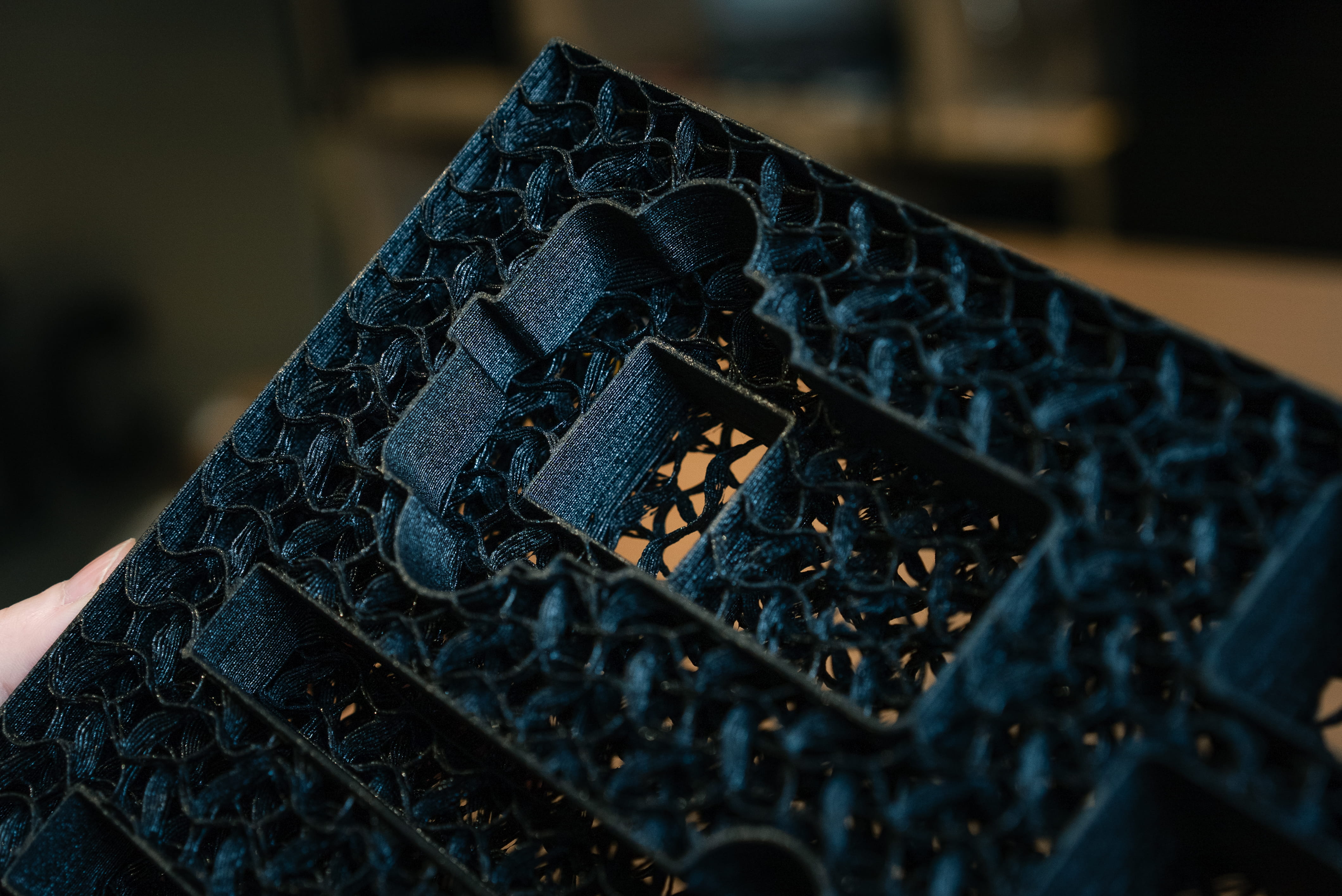
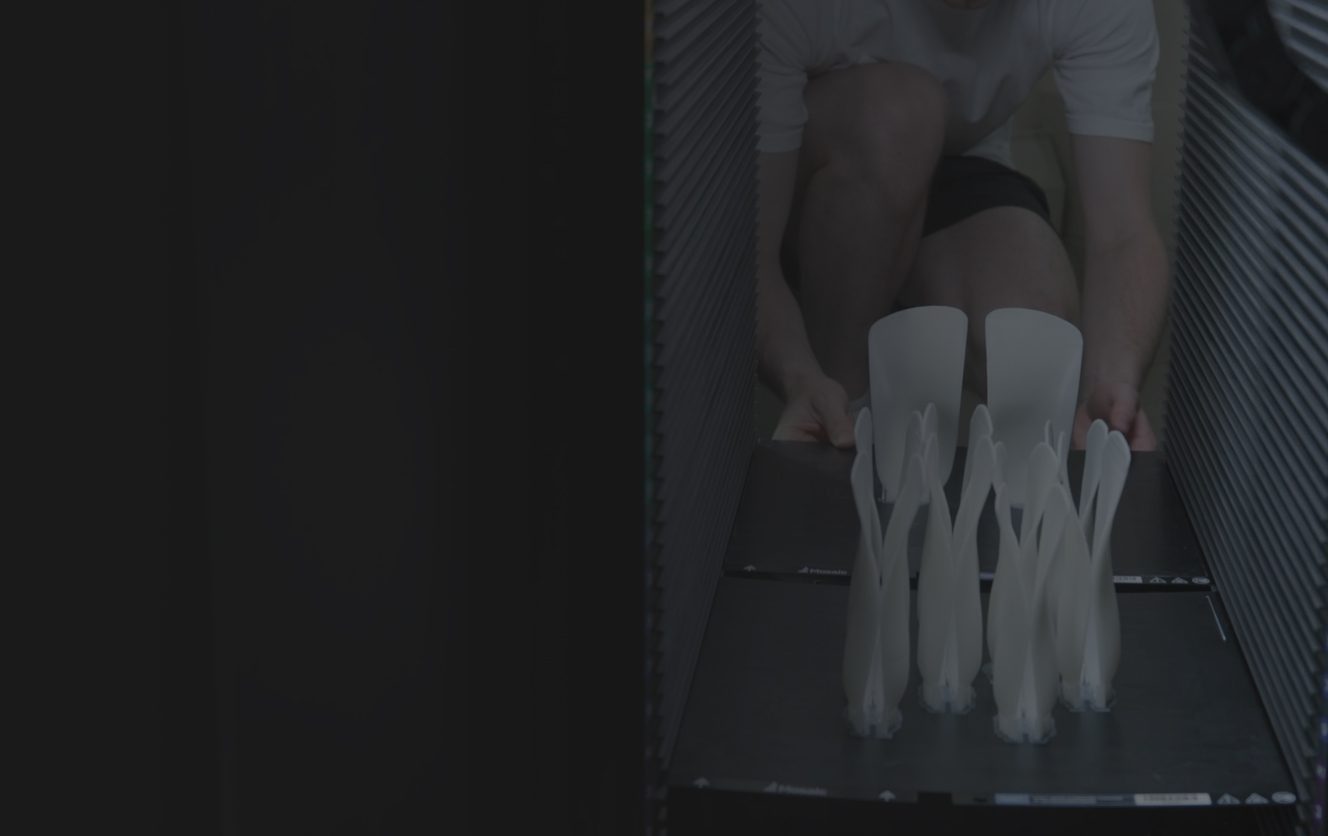
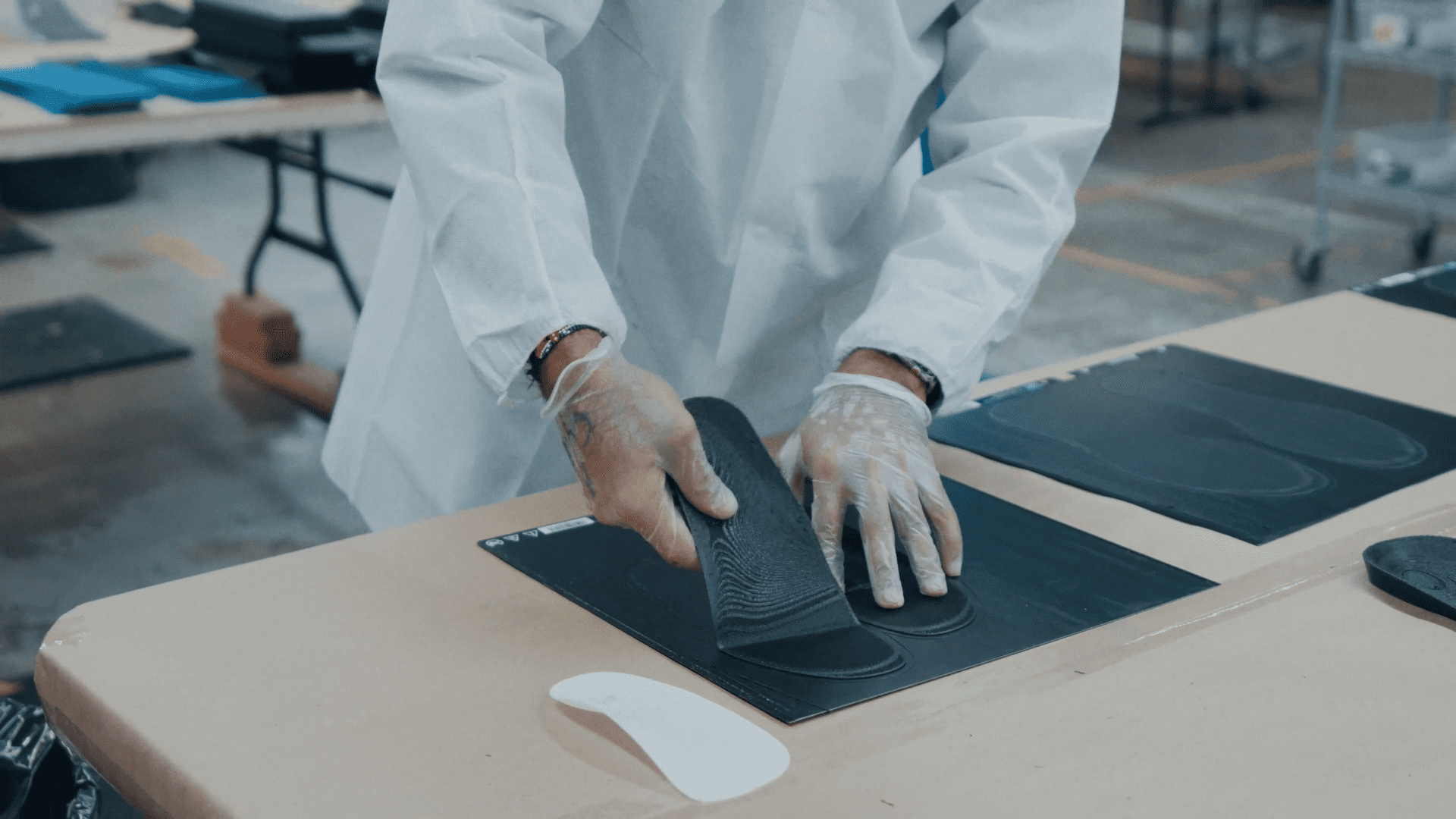
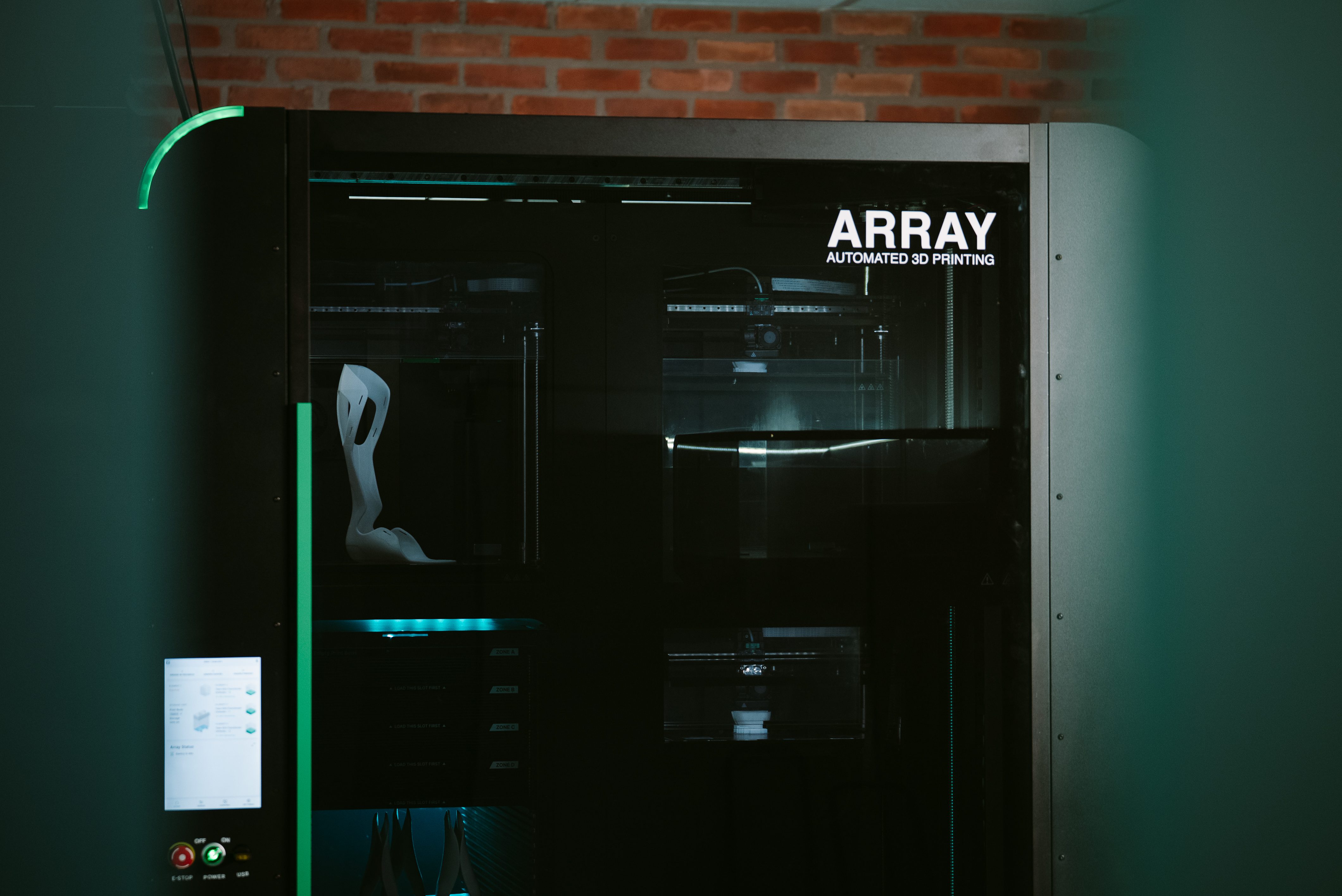
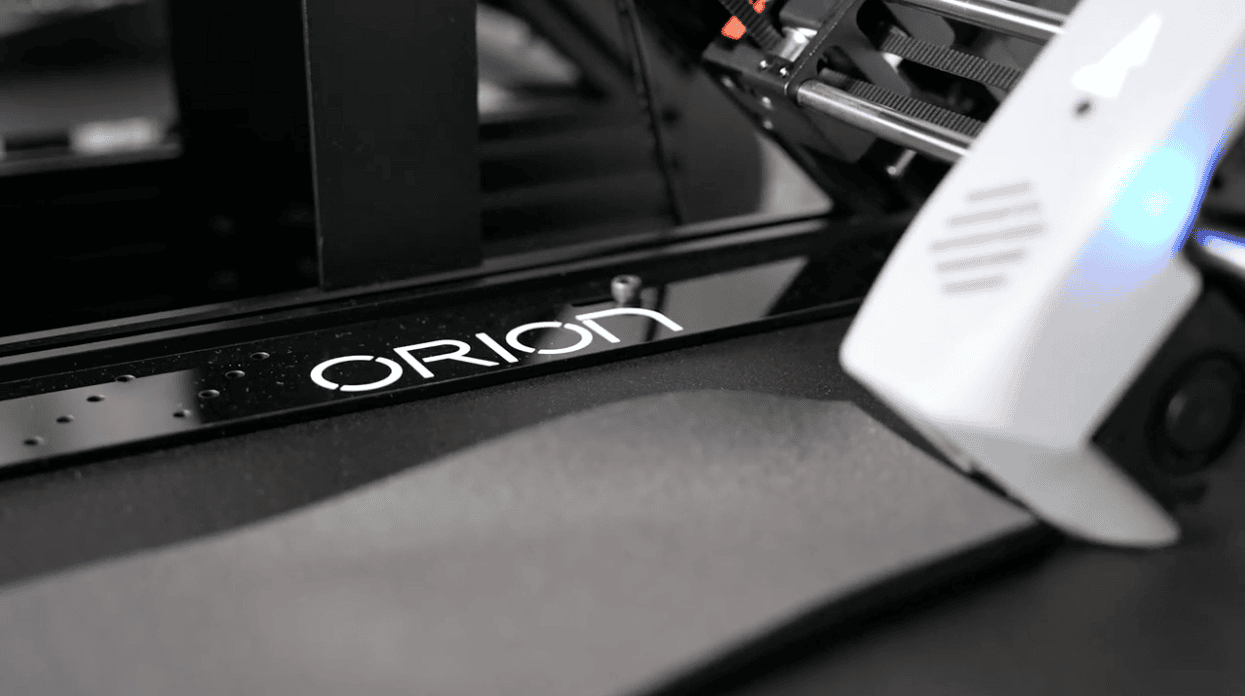
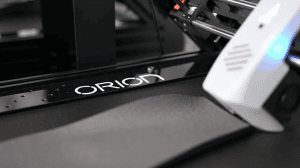
A purpose-built orthotics platform should account for materials, device requirements, production volume, workflow, and repeatability. Mosaic’s Orion automated 3D printing platform is designed for custom orthotics production. Its belt-based architecture allows finished devices to move off the build surface so the next queued job can begin.
This supports continuous production and reduces the need for technicians to manually clear and restart the printer after every device. Orion also supports flexible and rigid orthotics on one platform.
→ Related: SLS vs. Orion’s Belt-Based 3D Printing for Orthotics: What’s the Difference?
Evaluate Materials and Software Alongside the Hardware
Reliable production depends on how the printer, materials, and software work together. A hardware demonstration should therefore be accompanied by a review of the materials, print settings, and preparation workflow used for the devices you intend to manufacture.
Ask which material and device combinations the supplier has tested, what those tests demonstrate, and what quality checks are recommended during production. Also confirm material availability and how changes to software or print settings are introduced.
In an Orion and Stryde workflow, Stryde Design supports patient-specific orthotic design, Stryde Manage organizes prescriptions and case history, and Stryde Print prepares jobs for manufacturing on Orion.
Evaluate how this workflow fits your existing tools and procedures, including file compatibility, access to saved designs, and the steps required for repeat orders.
→ Learn more about Stryde Software Suite
Understand the Support Behind the System
A printer may perform well when it is installed. The long-term question is whether the manufacturer will continue supporting the system as your lab grows.
Before making a decision, ask about:
- Replacement parts and maintenance
- Technical support and training
- Software updates
- Material development
- Product longevity
- Support for existing customers when new products launch
For enterprise labs, vendor support should be part of the operating model. The manufacturer’s ability to support hardware, software, materials, and production workflows can have a major effect on the value of the investment.
→ Related: Platform vs. Point Solutions: Why Orion Is Built as an Ecosystem
The Real Cost of a 3D Printer Is More Than the Purchase Price
The cheapest 3D printer for custom orthotics isn’t necessarily the lowest-cost option.
A better calculation includes:
Purchase price + materials + labor + maintenance + downtime + support + equipment lifespan
A printer that costs less upfront but requires more manual intervention, experiences frequent downtime, or becomes difficult to support can cost considerably more over its lifetime.
For an orthotic manufacturing company, reliability is ultimately about protecting production. Your equipment should help your team produce more consistently, not create another production problem to manage.
Choose the Production System, Not Just the Printer
When a lab invests in digital orthotics manufacturing, it is choosing the materials, software, support structure, and workflow that will shape production for years.
Orion provides the automated manufacturing platform. Stryde connects the workflow from patient scan and prescription through design, case management, and production. Together, they give labs a stronger foundation for reliable production, lower manual labour, and long-term growth.
If you are evaluating 3D printing for orthotics, bringing production in-house, or expanding an existing operation, contact Mosaic or email sales@mosaicmfg.com.