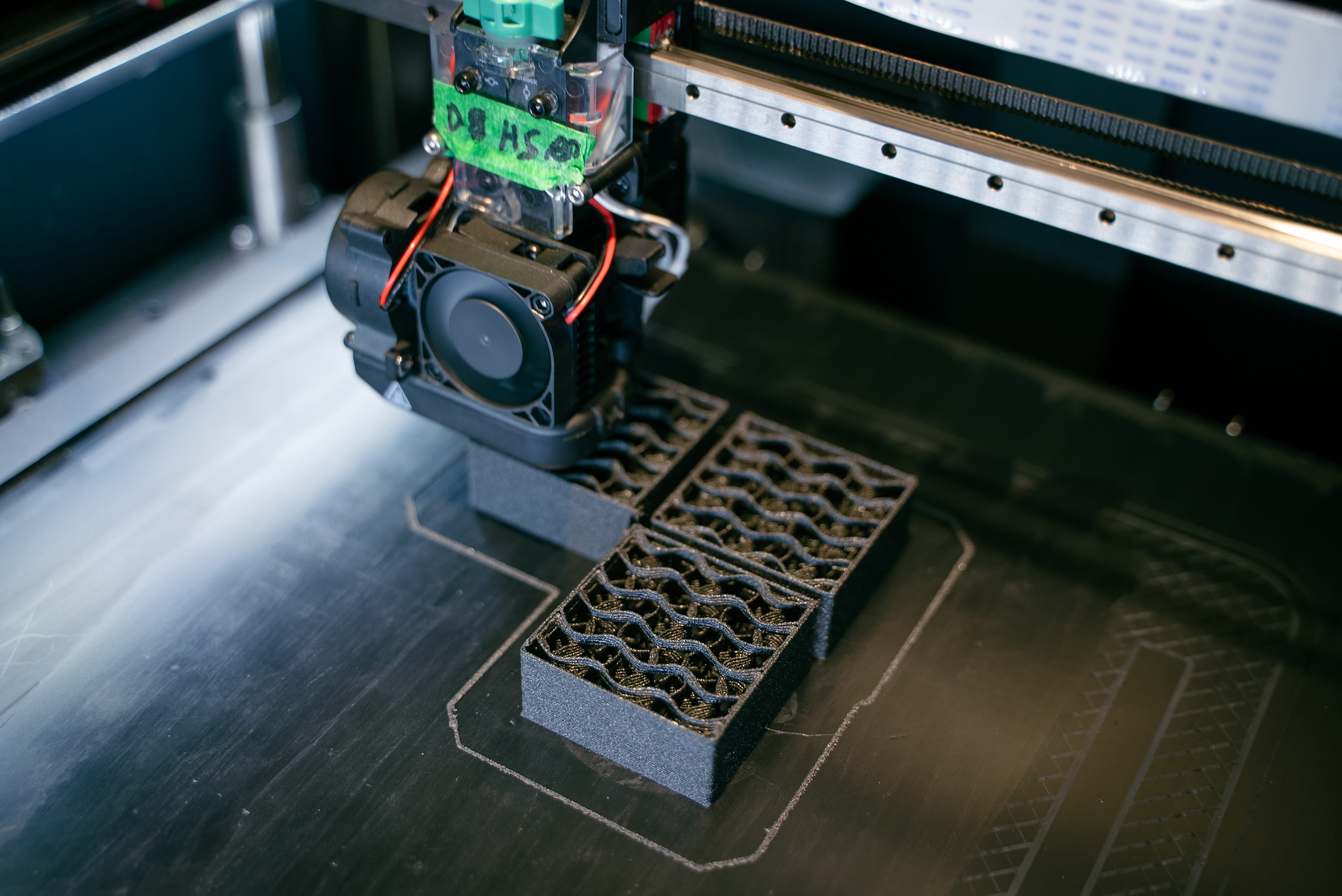
Medical device packaging isn’t a commodity problem. The foam insert that protects a surgical instrument in transit, cradles a diagnostic device, or presents a capital equipment accessory for field service has to fit precisely, perform consistently, and be documented well enough to survive an audit. And in medical device development, designs change often — so the packaging has to keep up.
The traditional foam supply chain wasn’t built for that pace. It was built for volume. For manufacturers running low-to-medium volumes with frequent design iterations, that mismatch shows up as delay, cost, and risk.
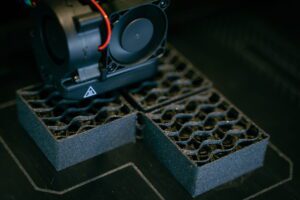
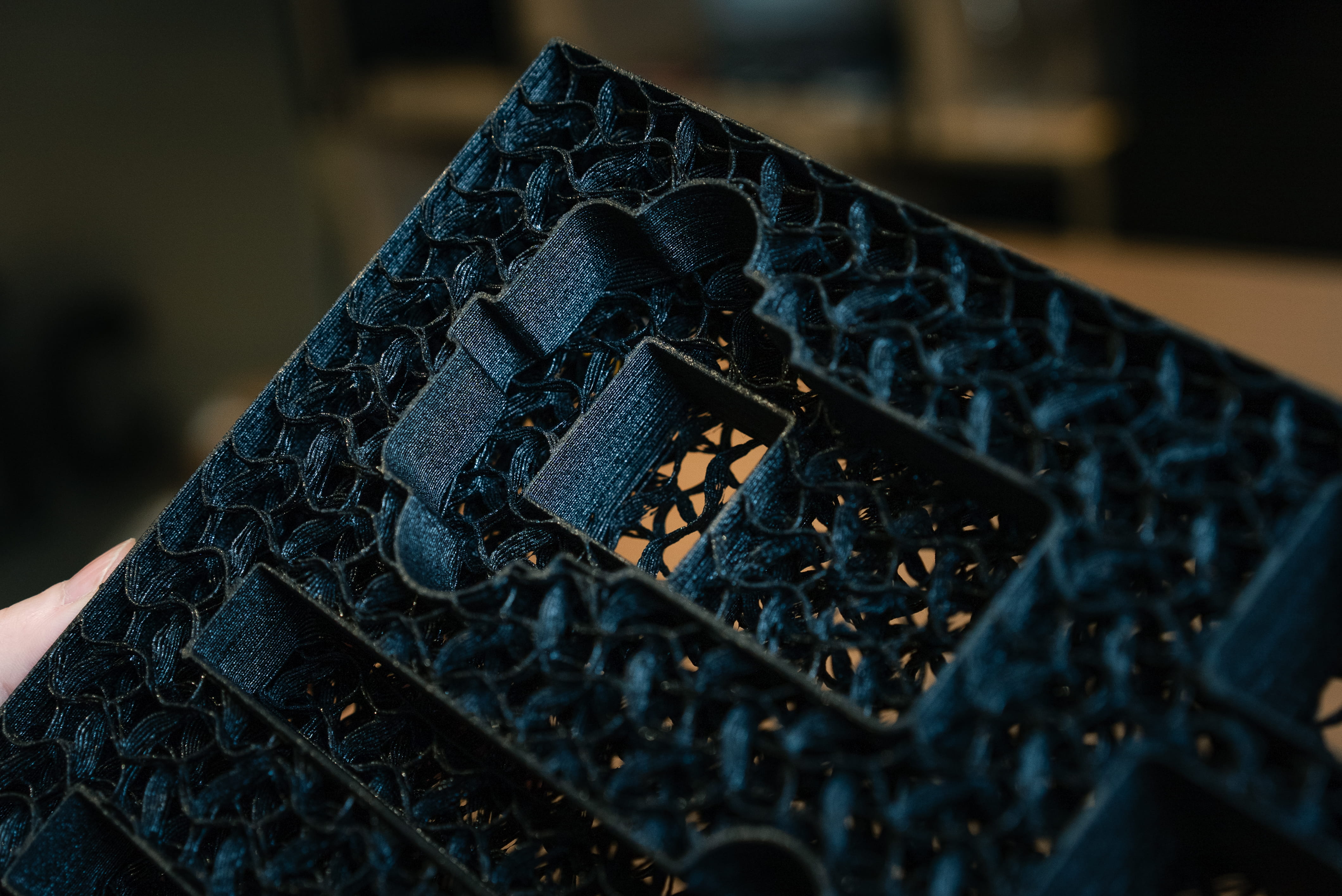
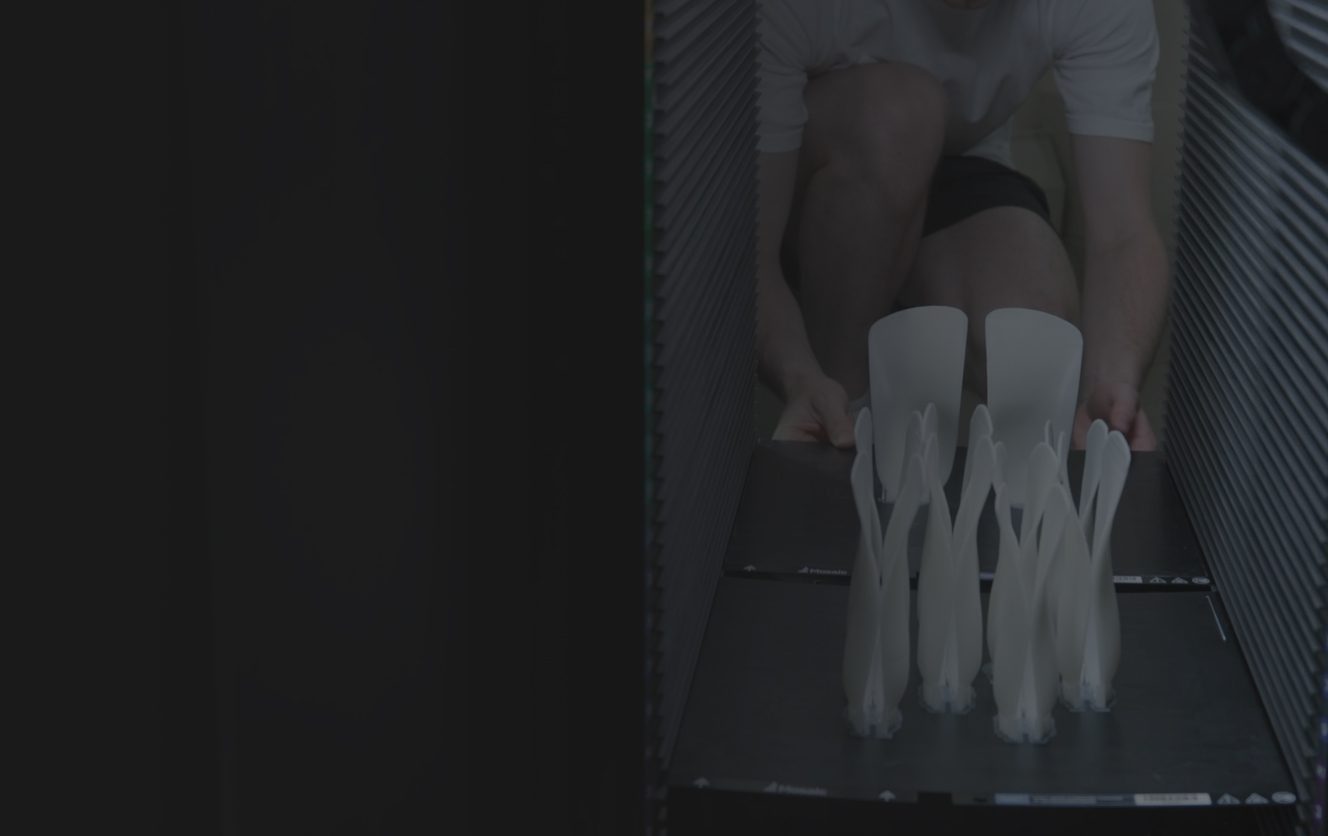
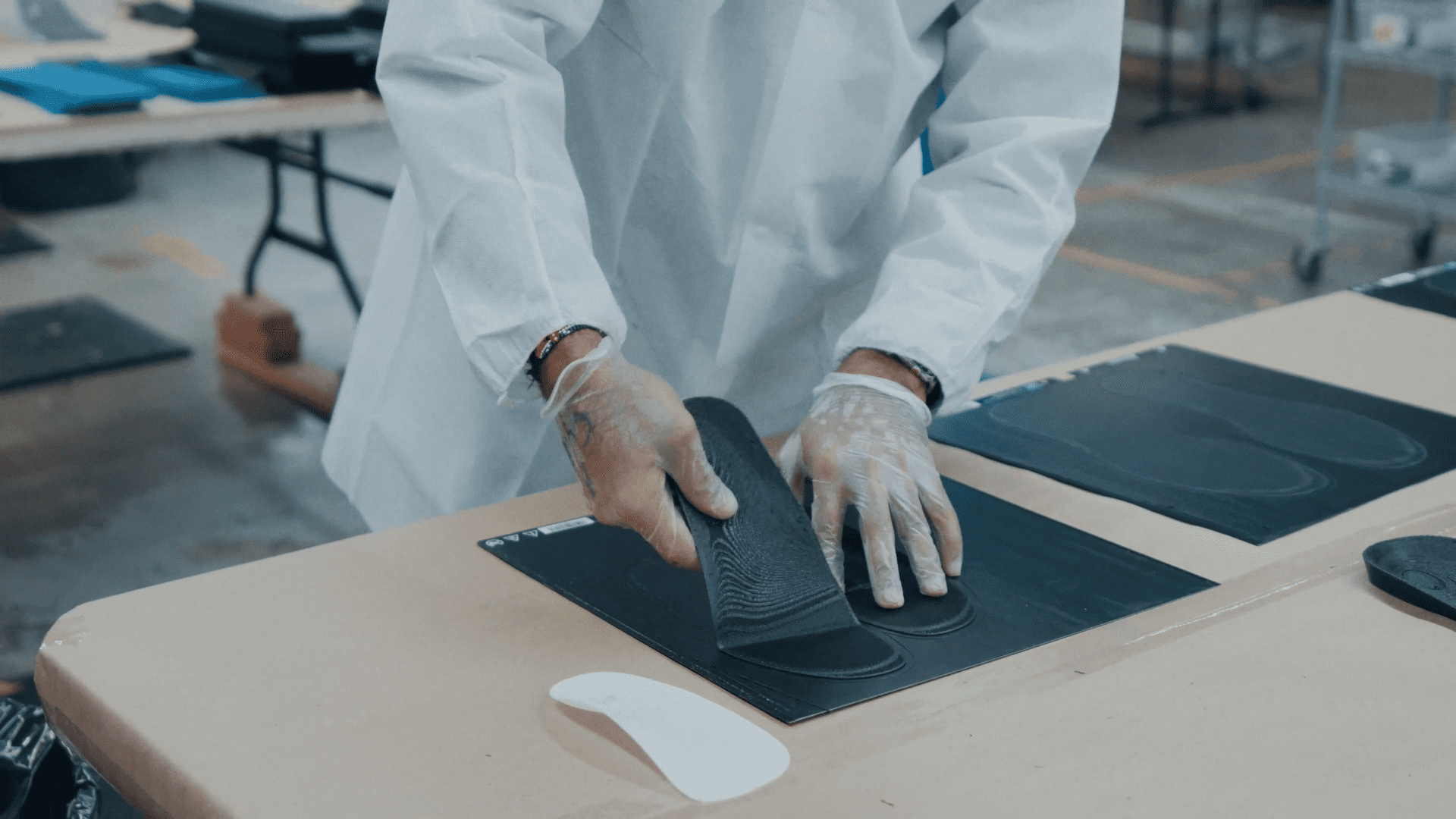
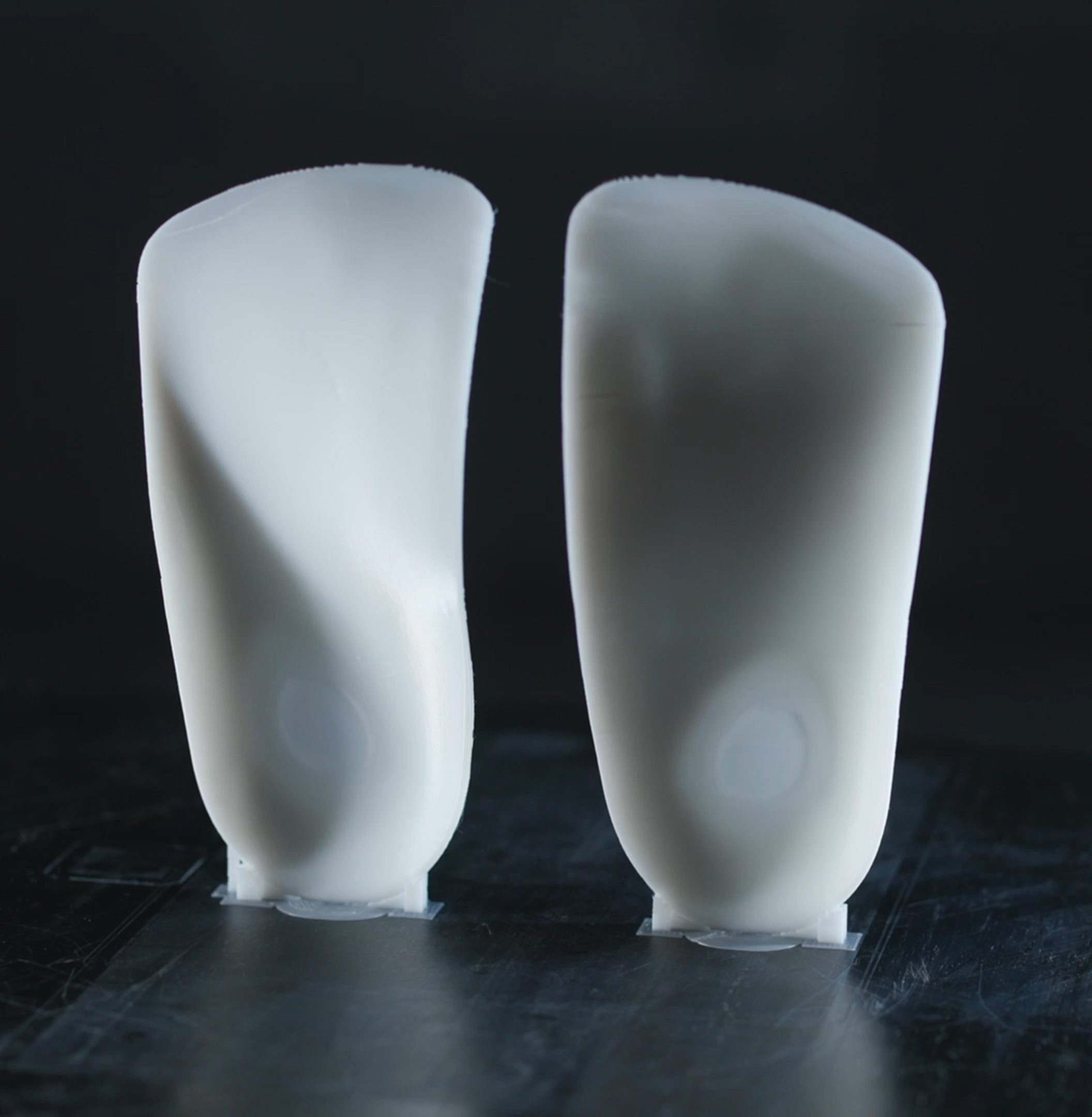
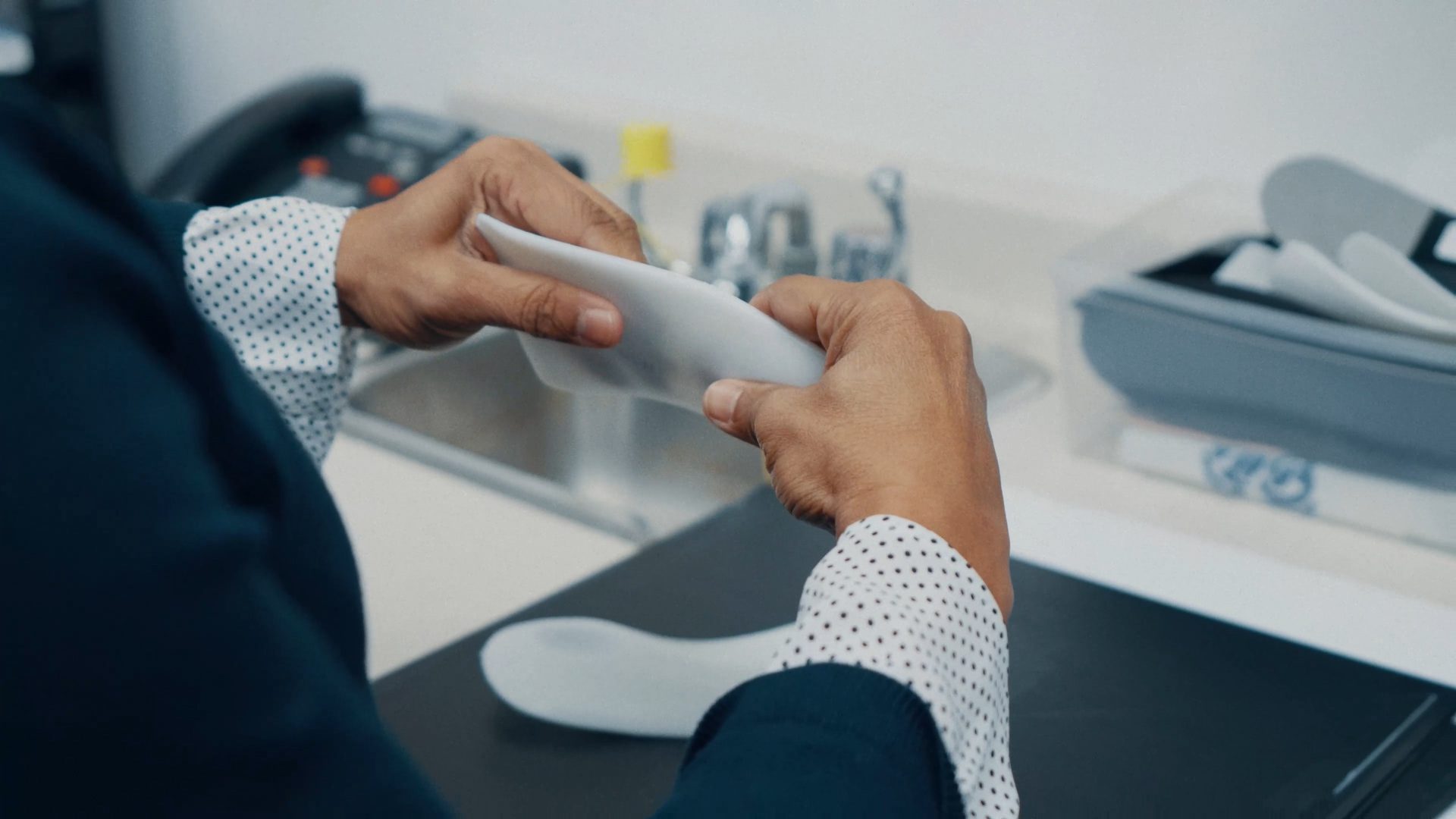
Mosaic Stitch, a foamed elastomeric filament engineered as a direct replacement for PE, XLPE, and EVA foam, offers a different model: on-demand production of custom inserts from digital files, with consistent, documented output and no minimum order. This post covers where that model fits in medical device packaging and how to evaluate it against your current supplier.
The Supply Chain Problem, Documented
Lead times
Custom foam inserts from specialist suppliers typically take days to weeks depending on complexity. Every design revision adds that lead time again — three revisions at two weeks each is six weeks spent waiting on samples.
MOQ minimums
Some suppliers require 1,000+ units minimum. For a device in early commercial launch at 50–500 units, that forces a choice: pay for inventory you can’t consume, or find a supplier willing to run small batches at a steep premium.
Supply chain fragility
Foam supply chains have seen unpredictable lead times, resin shortages, and workforce disruption. Suppliers often respond by carrying more inventory — which shifts the buffer cost temporarily but doesn’t resolve the underlying dependency on a single supplier for a regulated component.
Consistency requirements
Foam has to perform identically batch to batch. Manual fabrication introduces operator variability that’s hard to document and harder to defend in an audit.
Where 3D Printed Foam fits
3D printed foam isn’t a replacement for high-volume commodity packaging where a validated supplier is already performing well. But for low volume, frequent iteration, tight timelines, and multi-SKU programs — exactly where traditional supply chains struggle — it’s a strong alternative.
- Design iteration without the wait. Update the insert geometry, send the file to the printer, get a new sample same-day or next-day. No PO, no lead time. Iterations that took weeks compress to hours.
- No MOQ. Print 10 inserts or 500 at the same per-part cost — there’s no setup cost or tooling to amortize. That removes a structural barrier for early-commercial and low-volume programs.
- Consistent, repeatable output. Same file, same print settings, same output, run after run. That repeatability is what makes it documentable — and documentation is what makes it defensible in a regulatory file.
- On-demand production from digital inventory. The insert lives as a file, not a warehouse. No carrying cost, no obsolescence risk when the design changes.
Addressing the Validation Objection Directly
The most common, legitimate pushback from regulatory affairs: will this material pass our testing, and what does adopting it mean for change control? That deserves a direct answer.
Material performance
Introducing a new material or process
Change notification
Batch consistency
What a Pilot Looks Like
Start with a non-critical application — an accessory insert, a secondary packaging component, or a device still pre-validation. That lets you evaluate material performance, dimensional accuracy, and documentation without triggering change control on a validated system.
- Identify a non-critical insert currently constrained by supplier lead time or MOQ.
- Request a printed sample in the target geometry and density; check dimensional fit, cushioning behavior, and surface finish against your current insert.
- Pull the material data sheet and compare it against your packaging spec.
- Run shipping simulation or drop testing on the printed samples if your protocol requires it.
- Review the documentation package: dimensional tolerances, process parameters, change notification policy.
- If it passes, use printed foam for new SKUs and iteration work, and keep the current supplier for validated lines.
About Mosaic Stitch
Mosaic Stitch is built to map directly onto the foam specs you’re already using. Density is tunable to match the mechanical performance of PE, XLPE, or EVA, and abrasion resistance, chemical resistance, and surface finish are designed to meet the same handling and presentation requirements.
Stitch runs on standard FFF printers with existing slicer profiles, so qualifying a part doesn’t require new equipment or a parallel production line. Full specs, tolerances, and print parameters are in the Mosaic Stitch data sheet.
Ready to evaluate Mosaic Stitch for your packaging line?
Talk to our team about running a pilot with your own insert geometry. Email us at sales@mosaicmfg.com to get started. For a broader look at how 3D printed foam applies across packaging, organization, and production use cases, see The Complete Guide to 3D Printed Foam: Custom Packaging, Organization & Production Solutions.