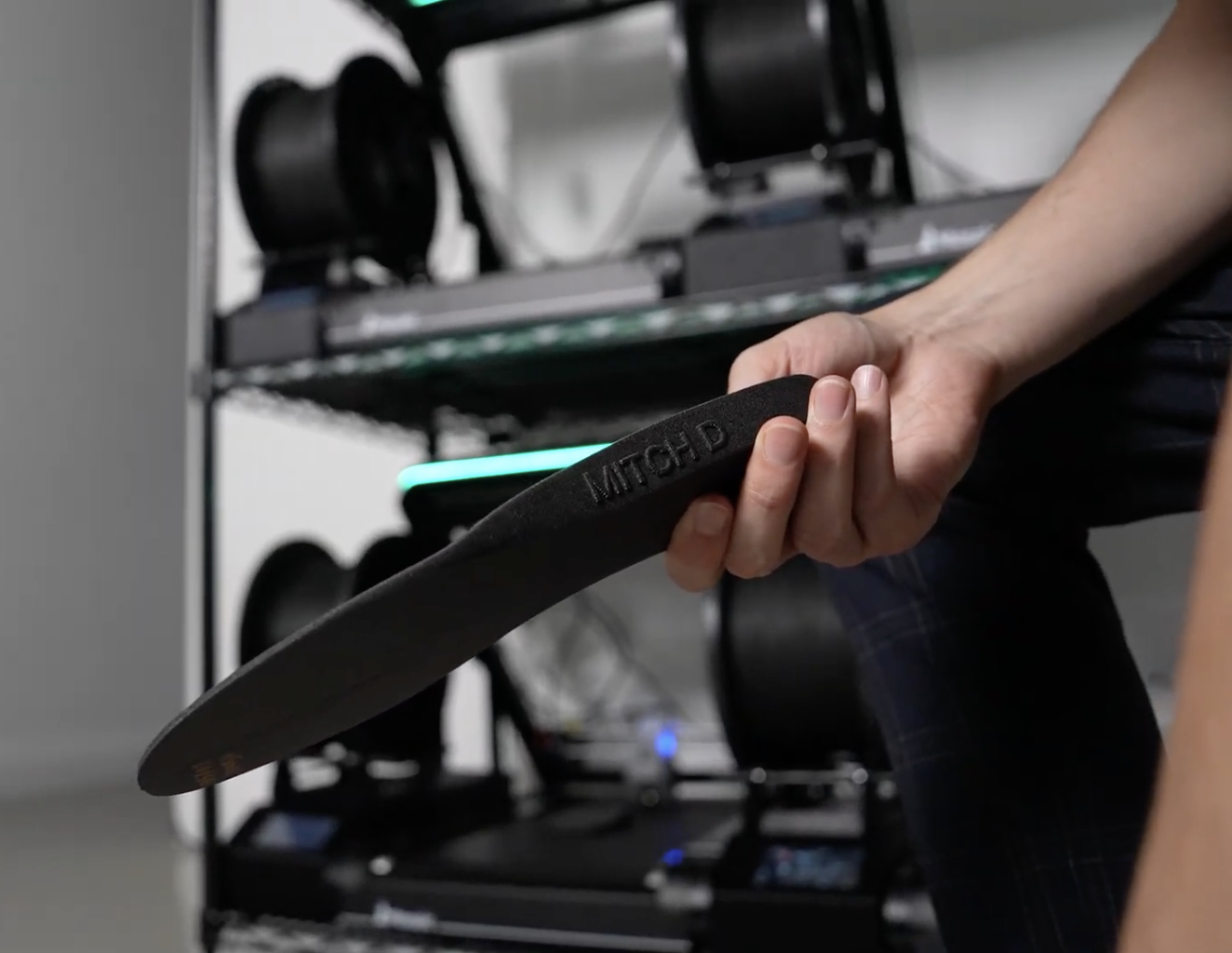
For an orthotics lab evaluating 3D printing for orthotics, one question comes up quickly: how many pairs can we actually produce?
It’s tempting to compare machines on print time alone. In a real production environment, though, throughput depends on much more than how quickly one pair prints. The better question is how many pairs the system can reliably produce each month without adding labour or creating bottlenecks.
From print speed to production throughput
Fixed-bed FFF printers and CNC systems stop between jobs and need an operator to clear the bed or reset the board and start the next run. Every job requires labour intervention, which creates downtime between pairs and ties output to staffed hours.
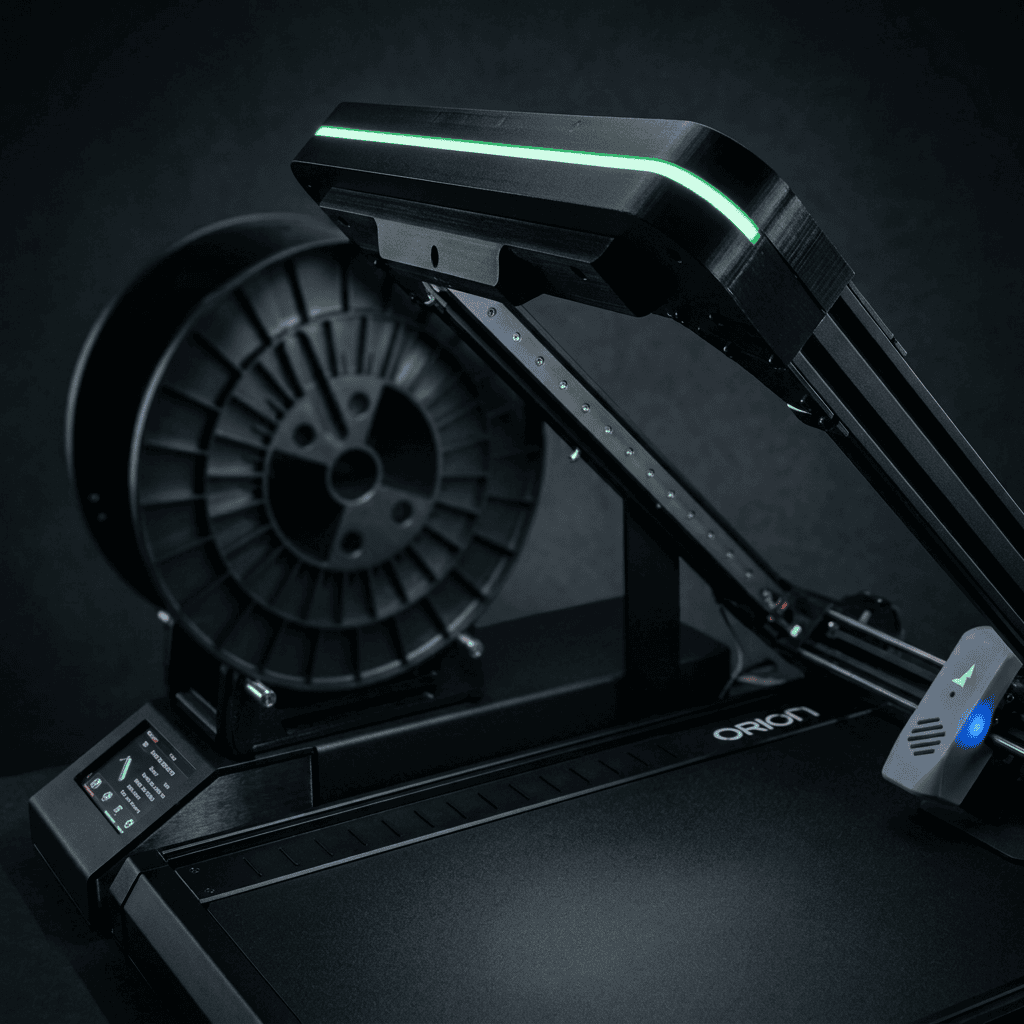
Mosaic’s Orion automated 3D printing platform paired with Stryde Print is designed for continuous, queued manufacturing. As one device is completed, the belt moves it away from the production surface so the next queued job can proceed, which reduces manual changeover and keeps production moving.
→ Related: SLS vs. Orion’s Belt-Based 3D Printing for Orthotics: What’s the Difference?
How many pairs can Orion produce?
Orion is designed to produce approximately 300 pairs per month from a single printer, or roughly 3,600 pairs per year. That figure is based on a women’s US size 7 and Shore 25A reference case, with a print time of approximately 2 hours per pair. Actual output depends on device size, material, design, operating schedule, and production mix.
The 300-pair figure is best used as a planning reference to estimate how many production units a lab may need as demand grows.
→ Learn more about Orion
What does that mean for your lab?
- Small and mid-sized labs: One Orion can add production capacity and support a move to in-house manufacturing.
- Growing labs: Additional units expand capacity while keeping the same production model.
- Larger labs and multi-site organizations: Units can be distributed across locations to support continuity and demand.
This lets labs scale 3D printed orthotics production without scaling headcount alongside it.
→ Related: The Economics of Scaling Orthotics Production With Orion
Your printer is only as productive as the workflow behind it
The Stryde Software Suite connects the workflow from patient scan to finished device:
- Stryde Scan captures patient foot geometry at the point of care.
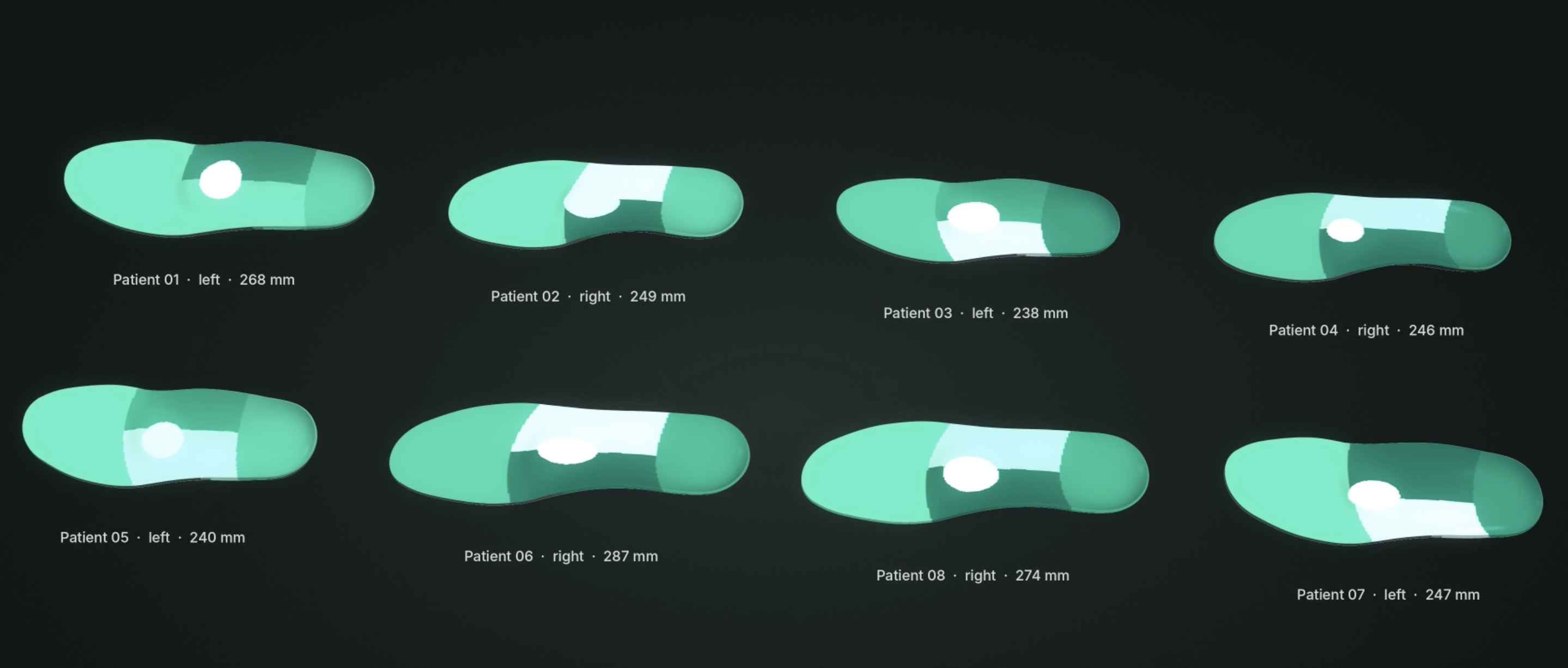
- Stryde Design turns scan data and clinical inputs into customized orthotic designs.
- Stryde Print prepares and manages production:
- Density can be set by zone or across the whole device, without manual slicing.
- Jobs are routed to the next available Orion printer.
The goal is to remove the gaps between steps, so production equipment spends more time producing and less time waiting.
→ Related: From Scan to Finished Device: The Orion + Stryde Workflow Explained
Make more use of the capacity you already have
Cases prepared during the day can be queued to run overnight or over the weekend, so equipment keeps producing when your team isn’t there.
This doesn’t change the printer’s maximum capacity. It changes how much of that capacity your lab can actually use. For labs with growing order volumes, that can mean more output without immediately adding another machine or shift.
→ Related: Production Beyond the 9-to-5: What Overnight and Weekend Manufacturing Means for Labs
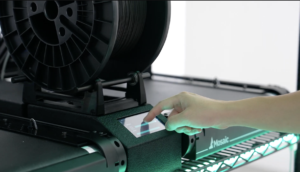
Where this fits into capacity planning
When evaluating digital orthotics manufacturing, don’t just ask how fast a printer can produce a pair. Ask how many pairs you can reliably produce each month, and how much labour it takes to keep production moving. That’s the difference between buying a 3D printer and investing in a scalable production system.
The reference capacity of approximately 300 pairs per month per Orion gives labs a starting point for planning. Stryde connects scan data to design and production, while Orion provides the automated platform that keeps cases moving with less manual intervention.
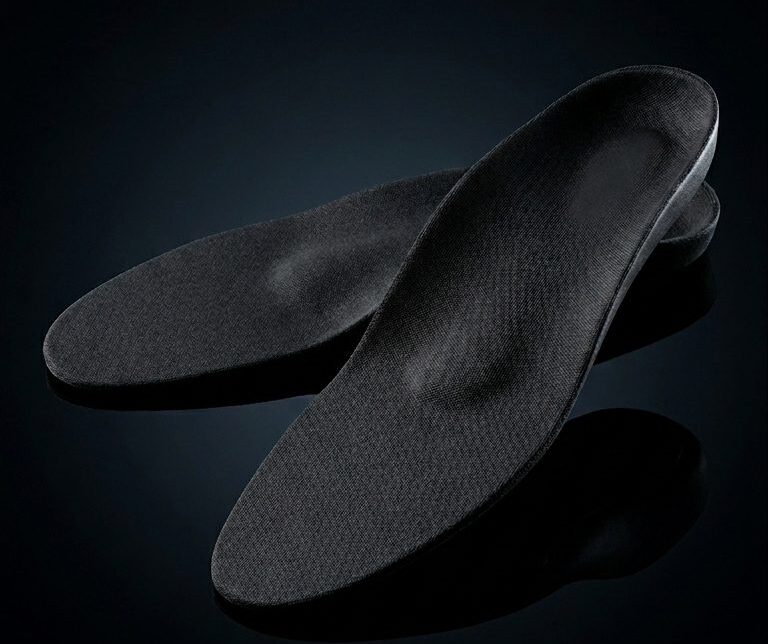
Plan Your Production Capacity. Request an Orion demo to discuss your production volume, device mix, and capacity goals, or request a sample pair to see the output for yourself.