When orthotics labs evaluate 3D printing for custom device production, two technologies dominate the conversation: powder-based systems, SLS (Selective Laser Sintering) and HP Multi Jet Fusion (MJF), and belt-based FFF systems like Orion by Mosaic Manufacturing.
Both are additive manufacturing platforms. Both are used in clinical orthotic production. But they are built on different assumptions about what an orthotics manufacturing system needs to do, and they deliver very different operational and economic outcomes as a result.
The question isn’t which technology is superior in the abstract. It’s which platform fits the clinical case mix, production volume, facility footprint, and economics of a specific O&P lab.
What’s the difference between SLS and Orion’s belt-based 3D printing?
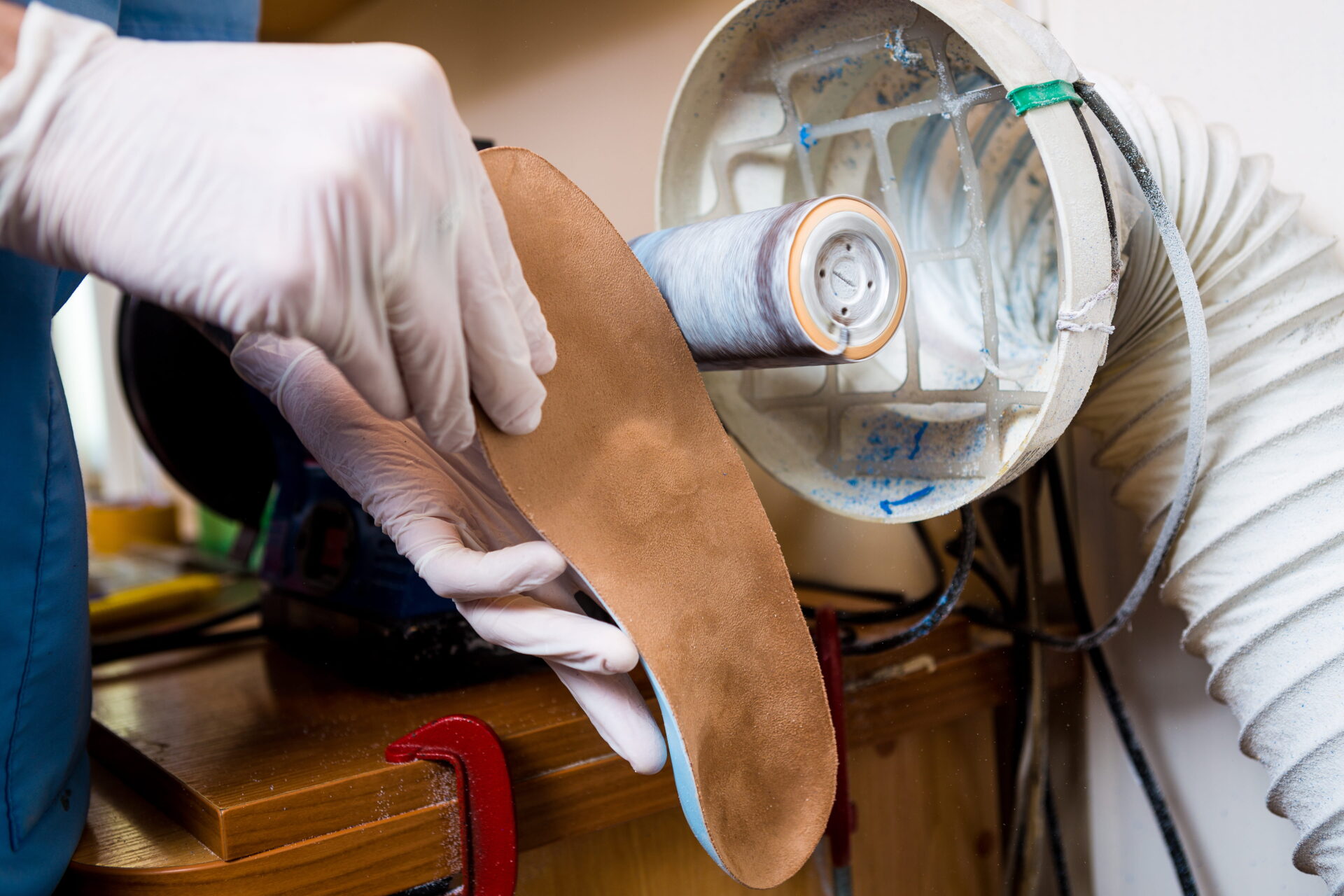
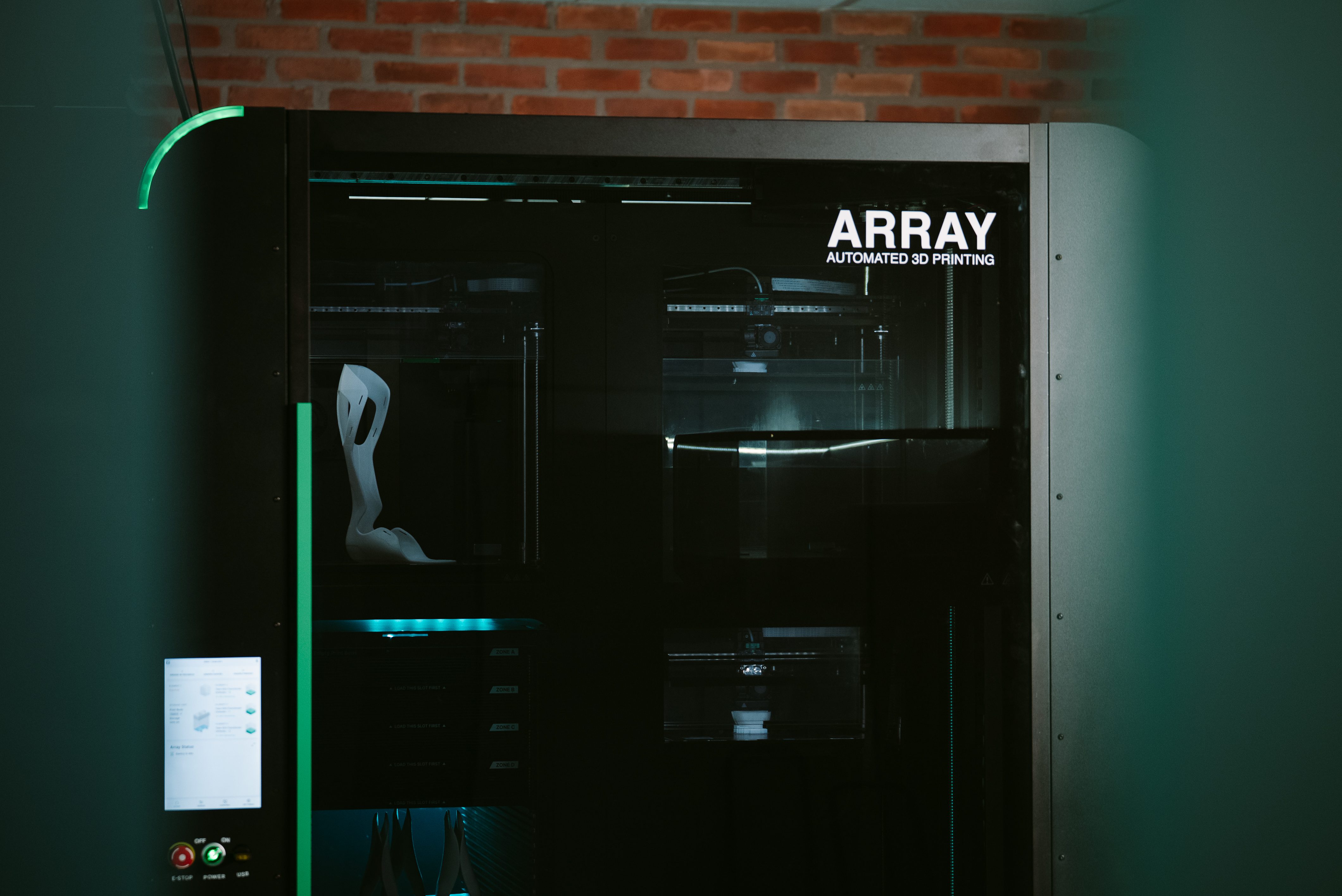
SLS fuses nylon powder with a laser inside a sealed build chamber. Once a build finishes, the powder bed must cool before parts are excavated, cleaned, de-powdered, and typically bead-blasted before they’re clinically ready. MJF follows a similar cycle with different fusing mechanics but the same post-processing burden.
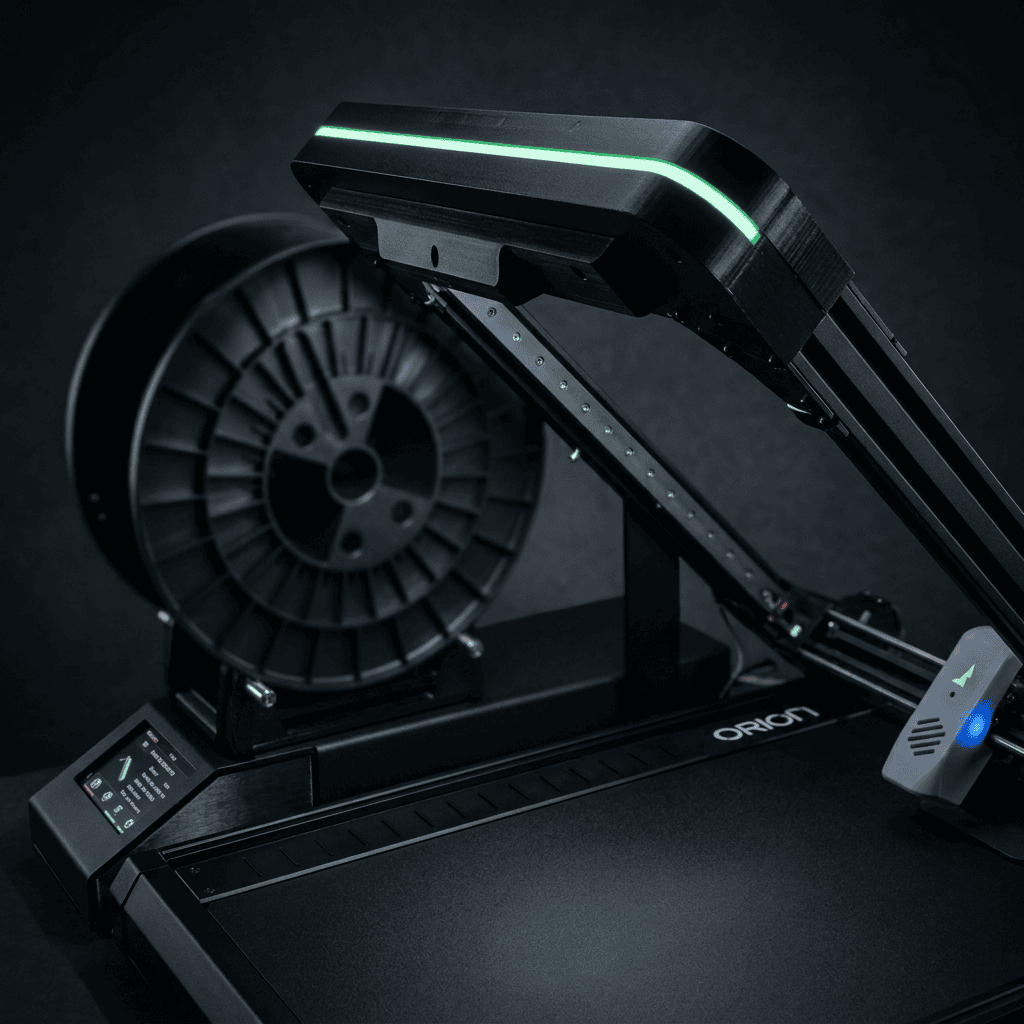
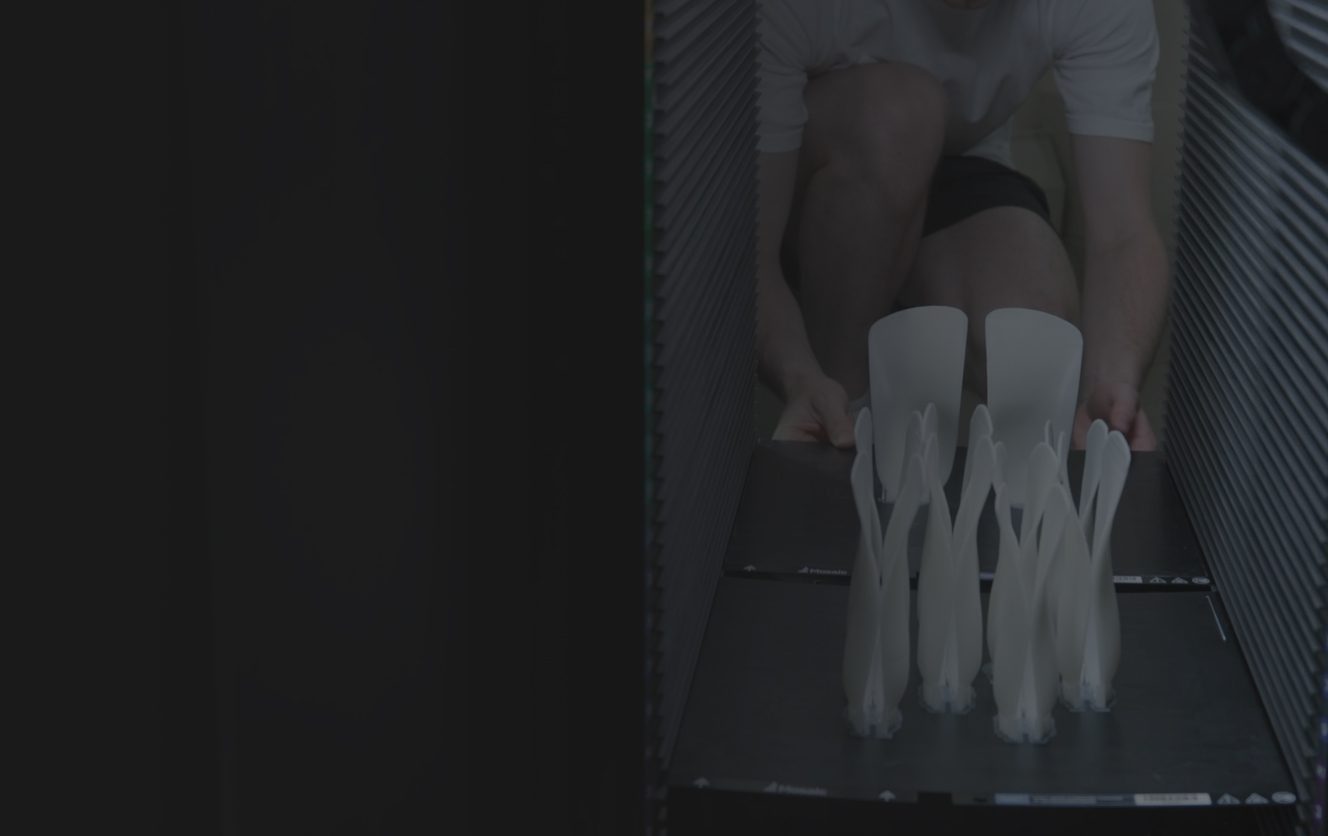
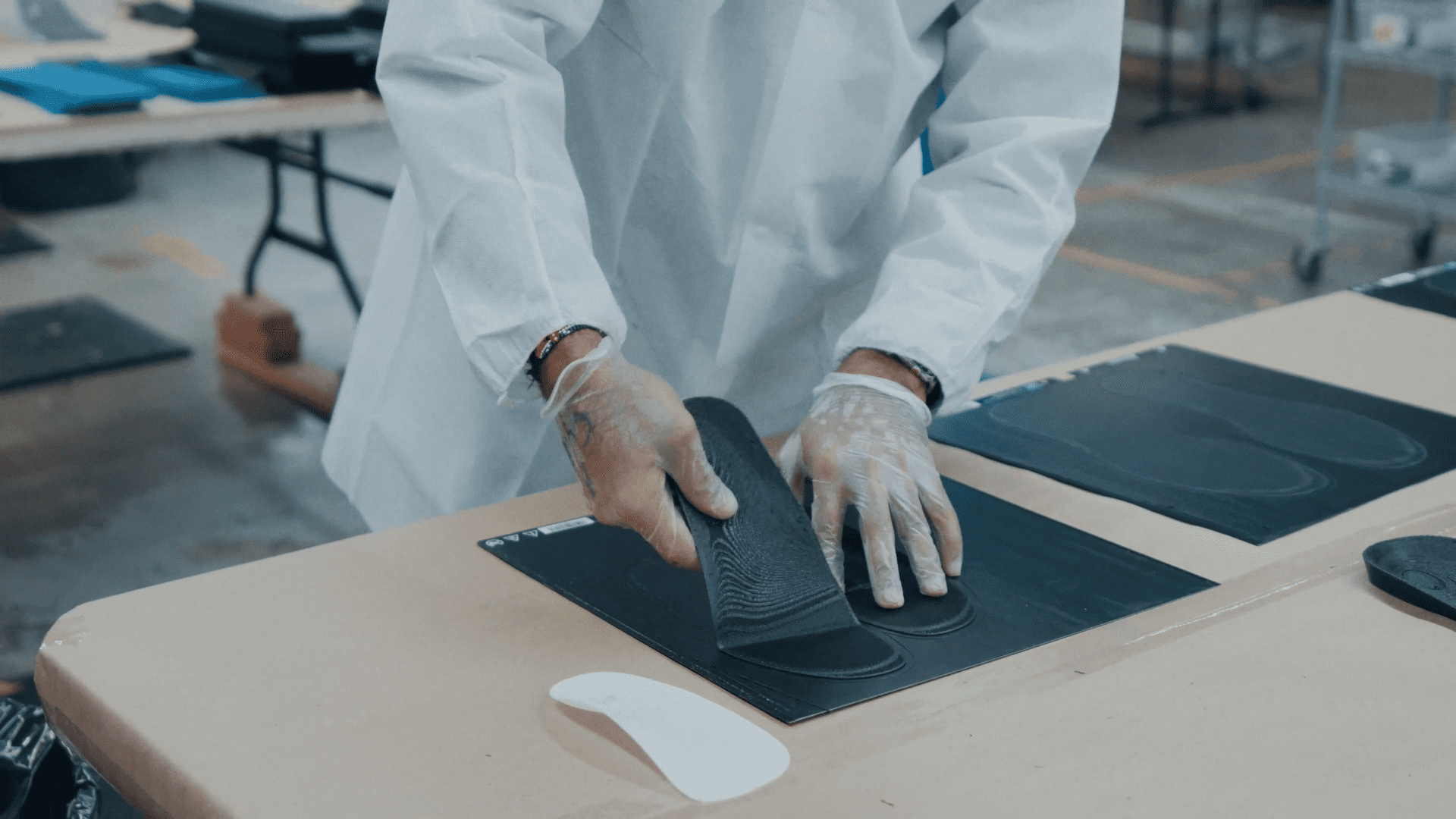
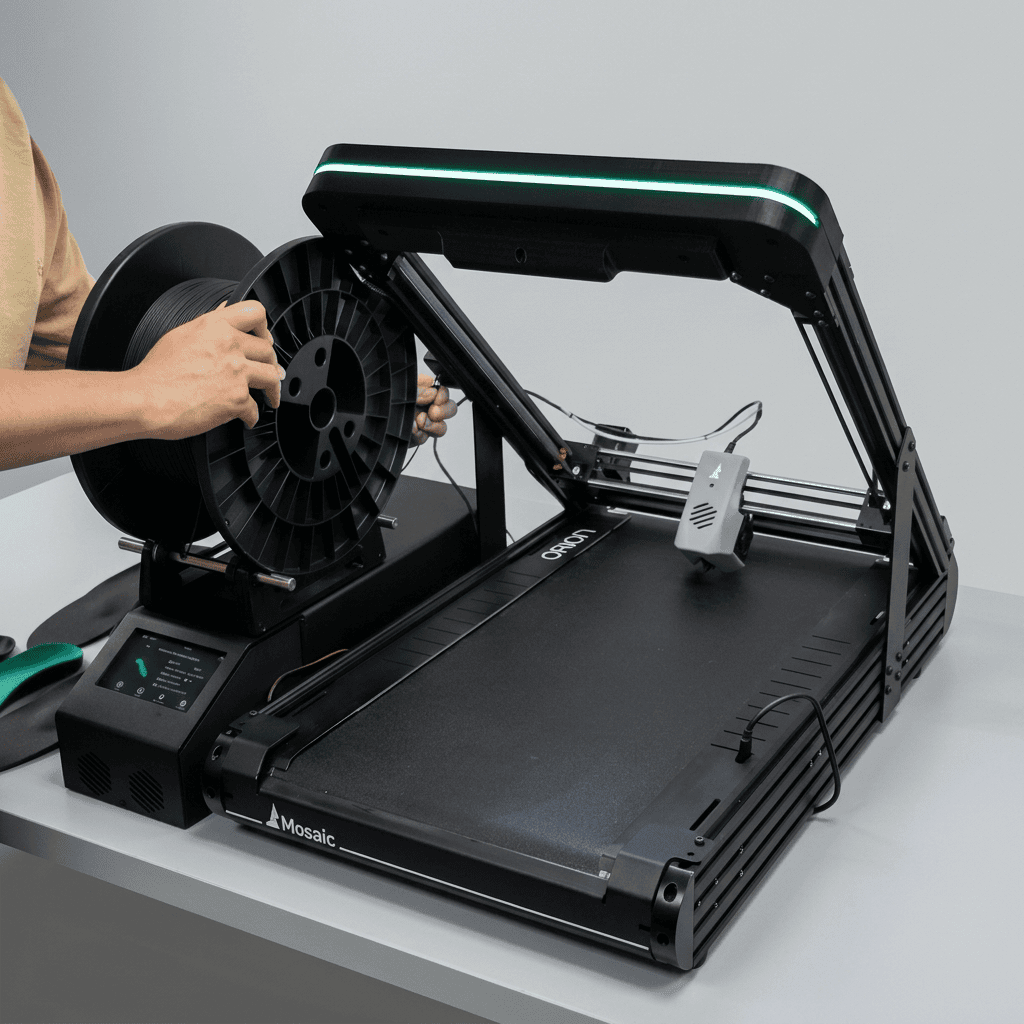
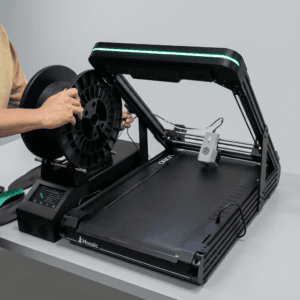
Orion removes that cycle entirely. Its belt-based FFF process deposits thermoplastic on a continuously moving conveyor, as each orthotic finishes, the belt automatically ejects it and starts the next job. No powder, no cooling, no batch, no post-processing.
The belt is what separates Orion from SLS and from standard desktop FFF printers, which still stop and require manual unloading between jobs. Orion enables continuous, automated production overnight and through weekends with no operator intervention, automation isn’t added on, it’s the system’s core design principle.
How does each technology handle soft vs. rigid orthotics?
Device type capability is the most clinically significant difference between SLS and belt-based production, and the one that most directly affects a lab’s ability to serve its full patient case mix from a single platform.
SLS and MJF: Rigid orthotic devices only
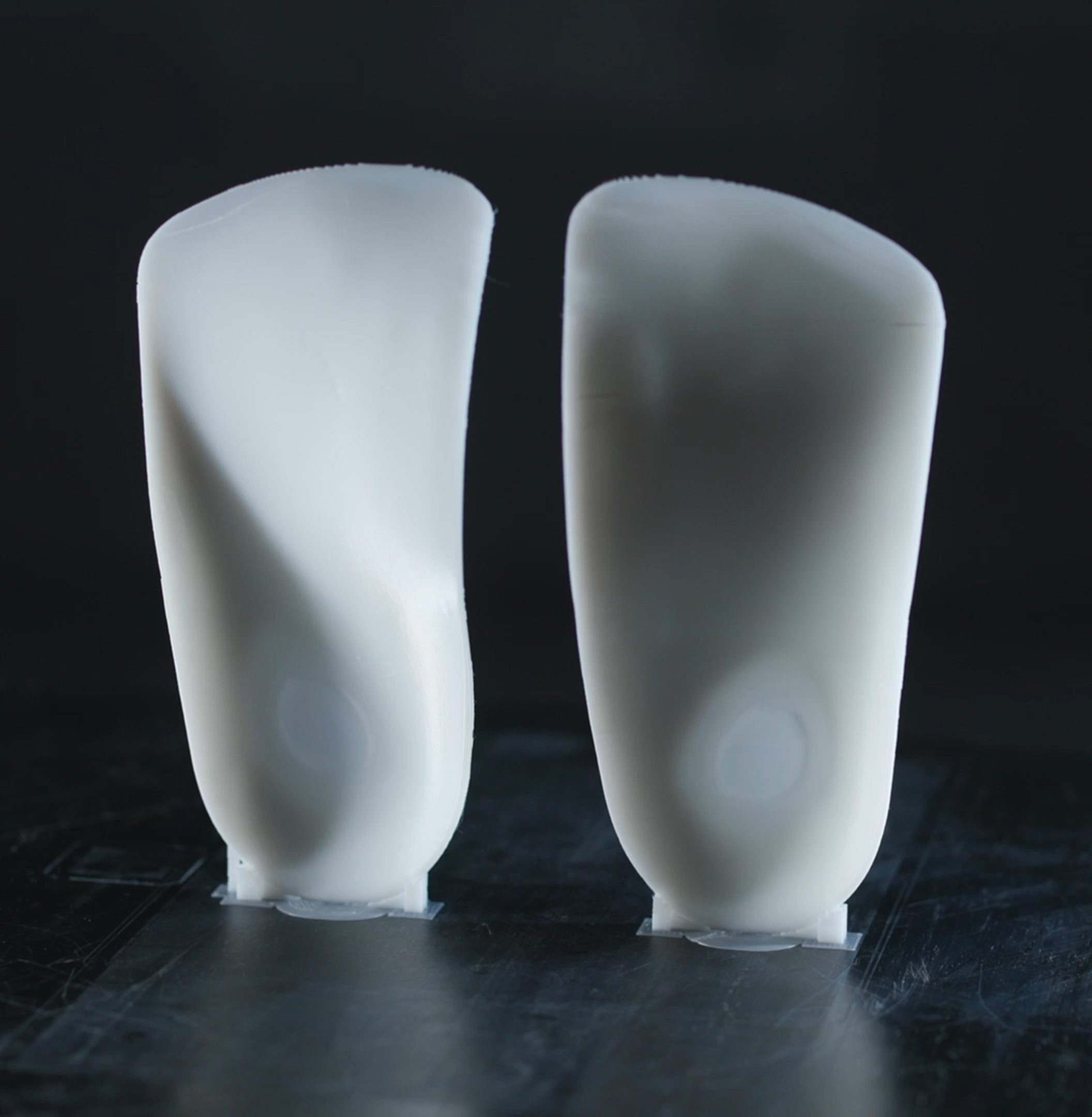
Powder-based systems produce stiff, dimensionally accurate shells suited for biomechanical correction, but no true soft, accommodative devices. Labs needing both must run a second platform, doubling inventory, workflows, and capital cost.
Orion: full spectrum of custom orthotic care, soft and rigid on one platform
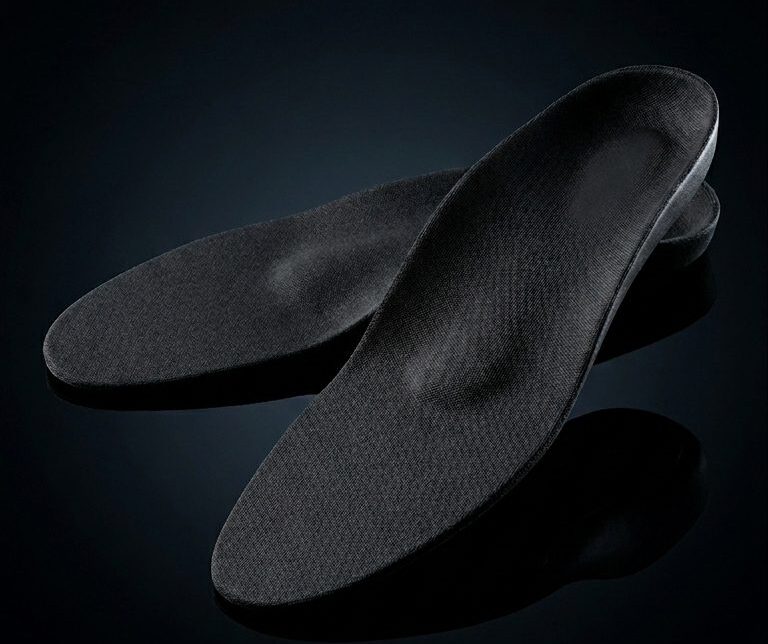
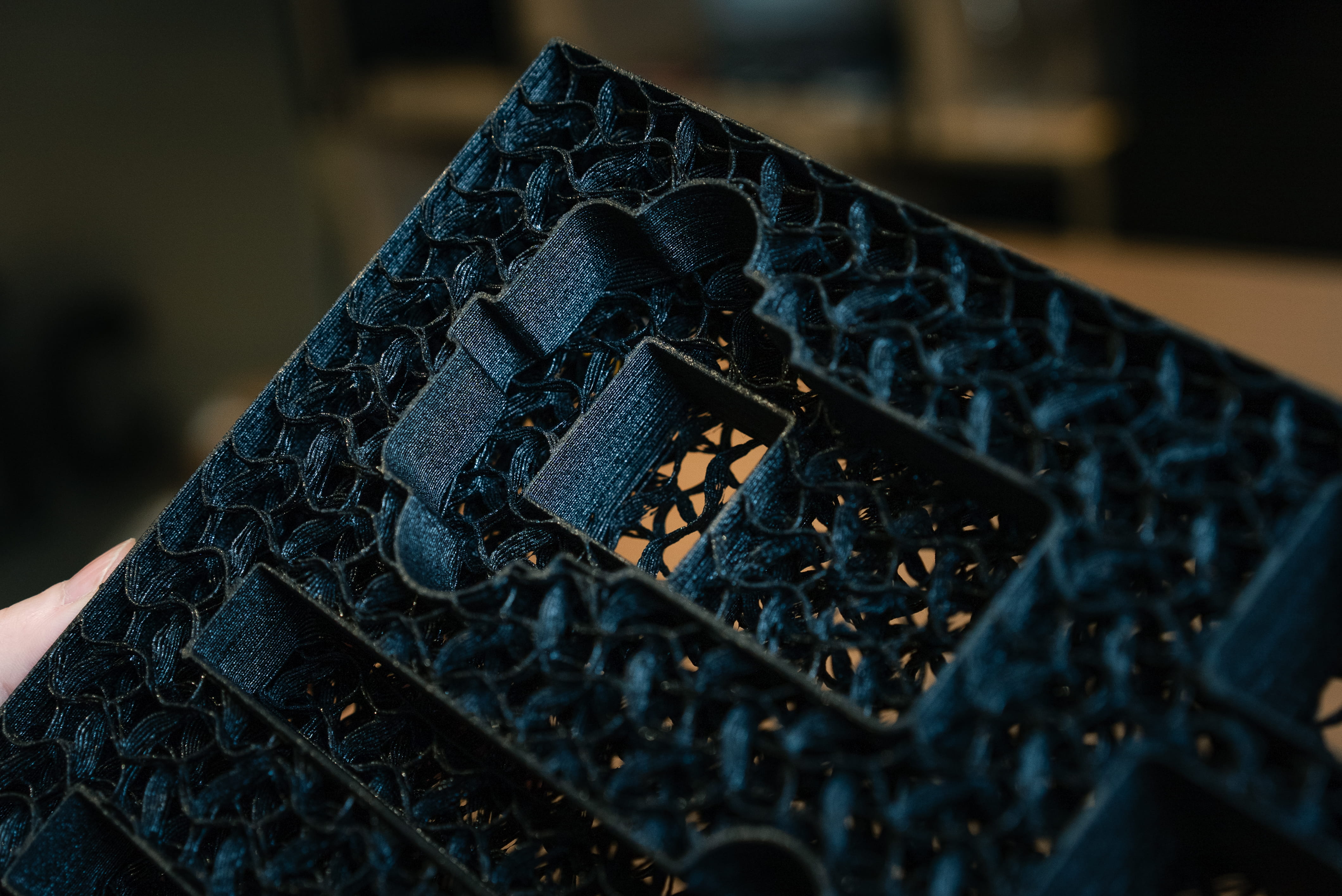
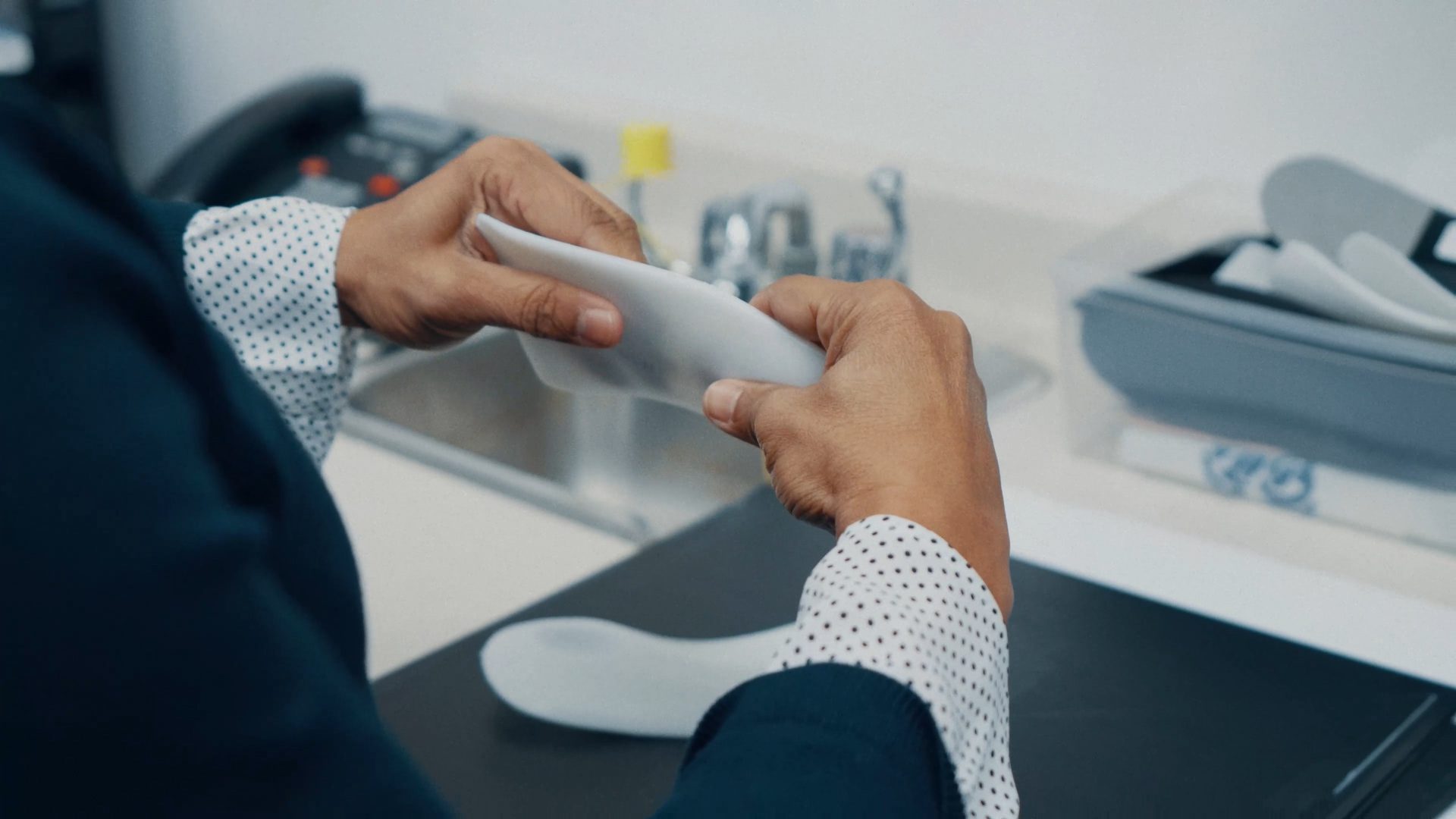
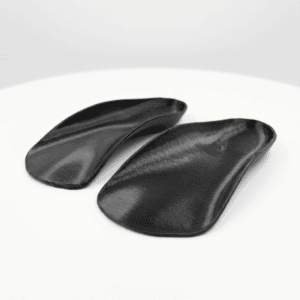
Orion produces both soft accommodative orthotics and rigid corrective orthotics from a single platform, using two purpose-built materials developed specifically for clinical orthotic production.
Aero (soft, accommodative orthotics)
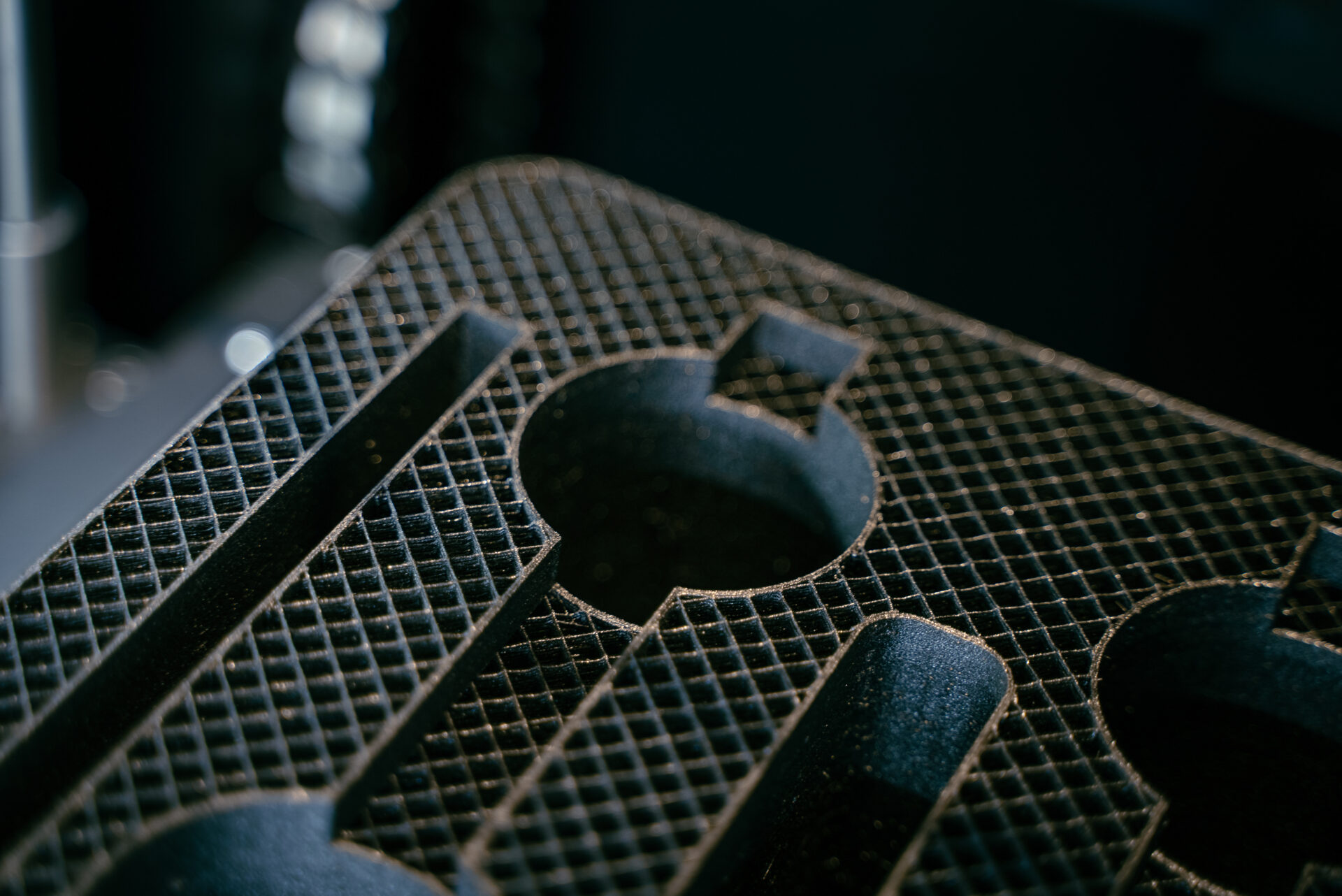
An EVA-like thermoplastic material engineered for comfort insoles, accommodative devices, and pressure-distributing applications. Aero delivers a smooth, uniform finished surface with consistent edge quality directly off the belt. Variable density control within Stryde Design enables patient-specific softness zones across a single device: a firmer heel cup, a softer forefoot, a targeted metatarsal relief, all built into the print, not added by hand.
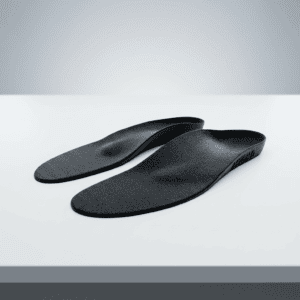
Align (rigid, corrective orthotics)
Engineered for high-support orthotic applications requiring biomechanical control and structural correction. Align delivers polypropylene-class stiffness with consistent structural performance across every build. Devices maintain their clinical intent over extended wear cycles without deformation or compliance failure.
Both Aero and Align have been fatigue-tested to over 3 million cycles, validating long-term performance for clinical use, not just initial device quality. No other belt-based 3D printer currently on the market actively markets true rigid shell capability alongside soft device production.
Which 3D printing technology fits which type of orthotics lab?
There is no universal answer, the right technology depends on the lab’s case mix, production volume, capital position, facility capacity, and operational priorities. Here is how the fit breaks down across the three primary buyer profiles.
Small and Mid-sized orthotics labs (500 to 10,000 pairs/year)
Best fit: Orion. SLS pricing and post-processing infrastructure are typically out of reach at this volume. Orion’s desktop footprint, ~$6/pair material cost, and automated, continuous production (~300 pairs/month per unit) fit existing lab space with no facility changes, and can run unattended overnight.
Large O&P labs and Multi-site clinic networks (10,000+ pairs/year)
Best fit: Orion as the standardized base, SLS/MJF as specialist complement. Most high-volume case mix is standard work Orion handles more cost-effectively with less post-processing overhead, while SLS/MJF stay reserved for complex prosthetic components or specialty rigid applications. Orion’s Stryde Software Suite also enforces consistent scan-to-device workflow across every site.
Clinician-led practices exploring in-house orthotic production
Best fit: Orion. SLS’s capital cost and powder-handling requirements don’t fit a clinical practice. Orion’s small footprint, low training burden, and Stryde integration with existing scanning tools make automated in-house production realistic at the clinic level.
→ Related: Digital Orthotics Workflows: What Clinicians Need to Know About Orion
What should orthotics labs know before evaluating either option?
Before committing to any 3D printing platform for orthotic production, labs should pressure-test the evaluation against the total operational picture, not just the hardware.
- Total cost of ownership goes beyond sticker price: SLS/MJF carry ongoing powder, maintenance, and finishing-labor costs that compound with every run. Orion’s structure is simpler: low material cost, minimal consumables, no post-processing labor.
- Post-processing labor is a hidden cost in powder-based production: every device needs manual finishing regardless of batch size, so it never scales away.
- Soft-device capability usually isn’t optional: if any meaningful share of your case mix is accommodative, a rigid-only platform forces a second production method.
- The software ecosystem matters as much as the hardware: Orion’s Stryde integration captures efficiency gains across the entire scan-to-device process, not just at the print step.
- Scalability without switching platforms: Orion labs scale by adding units on the same materials and workflow, while SLS labs needing soft-device capability later face a harder choice.
→ Related: Platform vs. Point Solutions: Why Orion Is Built as an Ecosystem | How Belt-Based 3D Printing Is Changing Orthotics Production
See How Orion Compares in Your Lab
Mosaic Manufacturing helps O&P labs move from scan to finished device without the bottlenecks of traditional production. At the center is Orion, a belt-based 3D printer built for continuous, automated orthotics manufacturing, backed by the Stryde Software Suite’s fully connected digital workflow.
If you’re evaluating 3D printing options for your orthotics lab, comparing SLS, belt-based systems, or both, our team can walk you through the production economics, device samples, and workflow specifics for your case mix.
Contact us at sales@mosaicmfg.com | mosaicmfg.com