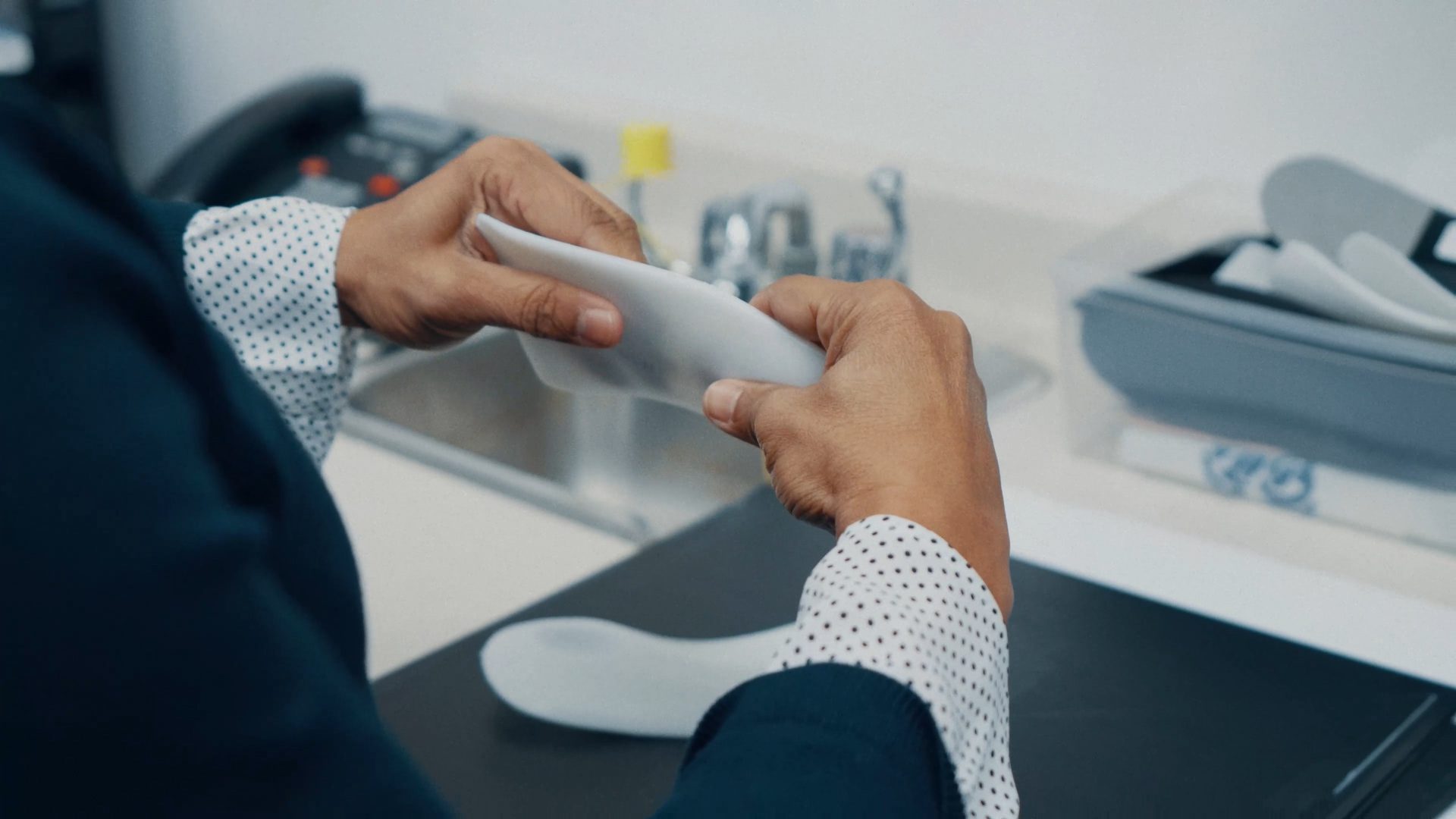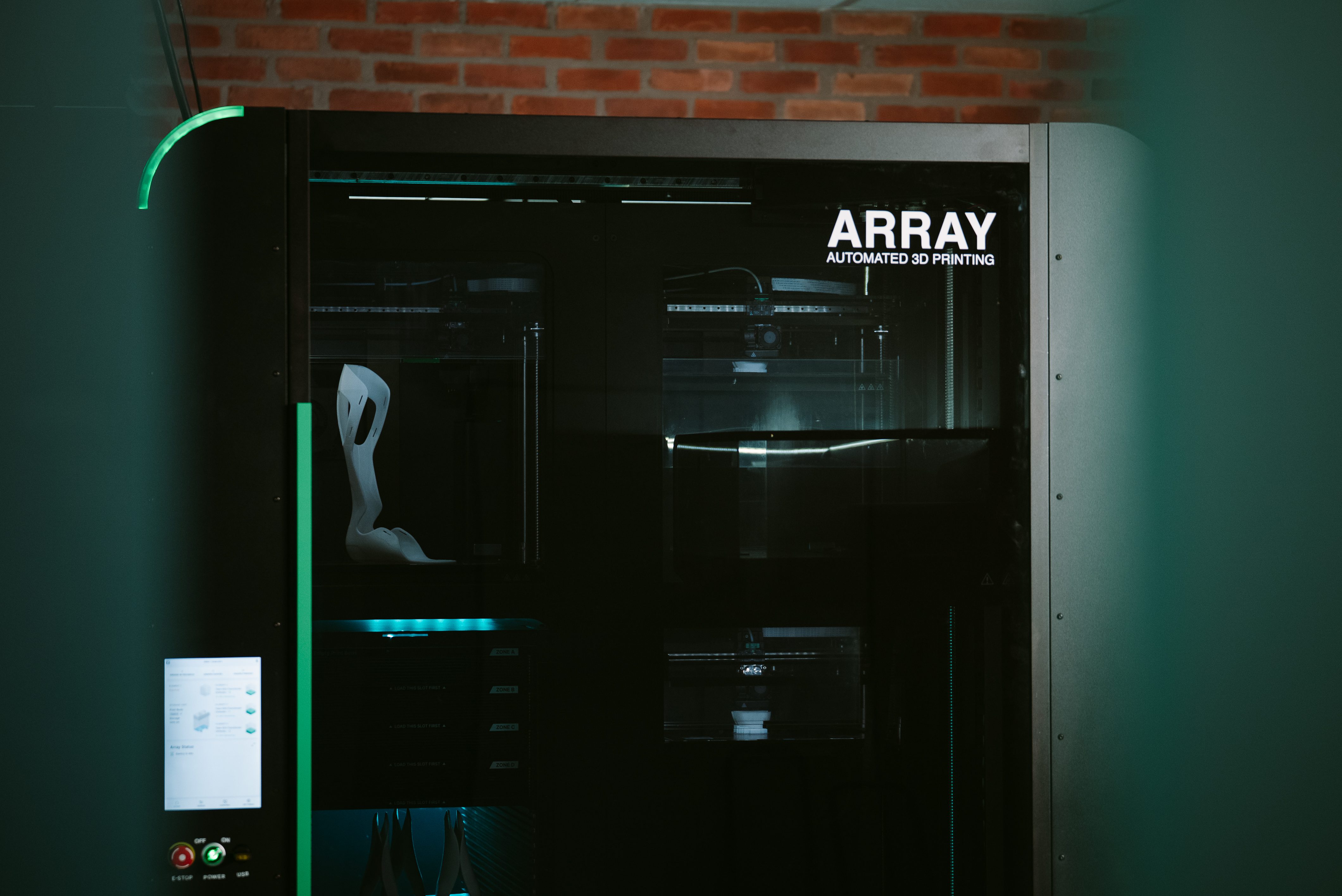
Most clinicians prescribing custom orthotics, podiatrists, chiropodists, pedorthists, chiropractors, physiotherapists, are not manufacturers. They assess patients, prescribe devices, and rely on a lab relationship to deliver orthotics that meet the clinical specification they’ve defined. The production method used by the lab is, in most cases, secondary to two things: whether the device performs as prescribed, and how long it takes to arrive.
Orion changes the production method. It does not change the clinical relationship. The prescription a clinician issues governs the device Orion produces, through a digital chain that preserves clinical intent more reliably than manual workflows, not less.
What clinicians need to understand about Orion is not primarily technical. It is clinical and operational: what changes, what doesn’t, and what the evidence basis is for the outcomes they’re committing to when they prescribe an Orion-produced device.
What do clinicians need to know about Orion and digital orthotics workflows?
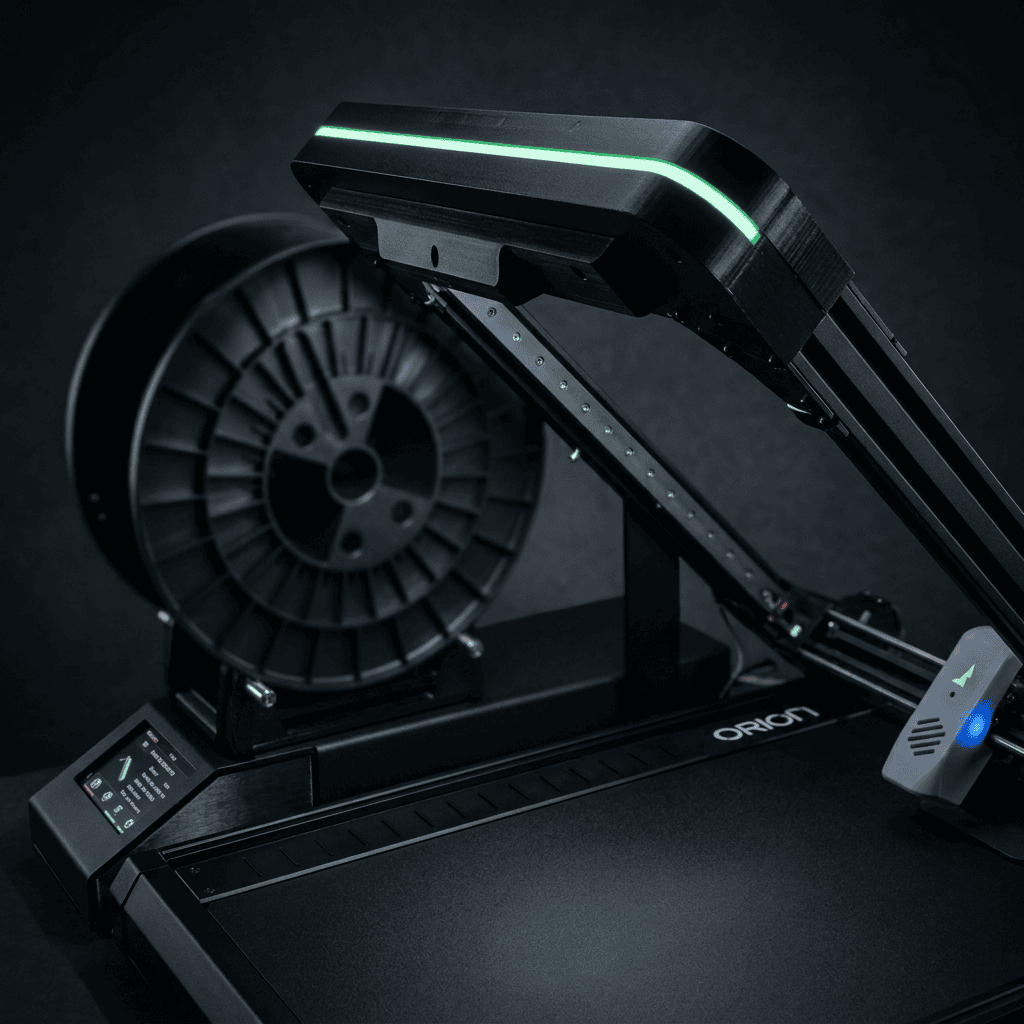
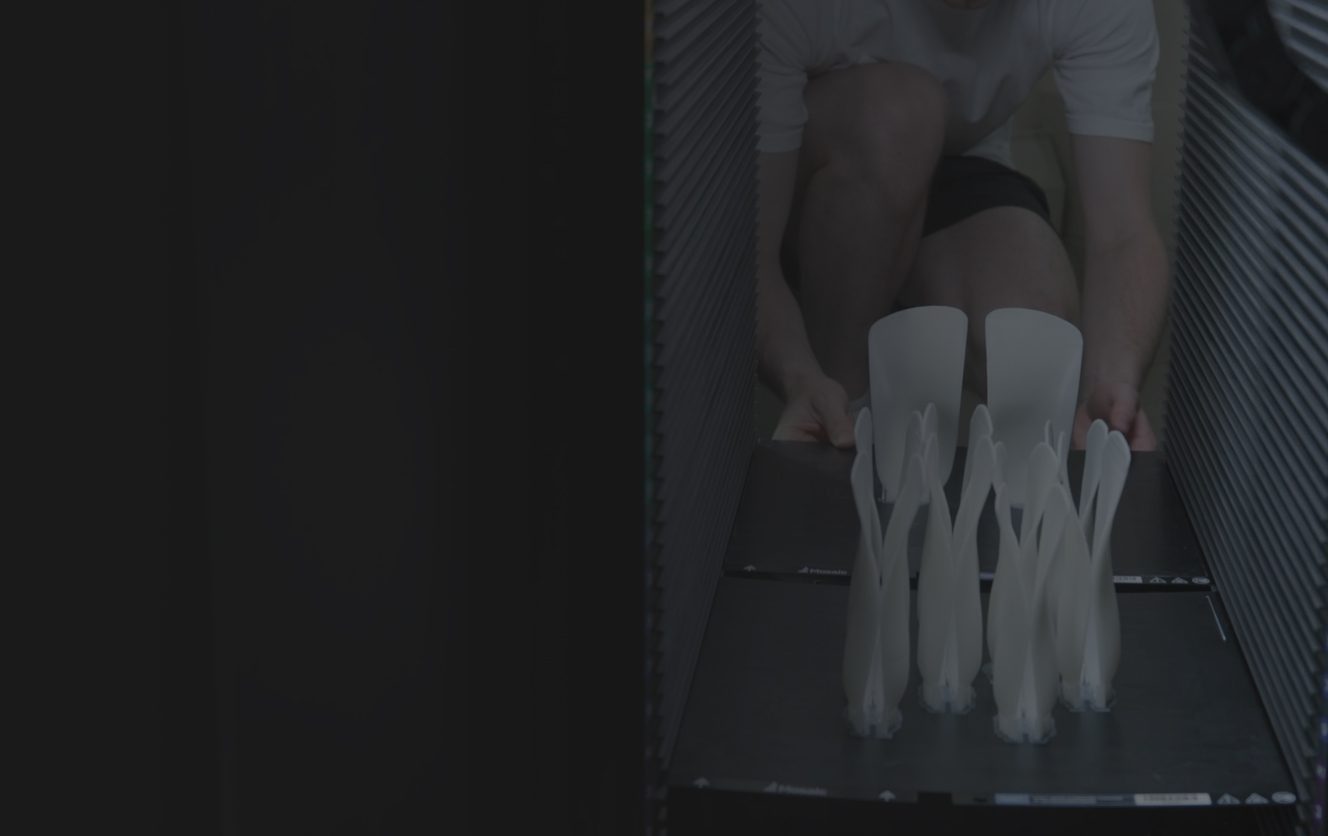
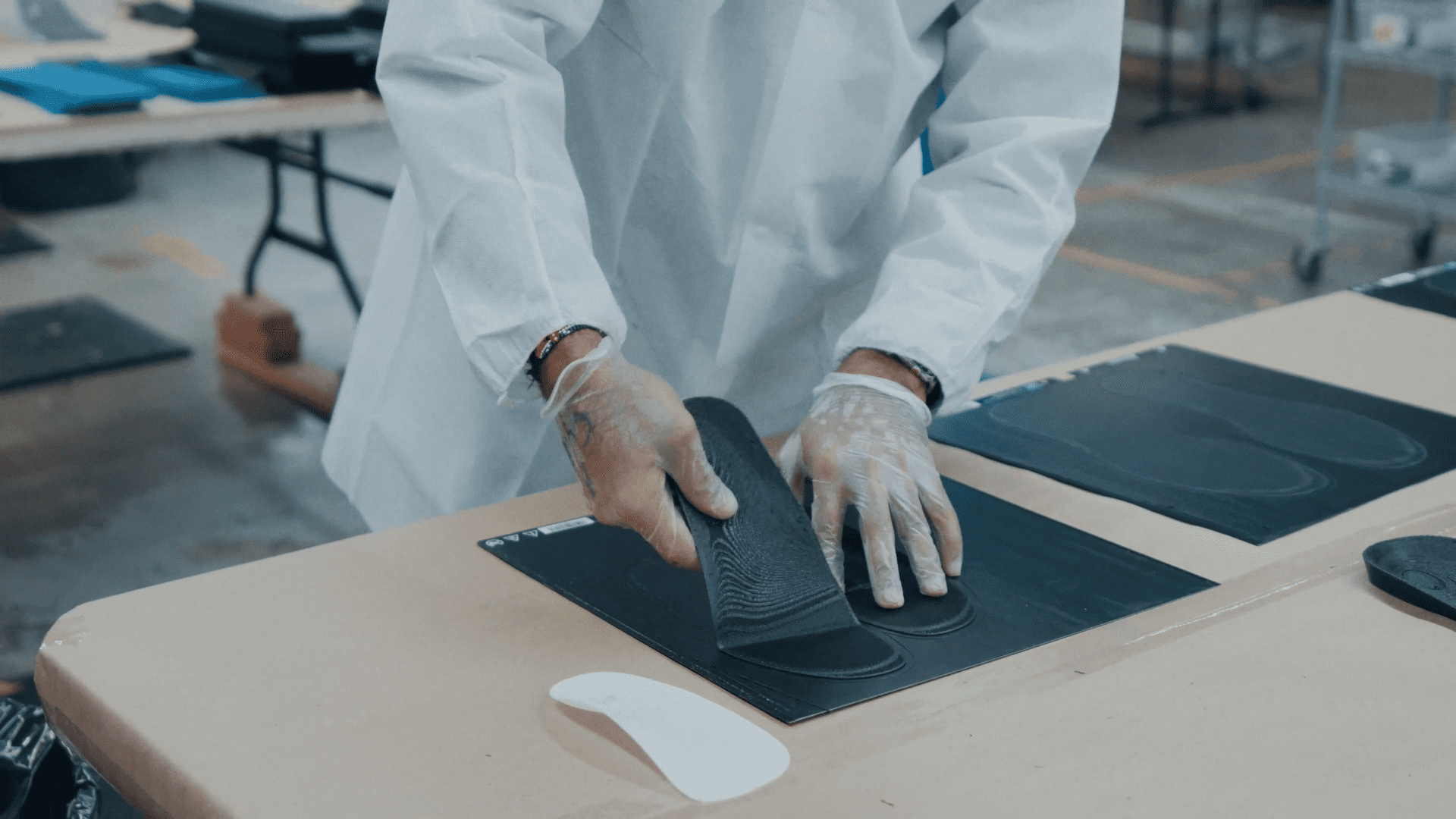
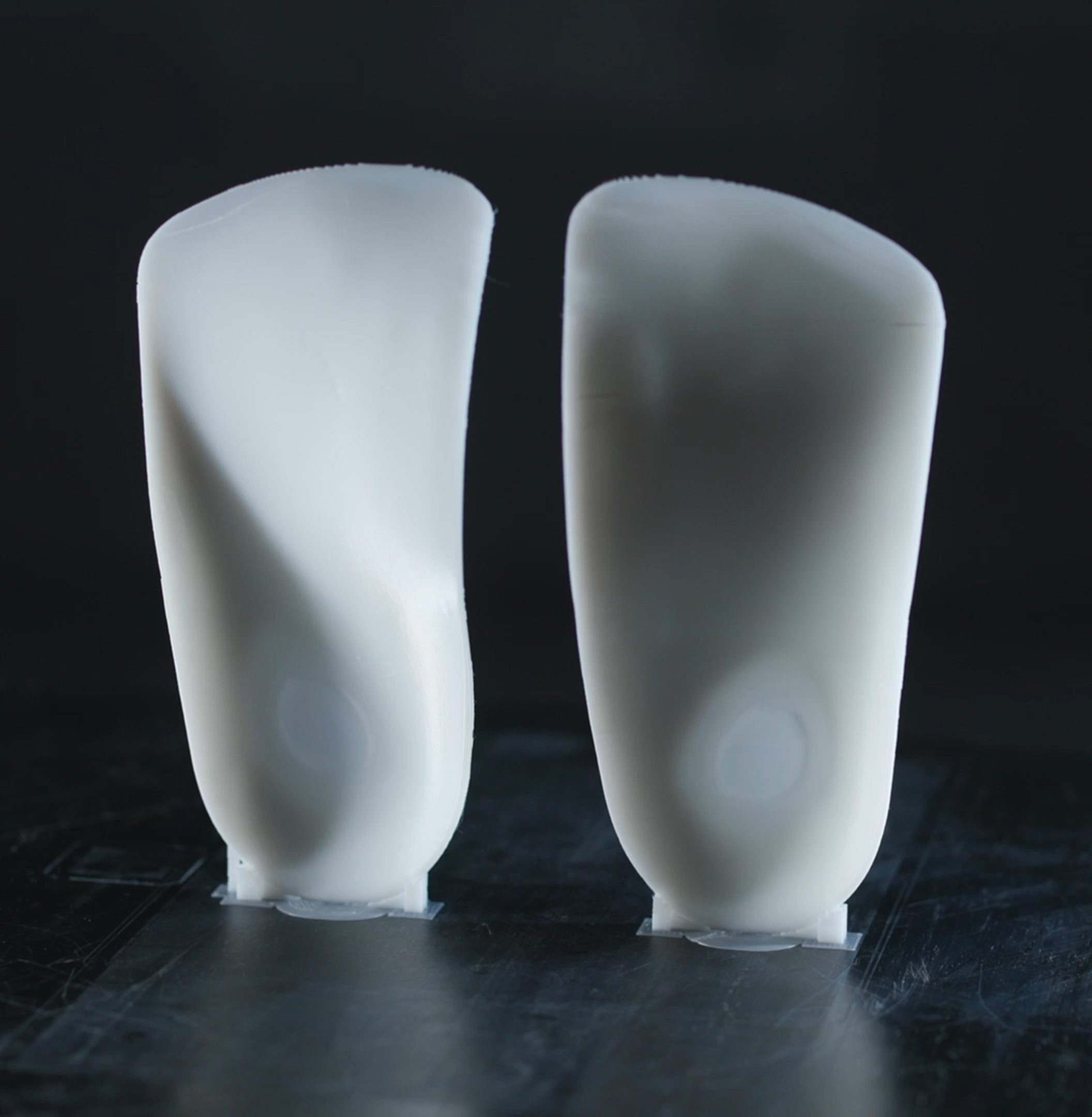
Orion is a belt-based 3D printer purpose-built for continuous, automated custom orthotic production. It runs as part of Mosaic’s Stryde Software Suite: a four-module digital workflow connecting foot scan capture through prescription design, case management, and automated production to a finished custom orthotic.
Clinician interaction happens at the front end (scan and prescription) and back end (finished device for dispensing); everything in between is managed within Stryde.
What changes for clinicians adopting an Orion-connected workflow:
- Foot geometry is captured by digital 3D scan rather than foam box impression or plaster casting
- Prescription details are entered digitally at the point of care alongside the scan, no separate paperwork, no manual transcription to the lab
- Prescription submission is immediate, no physical casting materials to ship, no transit time added to turnaround
What does not change:
- The prescription itself, clinicians specify the same clinical parameters they always have: posting, arch height, metatarsal accommodation, heel cup depth, material preference, and device type
- Clinical responsibility, the prescribing clinician’s role and accountability remain unchanged
- Device dispensing, finished Orion-produced orthotics are dispensed through the same clinical process as traditionally manufactured devices
The digital workflow is additive to clinical practice, not disruptive, the clinical judgment governing orthotic prescription doesn’t change; the tools capturing it are faster, more accurate, and more traceable.
→ Related: From Scan to Finished Device: The Orion + Stryde Workflow Explained
Will Orion-produced devices affect clinical outcomes?
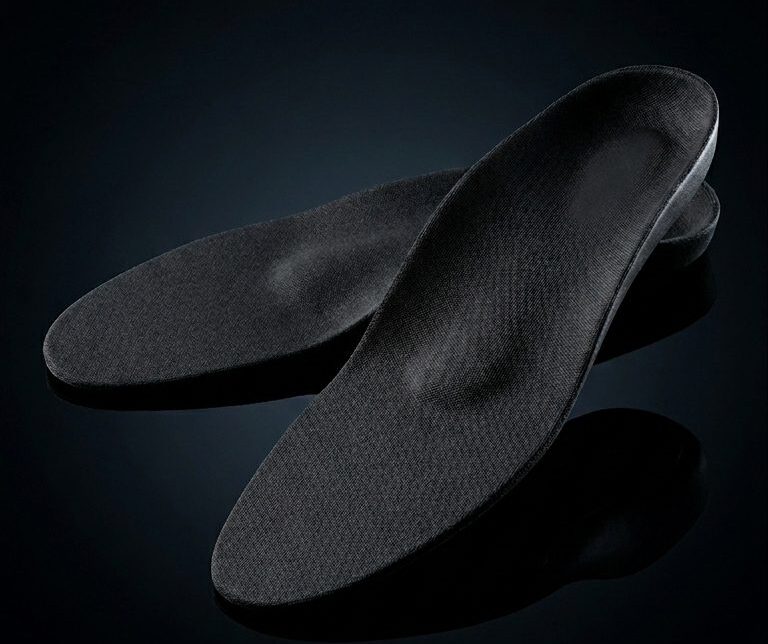
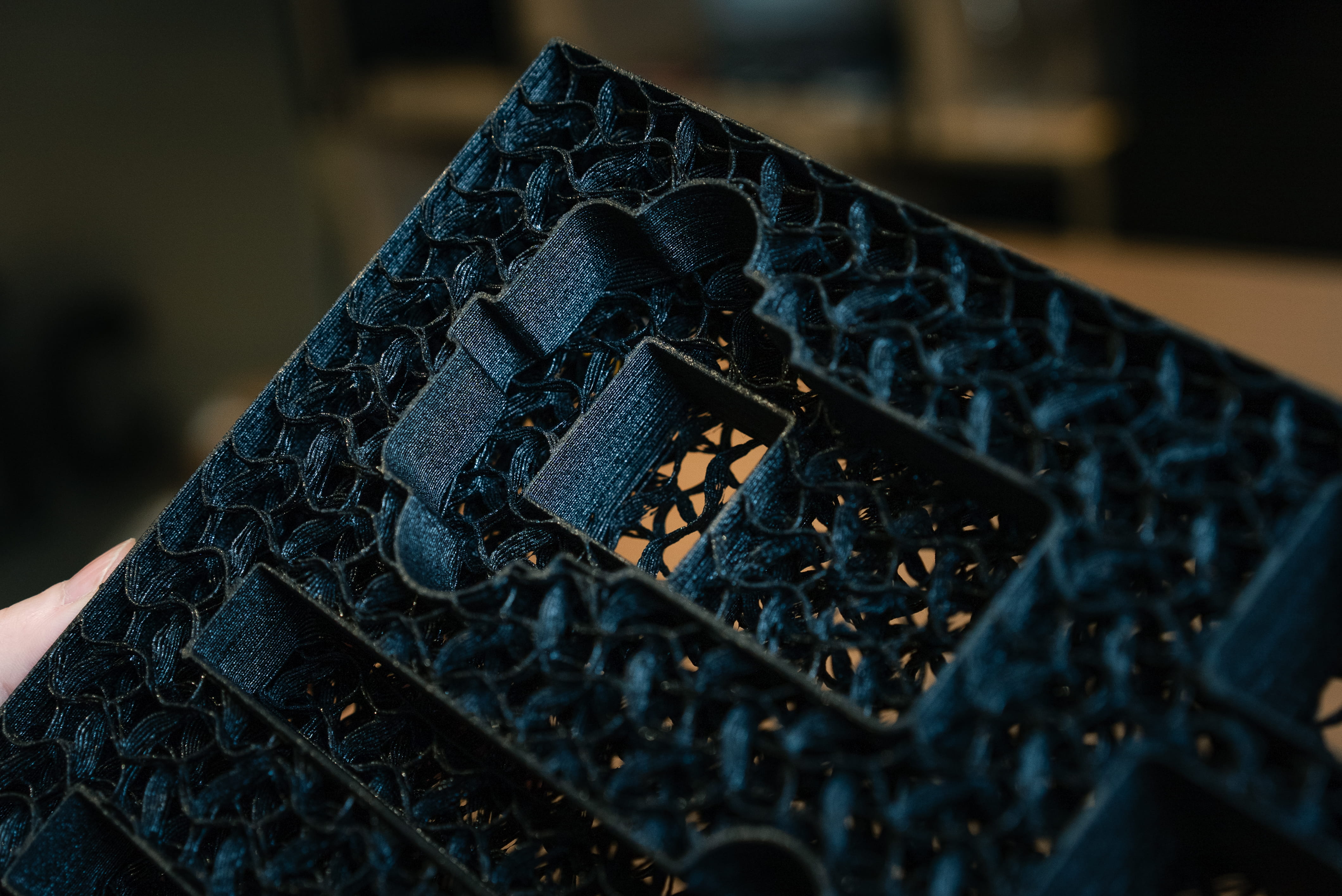
Orion-produced custom orthotics are engineered to meet the clinical performance standards expected of high-quality traditionally manufactured devices, with real advantages in consistency, prescription accuracy, and material performance.
Material performance is validated, not assumed
Prescription intent is preserved more reliably than manual workflows
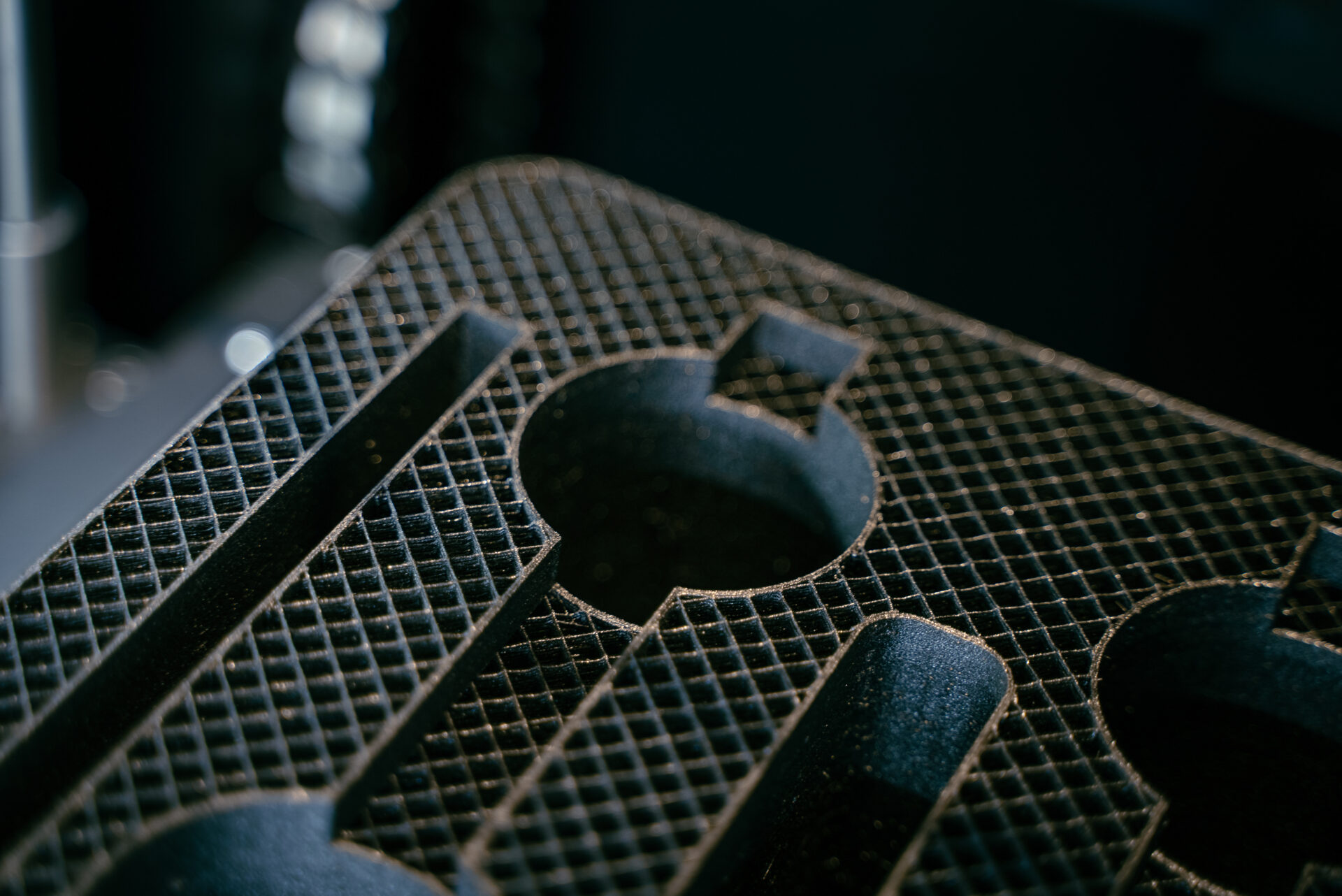
Variable density enables clinical precision manual production can’t match
Device-to-device consistency protects clinical credibility
→ Related: Do Orion’s Materials Perform Like EVA and Polypropylene?
How does Stryde Scan replace traditional casting for custom orthotics?
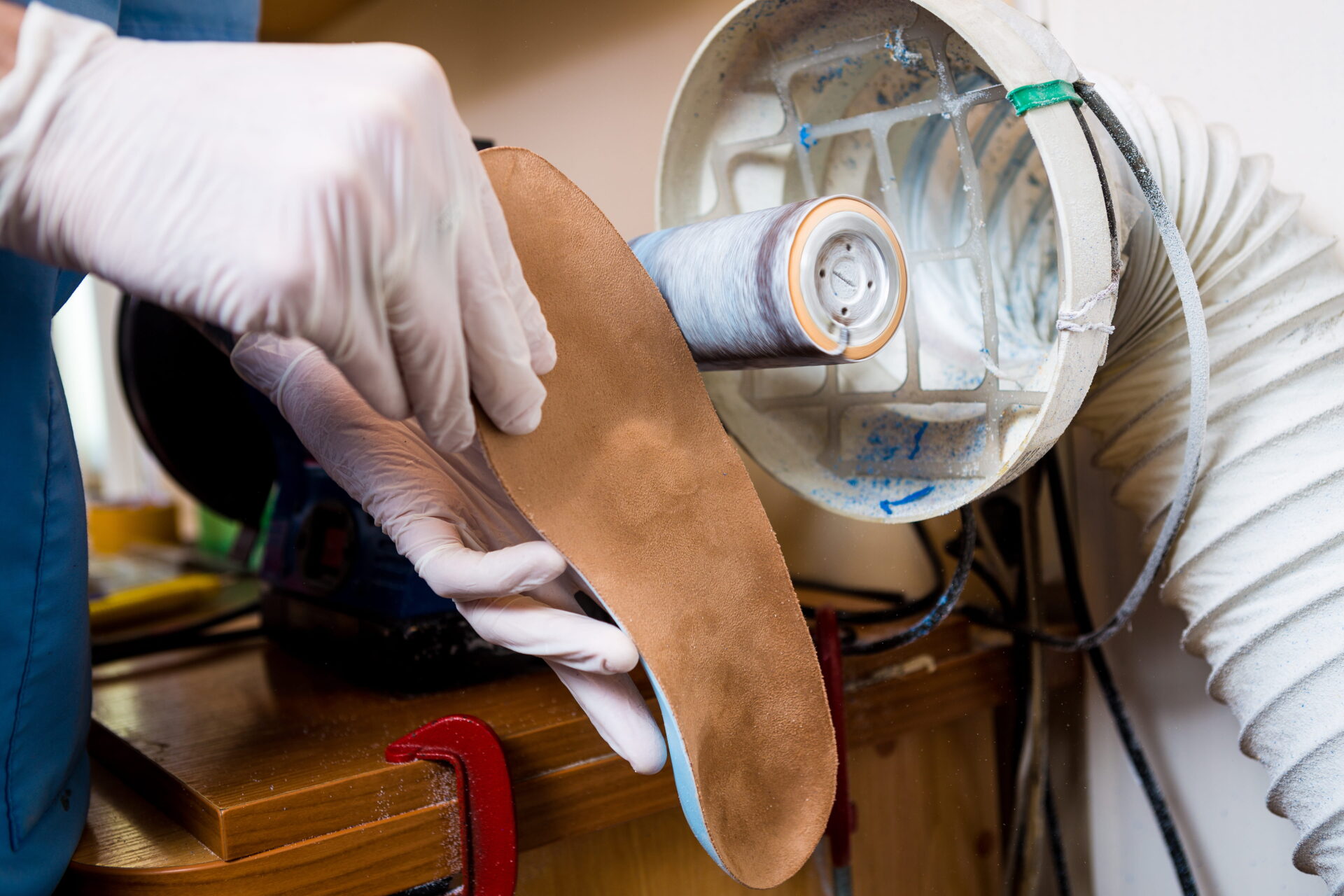
Foam box impressions and plaster casting have been the custom orthotics standard for decades, but introduce variability at every manual step and add shipping/transit time before production can start.
Stryde Scan replaces both with digital 3D foot scanning at the point of care, using a standard iPhone or iPad with sub-millimetre accuracy.
What it captures: accurate 3D foot geometry in the clinician’s specified position, prescription details in the same capture step, and a permanent digital patient record for repeat orders and continuity of care.
What it eliminates: foam box and plaster materials, drying and shipping time, and physical storage requirements for casting materials and archived models.
Digital scanning removes the variability sources inherent to foam density, impression depth, technician technique, and plaster shrinkage, capturing geometry directly, with scan data visible in Stryde Design for review before production begins, a verification step traditional casting doesn’t offer.
Does adopting Orion require new clinical skills?
No – a common misconception. Clinicians don’t operate Orion or interact with Stryde Design, Manage, or Print. Their only touchpoint is Stryde Scan, on a standard iPhone or iPad, applying the same clinical assessment and prescription parameters they already use.
- No additional hardware: standard iPhone or iPad only
- Guided capture: real-time feedback flags coverage gaps during the scan
- Minimal, front-loaded training: scan times are measured in minutes, with the main learning curve being scanner confidence, not new clinical knowledge
- Compatible with existing scanning tools: Orion-connected labs can accept scan data from other compatible 3D scanners, so clinics aren’t forced to switch hardware
- Lower transition risk than expected: Orion’s consistency advantage reduces the outcomes uncertainty that typically comes with a new lab relationship
Bring Digital Orthotic Production Into Your Practice
Mosaic Manufacturing gives clinicians a production partner built for the full journey from prescription to dispensing. Orion, Mosaic’s belt-based 3D printer, delivers continuous, automated custom orthotics production, while the Stryde Software Suite keeps scan, prescription, and finished device connected in one digital workflow.
If you’re a clinician evaluating digital orthotic workflows, or a lab looking to improve the clinical outcomes and turnaround times you deliver to prescribing clinicians, contact our team to request device samples or discuss your workflow.
Contact us at sales@mosaicmfg.com | mosaicmfg.com