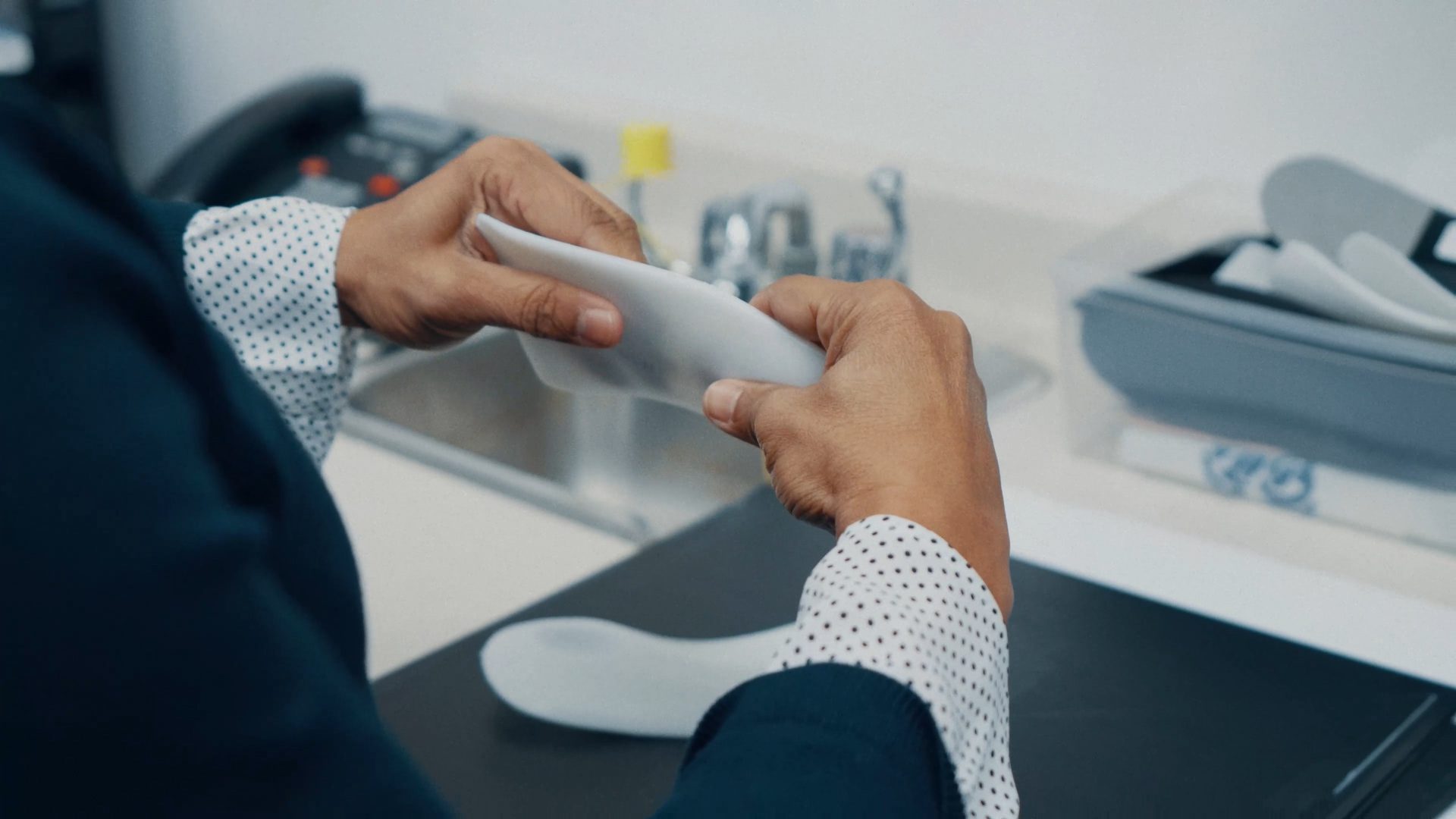
The economics of orthotics lab growth are well understood, and for most labs, they are the primary constraint on scale.
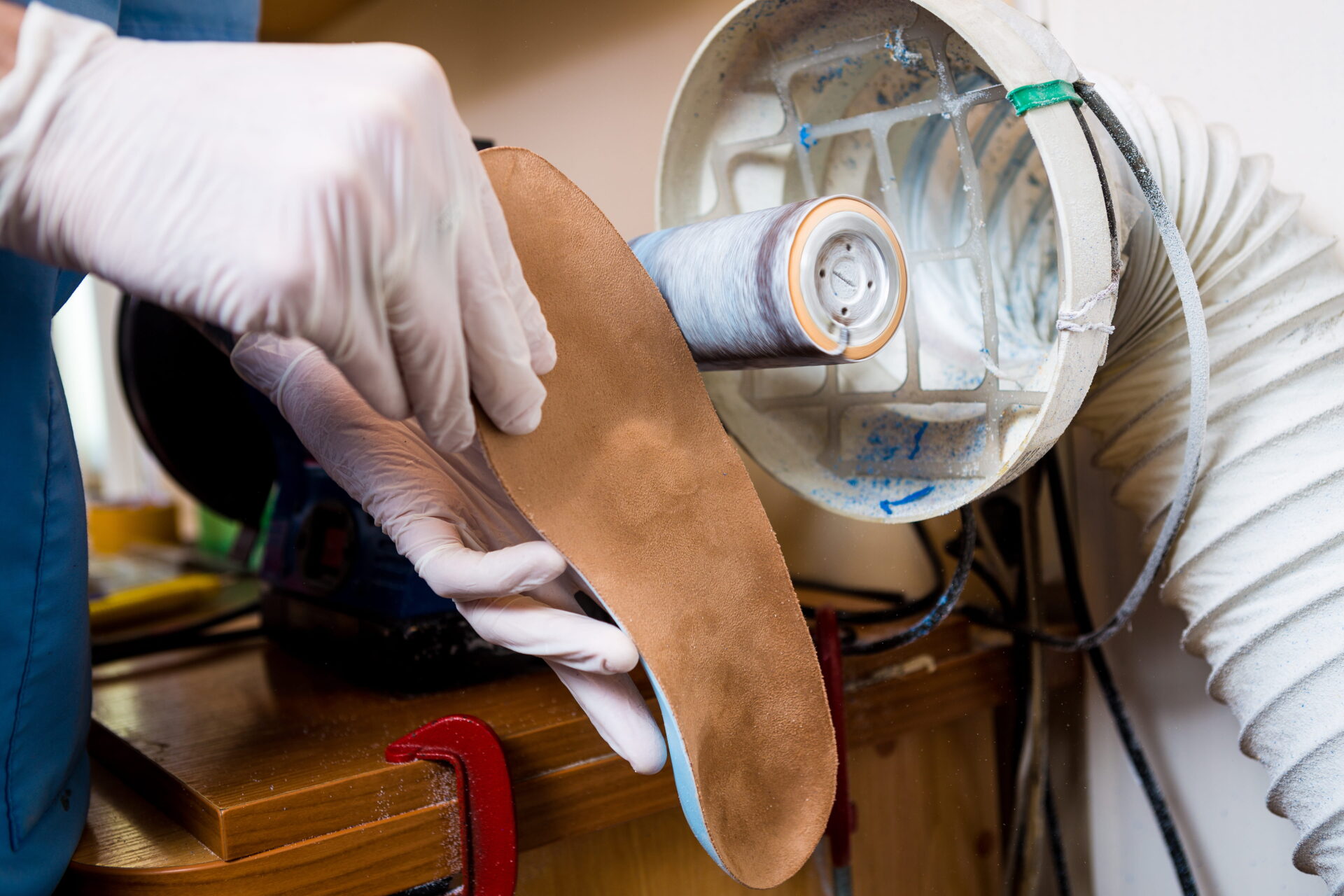
Manual production workflows scale linearly with labour. More pairs means more technicians, more grinding hours, more finishing time, more supervision. The cost-per-pair floor is set by the minimum labour required to produce a device by hand, and that floor doesn’t move significantly regardless of how efficiently the lab is managed. Capital investment in CNC milling equipment helps at the margins, but the manual finishing, quality checking, and material handling that surround it remain labour-intensive regardless of upstream automation.
The result: revenue scales with volume, but so does production cost, at a ratio that limits margin expansion. Orion changes that cost structure, not incrementally, structurally.
Can orthotics labs scale volume without scaling headcount proportionally?
Yes – but only with a production model where throughput isn’t primarily a function of technician labor hours. In manual workflows, labor content per device is largely fixed: a 500-pair lab and a 2,000-pair lab run the same economics at different labor scales, with the larger lab carrying more staffing risk and turnover cost.
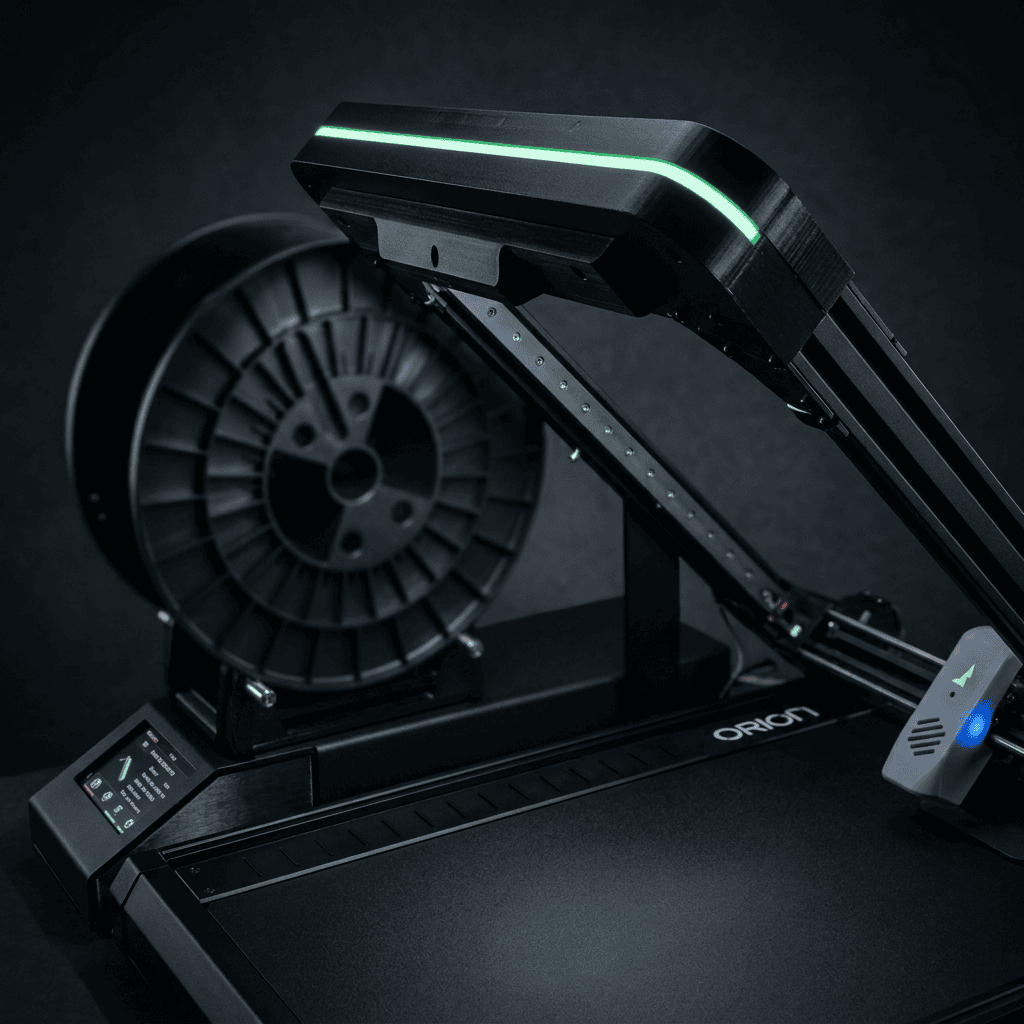
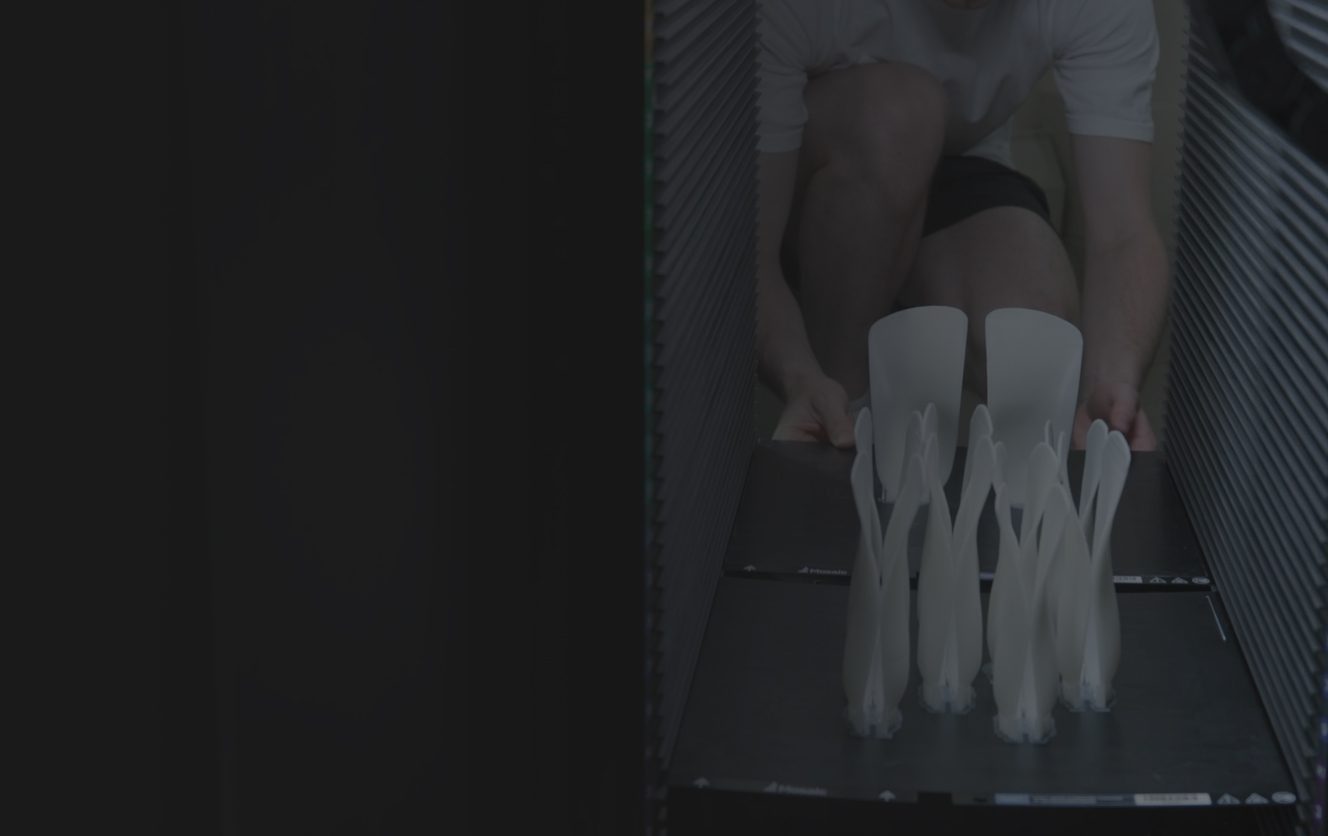
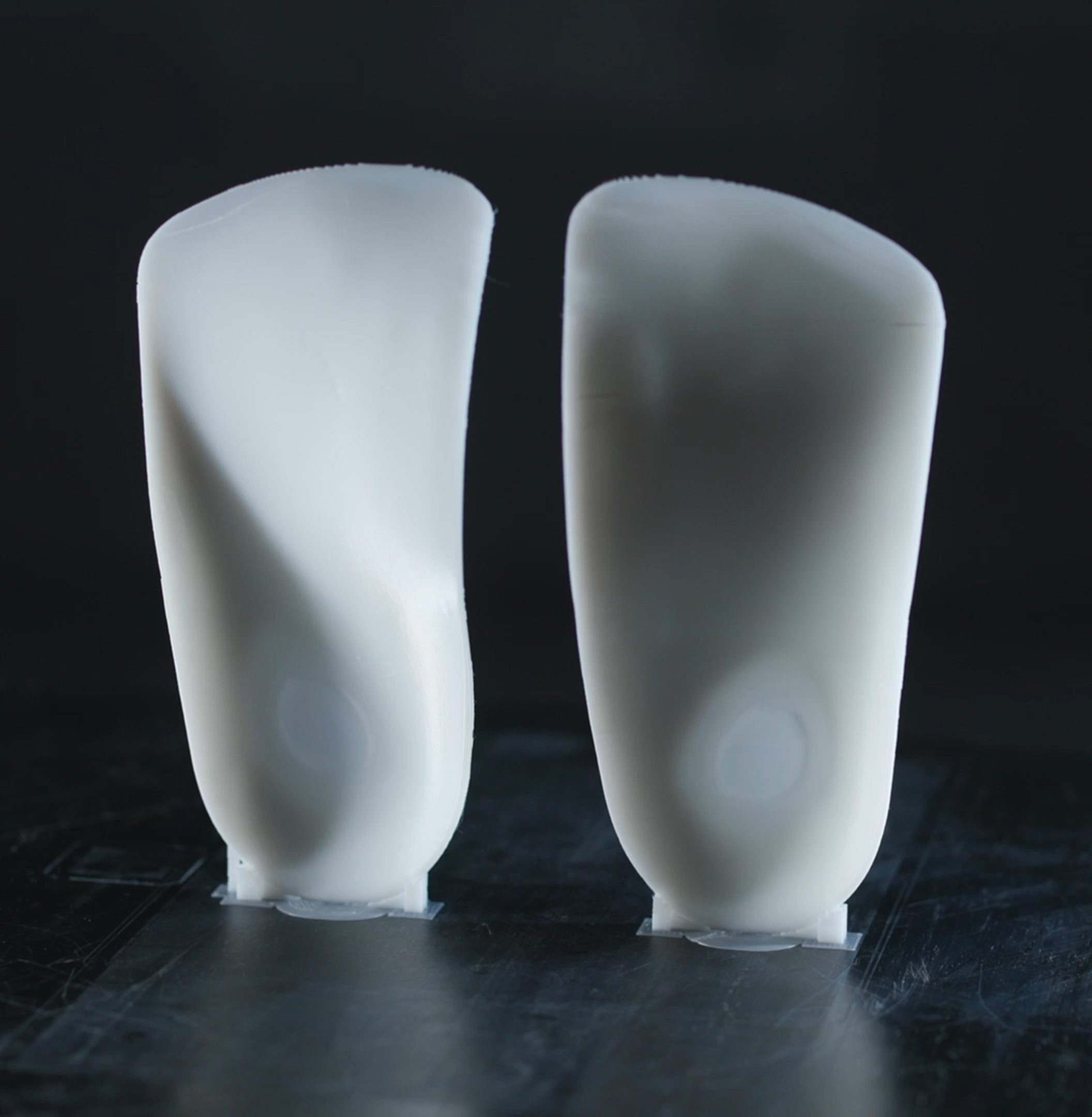
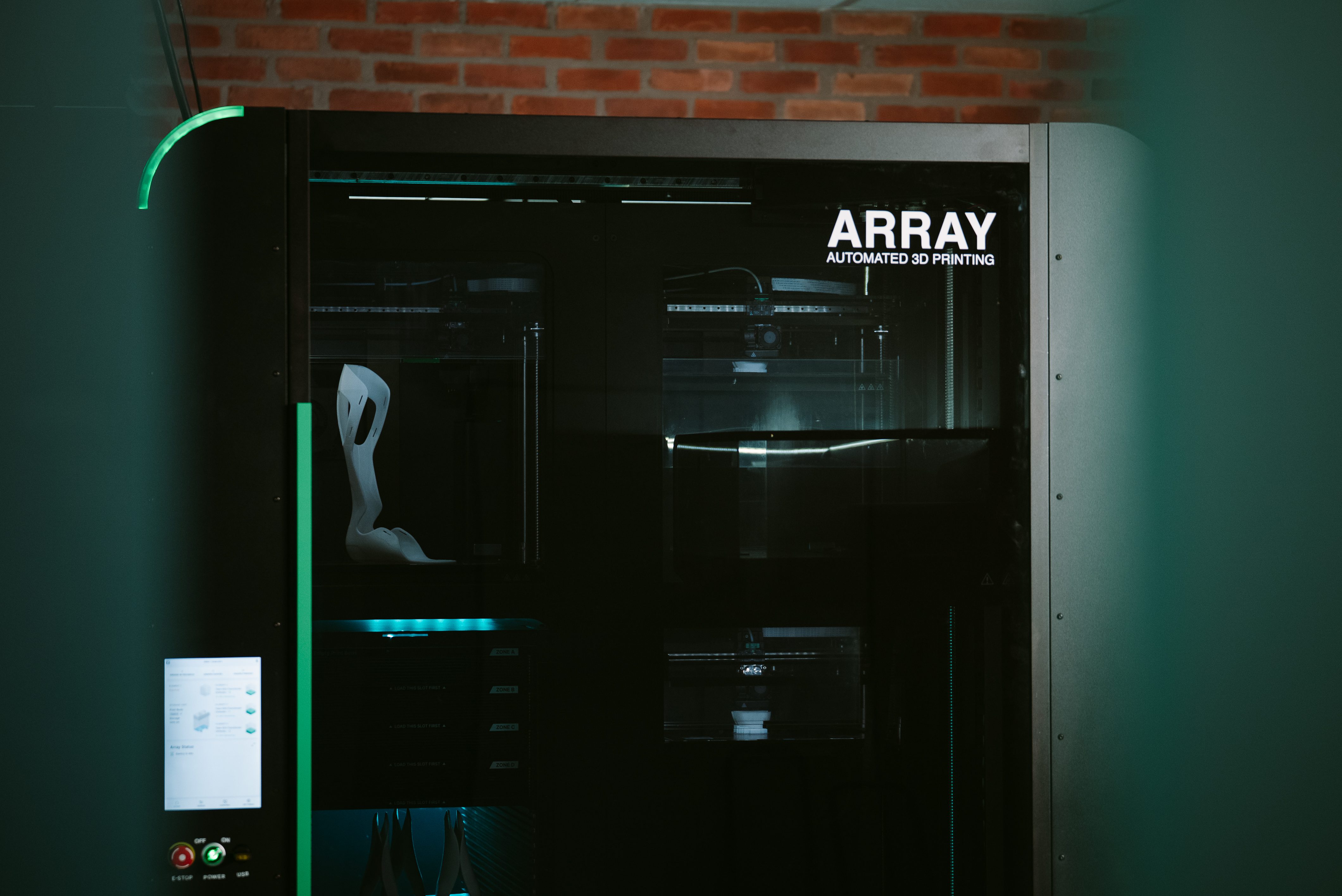
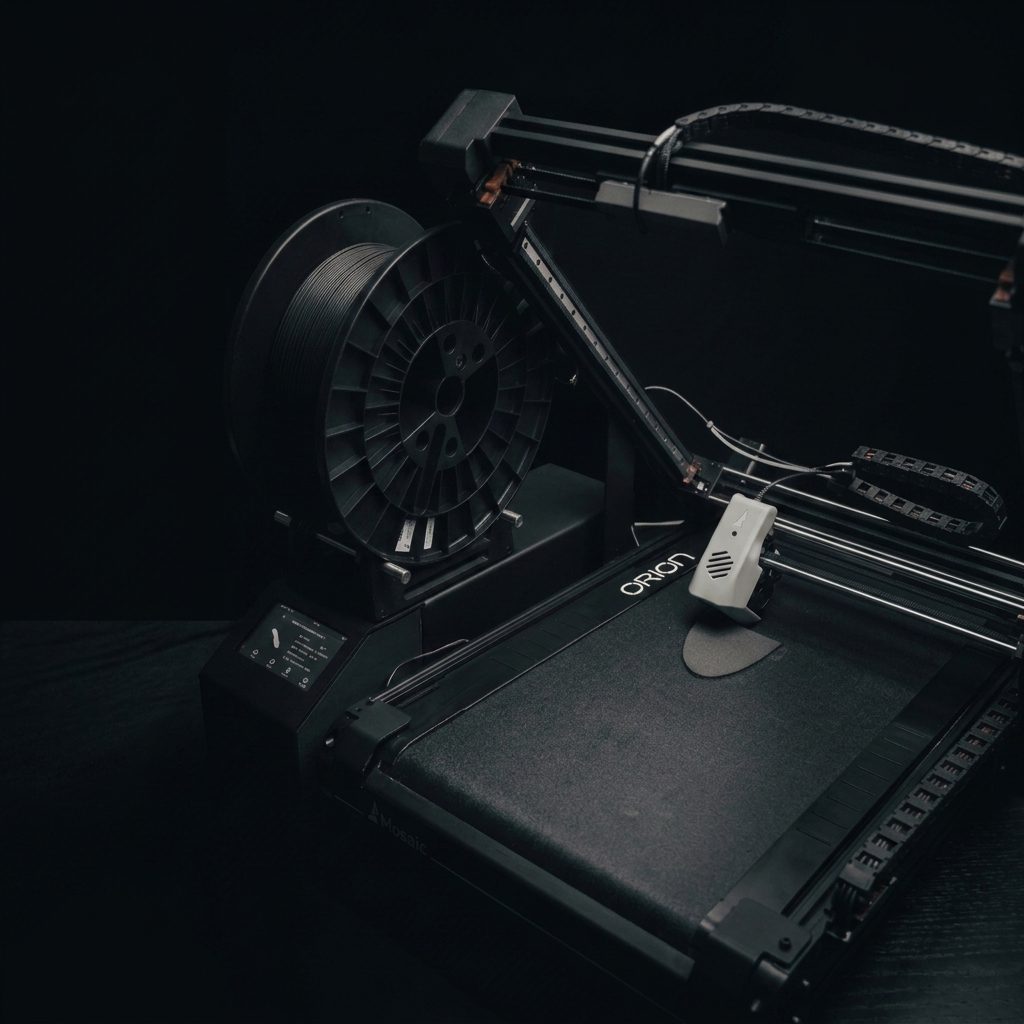
Orion’s belt-based, automated production changes that relationship. A single unit produces roughly 300 pairs per month, running continuously, including overnight and weekends, without operator intervention between cycles. Labor input shifts to setup, queue management, and collection, not sustained per-device production effort. As volume grows, labs add Orion units rather than technicians at the same ratio, and the Stryde Software Suite manages queue scheduling and production across multiple units without proportional overhead growth.
→ Learn more about Orion | Stryde Software Suite
How does Orion’s automation change the labour-to-output ratio in orthotics production?
Manual production’s labor-to-output ratio is set by irreducible technician time per device, optimizable through scheduling, but not structurally reducible without changing the method. Orion’s continuous belt restructures it at the process level:
Automated production between cycles removes the labor bottleneck
Orion ejects finished devices and starts the next job with no technician present, no throughput ceiling tied to staffed hours. Production runs the same at 2am Sunday as 10am Tuesday.
Stryde Print automates production management
Queue scheduling, slicing, and job sequencing across single or multiple units, without a coordinator manually managing files.
Repeat orders skip redesign labor
Stryde Manage’s stored prescription history fulfills repeat orders from existing specs, cutting a meaningful share of production labor.
Consistency eliminates rework labor
Digitally specified production removes the technician judgment variation that drives remake rates.
What drives cost per pair — and how does Orion reach as low as $6?
Cost per pair breaks into material, labor, overhead, and rework, and each behaves differently under manual vs. automated production.
Material cost
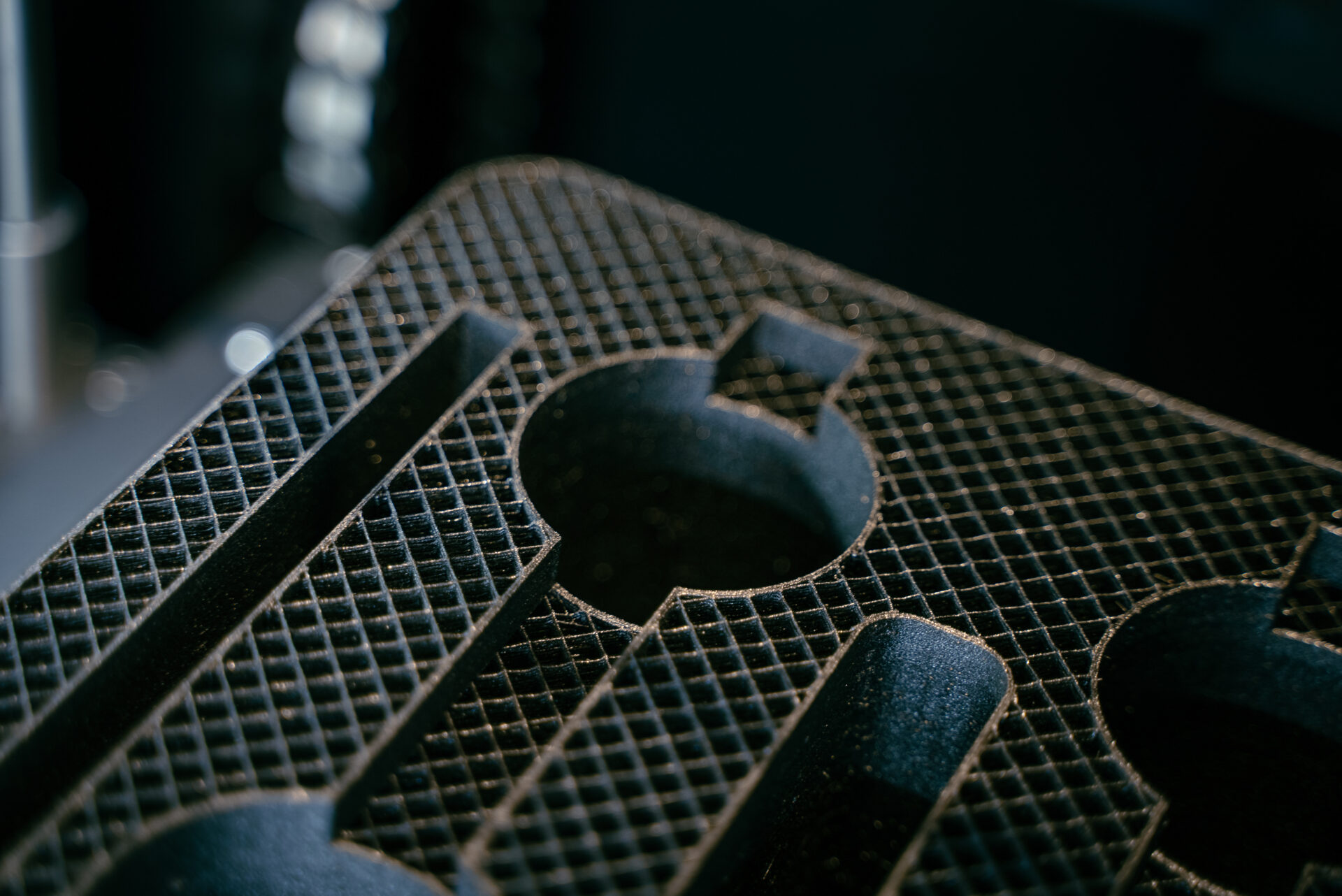
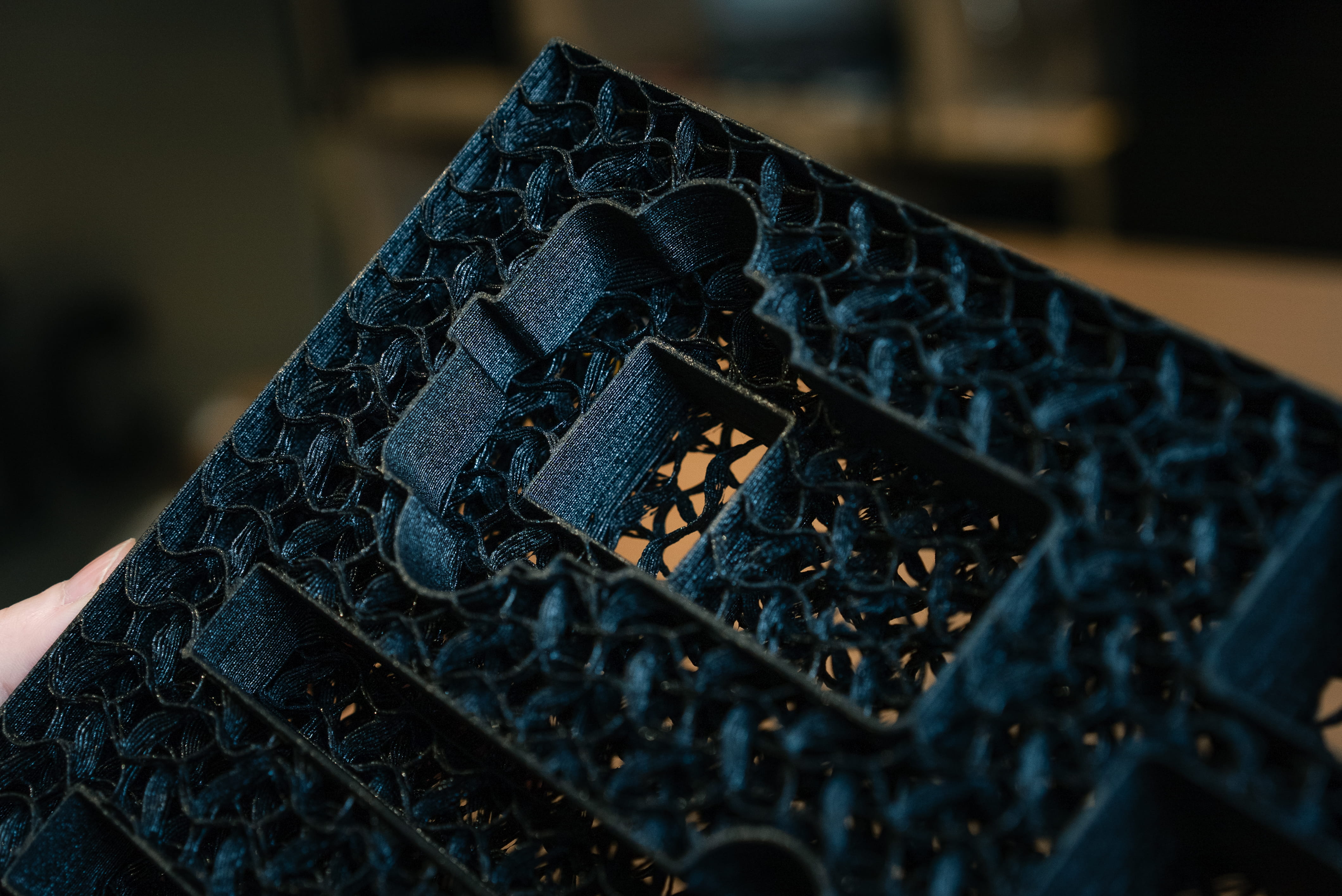
Aero reaches as low as $6/pair (based on a woman’s US size 7, Shore 25A device) because additive production deposits material only where needed, unlike subtractive methods like CNC milling that grind away and discard a significant share of every blank. Align, for rigid devices, has a separate cost basis reflecting its engineering requirements.
Labor cost per device
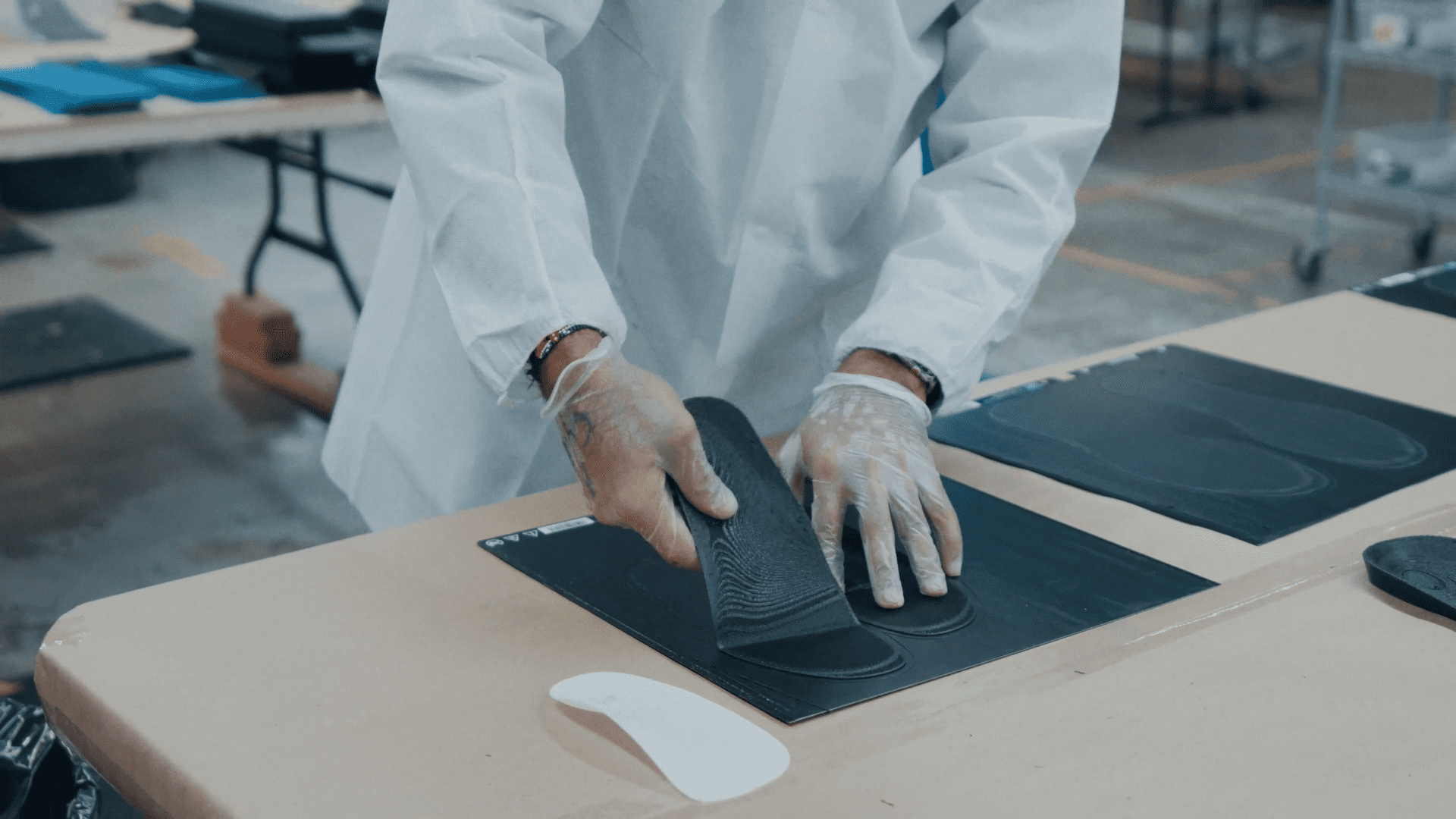
Manual workflows require technician time across grinding, finishing, heat forming, and packaging; Orion’s labor input is primarily queue setup and collection, a fraction of the manual equivalent, decreasing further as units are added.
Overhead allocation
Orion’s desktop footprint means added capacity doesn’t require proportional facility, ventilation, or post-processing expansion.
Rework and remake cost
Consistent, digitally specified production lowers remake-driven material, labor, and downstream clinic-relationship costs, value that compounds with volume.
How do orthotics labs model ROI for production scaling with Orion?
ROI modeling should compare three things: current cost per pair vs. Orion’s, current capacity ceiling vs. Orion-enabled capacity, and the labor/overhead cost of reaching equivalent volume through manual expansion.
Baseline your true cost per pair
Include all labor stages, fully loaded wages and supervision, material waste from subtractive processes, and amortized equipment/facility cost.
Compare capacity ceilings
Calculate your actual production ceiling at full staffed capacity vs. what the same headcount could produce managing Orion units, including overnight and weekend hours manual workflows can’t use.
Compare expansion costs
Weigh the labor cost of doubling volume manually (hiring, training, quality risk) against the capital/operating cost of adding Orion units to hit the same target.
Estimate payback period
Driven by the gap between current and Orion cost per pair, multiplied by monthly volume. Labs with high labor content per device typically see the shortest payback; lower-volume labs often find Orion’s overnight production accelerates growth enough to compress the timeline anyway.
→ Related: Platform vs. Point Solutions: Why Orion Is Built as an Ecosystem
See What Orion’s Economics Look Like for Your Lab
Mosaic Manufacturing designs complete production ecosystems for the orthotics and prosthetics industry. Orion, its belt-based 3D printer, runs continuous, automated orthotics production, with the Stryde Software Suite connecting every step from scan to finished device.
If you want to model the production economics of Orion against your current cost structure, or discuss what a scaling plan looks like for your lab’s volume profile, contact our team directly.
Contact us at sales@mosaicmfg.com | mosaicmfg.com