Most clinics that call themselves digital are only partly digital.
A foam-box impression is taken, shipped, scanned, and then designed in CAD software. The device is made digitally, but the most variable step, capturing the foot, still happens by hand.
Two studies published in 2025 looked at what that hybrid step costs and what actually drives a consistent orthotic design. Their findings point the same way: capture the foot directly, capture it the same way every time, and keep the data connected from scan to finished device. That’s the workflow the Stryde Software Suite is built around.
Does direct foot scanning improve orthotic outcomes?
A double-blinded randomized controlled trial in an NHS orthotic service compared CAD/CAM insoles made from direct foot scans with insoles made from scanned foam-box casts (BMC Musculoskeletal Disorders, 2025). 114 patients with foot and ankle conditions wore their insoles for 12 weeks.
Both groups saw significant improvements in pain, function, and foot health within four weeks. The differences showed up elsewhere:
- Higher satisfaction. Direct-scan patients scored 76 on the OPUS satisfaction scale, against 69 for foam-box patients.
- Longer daily wear. Direct-scan patients wore their insoles about one hour longer each day.
- Fewer adjustments. 4 direct-scan patients needed a manual insole adjustment, compared with 15 in the foam-box group.
- Less arch discomfort. There were 2 adverse events in the direct-scan group, against 7 in the foam-box group.
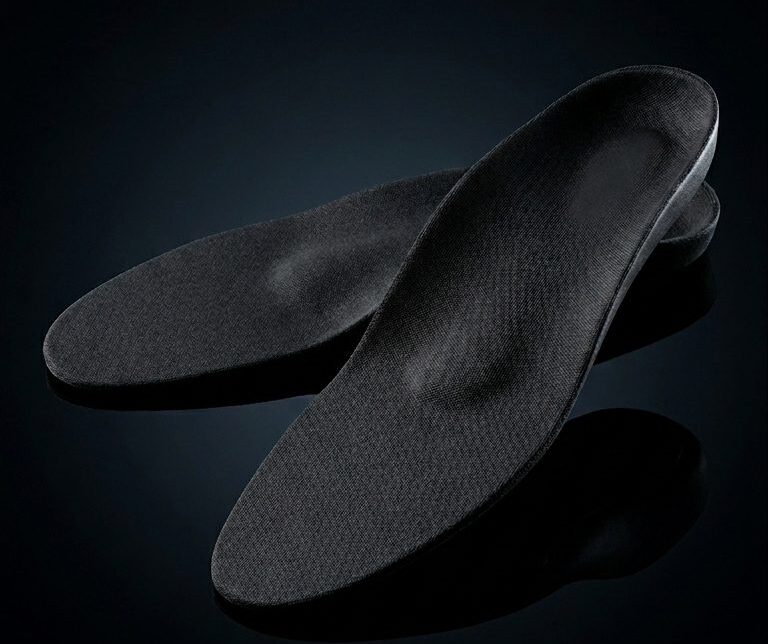
The authors recommended that clinicians use direct foot scanning over foam-box casting when prescribing CAD/CAM insoles. For clinics that dispense directly, a device the patient is satisfied with and actually wears is one that doesn’t come back for a chairside fix.
Stryde Scan makes direct capture practical in the clinic. It provides a guided scan on iPhone or iPad, with the prescription attached to the case from the start.
What does a hybrid workflow cost?
The same trial tracked staff time, materials, and transport for both routes:
- The hybrid foam-box route cost 23% more per patient.
- It used about 9 more hours of staff time across the cohort, from cast uploads, longer modelling, and more review appointments.
- Clinical modelling took roughly 14 minutes per patient from a direct scan, and 18 minutes from a foam-box cast.
- Every foam box is a single-use, non-recyclable item that also has to be shipped to the lab.
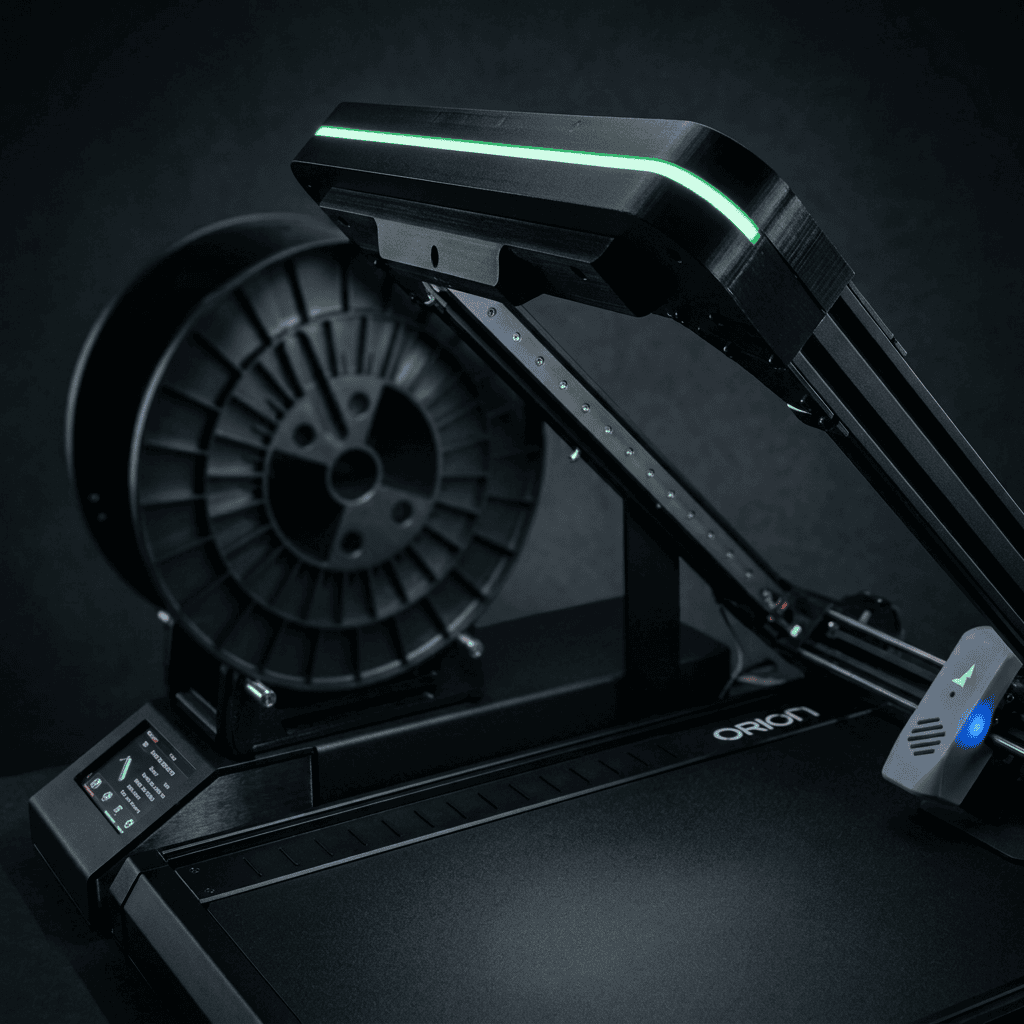
None of these costs improve the device. In the Stryde workflow, Stryde Manage keeps the scan, prescription, and design in one case record. Stryde Print then sends the finished design to the next available Orion printer, so there’s no cast to upload, ship, or re-enter.
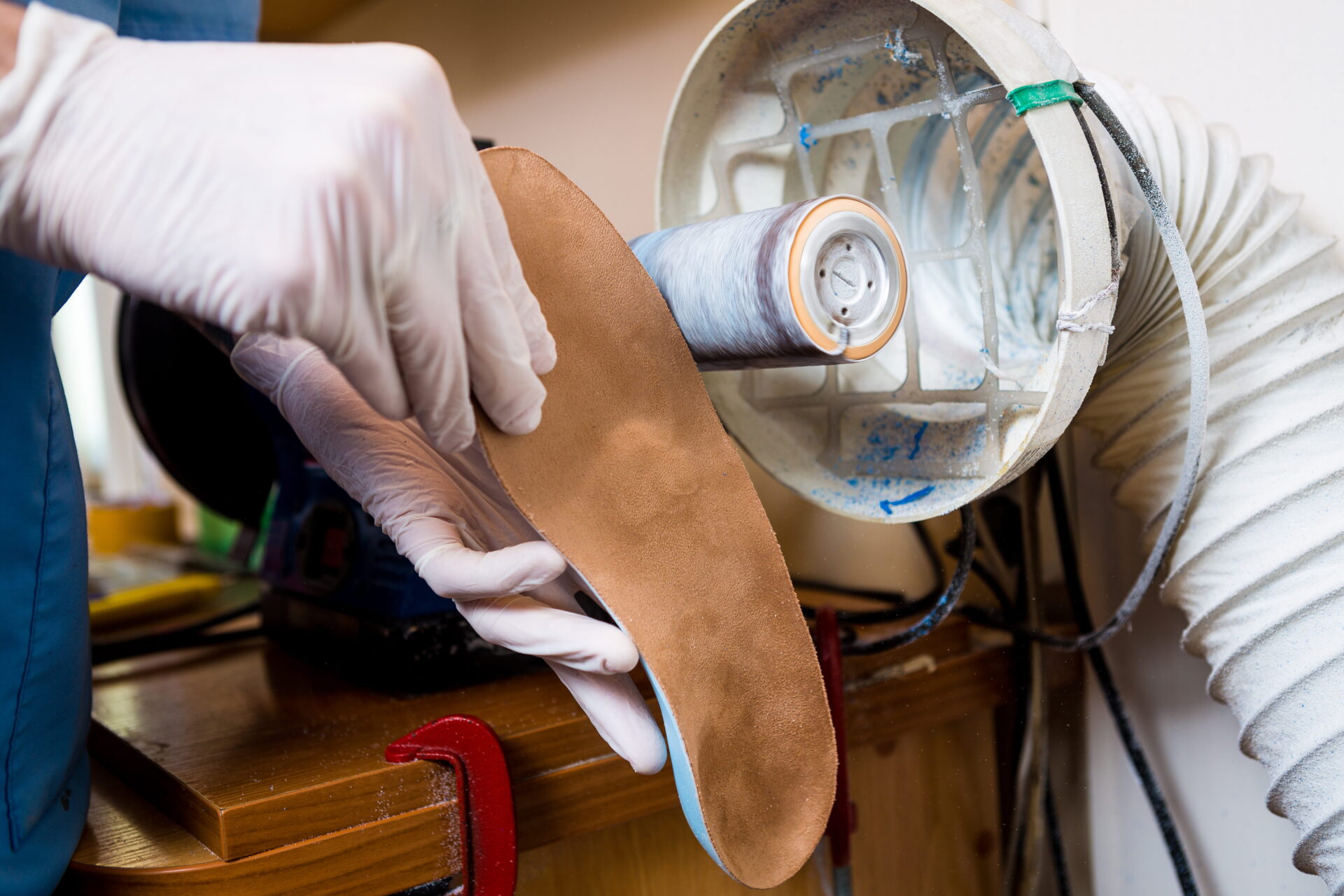
→ Related: The Hidden Cost of Manual Grinding and Finishing in Orthotics Labs
Do you need an expensive scanner for accurate orthotics?
A second 2025 study (Sensors, 2025) compared three scanners, from a high-end structured-light unit at about USD 34,800 to a phone-based depth-camera app. The raw scans differed, but once each went through orthotic design, the finished designs showed no significant difference between scanners.
What did change the design was foot positioning. Moving from non-weight-bearing to partial weight-bearing shifted the medial arch and heel by about 5 mm, which the authors noted could lead to more grinding, lower comfort, and fit problems.
Two takeaways for orthotics teams:
- Capture consistency matters more than hardware price. A standard, repeatable protocol does more for design accuracy than a premium scanner. Stryde Scan’s guided workflow is built for that repeatability, whoever is holding the device.
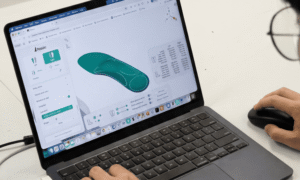
- The design step does real work. Good design software turns imperfect scan data into a consistent device. Stryde Design uses prescription-driven parameters to carry clinical intent into every design.
What should labs and clinics take from this research?
The studies describe a workflow, not a single tool:
- Capture the foot directly, with no cast in between (Stryde Scan).
- Use the same capture protocol every time, for every patient, at every location (Stryde Scan).
- Let prescription-driven design carry clinical intent into the device (Stryde Design).
- Keep scan, prescription, and design connected, so nothing is re-entered or reshipped (Stryde Manage and Stryde Print).
For small and mid-sized clinics, this means happier patients and fewer adjustments after dispensing. Clinics can start scanning on an iPhone or iPad. For small and mid-sized labs, it means more consistent scans from clinic customers, less staff time per case, and an easier path to help those customers move off foam boxes.
→ Learn more about digital orthotics workflows
How does the Stryde Software Suite support a fully digital workflow?
The Stryde Software Suite connects every step from scan to finished device:
- Stryde Scan guides clinicians through a fast, repeatable scan on iPhone or iPad, with patient and prescription details connected from the first scan.
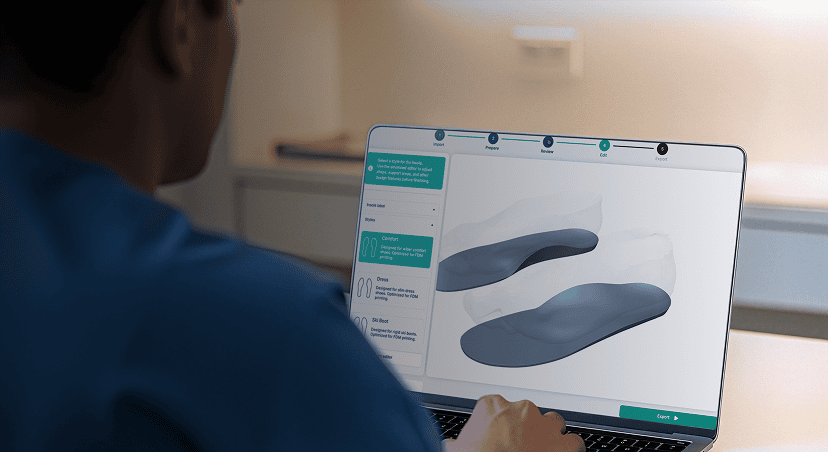
- Stryde Design combines automated design workflows with patient-specific modifications to create prescription-driven designs.
- Stryde Print prepares and manages production:
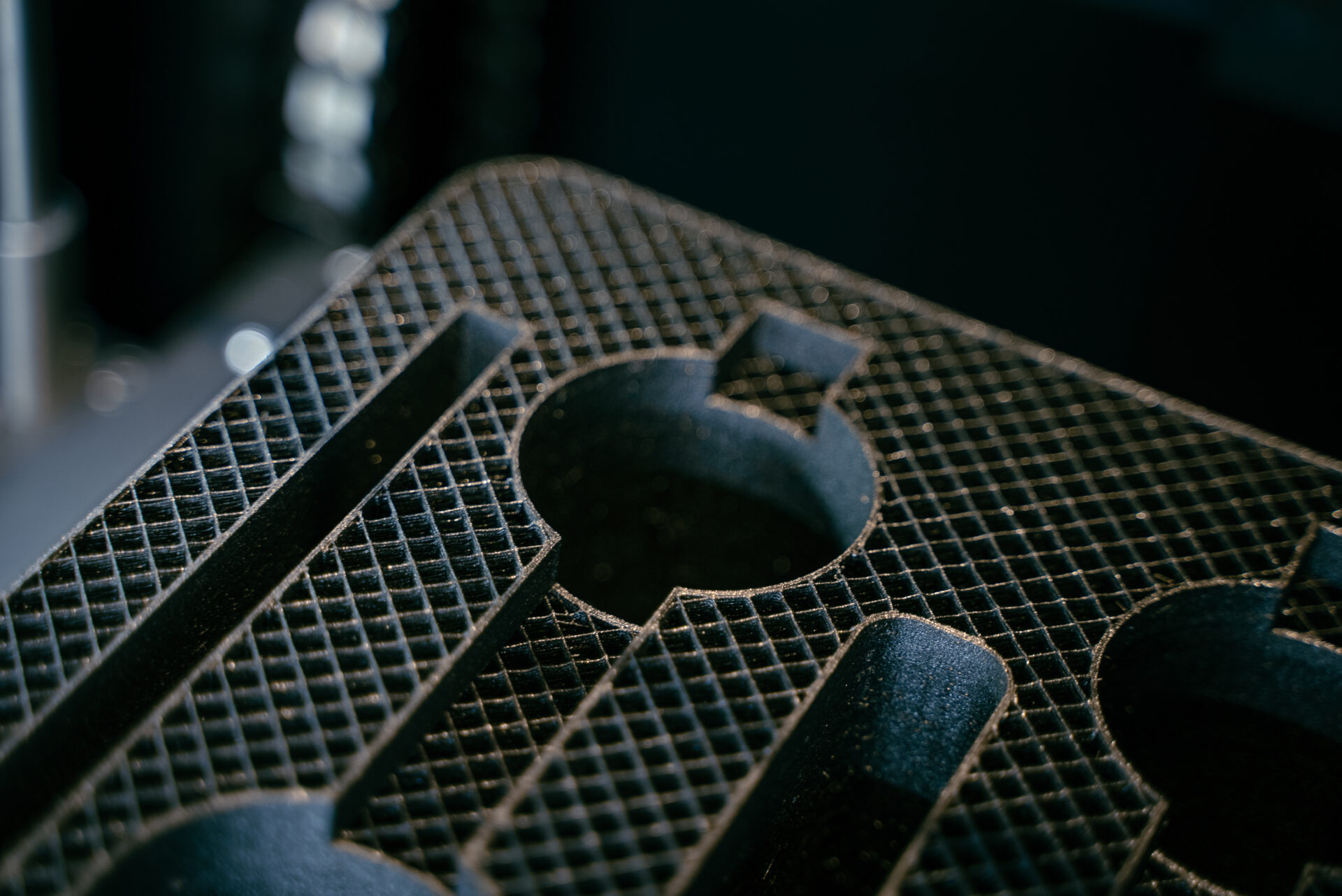
- Density can be set by zone or across the whole device, without manual slicing.
- Jobs are routed to the next available Orion printer.
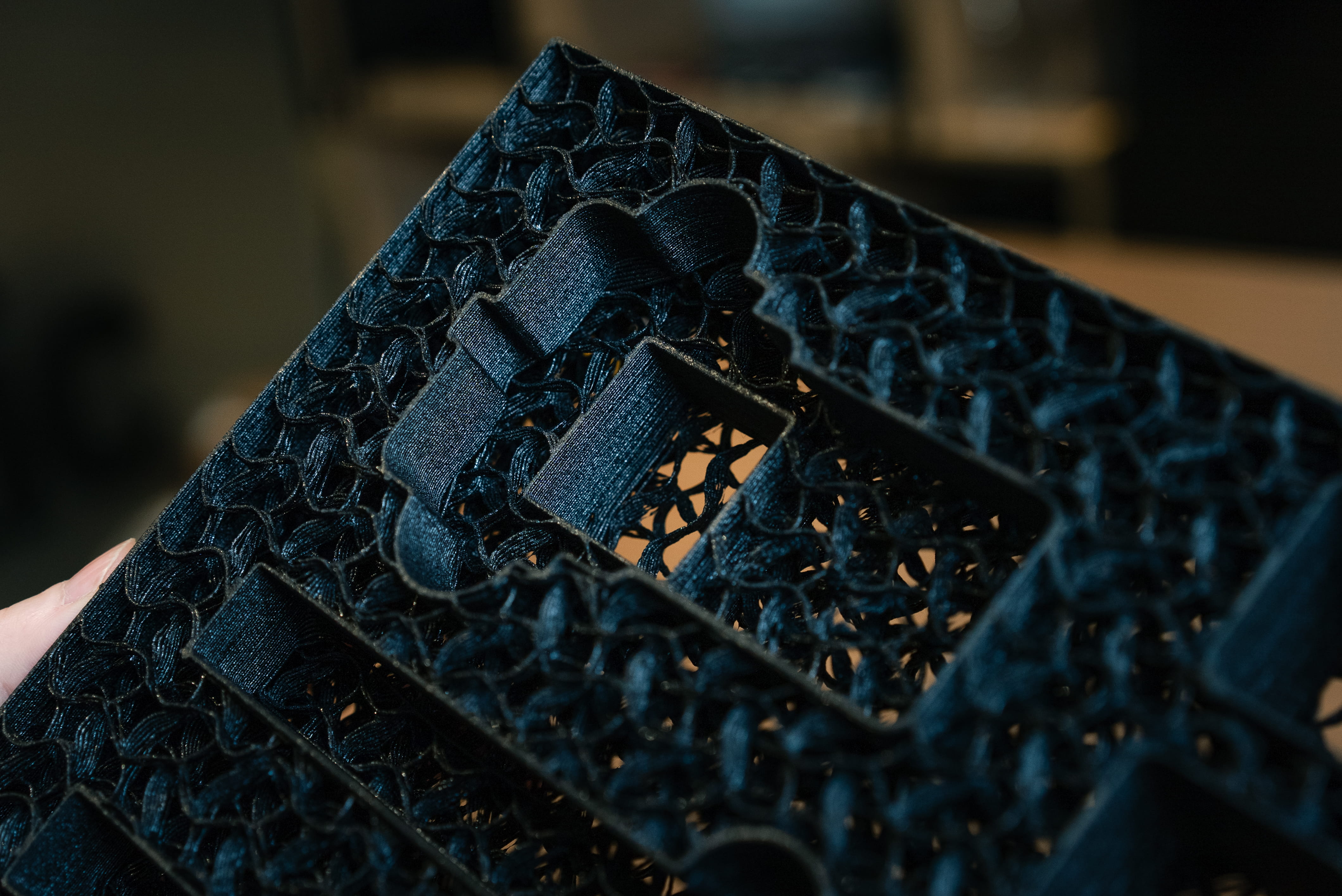
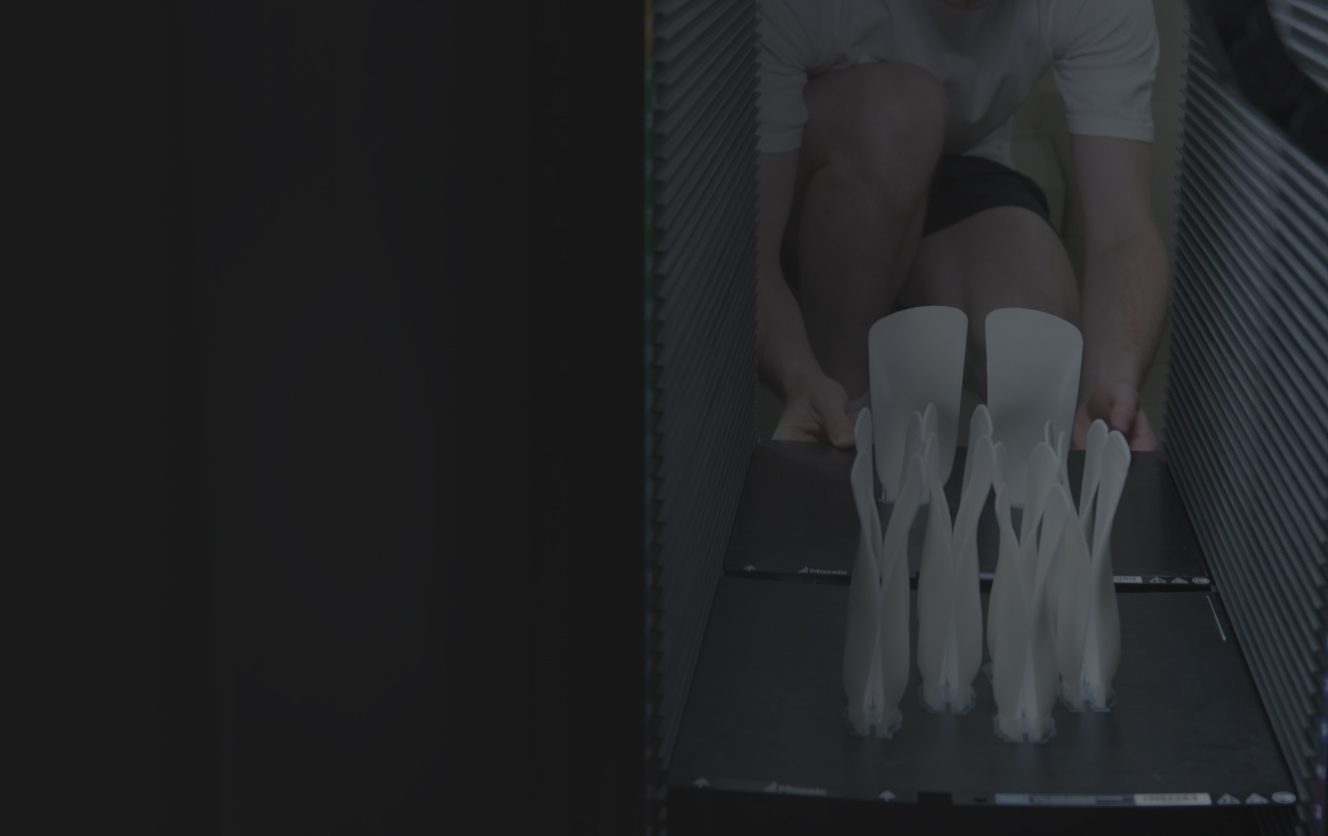
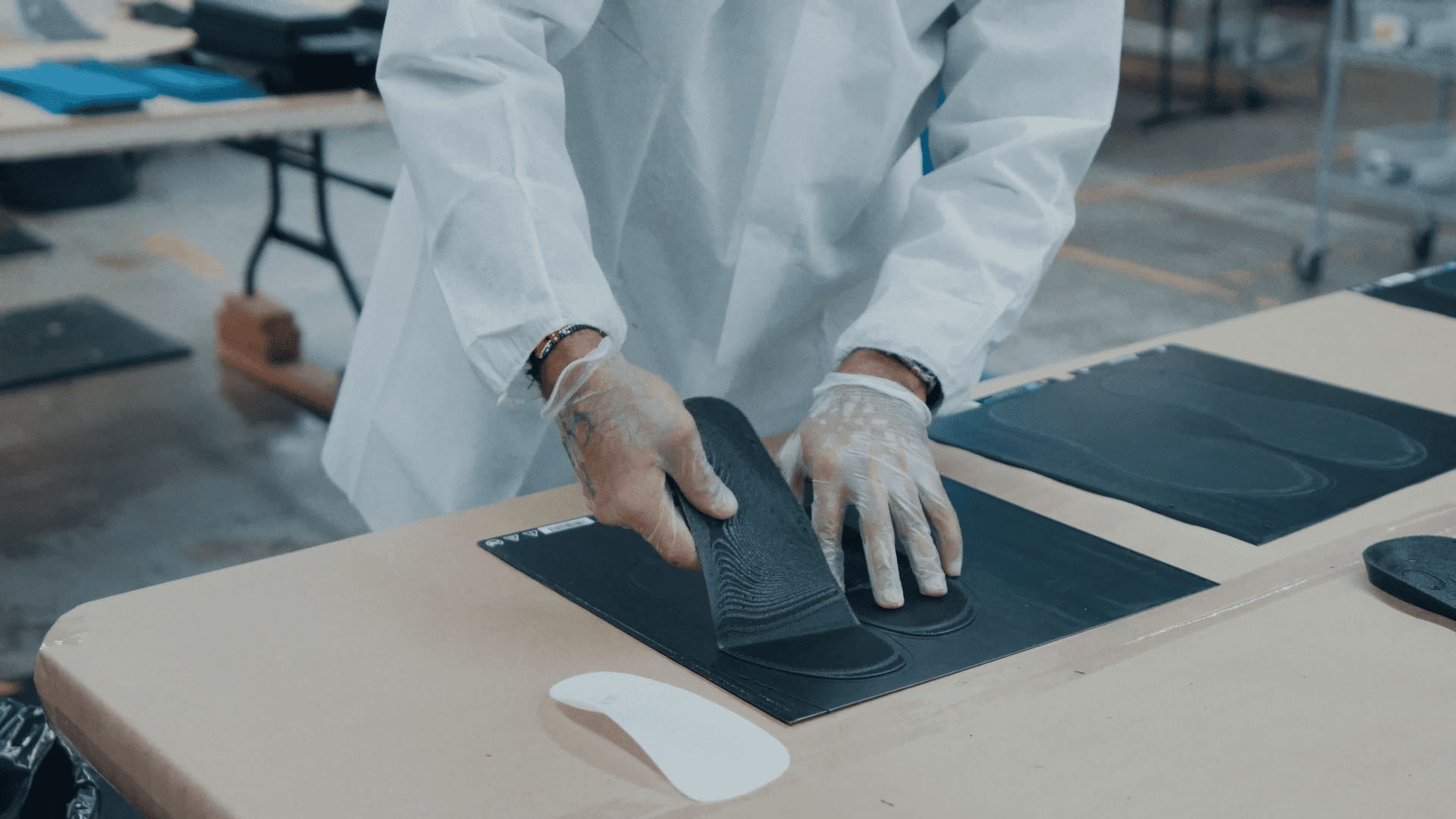
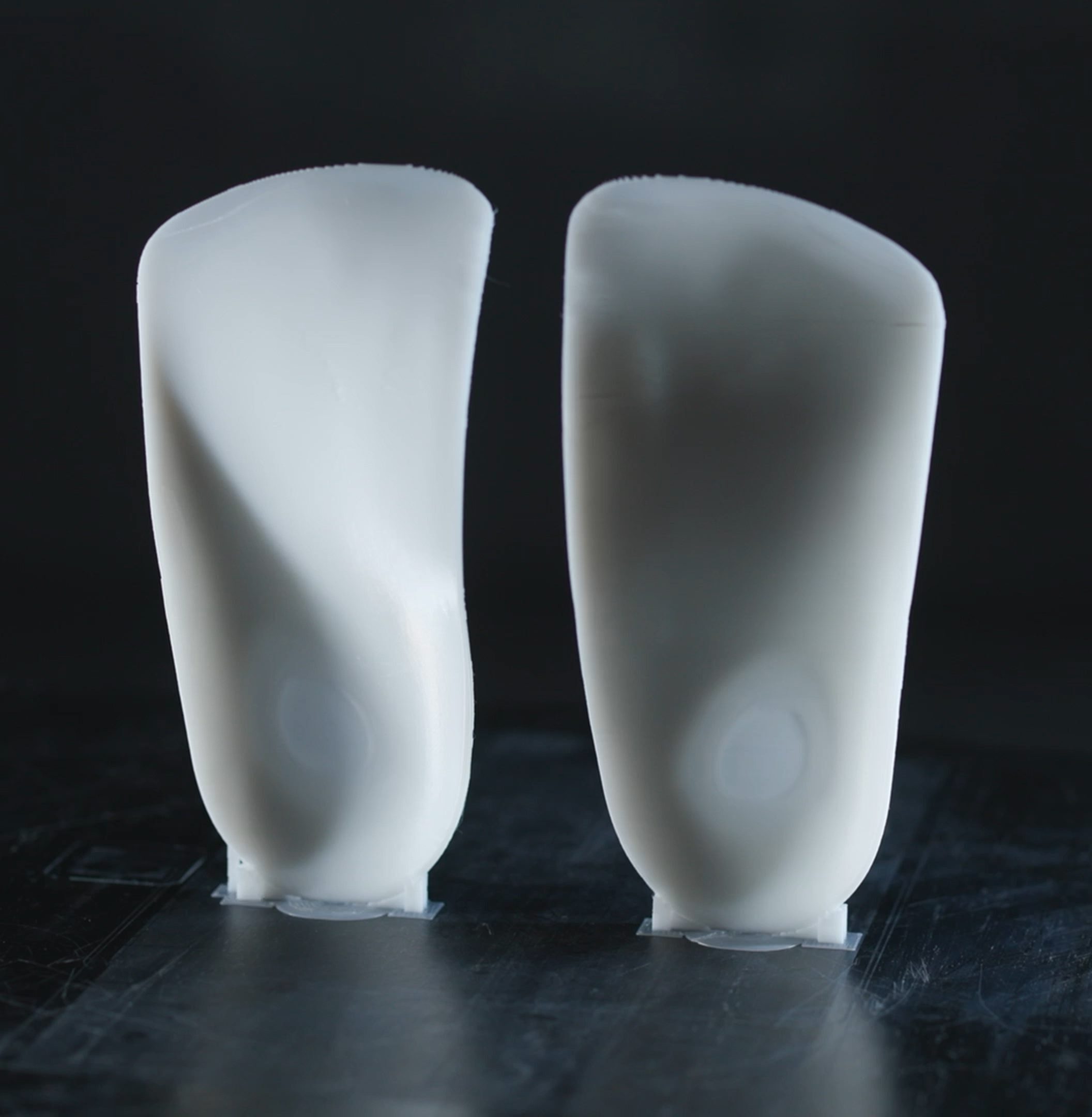
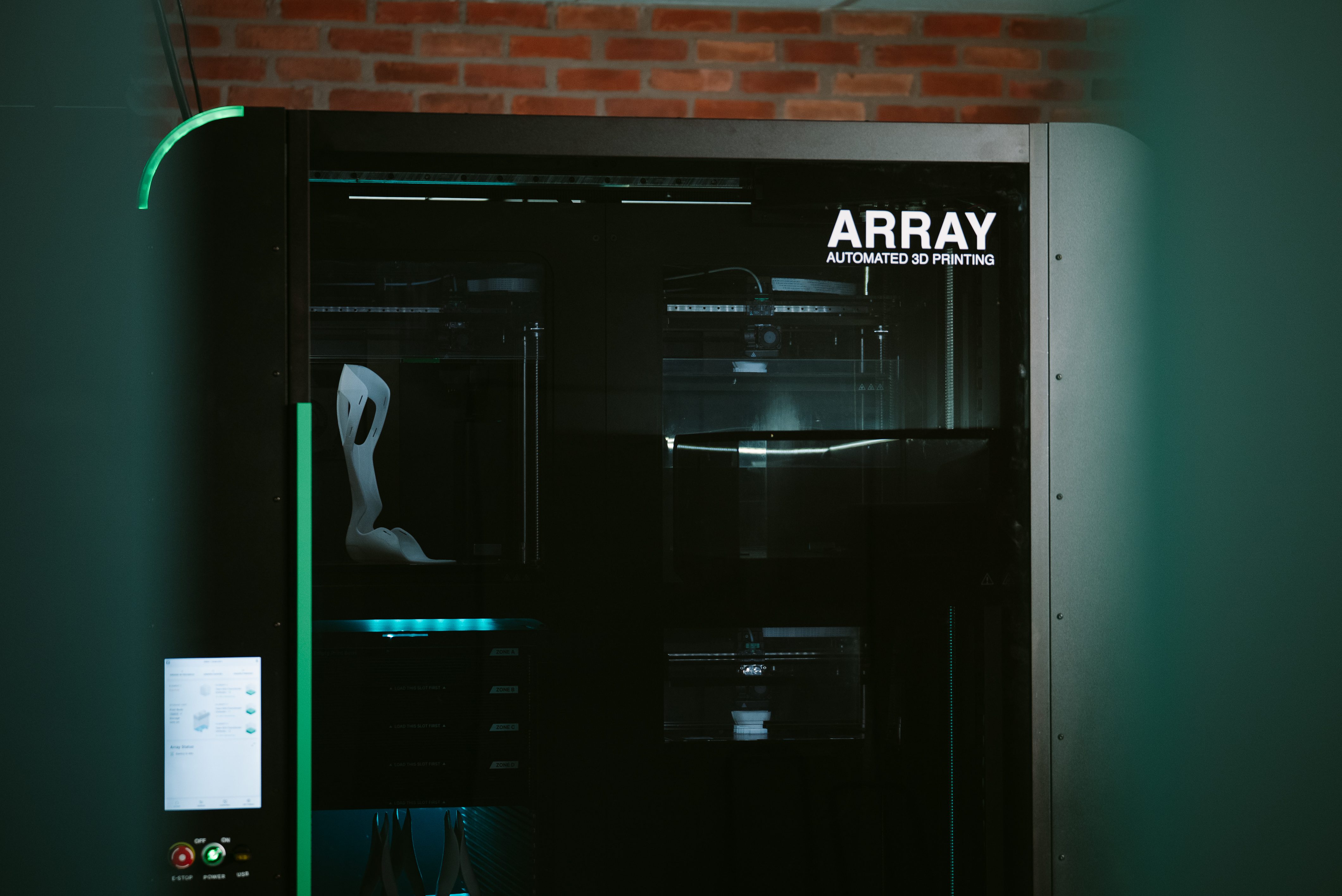
Mosaic’s Orion automated 3D printing platform then produces the device. There’s no foam box to buy, ship, or scan, and no file handoff between disconnected tools.
→ Related: From Scan to Finished Device: The Orion + Stryde Workflow Explained | Variable Density 3D Printing for Custom Orthotics
Move From Hybrid to Fully Digital
How you capture the foot shapes patient satisfaction, adherence, and cost. Stryde and Orion give labs and clinics a connected, fully digital path from scan to finished device.
Book a Stryde demo to see the workflow in your lab or clinic, or request a sample pair to see the finished output.