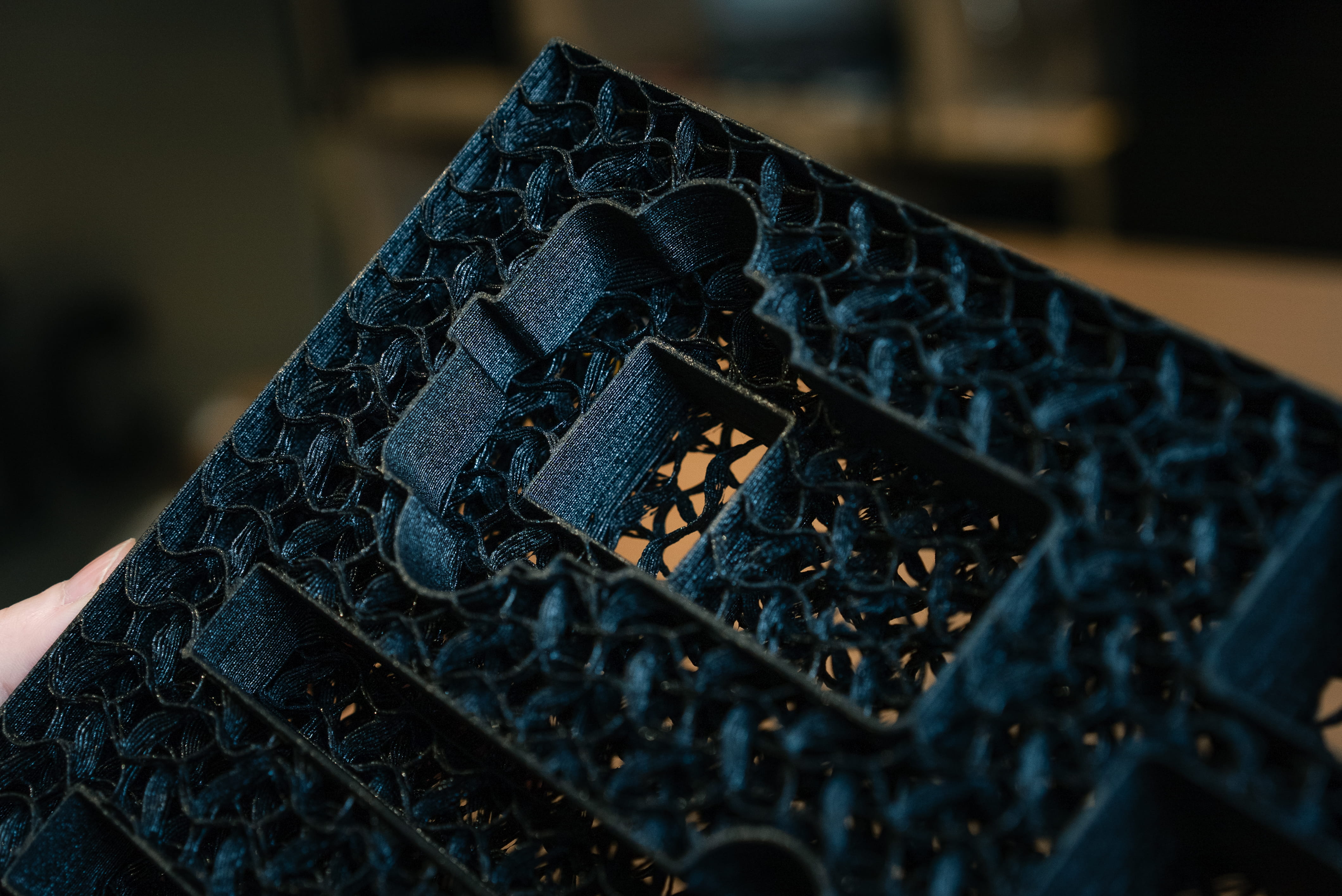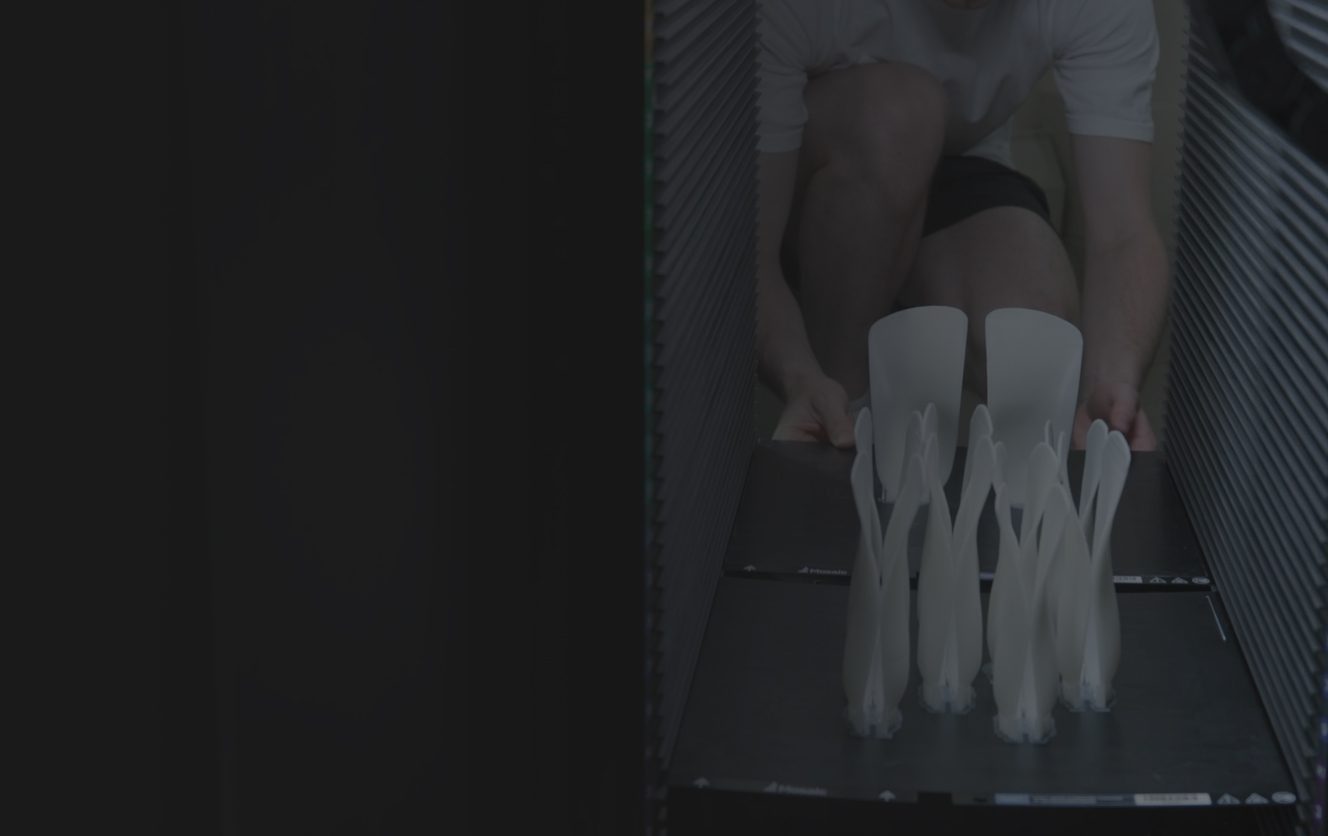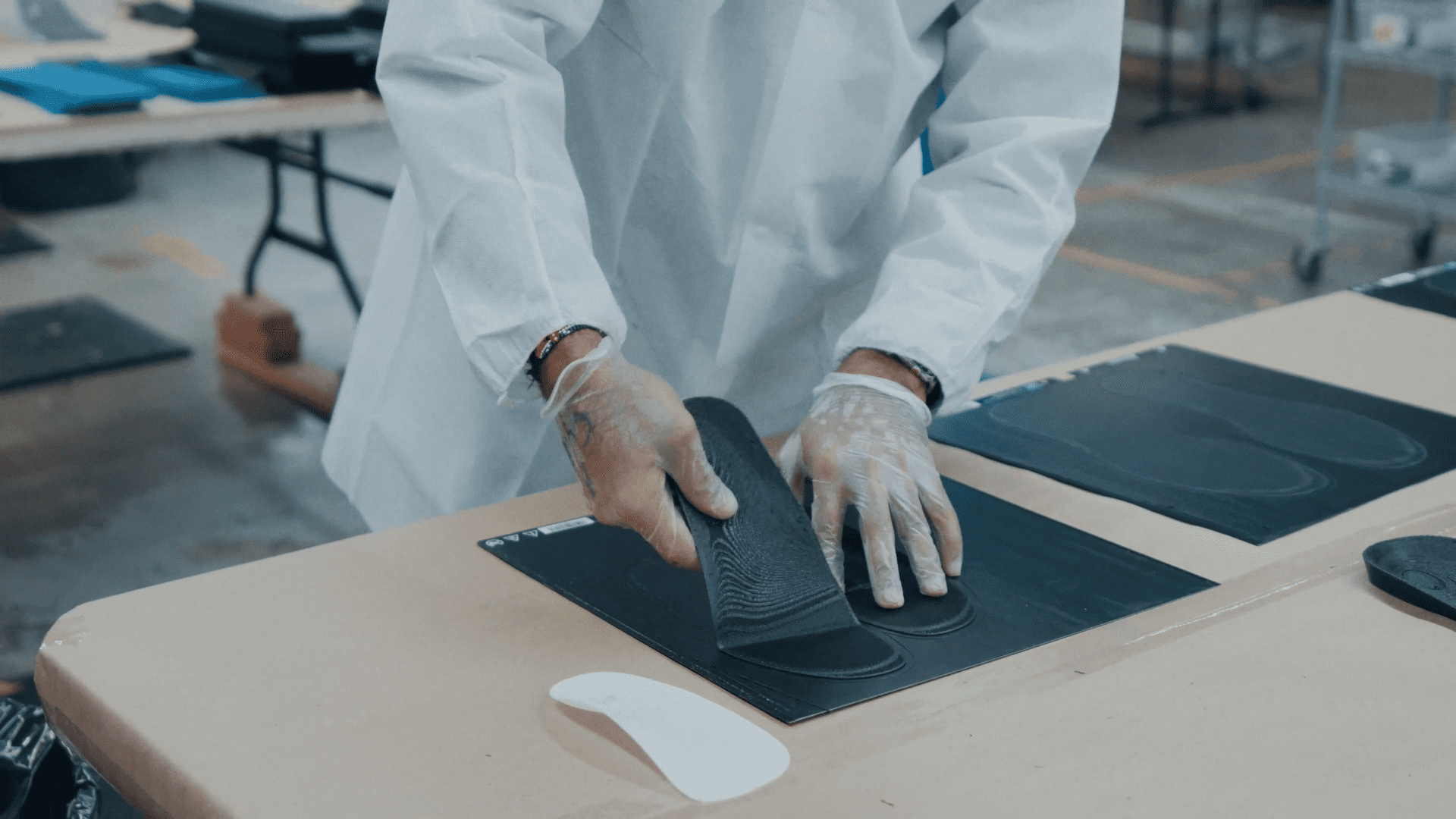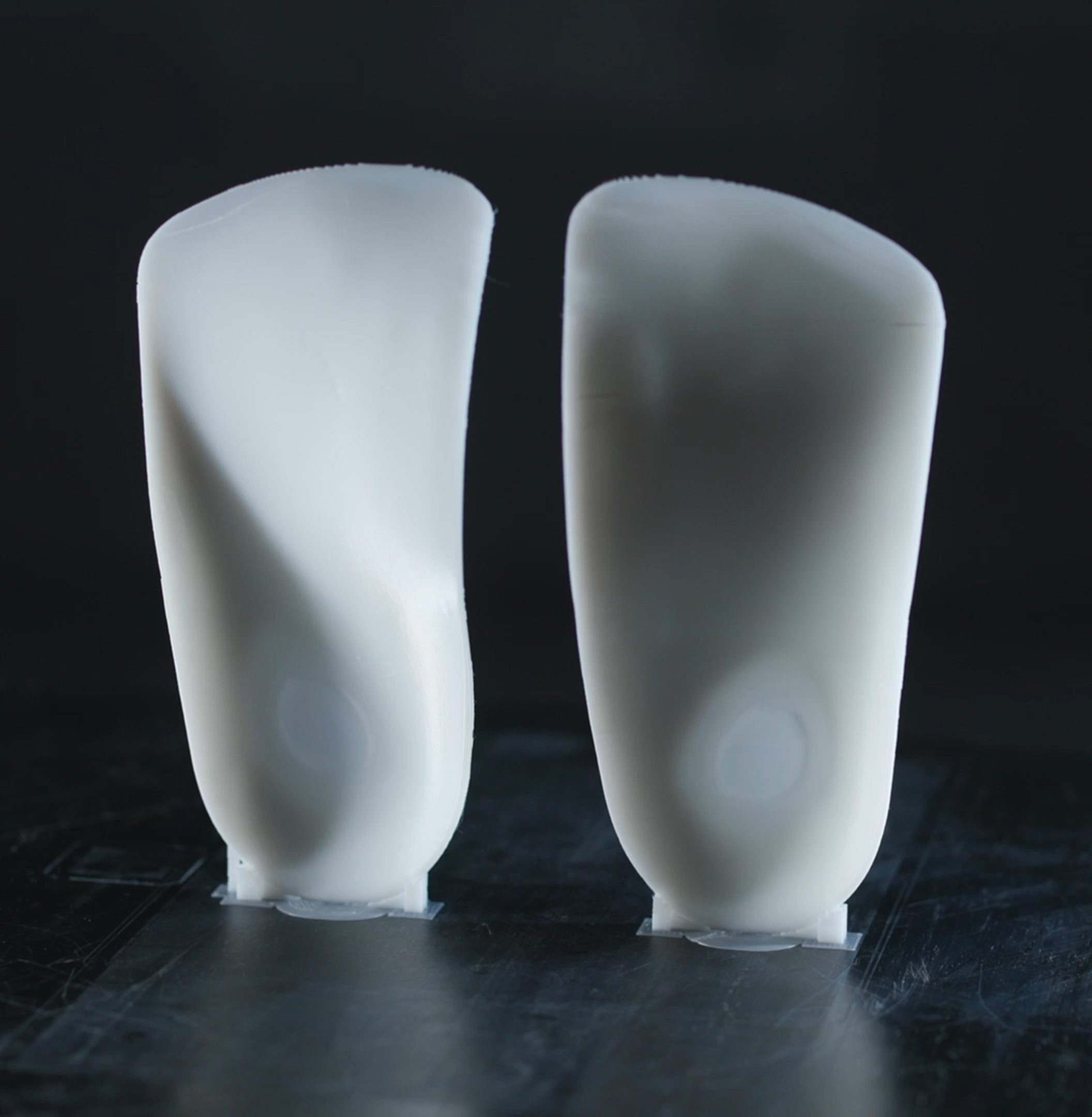
Scaling an orthotics lab sounds simple: add locations, technicians, equipment. In practice, every new site and technician introduces variability. Devices from one location differ from another; a senior technician’s output differs from a junior’s, even from the same prescription.
This is not a personnel problem. It is a systems problem. Manual orthotic production workflows are inherently technician-dependent, and technician-dependent production does not standardize across people, shifts, or locations without significant management overhead. The larger the organization, the more acute the problem becomes, and the more expensive it is to compensate for.
For large O&P labs and multi-site clinic networks, standardization is not a quality preference. It is a prerequisite for scalable, defensible growth.
Why is standardization difficult across multi-site orthotics labs?
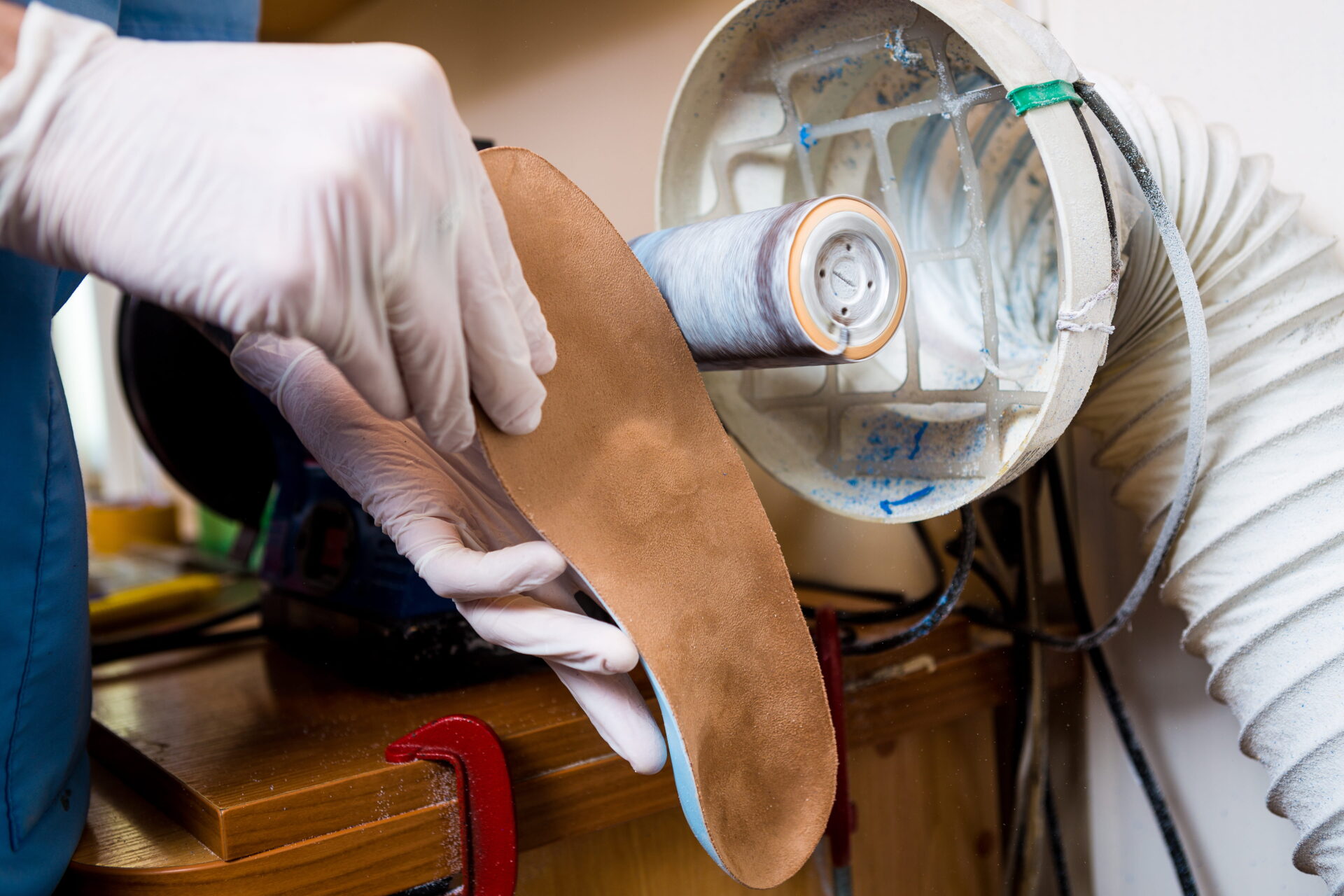
Standardization is hard because the core production inputs, technician skill, material handling, finishing judgment, aren’t transferable between people or locations the way a digitally defined process is. In manual workflows, every step from material selection to finishing requires real-time trained judgment: how EVA responds to heat, how aggressively to grind, how much to modify by hand. That knowledge is tacit and nearly impossible to fully transfer through training.
Across a single, stable team that variability is manageable. Across multiple sites and experience levels, it becomes a structural gap that widens with growth. The typical result:
- Device quality varies between locations producing identical prescriptions
- Output shifts between technicians within the same site
- Clinical feedback is site-specific rather than organization-wide
- Quality control is reactive, catching inconsistency after it occurs
This is the predictable outcome of a production model built around individual skill rather than a systematized, repeatable process.
→ Related: The Hidden Cost of Manual Grinding and Finishing in Orthotics Labs
How do training and onboarding affect consistency at scale?
Every new technician represents a temporary but real consistency risk. Reliable production skill takes meaningful time to develop, during that window, experienced staff supervise instead of produce, oversight requirements rise, and remake rates climb.
Knowledge transfer is incomplete by nature
Turnover restarts the clock
Scale amplifies every training gap
What causes quality drift between orthotics lab sites and shifts?
Most drift is systemic, not individual:
Informal process evolution
Shift-level variation
Equipment and material inconsistency
Slow, incomplete feedback loops
→ Related: Platform vs. Point Solutions: Why Orion Is Built as an Ecosystem
How does fragmented technology make standardization worse?
Most multi-site labs run a fragmented stack, different CAD tools, disconnected prescription data, production workflows that vary by local equipment and practice. That’s not a failure; it’s the accumulated result of growth decisions made without a unifying platform.
No single source of truth
No systemic design check
Design and production disconnect
No aggregated quality data
How does Orion’s ecosystem standardize orthotics output across sites?
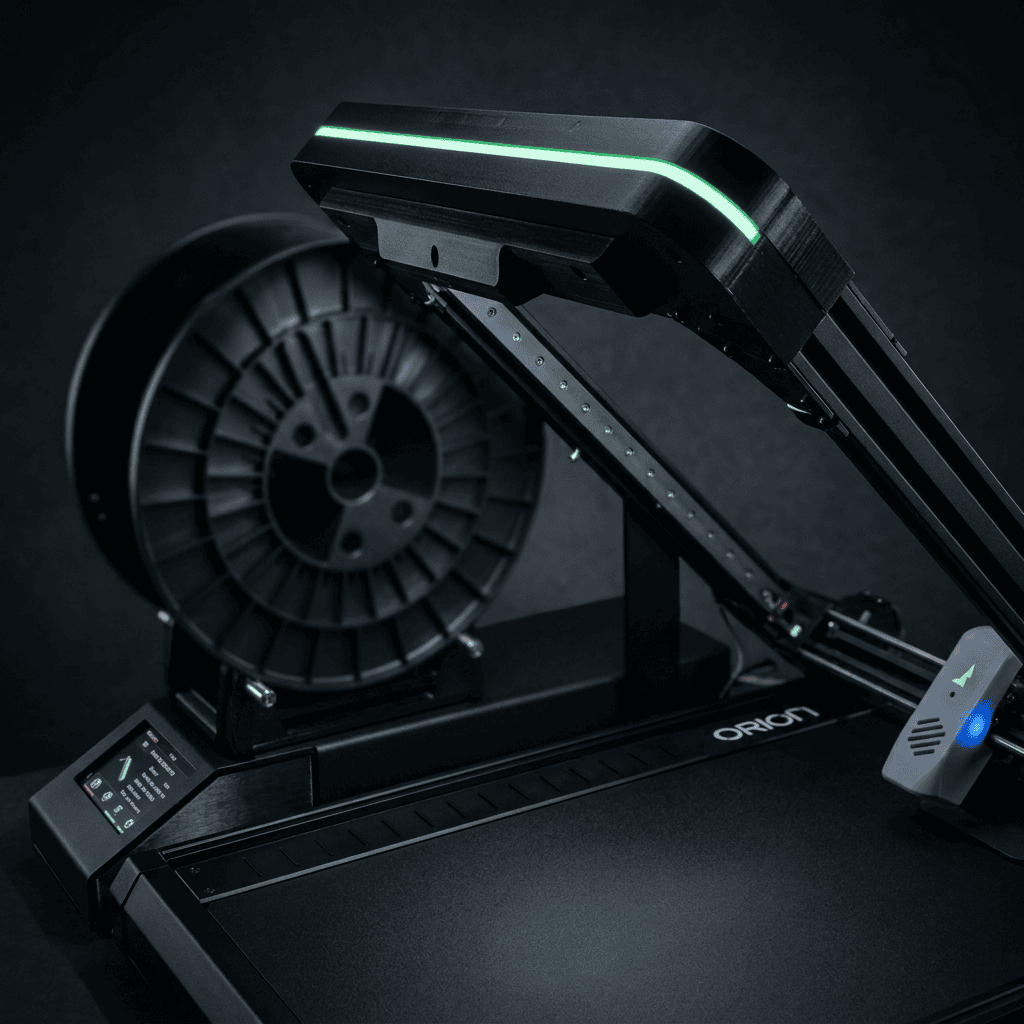
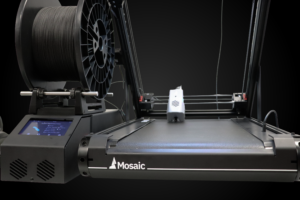
Orion and the Stryde Software Suite replace the technician-dependent, fragmented model with one digitally enforced workflow, producing consistent output regardless of location, operator, or shift.
One workflow, every site
Prescription intent locked from scan to device
Consistency independent of experience
Repeat orders from stored history
Automated, continuous production, unsupervised
Scale by adding units, not complexity
→ Related: How Belt-Based 3D Printing Is Changing Orthotics Production | The Economics of Scaling Orthotics Production With Orion
Standardize Your Orthotics Production With Orion
Mosaic Manufacturing designs complete production ecosystems for the orthotics and prosthetics industry. Orion, its belt-based 3D printer, runs continuous, automated orthotics production, with the Stryde Software Suite connecting every step from scan to finished device.
If your organization is managing consistency challenges across multiple sites, shifts, or technicians, and wants to understand what a standardized, digitally enforced orthotic production workflow looks like in practice, contact our team to discuss your production goals or request device samples.
Contact us at sales@mosaicmfg.com | mosaicmfg.com