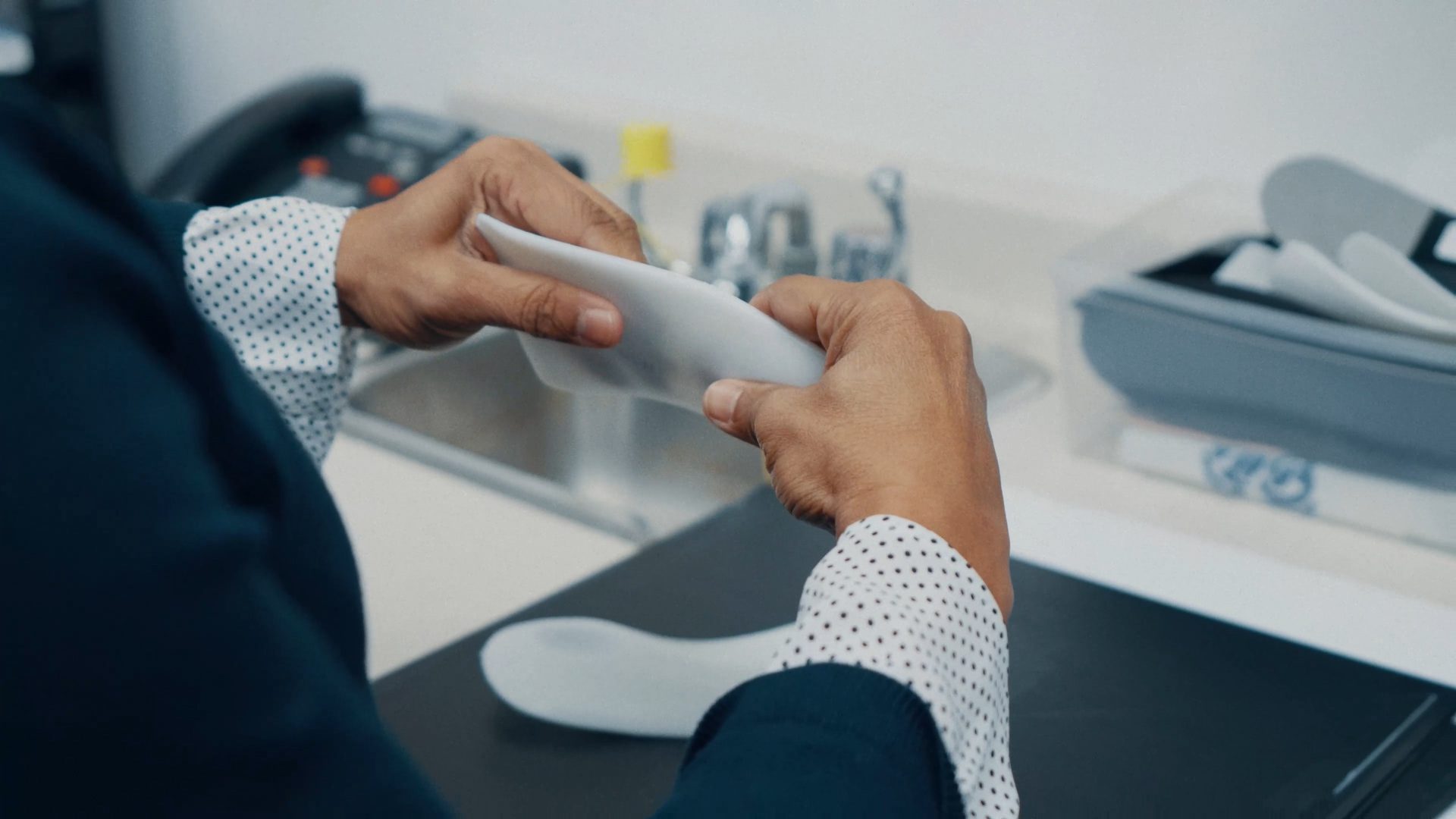
Most feet do not need uniform support.
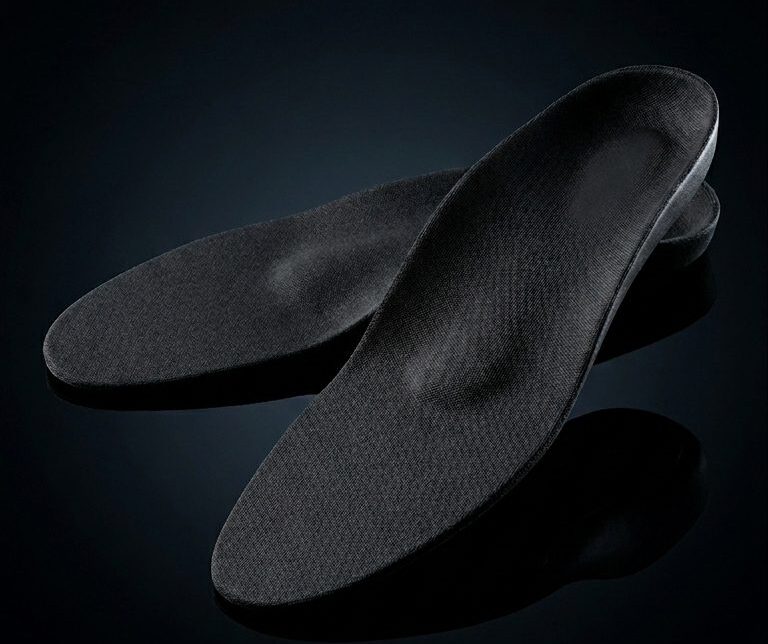
A custom foot orthotic may need firmer support beneath the arch and softer cushioning in other areas. Traditional fabrication can combine materials of different hardnesses, with additional shaping and finishing to achieve the prescribed response.
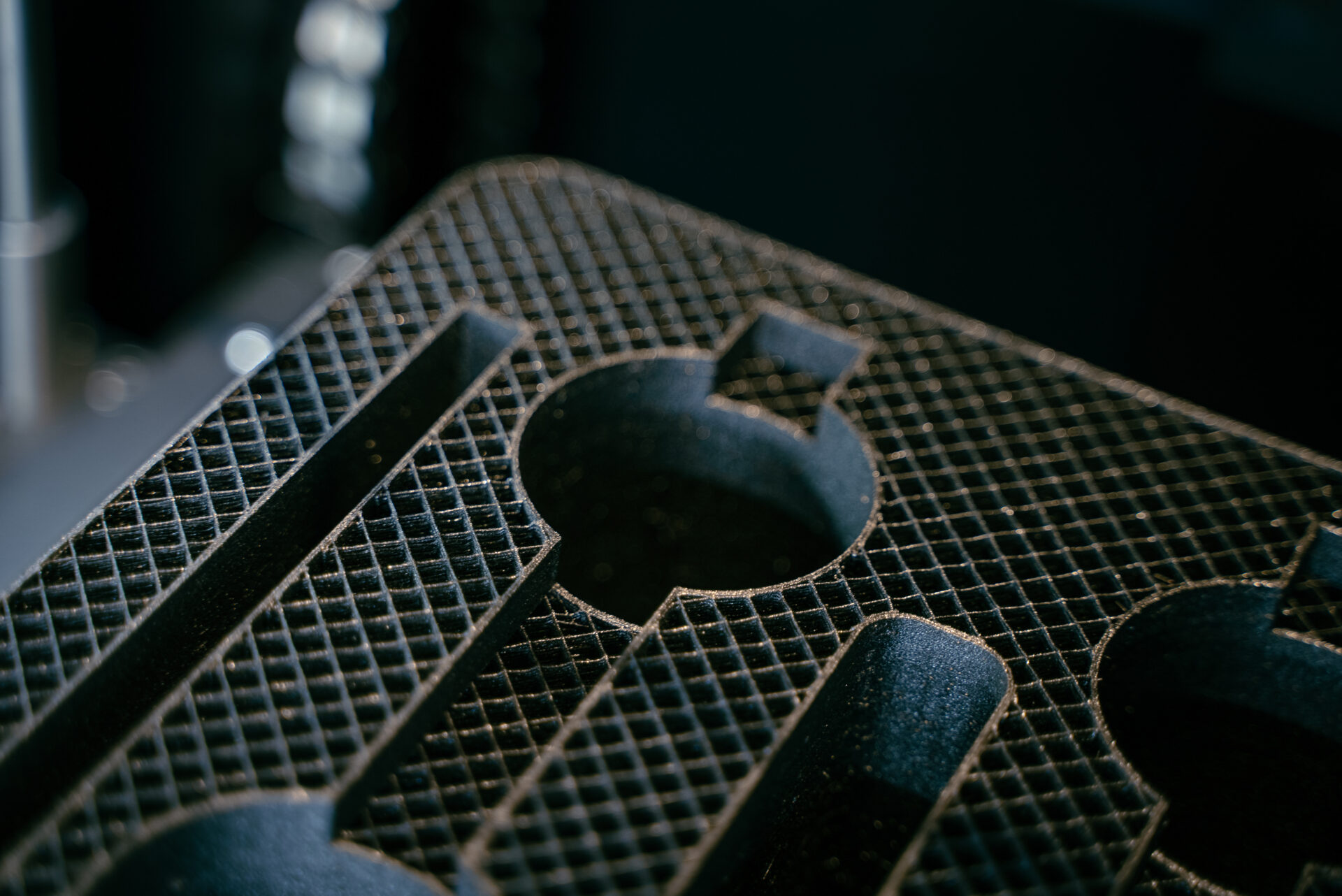
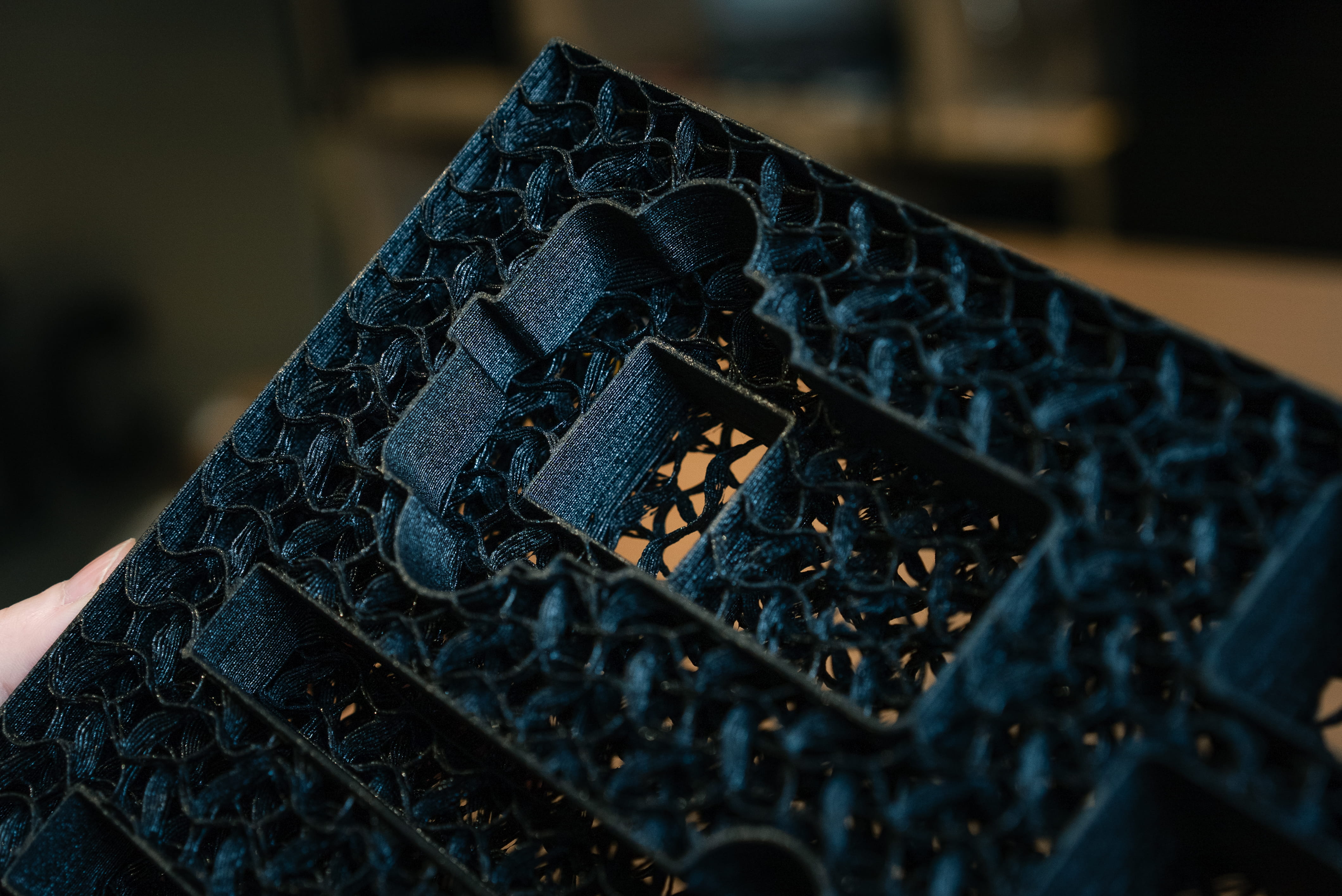
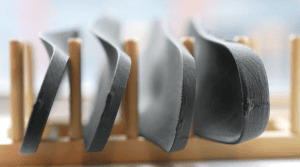
Variable-density 3D printing allows different levels of firmness to be created within a single-material orthotic by changing its internal structure. Those regions are defined digitally before the device is printed.
For orthotics labs and clinics, this provides another way to customize how a device responds under load while reducing some of the manual work involved in building up different material regions.
What Is Variable Density in a Custom Orthotic?
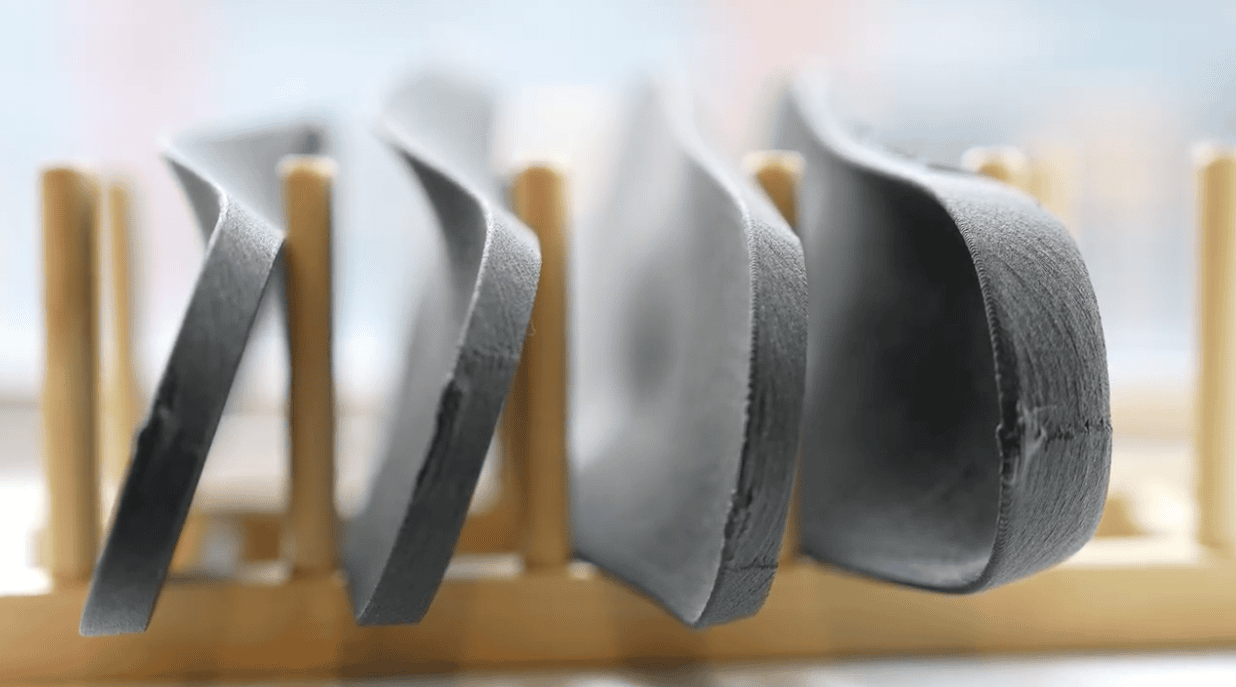
Variable density refers to differences in the internal printed structure across regions of an orthotic. Within a single device, selected regions can contain more or less material, changing how firmly they resist compression.
For example, a design may combine a firmer arch region with a softer heel region, according to the prescription. These differences can be produced using one material, without assembling separate material layers solely to create those firmness zones.
Density is one part of the design. The material, device thickness, and overall geometry also influence how the orthotic responds under load.
The workflow becomes: Design the orthotic → Specify regional firmness → Prepare and print.
Why does variable density matter for personalized orthotics?
An orthotic does not need to respond uniformly across its entire surface. Regional density control gives designers another way to adjust firmness and cushioning while retaining a continuous device.
This gives clinicians and designers greater control over:
- Support
- Cushioning
- Pressure relief
- Accommodation
- Overall device response
It also reduces the need for multiple layers and manual modifications.
How Does Variable Density Change Orthotics Production?
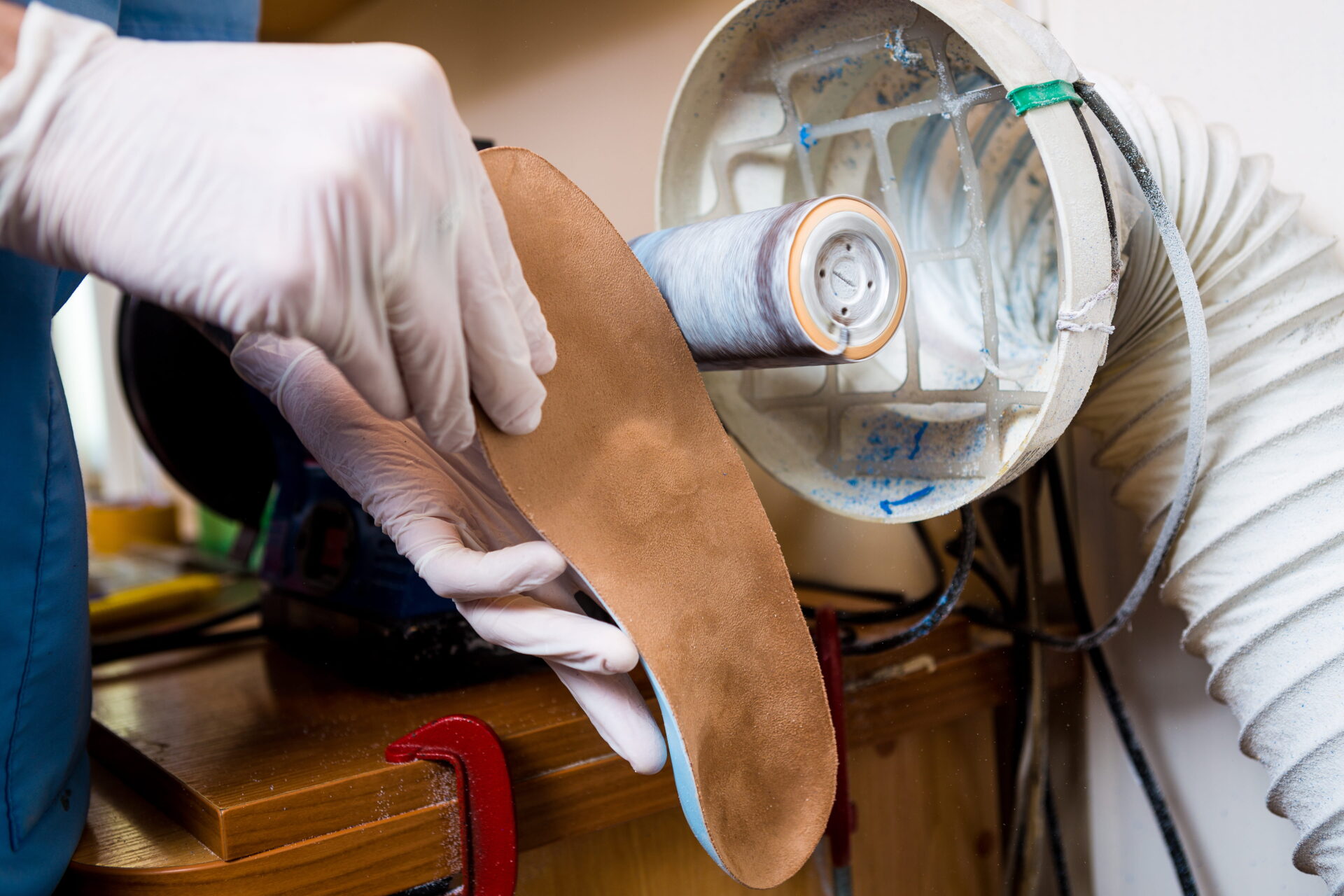
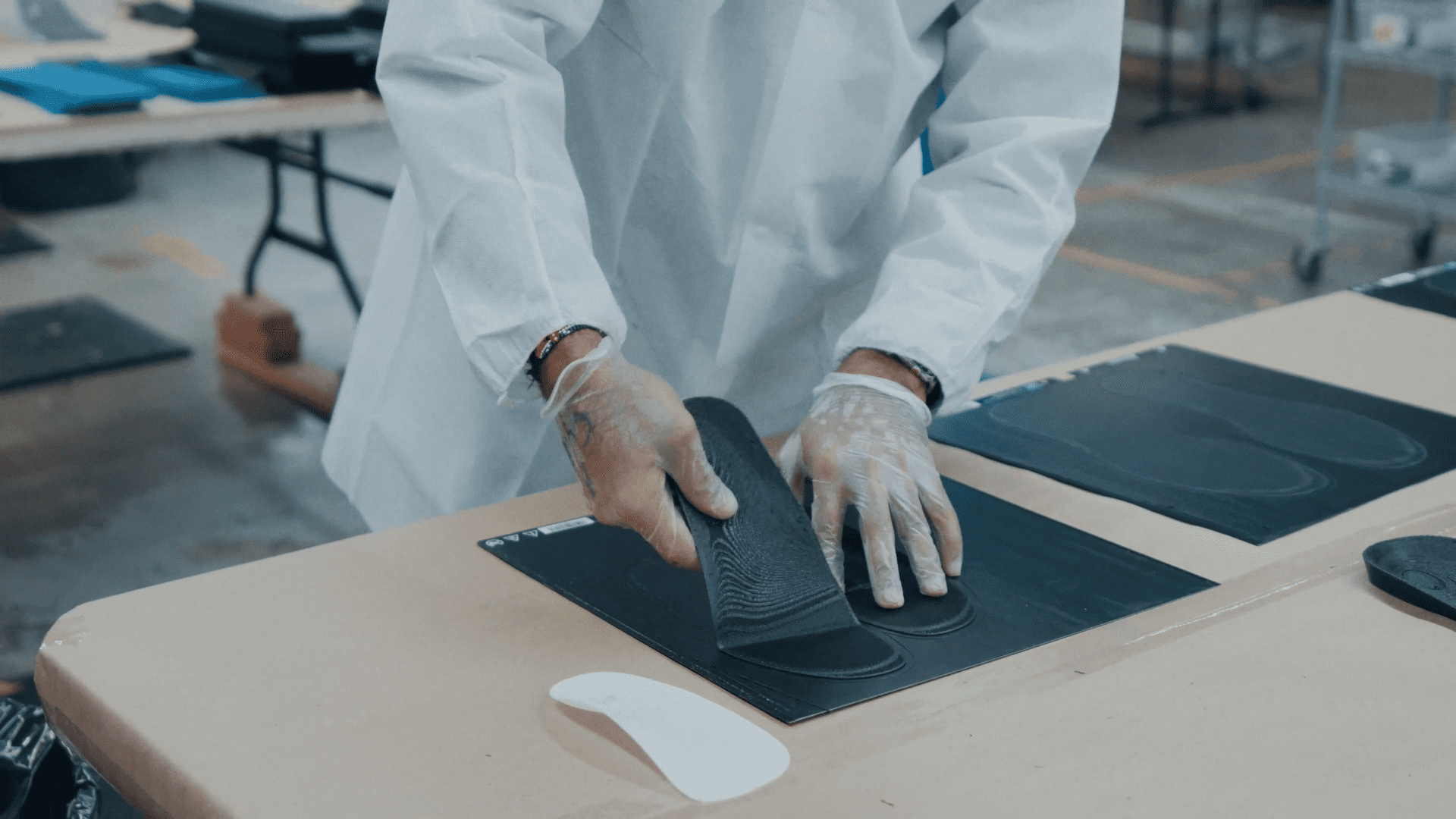
Traditional multi-density fabrication can require additional materials, lamination, adhesives, grinding, and heat application. Each step adds labour and creates another opportunity for variation.
With digitally controlled density, specifications are built into the production file. This can reduce manual touch time, limit technician-dependent variation, and make complex designs easier to reproduce across shifts and locations.
Digital designs also support repeat orders. Instead of rebuilding a density profile manually, the team can revisit the original design and apply updates when the patient’s prescription changes.
→ Related: The Hidden Cost of Manual Grinding and Finishing in Orthotics Labs
How Do Orion and Stryde Support Variable-Density Orthotics?
The Stryde Software Suite connects patient capture, prescription-driven design, case management, and production preparation.
Stryde Design supports customized orthotic designs and variable-density workflows. Stryde Manage keeps prescriptions, revisions, repeat orders, and case history connected. Stryde Print prepares each case for production and connects directly with Orion.
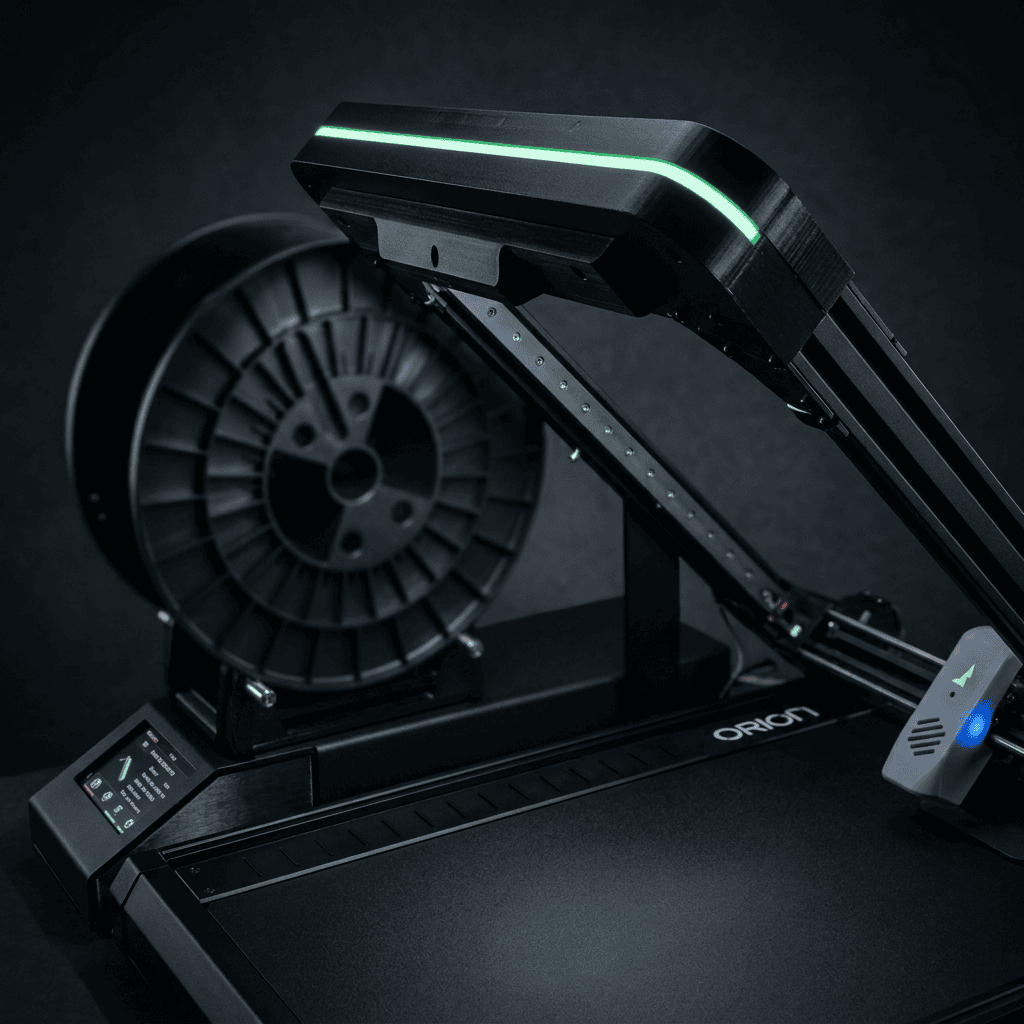
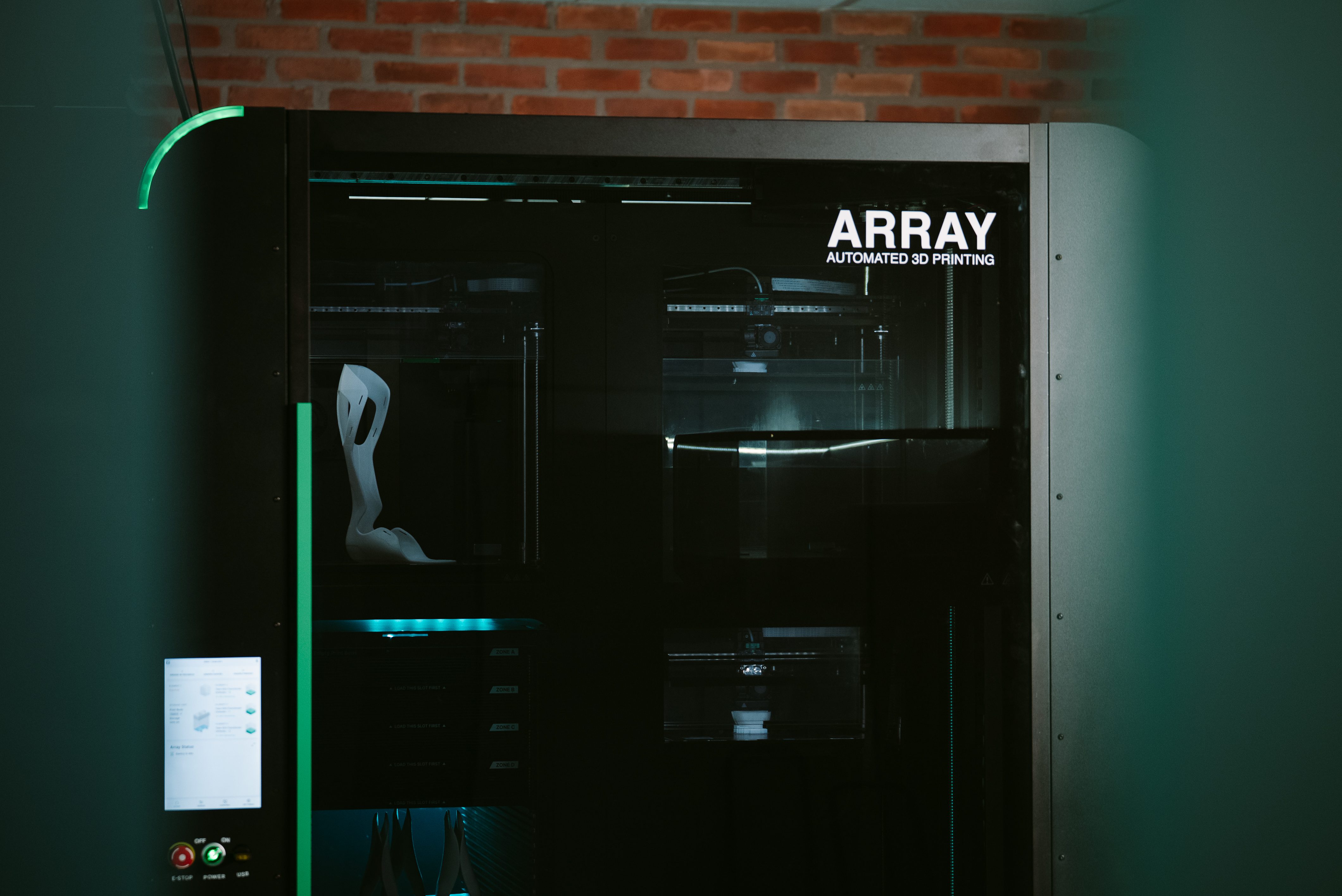
Orion provides the automated manufacturing platform for both flexible and rigid orthotics. Labs can produce accommodative devices for comfort and pressure distribution, as well as rigid devices for structural support and biomechanical control.
Mosaic’s Stryde Aero material is designed for flexible, accommodative orthotics, while Stryde Form is designed for polypropylene-class shells and rigid support.
Together, Stryde and Orion help move variable-density designs from digital planning into repeatable physical production.
→ Related: The Orion + Stryde Workflow Explained | Orthotics Materials
Bring Regional Firmness into the Digital Design
Variable-density printing gives orthotics teams another way to tailor how different regions of a device respond under load. By defining those regions digitally, teams can retain the specification for production, review, and future revisions.
Orion and Stryde bring this capability into a connected design and manufacturing workflow, helping reduce the manual work involved in creating different firmness regions.
Want to explore variable-density production for your orthotics workflow? Contact our team