Ask an orthotics lab owner what it costs to produce one pair of custom orthotics, and the answer usually needs a closer look.
The number includes more than material. Labour, finishing time, remakes, equipment, software, utilities, training, and facility costs all contribute. A small difference per pair multiplies across every prescription a lab fills in a year, so cost per pair is one of the most important numbers in a lab’s operating model. It determines how much room a lab has to price competitively, absorb reimbursement pressure, or invest in growth.
A clear cost-per-pair model helps answer key questions. Is added volume improving margins? Which production steps create the most cost? Should manufacturing stay outsourced or move in-house?
Digital orthotics manufacturing can change these calculations by reducing manual touch time, material waste, and production variability. The full benefit depends on the complete workflow, from scan and design through production and quality control.
What is included in the cost per pair?
Traditional EVA and polypropylene workflows
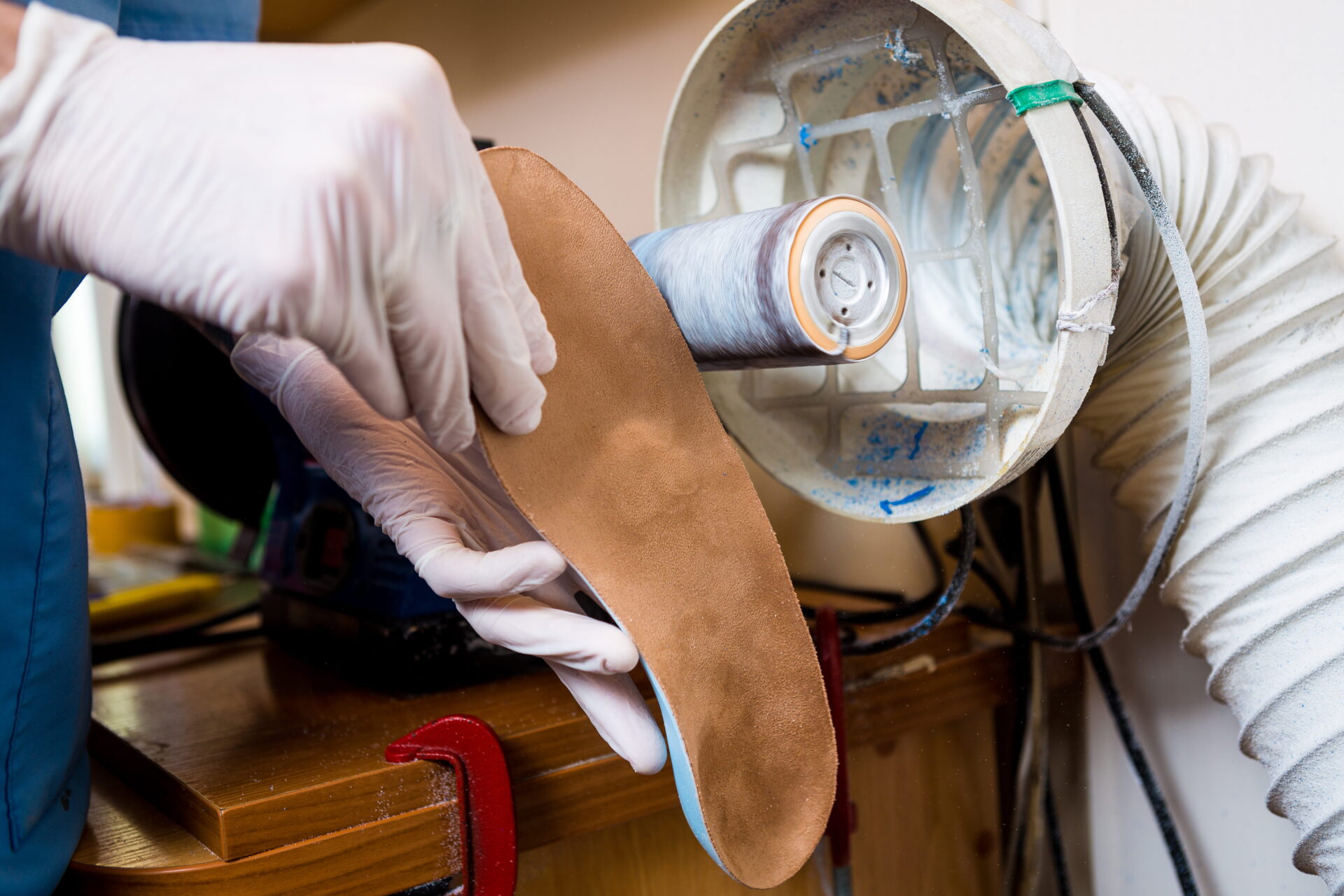
Traditional workflows often involve several manual steps. Technicians may form or mill the device, grind the surface and edges, bond additional layers, make adjustments, and inspect the finished pair.
This labour is hard to isolate because it varies by device. One pair may need minimal finishing, while another needs extra grinding or rework. As volume grows, technician-hours grow with it, so more prescriptions bring more revenue but also more labour. Finishing is one of the least visible costs in the production model, and one of the hardest to reduce.
→ Related: The Hidden Cost of Manual Grinding and Finishing in Orthotics Labs | The Economics of Scaling Orthotics Production With Orion
SLS and MJF workflows
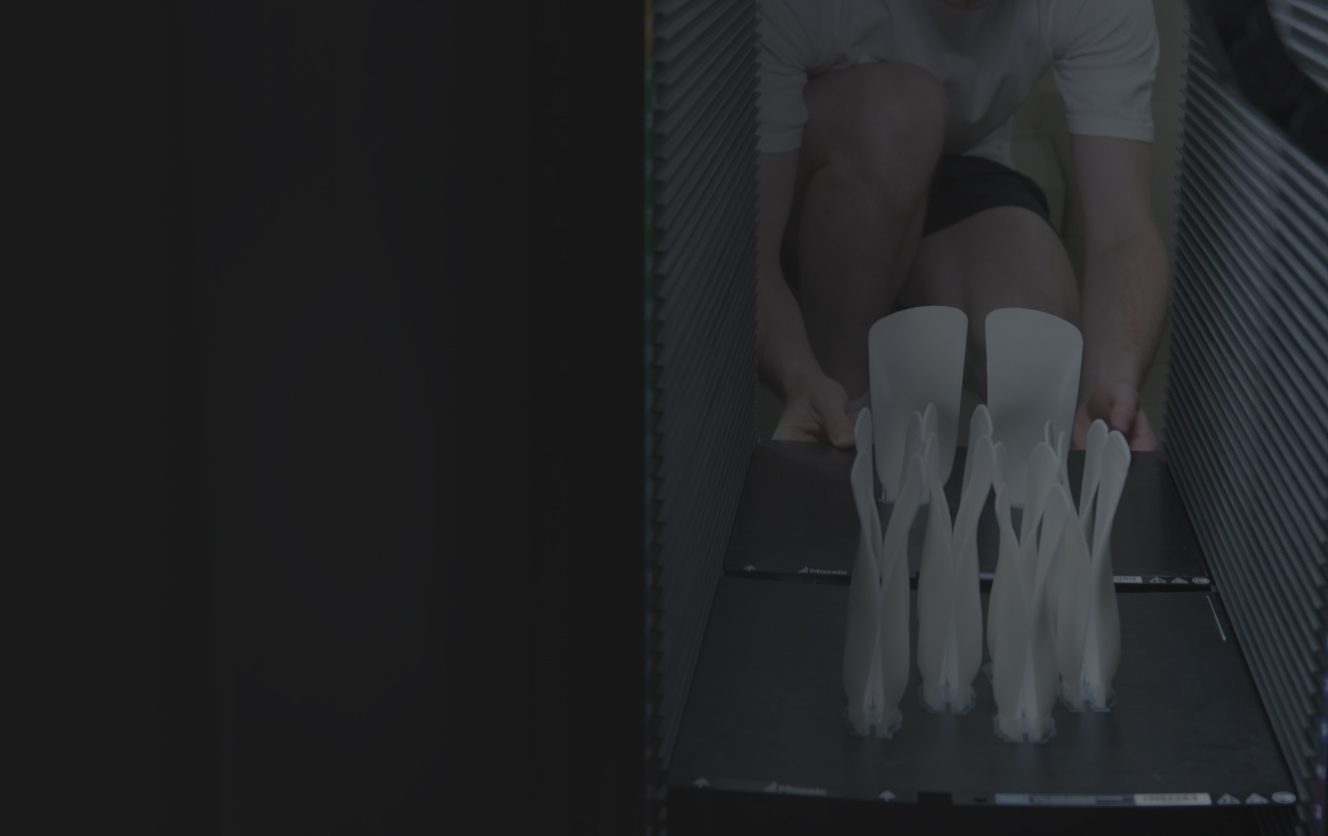
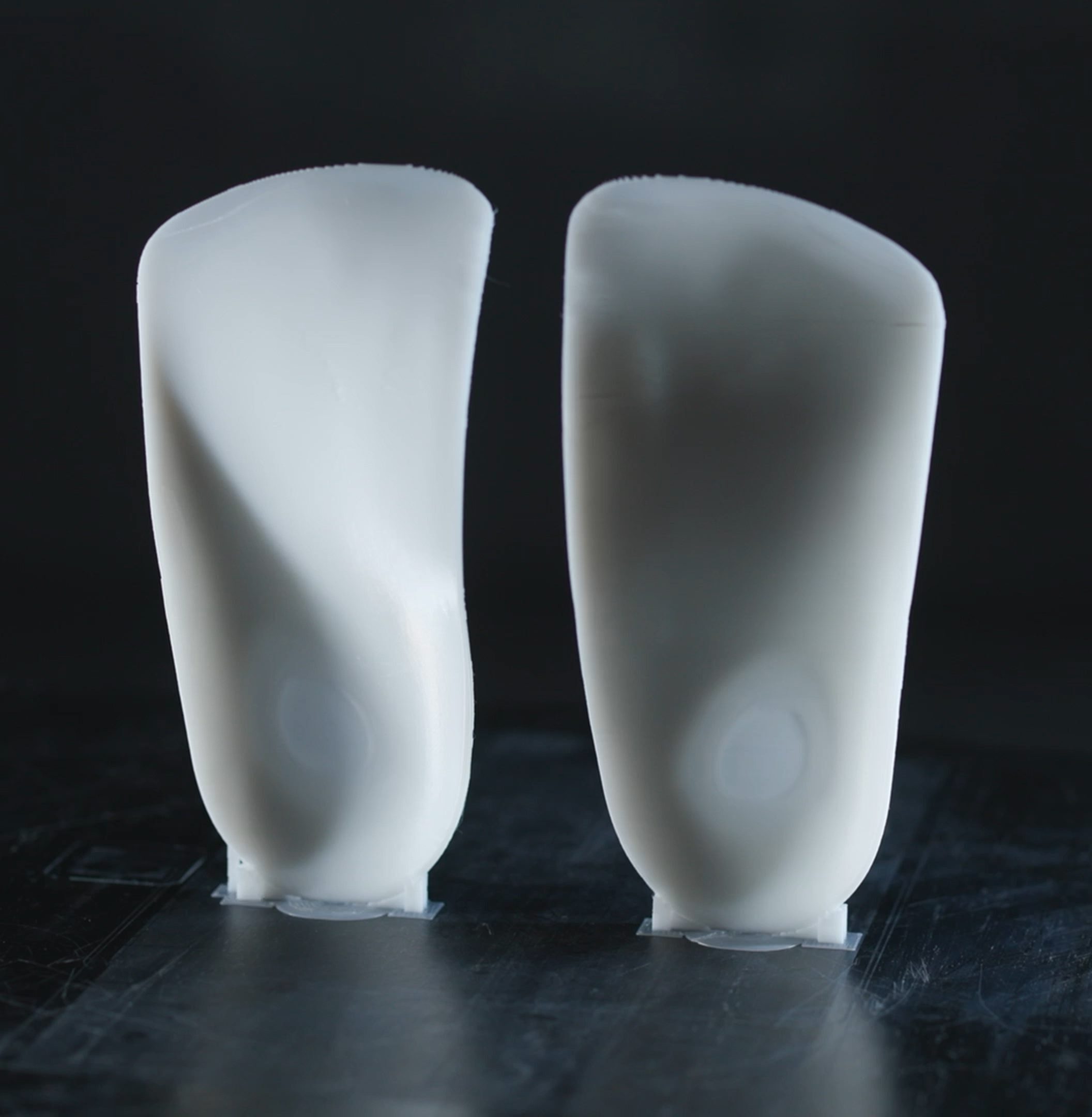
SLS and MJF systems can provide high-volume capacity, but they add their own costs. These include powder consumption, build preparation, cooling time, powder removal, cleaning, post-processing, maintenance, and facility requirements. Their economics depend heavily on volume, equipment utilization, and post-processing procedures. The cost of a device also doesn’t end when it leaves the build chamber: the labour needed to make it patient-ready still counts.
→ Related: SLS vs. Orion’s Belt-Based 3D Printing for Orthotics: What’s the Difference?
What drives cost down in a digital, minimal-post-processing workflow
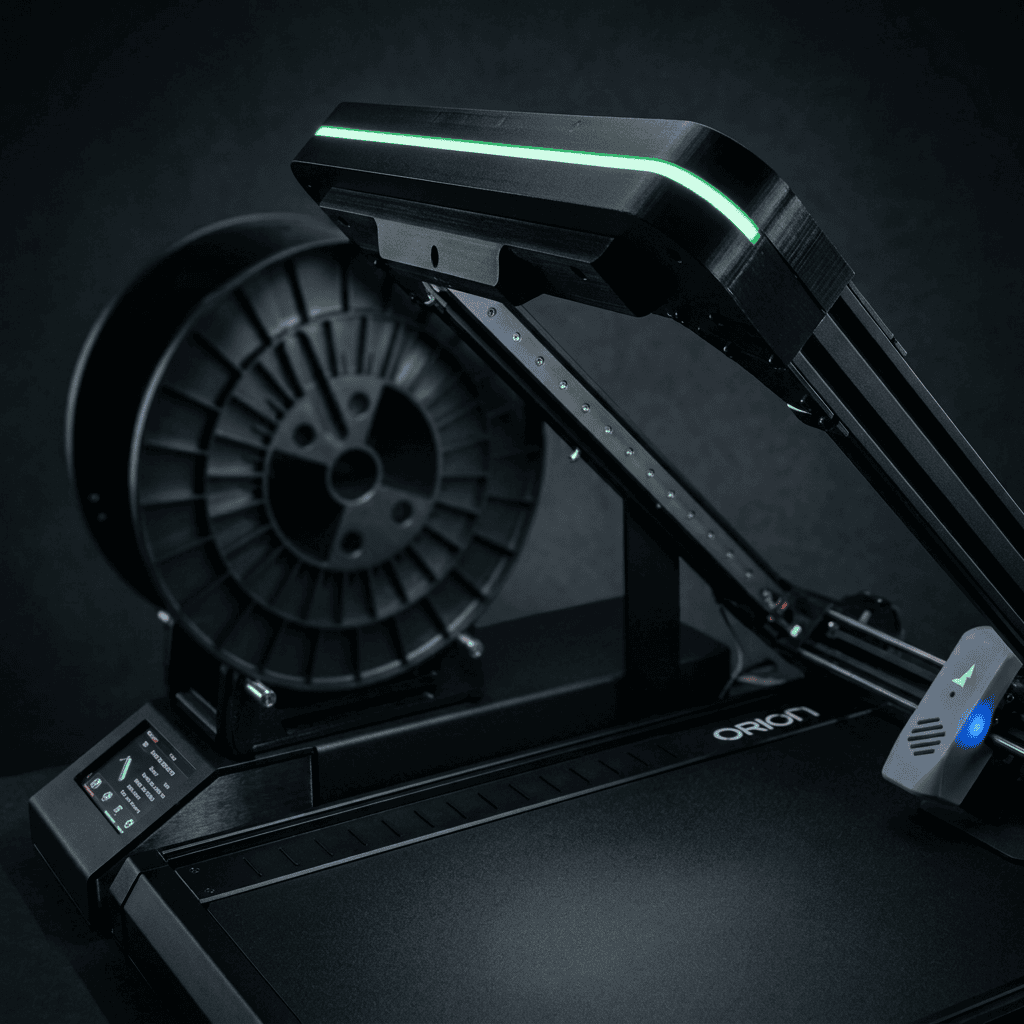
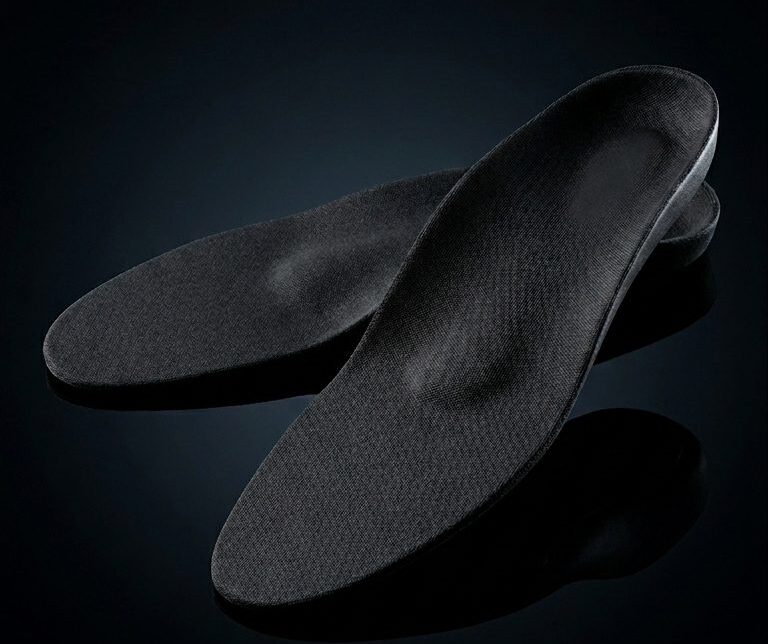
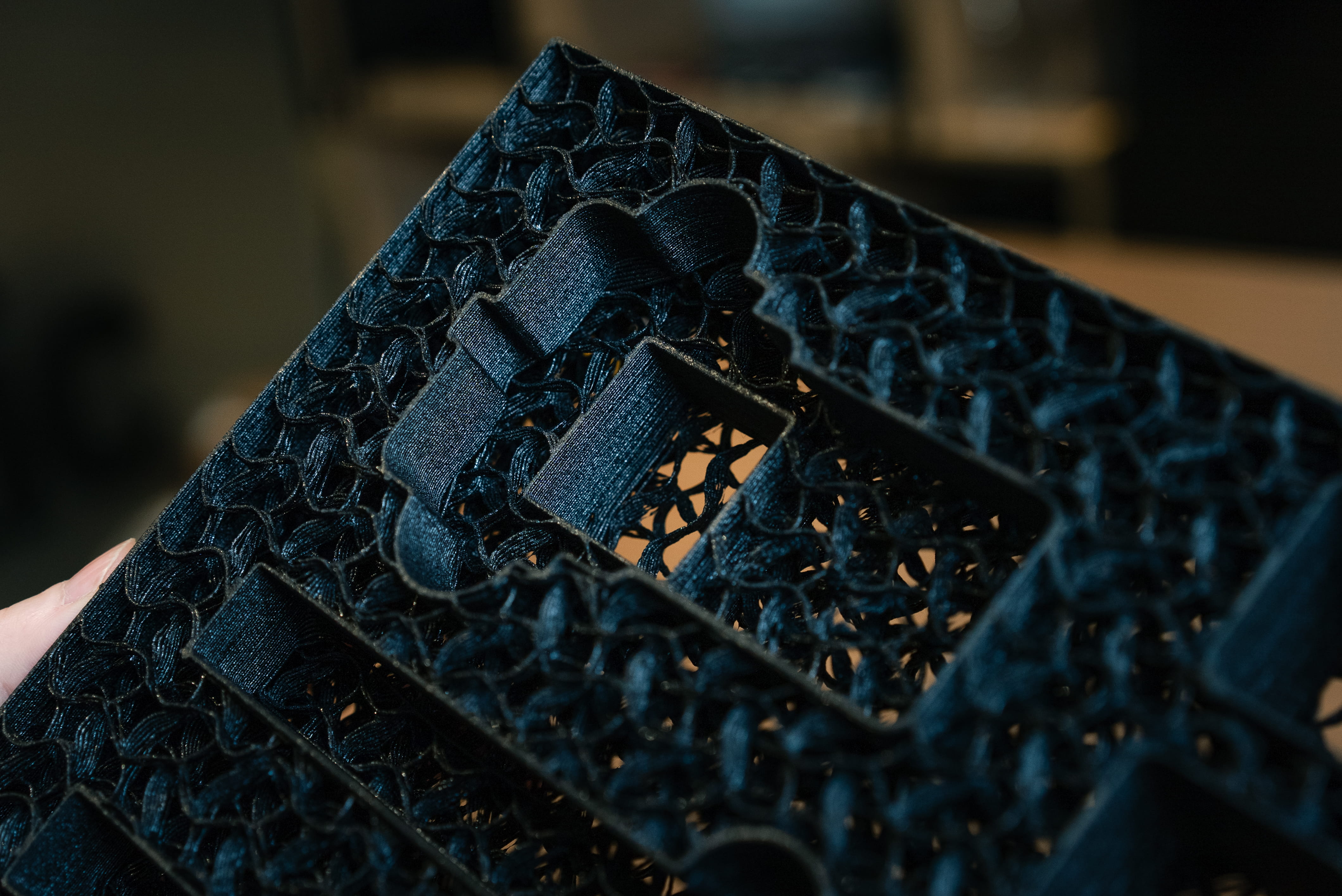
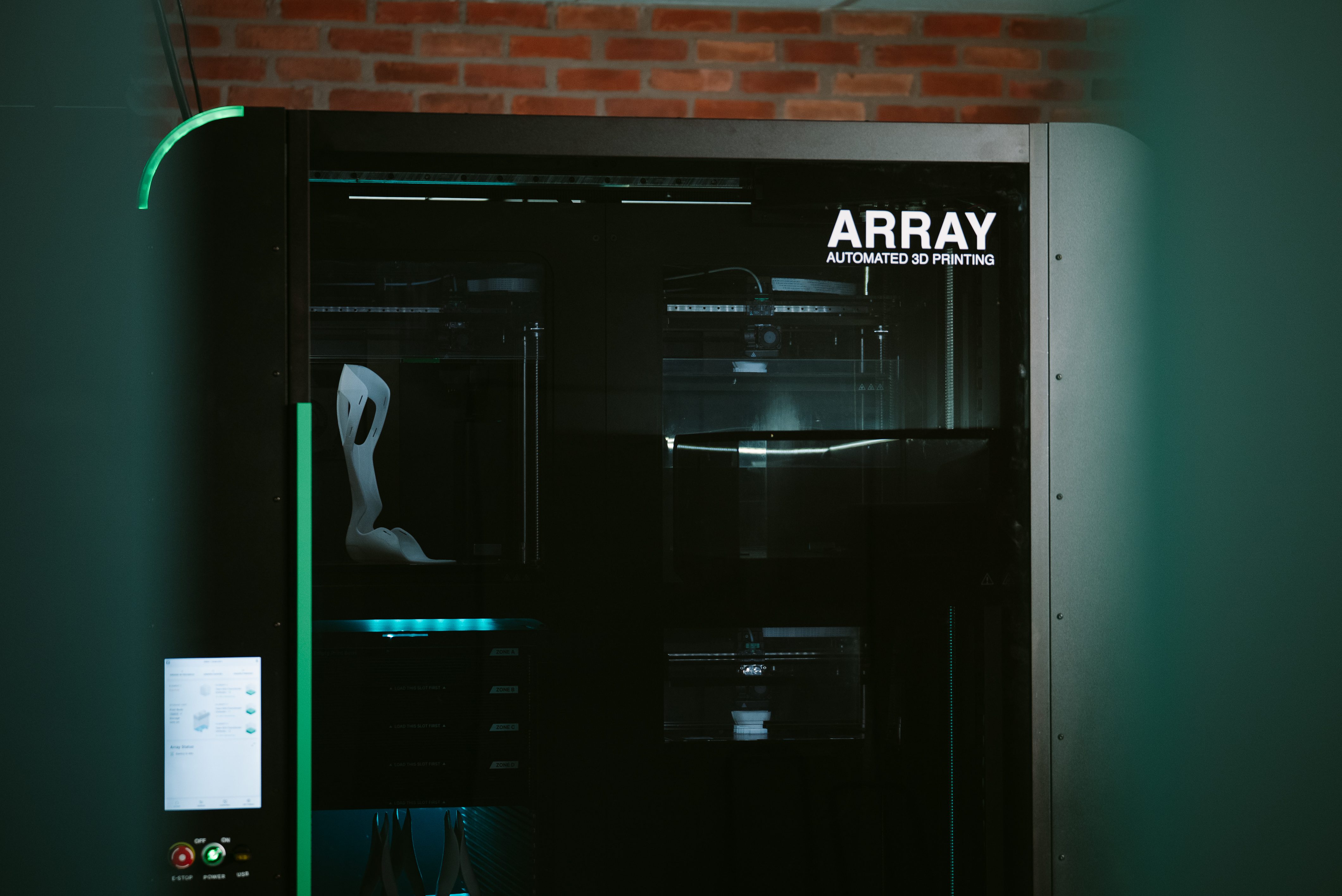
Mosaic’s Orion automated 3D printing platform paired with Stryde Print is designed to produce custom soft and rigid orthotics with less manual labour and minimal post-processing. It supports flexible, accommodative devices for comfort and pressure distribution, as well as rigid, corrective devices for biomechanical control and alignment.
This affects unit economics in three ways:
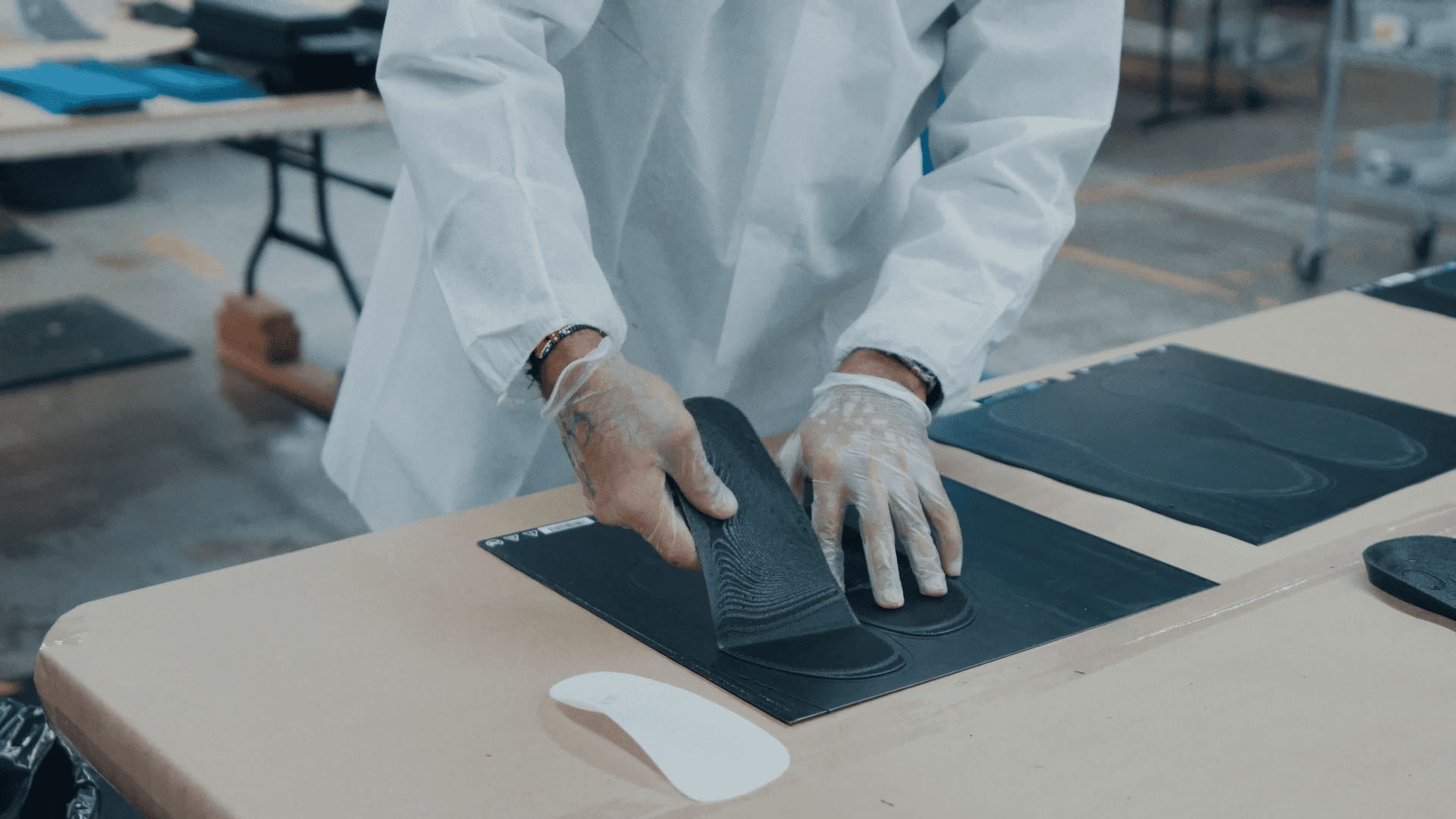
- Less finishing labour. Orion produces finished orthotics directly from the printer, with no top cover required. When devices come off the printer close to their final geometry, technicians spend less time grinding, shaping, and correcting each pair. Exact savings depend on the device, quality requirements, and existing workflow.
- Less material waste. Devices are built to their digital geometry rather than milled or trimmed from larger blanks.
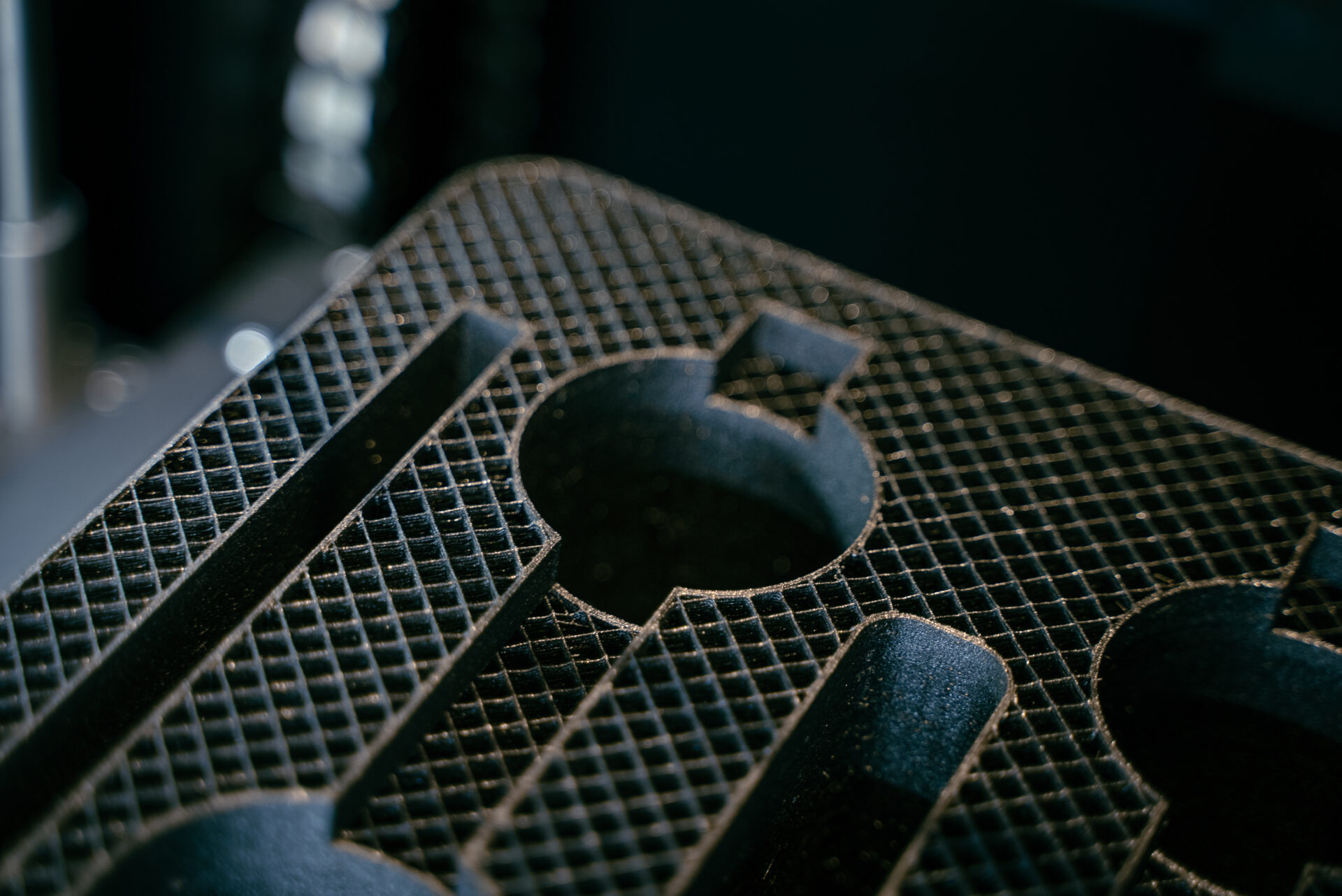
- Patient-specific properties built in. Digitally controlled density regions build patient-specific characteristics into the device during production.
→ Learn more about Orion
The software behind the workflow
The Stryde Software Suite connects patient capture, design, case management, and production preparation in one workflow:
- Stryde Scan captures patient foot geometry and prescription details at the point of care.
- Stryde Design turns scan data and clinical inputs into customized orthotic designs, while still allowing patient-specific modifications.
- Stryde Print prepares and manages production:
- Users can define density by zone or across the whole device without manual slicing or configuration.
- Digital durometer inputs map to infill density, so production stays consistent across cases.
- Jobs are routed to the next available Orion printer.
Together, Orion and Stryde reduce manual handoffs, preserve prescription intent, and create a consistent starting point for every device.
→ Related: Do Orion’s Materials Perform Like EVA and Polypropylene? | From Scan to Finished Device: The Orion + Stryde Workflow Explained
How lower unit costs create business flexibility
Under defined reference conditions, Orion’s material cost can be as low as approximately $6 USD per pair, based on a women’s US size 7 and Shore 25A reference case. A single Orion is designed to produce approximately 300 pairs per month, with a print time of approximately 2 hours per pair under those conditions. These figures reflect reference material and production inputs, not a fully loaded cost per pair. Actual output depends on device size, material, design, operating schedule, and production mix.
A lower cost per pair gives a lab more options:
- Labs facing reimbursement pressure can protect margins without raising prices.
- Growing labs can earn more from each additional pair.
- Labs considering in-house manufacturing can improve their equipment payback model and forecast production costs more easily.
Savings can also fund hiring, training, new clinic relationships, added capacity, faster turnaround, and new device categories. The biggest impact comes when the full workflow also reduces labour, waste, rework, and delays.
→ Related: Production Beyond the 9-to-5: What Overnight and Weekend Manufacturing Means for Labs
Use cost per pair to plan growth
Cost per pair should be a visible, repeatable business metric. When labs understand how material, labour, finishing, rework, and capacity contribute to it, they can make better decisions about pricing, equipment, staffing, and expansion.
Orion provides the automated manufacturing platform. Stryde connects scan data to design and production. Together, they give labs a clearer view of their production economics and a way to build capacity around predictable, repeatable workflows.
See How Your Cost Per Pair Compares. Request an Orion demo to discuss your case volume, device mix, and workflow. You can also book a Stryde demo to see the software workflow, or request a sample pair to evaluate the output yourself.