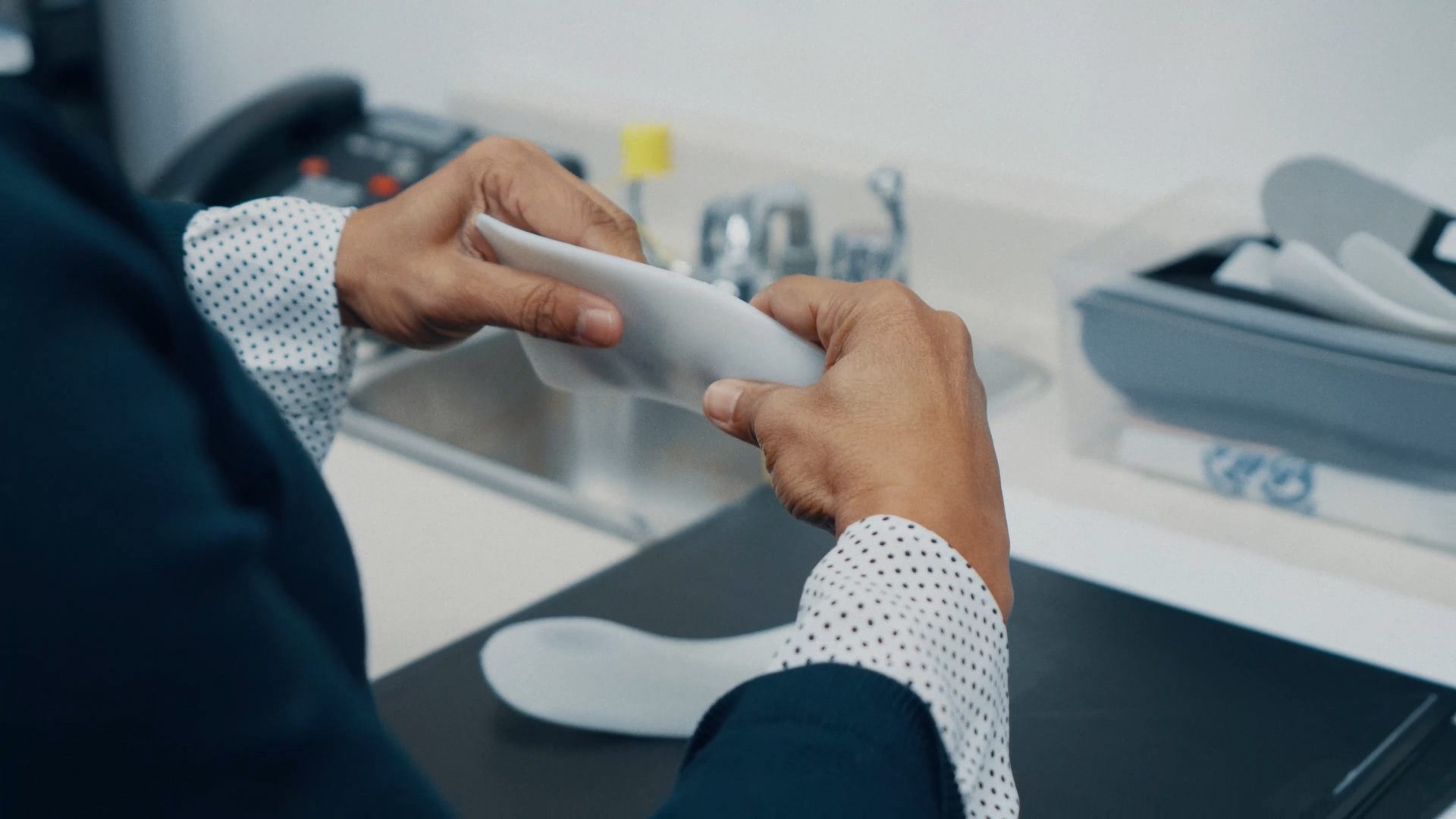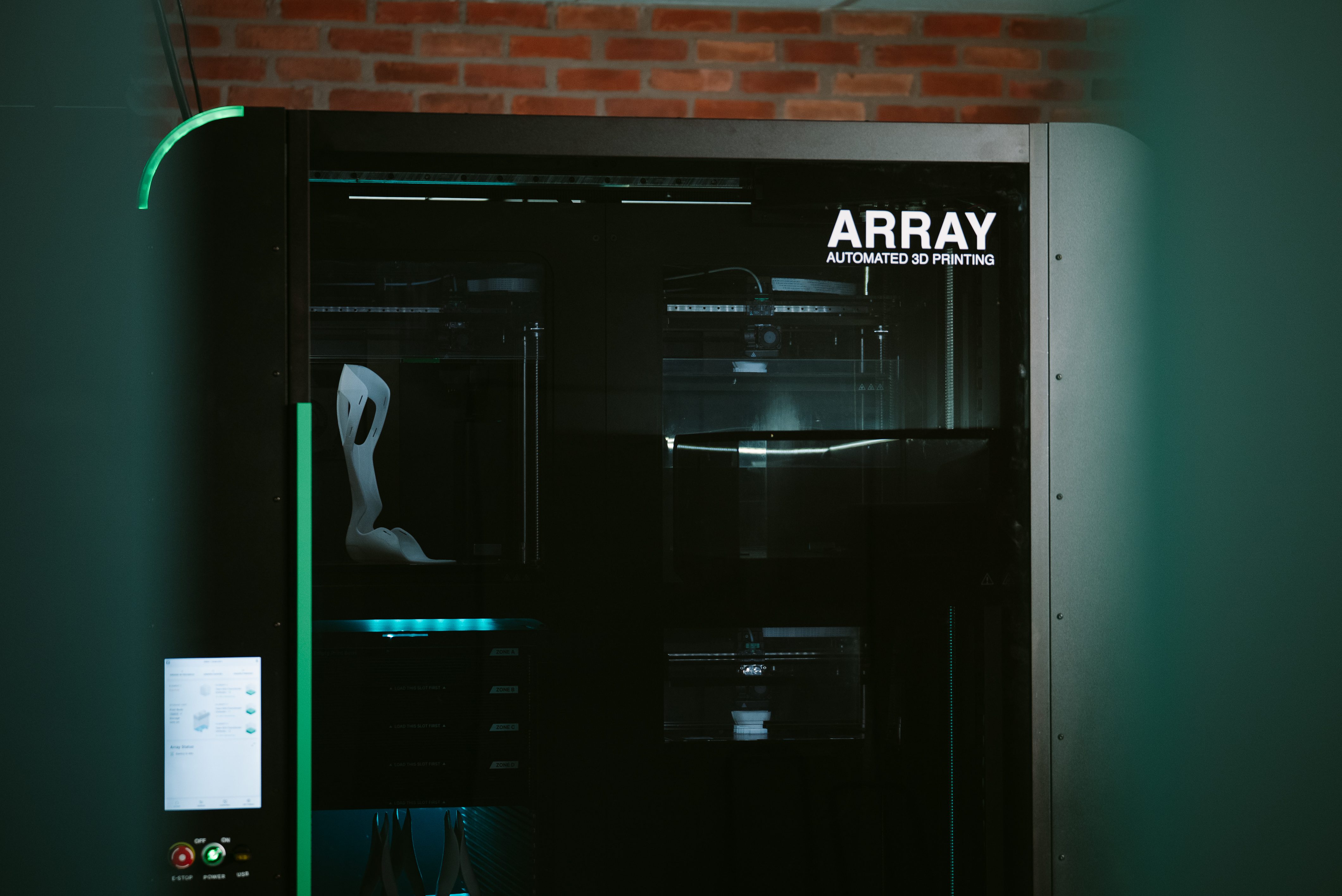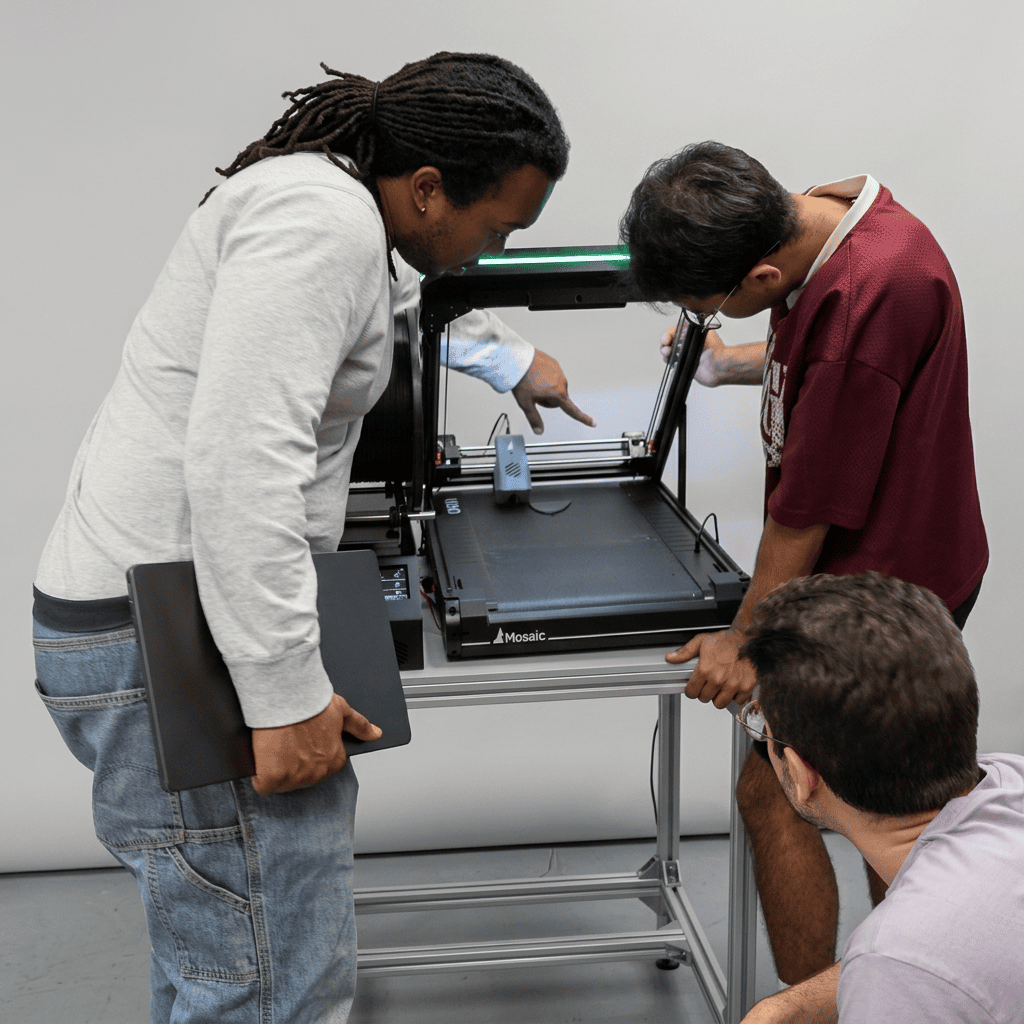
For orthotics labs, production capacity is often limited by one thing: staffed hours.
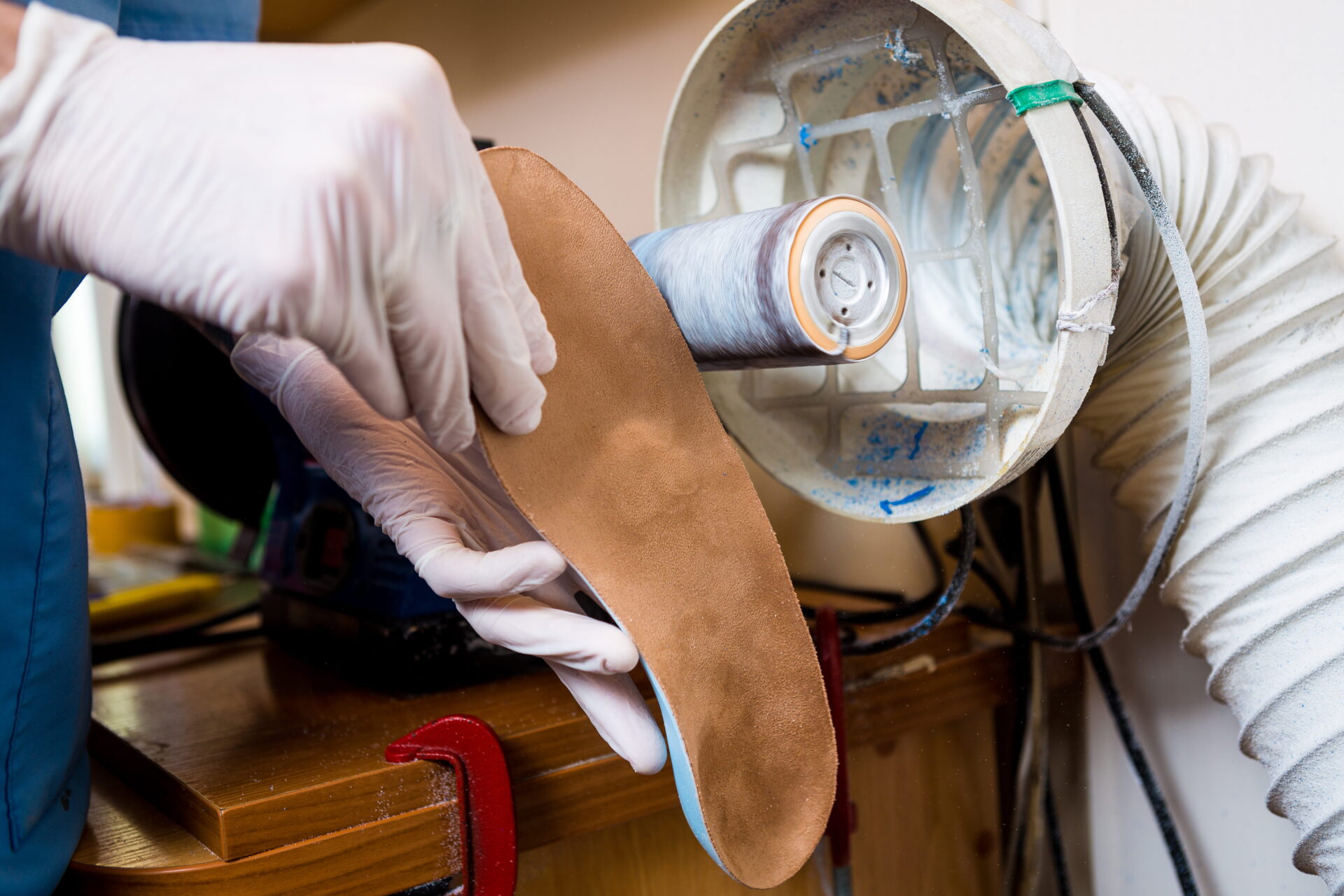
When manufacturing depends on CNC milling, manual grinding, finishing, or technician intervention at every stage, production largely stops when the lab closes. To increase capacity, labs need more shifts, overtime, equipment, or headcount, and each one adds cost.
Automated orthotics manufacturing offers another option. When production is prepared and queued correctly, it can continue overnight and through weekends, even when technicians are off-site.
The capacity limit of staffed-hours production
In manual and semi-automated workflows, output is closely tied to technician availability. CNC milling, material handling, grinding, and finishing all require active intervention. Production can only continue for as long as the people running the process are working.
To increase output, labs typically have two options: add staffed hours or increase throughput per staffed hour. Both raise operating costs and add complexity as volume grows.
Traditional desktop FFF printers don’t remove this constraint. Fixed-bed FFF printers stop between jobs and need an operator to clear the bed and start the next run, so every job requires labour intervention and attention.
→ Related: The Economics of Scaling Orthotics Production With Orion | SLS vs. Orion’s Belt-Based 3D Printing for Orthotics: What’s the Difference?
How Orion supports overnight and weekend production
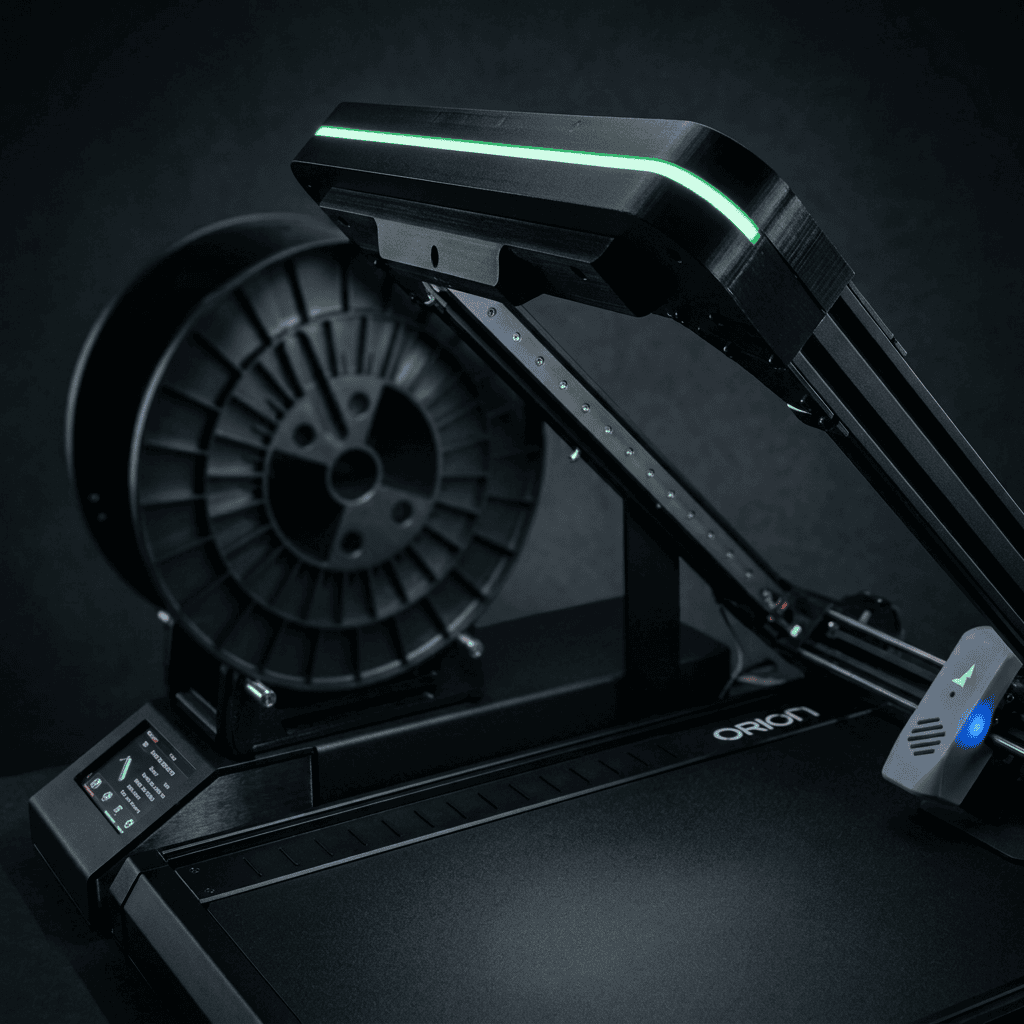
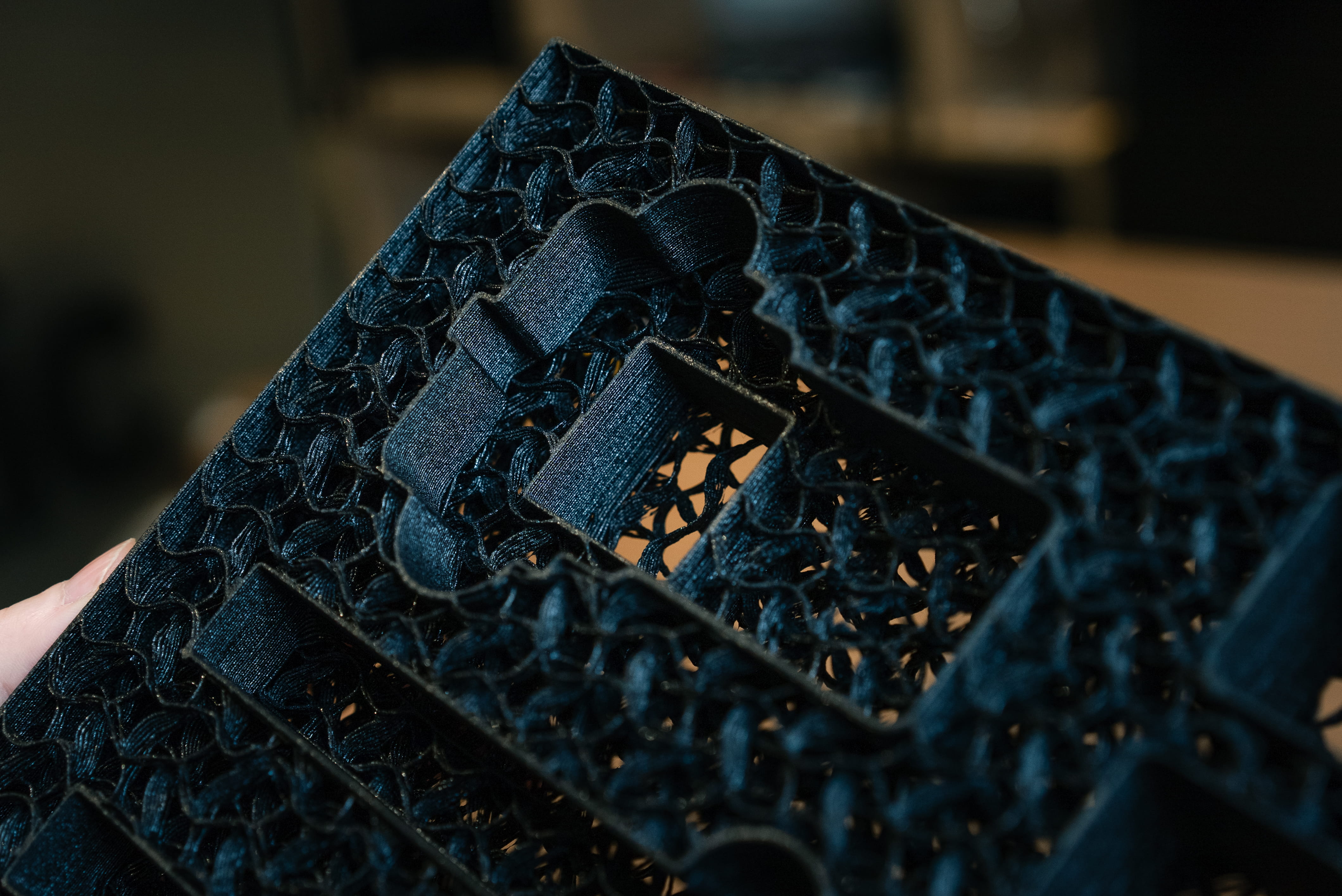
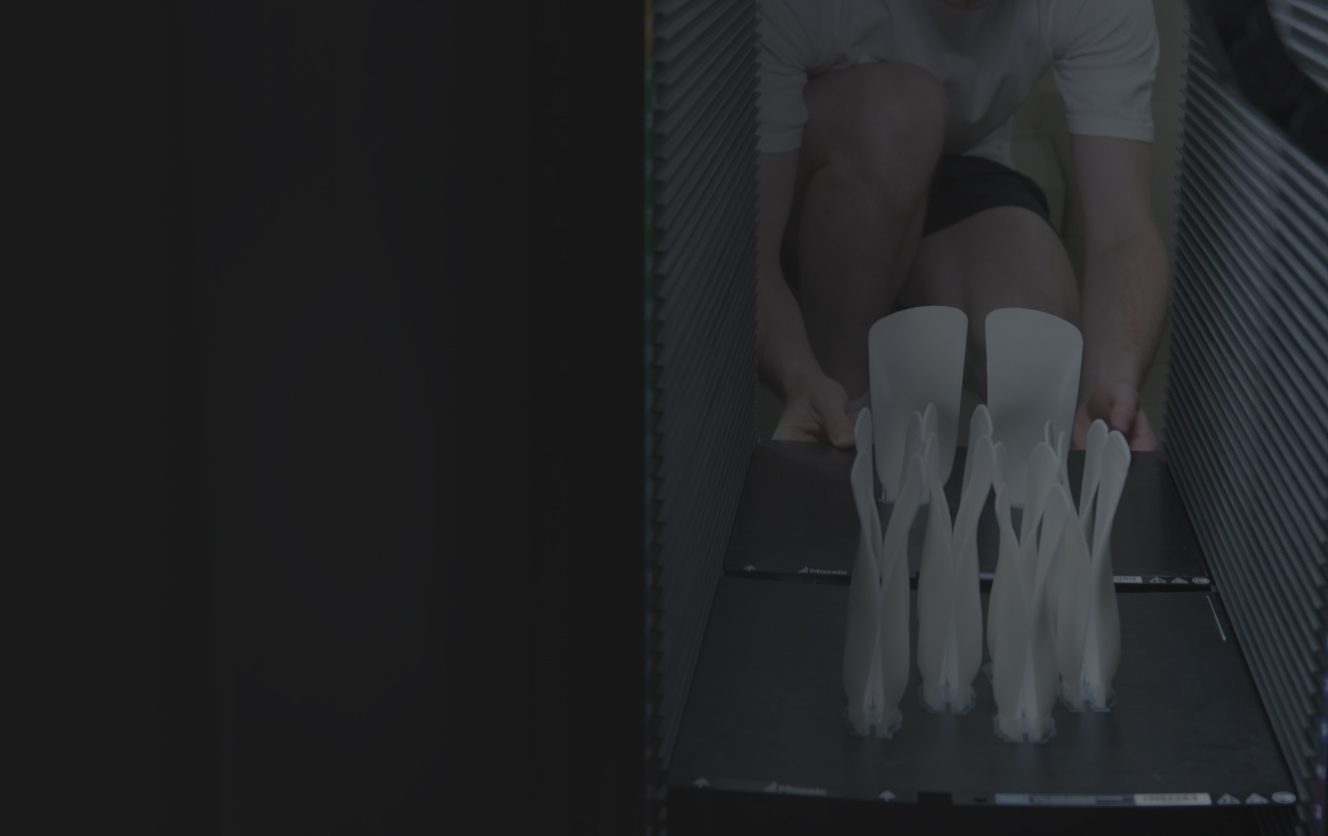
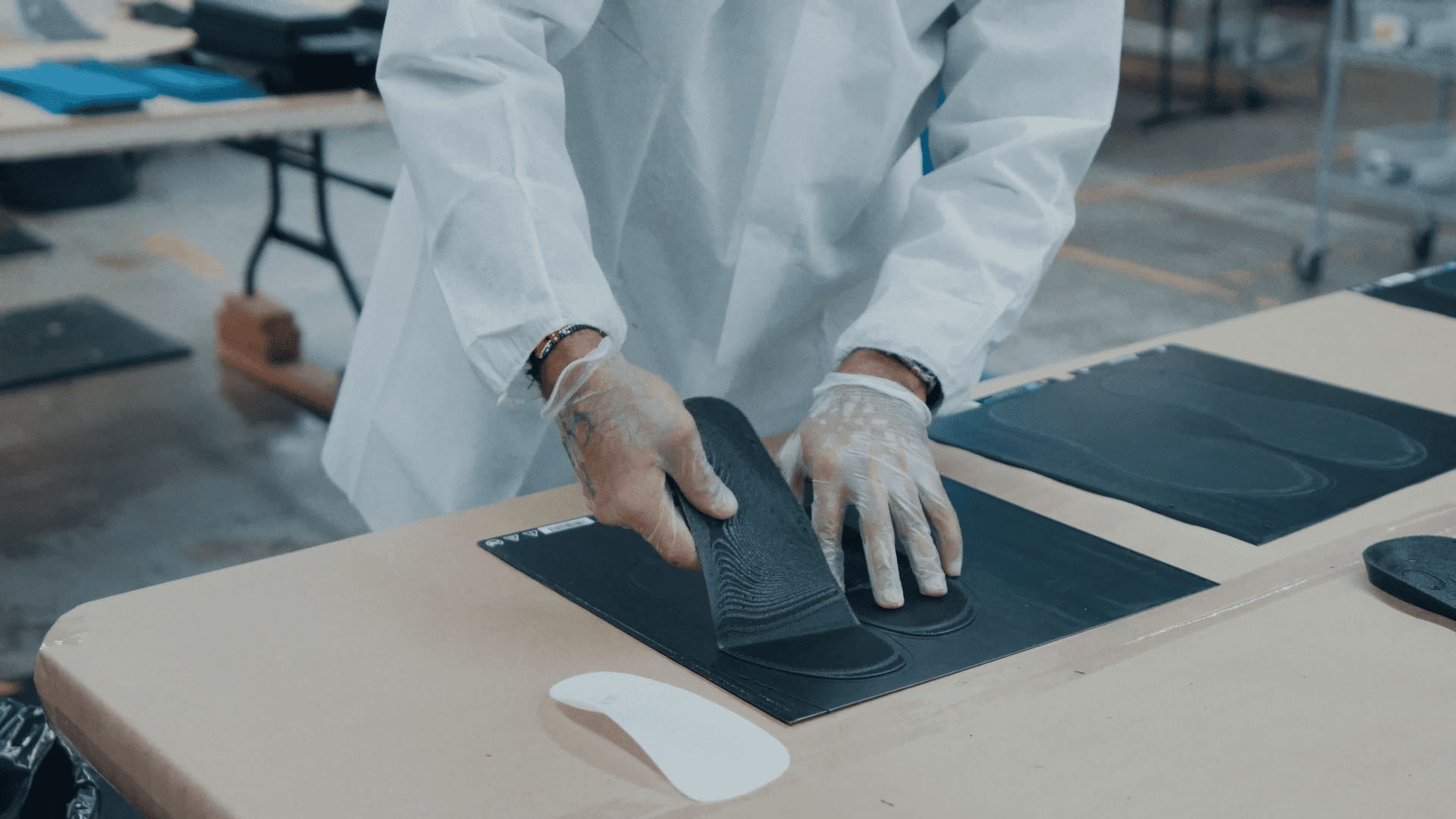
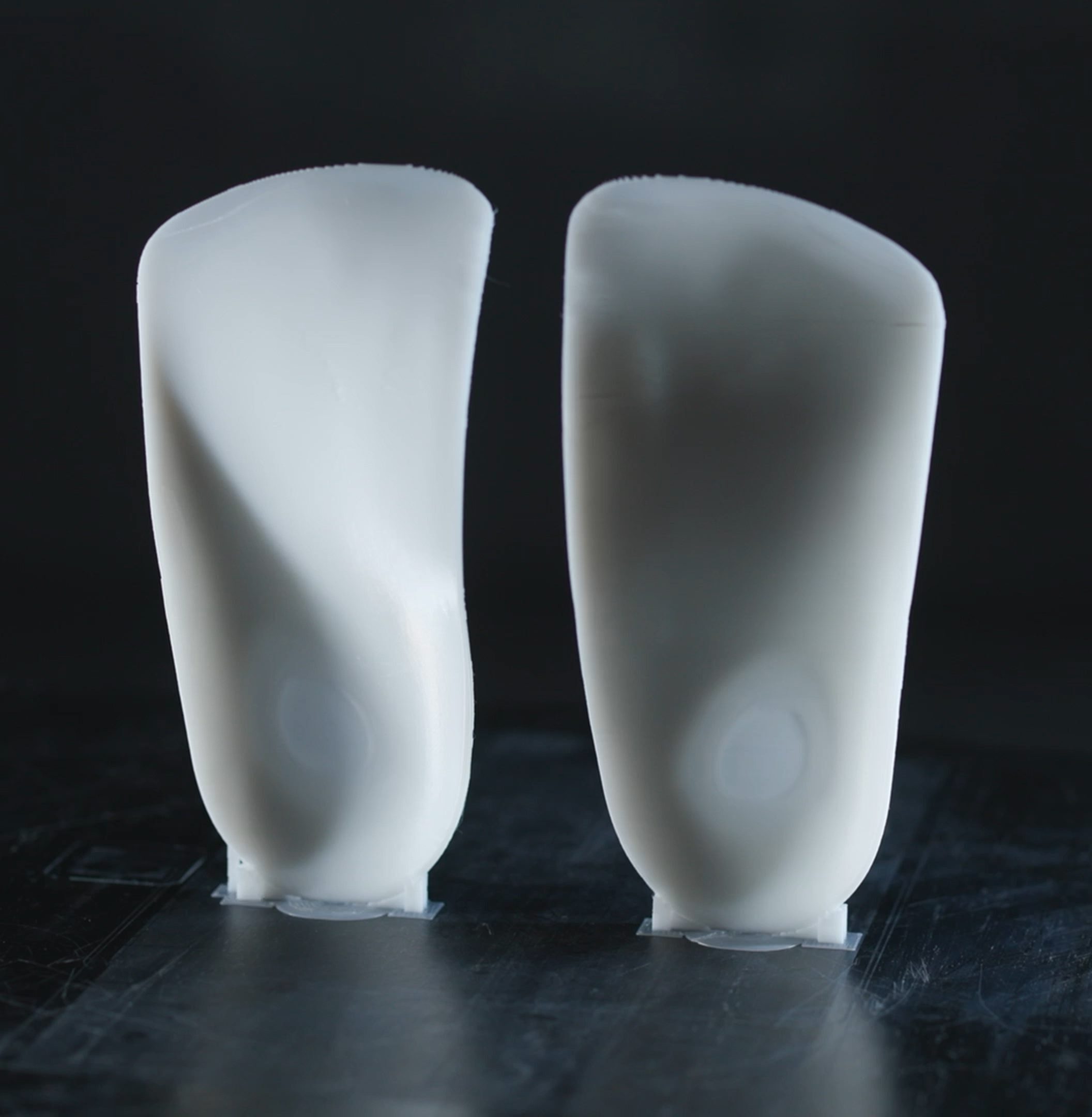
Mosaic’s Orion automated 3D printing platform paired with Stryde Print is designed for continuous, queued manufacturing. As one device is completed, the belt moves it away from the production surface so the next queued job can proceed. A queue prepared before the end of a shift can keep producing overnight or through the weekend.
For labs, this can help:
- Use available equipment for more hours each day
- Process late-day cases without waiting for the next shift
- Add capacity during peak seasons
- Increase output without adding another full staffed shift
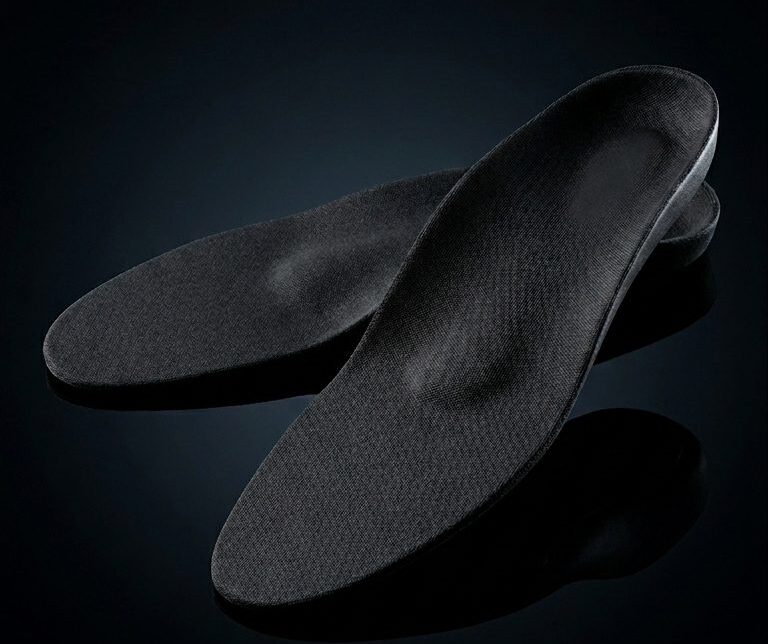
Orion is designed to produce approximately 300 pairs per month from a single printer, with a print time of approximately 2 hours per pair under the stated reference conditions. Cost can be as low as $6 USD per pair based on a women’s US size 7 and Shore 25A reference case. Actual output depends on device size, material, design, operating schedule, and production mix.
→ Learn more about Orion
Planning for overnight and weekend production
Unattended manufacturing still requires operational discipline:
- Stage and verify jobs before the lab closes. Confirm prescriptions, device specifications, and material assignments. Stryde Manage gives visibility into cases and production status, while Stryde Print routes jobs to the next available Orion printer and manages queue prioritization.
- Plan material for the full production window. Running out of material overnight eliminates the capacity benefit.
- Validate new production profiles. Review initial output from a new design, material, or density profile before committing a larger queue.
- Plan for post-production handling. Build collection, inspection, and downstream processing into the lab’s standard operating procedures.
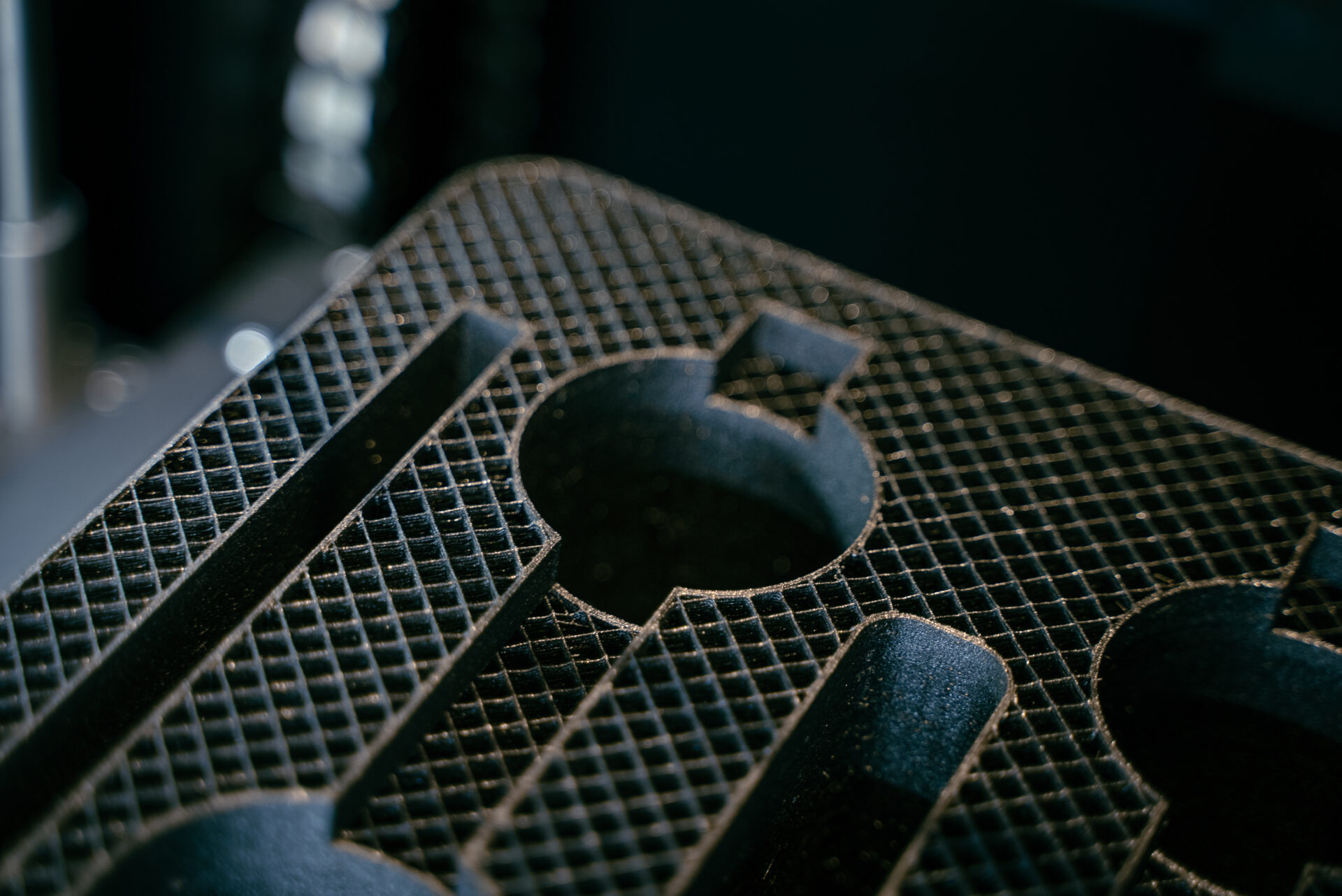
- Account for facility requirements. Orion is designed to support extended production without the powder handling and post-processing infrastructure of powder-based systems.
→ Related: From Scan to Finished Device: The Orion + Stryde Workflow Explained
What this means for lab growth
Unattended manufacturing doesn’t replace clinical judgment or skilled technicians. It changes how those resources are allocated. Growing labs can gain capacity without a proportional increase in staffing, absorb seasonal demand more easily, and free their teams for higher-value work.
For larger organizations, the Stryde Software Suite provides a shared digital workflow across facilities, while Orion provides an automated production platform that can be added as capacity requirements increase.
Scale Production Without Extending the Workday
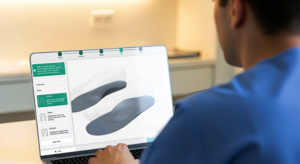
Orion supports continuous, queued production beyond the staffed workday. Stryde connects the workflow: Stryde Scan captures patient foot geometry, Stryde Design turns it into a customized orthotic, and Stryde Print prepares and queues it for production. Together, Orion and Stryde help labs increase capacity, reduce manual intervention, and run a more predictable production operation.
See Orion in your lab
Request an Orion demo to discuss your workflow, production volume, and capacity requirements, or request a free sample pair to see the output for yourself.